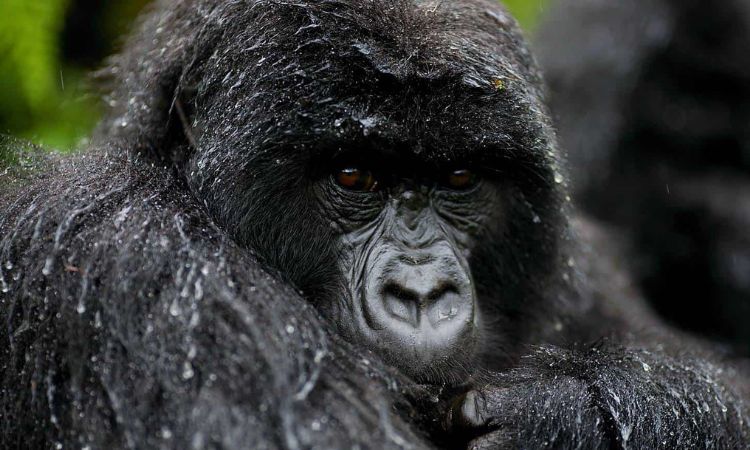
Are Silverback Gorillas Endangered? Conservation Status & Threats
Are silverback gorillas endangered: The straightforward answer is yes—silverback gorillas are critically endangered, representing one of the world’s most at-risk primate species.
But understanding the complete picture of silverback gorilla endangered status requires understanding how population numbers have changed, what specific threats these remarkable animals face, and what conservation efforts are making a difference in their survival.
When you ask “are silverback gorillas endangered,” you’re asking about a species that exists in fewer than 1,100 individuals in the wild—a number so small that it would barely fill a large sports stadium.
Yet there is genuine hope: mountain gorilla populations have actually increased in recent decades due to determined conservation efforts, proving that human intervention can save species on the brink of extinction.
Silverback gorillas, the dominant males of gorilla family groups, are found exclusively in the high-altitude forests of the Virunga Mountains and Bwindi Impenetrable Forest in Central Africa. Understanding the endangered silverback gorilla situation and the specific threats they face is essential to understanding why mountain gorilla endangered status matters for global biodiversity.
What Makes Silverback Gorillas Endangered? Understanding Their Conservation Status
The silverback gorilla endangered classification is based on multiple factors that scientists evaluate when assessing extinction risk. Mountain gorillas—including all silverback males—are classified by the International Union for Conservation of Nature (IUCN) as “Endangered,” placing them in the highest threat category short of “Critically Endangered.”
Population Numbers: How Few Remain
The current mountain gorilla population is estimated at approximately 1,080-1,100 individuals, split across three countries: Uganda (approximately 500-600 gorillas), Rwanda (approximately 480), and the Democratic Republic of Congo (approximately 200-300). These numbers represent a dramatic decline from historical populations that likely exceeded 10,000 or more.
The fact that the entire remaining endangered mountain gorilla population could fit comfortably in a large stadium illustrates the severity of the conservation crisis. By comparison, common wildlife species exist in populations of millions or billions. Mountain gorillas represent one of the rarest large mammal species on Earth.
Importantly, these population estimates show that endangered gorillas have actually increased since the 1980s-1990s, when populations bottomed at around 620 individuals. This increase, though still representing critically low numbers, demonstrates that conservation efforts can reverse population declines—a genuinely hopeful message.
Geographic Isolation: All Eggs in Two Baskets
One critical factor in silverback gorilla endangered status is that the entire remaining population exists in just two geographic locations: the Virunga Mountains and Bwindi Impenetrable Forest. These forests are separated by only a few kilometers but are not connected by continuous habitat.
This geographic isolation means that a single disease outbreak, natural disaster, or conservation failure in one location could affect a substantial portion of the global population. The populations in the three countries cannot easily interbreed or assist each other if one population faces catastrophic loss.
Contrast this with species that are widely distributed across multiple continents and countries. Geographic isolation makes endangered mountain gorillas vulnerable to localized catastrophes with global extinction implications.
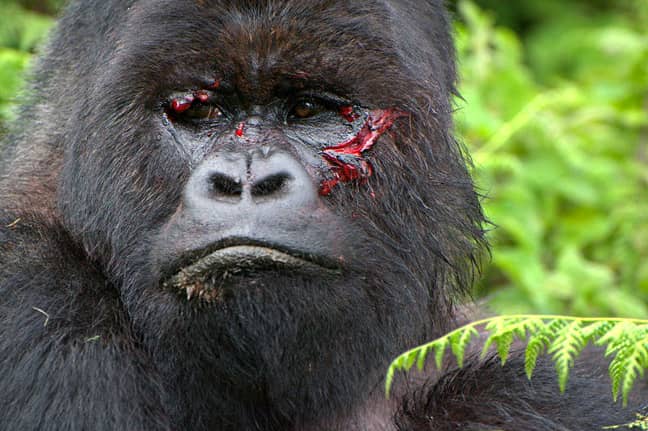
Major Threats to Silverback Gorillas and Mountain Gorilla Populations
Understanding why gorillas are endangered requires understanding the specific threats that have driven populations to critically low levels and continue to threaten survival.
Habitat Loss: The Primary Threat to Endangered Gorillas
The most significant threat to silverback gorillas endangered status is habitat destruction. The mountain gorilla habitat in Bwindi, Virunga, and the Volcanoes region is threatened by deforestation for agriculture, timber logging, and human settlement.
Humans convert forest to farmland for subsistence agriculture and cash crop production. Growing human populations in Uganda, Rwanda, and Congo create increasing pressure to convert forest to agricultural use. Once mountain gorilla forest habitat is cleared, it’s essentially impossible to restore—gorillas require specific high-altitude montane forest that takes decades to develop.
Habitat fragmentation is equally problematic. Even if the total area of protected forest is adequate, breaking it into disconnected patches reduces the area available to each gorilla family, increases genetic isolation, and limits access to diverse food resources. Fragmentation makes endangered mountain gorillas more vulnerable to localized extinctions.
Disease Transmission: An Emerging Threat
Human respiratory diseases pose a serious and increasing threat to silverback gorillas endangered populations. Gorillas are susceptible to many human pathogens, including respiratory viruses, influenza, measles, and tuberculosis.
Disease transmission typically occurs through gorilla tourism and proximity to human settlements. A human visitor with a cold virus can transmit the pathogen to gorillas, potentially creating an epidemic in a family group. In small, isolated populations like mountain gorillas, a single disease outbreak could eliminate substantial portions of a family group or even an entire population in extreme scenarios.
The cool, humid climate of the mountain gorilla environment favors the survival and transmission of respiratory pathogens, making disease an especially serious concern. Unlike warm, dry climates where pathogens die quickly, the misty mountain forest allows viruses to persist longer.
This threat has become more acute as gorilla tourism has increased. The same tourism that generates conservation revenue and builds public support also creates disease transmission risks.
Responsible gorilla trekking operators now implement strict health protocols—mask wearing, social distancing, pre-trek health screening—to minimize disease transmission risks.
Poaching and Hunting
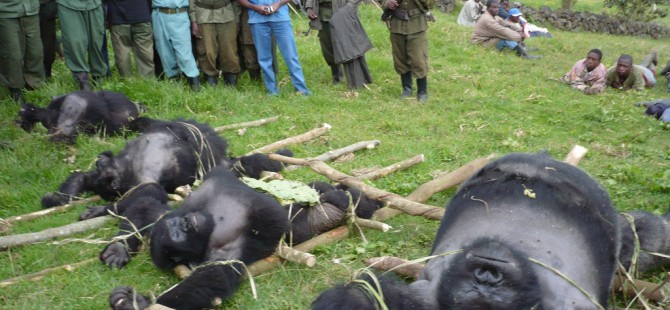
While large-scale poaching of adult gorillas is rare—they’re large, dangerous animals found only in protected areas—illegal hunting does occur. Snares set for other animals sometimes trap gorillas.
Guerrilla warfare in regions like eastern DRC occasionally creates security situations where gorillas face direct threats from armed groups.
The extinction of gorillas would represent not just biological loss but cultural tragedy. Gorillas hold profound significance in the worldviews of local communities. Protecting gorillas means respecting these cultural values and ensuring local communities benefit from gorilla conservation.
Human-Gorilla Conflict
As human populations expand around protected areas, conflicts increase. Gorillas occasionally raid crops at forest margins, destroying food sources that local communities depend on for survival. This creates tension between conservation and human livelihood needs.
Resolving endangered silverback gorilla conservation requires addressing the economic needs of local communities, providing alternative livelihoods, and creating buffer zones between human settlement and gorilla habitat.
Climate Change: An Emerging Long-Term Threat
Climate change poses a subtle but serious long-term threat to endangered mountain gorillas. Rising temperatures are shifting the elevation zones where specific plant species can survive.
The montane forest zones suitable for gorillas and their primary food plants (particularly bamboo) may shift upward as temperatures warm.
If climate warming shifts the suitable elevation range above the current tops of the mountains where gorillas live, gorillas could lose their habitat without any deforestation occurring. The gorilla endangered status could deteriorate due to environmental shifts that humans cannot directly control.
Why Silverback Gorillas Matter: Ecological and Conservation Significance
Understanding why silverback gorillas are endangered requires understanding why their conservation matters beyond just saving the species.
Ecological Importance
Silverback gorillas play a crucial role in their forest ecosystems as megaherbivores. Their daily consumption of 20-30 kilograms of vegetation shapes forest structure and plant community composition. By feeding on abundant herbs and selectively harvesting tree leaves, gorillas influence the growth patterns of the forest.
The ecosystem where endangered mountain gorillas live is itself endangered. Protecting gorillas means protecting entire forest ecosystems that support thousands of other plant and animal species. Conservation efforts focused on gorillas create protected areas that benefit numerous other species.
Evolutionary Significance
Gorillas represent one of humanity’s closest living relatives, sharing approximately 98% of our DNA. Understanding gorilla biology, behavior, and genetics provides insights into human evolution and primate evolution broadly. Losing silverback gorillas endangered populations would represent loss of irreplaceable evolutionary diversity.
Cultural Significance
For the communities living around gorilla habitat, these animals hold profound cultural and spiritual significance. Mountain gorillas represent a natural heritage that residents take pride in protecting. Tourism revenue from gorilla experiences provides economic incentive for habitat conservation that benefits human communities.
Conservation Efforts Making a Difference for Endangered Gorillas
Despite the serious threats to silverback gorillas endangered populations, conservation efforts have achieved remarkable successes. Understanding these successes demonstrates that extinction is not inevitable—it can be prevented through determined effort.
Protected Area Establishment and Management
The foundation of gorilla conservation is the establishment and protection of national parks where gorilla habitat is legally protected. Bwindi Impenetrable National Park in Uganda, Volcanoes National Park in Rwanda, and Virunga National Park in Democratic Republic of Congo represent the critical protected refuges where endangered mountain gorillas survive.
These parks require substantial funding for anti-poaching patrols, habitat monitoring, veterinary care for sick or injured gorillas, and research to understand how conservation efforts are affecting gorilla populations.
Gorilla Tourism and Conservation Revenue
Responsible gorilla tourism has become a major funding source for conservation efforts. Gorilla permits cost $700 in Uganda and $1,500 in Rwanda, generating substantial revenue that directly funds conservation work.
Tourism creates economic incentive for local communities to protect gorilla habitat. When communities benefit directly from gorilla conservation through employment, infrastructure development, and revenue sharing, they become allies rather than adversaries in conservation efforts.
The “gorilla tourism helps conservation” model has proven effective in reversing population declines. Mountain gorilla populations have increased partly because tourism revenue funded the protection efforts that allowed populations to recover.
Gorilla Research and Habituation Programs
Long-term research programs have tracked mountain gorillas for decades, providing data essential for understanding population trends and conservation effectiveness. Programs like those conducted by the Dian Fossey Gorilla Fund maintain research stations where scientists study gorilla behavior, social dynamics, health, and habitat use.
Habituation of gorilla families to human presence is critical for both tourism and conservation. Habituated gorillas can be monitored closely for health issues, can be tracked to understand habitat needs, and can be protected from poaching because researchers are present. Habituation requires years of patient work by trained researchers.
Community-Based Conservation
Effective conservation requires cooperation from local communities living around protected areas. These communities often depend on forest resources for survival.
Conservation programs that provide employment, education, and healthcare, while restricting forest exploitation, require balancing human and gorilla needs.
Programs supporting endangered gorilla conservation provide alternative livelihoods to forest destruction—employment in tourism, conservation work, sustainable forest product harvesting, and conservation education.
International Cooperation
Because mountain gorillas live in three countries and sometimes move across international boundaries, conservation requires cooperation between Uganda, Rwanda, and Democratic Republic of Congo. International agreements like the Convention on International Trade in Endangered Species (CITES) protect gorillas from trade, and international organizations coordinate conservation efforts.
Organizations like the International Gorilla Conservation Programme (IGCP) facilitate cooperation between countries and organizations working toward silverback gorilla endangered status reversal.
The Future of Silverback Gorillas: Can We Prevent Extinction?
The critical question facing endangered silverback gorillas is whether determined conservation efforts can prevent extinction and enable population recovery.
The evidence is cautiously optimistic. Mountain gorilla populations have increased from approximately 620 in the 1980s to over 1,100 today—more than doubling in just a few decades. This increase proves that conservation works, that extinction is not inevitable, and that human effort can reverse population declines.
However, endangered mountain gorillas still face serious threats. Habitat loss continues, disease transmission remains a concern, and climate change threatens to alter their forest environment in ways we cannot fully predict. Conservation cannot end—it must intensify and adapt to emerging threats.
The survival of silverback gorillas endangered populations depends on continued funding for protected area management, sustained community engagement, continued research, and public support for conservation.
Your Role in Silverback Gorilla Conservation: Supporting Endangered Species Through Responsible Tourism
Understanding that silverback gorillas are endangered is the first step toward becoming part of the solution. Your decisions about how you spend tourism money directly affect whether gorilla populations survive or decline.
When you choose to visit mountain gorillas through responsible gorilla trekking experiences, you directly support conservation through multiple pathways:
- Direct funding: A portion of your gorilla permit fee funds anti-poaching patrols, veterinary care, and habitat protection
- Community support: Tourism employment provides alternatives to forest exploitation
- Awareness: Visitors who experience gorillas in person become advocates for conservation
- Political support: Tourism value makes governments prioritize gorilla conservation
- Research funding: Some permit revenue supports research that tracks conservation effectiveness
Visiting endangered mountain gorillas is not just a personal wildlife experience—it’s a conservation action that makes a measurable difference for one of Earth’s most endangered species.
The alternative—declining to visit because gorillas are endangered—provides no benefit to conservation. The permit fee you spend on a gorilla trekking adventure in Uganda or a Rwanda gorilla safari creates direct financial incentive for habitat protection that would not exist otherwise.
Experience Endangered Silverback Gorillas: The Ultimate Conservation Adventure
Meeting a silverback gorilla in person is one of Earth’s most profound wildlife experiences. When you encounter a 200-kilogram (450-pound) silverback male in his natural habitat—watching him move through the misty forest with grace and power, seeing his intelligence and emotional depth, understanding his role as protector and leader of his family—you understand why his survival matters.
Silverback gorillas endangered status cannot be adequately conveyed through text or images. The experience of being in their presence, understanding their world, and comprehending the threats they face creates a personal connection that no documentary can replicate.
Our expert guides know the endangered mountain gorilla families intimately. They’ve spent years learning gorilla behavior, understanding family dynamics, and monitoring population health.
They know which families are habituated to human presence, what time to find them foraging, and how to ensure safe, respectful, minimally disruptive encounters.
Whether you choose to trek in Bwindi Impenetrable National Park in Uganda—home to the largest population of endangered silverback gorillas—or in Volcanoes National Park in Rwanda, your experience will be unforgettable and your impact on conservation will be genuine.
The endangered silverback gorilla populations need visitors who understand the conservation imperative, who follow strict health and behavioral protocols to minimize disturbance, and who return home as advocates for gorilla protection.
Book Your Endangered Silverback Gorilla Adventure Today
Every day that passes is a day gorillas spend in their threatened habitat, facing the pressures of habitat loss, disease, and climate change. Yet every day is also an opportunity for conservation—for populations to grow, for habitat to be protected, for extinction to be prevented.
The decision to visit silverback gorillas is a decision to become part of gorilla conservation. It’s a decision to see one of Earth’s most remarkable primates before they disappear forever. It’s a decision that creates direct financial incentive for the protection efforts that keep these species alive.
Contact us today to arrange your endangered silverback gorilla trekking adventure. We’ll help you prepare for the challenging terrain and cool mountain climate. We’ll arrange permits and all necessary logistics. We’ll connect you with expert guides who live and work in these forests daily and understand gorilla behavior, conservation needs, and the best practices for ethical wildlife encounters.
The silverback gorillas of Central Africa—endangered, resilient, remarkable—are waiting to share their world with you. Their future depends on conservation efforts that tourism revenue supports. Your visit isn’t just a travel experience; it’s a conservation action with genuine impact.
The time to visit is now. The mountains are calling. The gorillas are waiting.
Related Pages
Deepen your understanding of silverback gorillas and endangered species conservation:
- Silverback Gorilla: Leadership, Behavior & Strength
- Where Do Mountain Gorillas Live? Countries, National Parks & Habitat
- Mountain Gorilla Habitat: Environment, Altitude, Diet & Conservation
- Gorilla Trekking in Uganda: The Complete Experience
- Rwanda Gorilla Safari: Permits, Planning & What to Expect
- Gorilla Conservation Programs: Impact & Success Stories
- Best Time to Visit Endangered Mountain Gorillas
- Sustainable Gorilla Tourism: How Your Visit Supports Conservation
Ready to meet the world’s most endangered great apes? Book your silverback gorilla trekking adventure today and become part of the conservation solution. The endangered silverback gorillas are waiting—your visit supports their survival.