

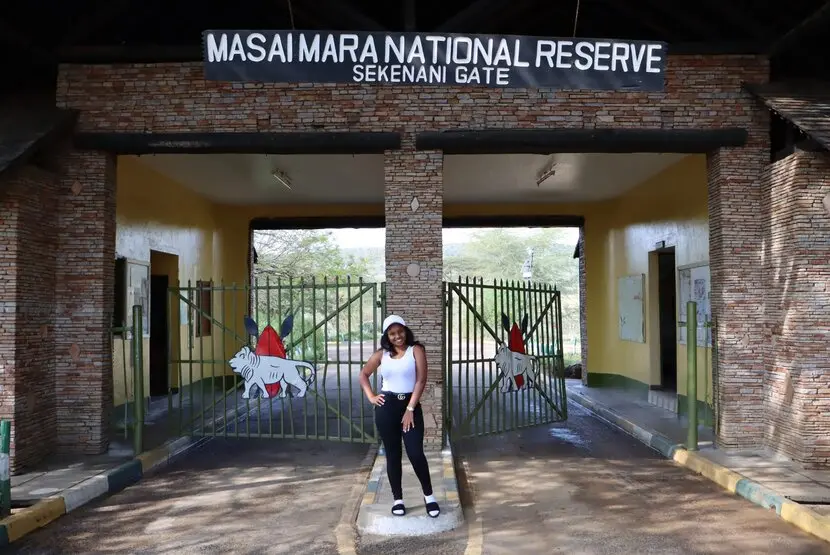
Maasai Mara National Reserve Entrance Fee: Updated 2026 Rates & Complete Guide
Find the latest Maasai Mara National Reserve entrance fee for international visitors, residents, and Kenyan citizens. Learn ticket prices, payment methods, park hours, and essential tips for planning your safari.
As the sun rises over the endless golden plains of the Maasai Mara National Reserve, casting a warm glow on herds of wildebeest thundering across the Mara River, it’s easy to forget the practicalities of your epic journey. But for savvy travelers planning a Kenya safari, one question tops the list: what is the current Maasai Mara entrance fee?
Whether you’re a first-time visitor chasing the Great Migration or a returning explorer seeking intimate encounters with the Big Five, understanding the Maasai Mara park fees is essential — these costs can significantly shape your budget once accommodation, game drives, and transport are added on top.
At Gorilla Nests Safaris, we’ve guided travelers through the Mara’s untamed beauty for years, and we know park entry fees Kenya aren’t just numbers — they’re the gateway to unforgettable wildlife spectacles.
This guide breaks down the current Maasai Mara entrance fee for non-residents, residents, and citizens, covering regional variations, vehicle and camping add-ons, payment methods, entry rules, seasonal value, comparisons to other Kenyan parks, and money-saving tips. We also cover how our expert-led packages bundle these fees in, so there are no surprises at the gate.
The Maasai Mara isn’t just a park — it’s a UNESCO World Heritage contender, home to over 95 mammal species and 570 bird species. Fees here are managed by Narok County rather than a centralized body, and 2026 brought a significant restructuring of the pricing itself, so it’s worth reading this update carefully even if you’ve researched Mara fees before.

Current Maasai Mara National Reserve Entrance Fee for 2026
Important update: Narok County Government significantly revised the Maasai Mara National Reserve entry fee structure for 2026, moving to a two-tier seasonal system rather than the smaller peak/low-season gap used in previous years.
Under the current schedule, non-resident adults pay USD 100 per person per day from January through June, rising to USD 200 per person per day from July through December — the higher rate coinciding directly with the Great Migration’s arrival in the Mara.
| Category | Jan–Jun 2026 (Low Season) | Jul–Dec 2026 (High Season) |
|---|---|---|
| Non-Resident Adult | USD 100 | USD 200 |
| Non-Resident Child/Student (9–17) | USD 50 | USD 50 |
| East African Resident Adult | KES 2,500 | KES 5,000 |
| Kenyan Citizen Adult | KES 1,500 | KES 3,000 |
| Kenyan Citizen Child (9–17) | KES 300 | KES 500 |
| Child Under 8/9 (all categories) | Free | Free |
Tickets are valid for a strict 12-hour window (6:00 AM to 6:00 PM), and non-resident children and students pay a flat USD 50 year-round regardless of season, while children under 8 enter free across every visitor category.
For a family of four non-residents visiting during the July–December high season, that works out to roughly USD 500 for a single day’s entry alone — a stark jump from prior years, which is exactly why bundling this into an all-inclusive Kenya safari package makes so much financial sense.
East African residents from Uganda, Tanzania, Rwanda, or Burundi continue to enjoy meaningfully discounted rates against the non-resident tier, while Kenyan citizens pay the lowest published rate as a matter of national accessibility policy.
According to the official Maasai Mara fee schedule, this new dual-season structure became fully effective at the start of 2026 and reflects Narok County’s broader ecosystem management plan for the reserve.
This table is your planning superpower — imagine arriving at the Talek Gate, passport in hand, knowing exactly what to expect rather than being surprised at the barrier. Fees aren’t uniform across the reserve’s 1,510 square kilometers, though, so let’s look at those regional differences next.
Fee Differences by Region: Navigating the Mara’s Divided Management
The Maasai Mara National Reserve isn’t governed by a single authority — it’s a mosaic of management zones, with fees varying to reflect local conservation investment.
Roughly 70% of the reserve falls under Narok County (the “main” Maasai Mara), while the western Mara Triangle is overseen separately by the Mara Conservancy.
Surrounding both are private and community conservancies such as Olare Motorogi and Naboisho, each with its own pricing structure.
Maasai Mara National Reserve (Narok County)
This is the heartland, accessed via gates like Sekenani or Ololaimutia. Maasai Mara county fees here follow the standard 2026 table above, with proceeds funding ranger salaries and Maasai community education initiatives that keep the land protected.
Mara Triangle Conservancy
On the edge of the Oloololo Escarpment, the Mara Triangle entrance fee generally tracks close to the main reserve rate but is managed and enforced independently by the Mara Conservancy, which invests heavily in anti-poaching technology including aerial patrols.
Families and photographers often favor this side for less crowded river crossings during migration season — enter via the Purungat Bridge for the smoothest access. In the Mara Triangle specifically, cash payment is not accepted at all; only cards and M-Pesa are permitted.
Community and Private Conservancies
Buffer zones like Maji Moto or Enonkishu charge their own Mara conservancy fees, typically ranging from roughly USD 80–150 per person per day depending on the specific conservancy — separate from, and usually in addition to, the main reserve fee if you also plan to enter the National Reserve itself.
These fees are often cheaper in practice for multi-day stays, since they’re commonly bundled into all-inclusive lodge rates. They’re ideal for luxury safari lodges in Maasai Mara seekers wanting to avoid the main reserve’s bustle entirely.
These differences stem from the Mara’s decentralized management model. At Gorilla Nests Safaris, we build itineraries across zones strategically — perhaps a day in Narok County for affordability, then time in a private conservancy for exclusivity — turning these fee variations into a genuine planning advantage rather than a source of confusion.
Vehicle and Camping Fees: The Hidden Add-Ons to Budget For
Entrance fees get you in, but your vehicle and accommodation come with their own charges. Here’s the breakdown on vehicle entry fee Mara rates and Maasai Mara camping fees for 2026.
Vehicle entry rates run roughly USD 15 for a standard 4WD vehicle per entry, with larger tour vans and minibuses charged at a higher tier. These are typically one-time daily fees regardless of passenger count, which makes group travel more cost-efficient per person.
Self-drivers should also budget for fuel — expect 20–30 liters on a full day of dusty game-drive detours — and remember that rangers strictly enforce a 40 km/h speed limit to protect grazing herds near the tracks.
Camping fees for 2026 range roughly from USD 30–50 per person per night at public campsites for non-residents, with special or private campsites running higher. A separate KES 10,000 private campsite booking fee applies on top of the nightly per-person rate.
Public sites remain first-come, first-served, so arriving early in the day is essential during peak season. At Gorilla Nests Safaris, our mobile camping packages absorb these fees seamlessly — picture pitching your tent as elephants amble by, dinner fireside with stories from our Maasai guides, all costs already accounted for.
Payment Methods Accepted: Going Cashless in the Savanna
Kenya’s push toward a digital economy is fully in effect at Mara gates. In the Mara Triangle, cash is strictly prohibited — cards and M-Pesa only. In the main Narok County side of the reserve, both cash (USD or KES) and cards are accepted, though online advance booking through the official Narok County or Mara Conservancy portals is strongly recommended to save time at the gate and avoid queues during peak migration months.
At Gorilla Nests Safaris, we take this a step further — our packages include zero-fee handling of all Maasai Mara ticket price logistics. Pay in USD or EUR via wire or card, and we settle the entry, vehicle, and camping fees on your behalf. No queues, no currency confusion — just wildlife.
Park Entry Rules That Affect Pricing: Know Before You Go
The Mara’s magic comes with rules designed to preserve it, and several tie directly into pricing. Here’s what matters most:
- Ticket validity: Strictly a 12-hour window, 6:00 AM to 6:00 PM. Staying beyond this requires an additional day’s fee.
- Re-entry conditions: Requires a fresh ticket for any new calendar day of entry; road departures must occur by 10:00 AM to avoid an extra charge, and the same applies to airstrip departures if flying out.
- Proof for discounted rates: Residents must present a valid East African passport, national ID, or work permit; Kenyan citizens need a national ID or Kenyan passport. Children may be asked to prove age at the gate.
- Non-resident documentation: A valid physical passport is required for entry at non-resident rates; without it, standard non-resident pricing applies regardless of actual residency status.
These rules exist partly to manage the intense crowding that builds during peak migration months, and partly to keep the reserve’s revenue model accurate and enforceable. Gorilla Nests Safaris equips every guest with prepped documentation and a pre-trip rules briefing, turning compliance into confidence rather than confusion at the gate.
Best Time to Visit Maasai Mara Based on Value: Timing Is Everything
Seasonality isn’t just about weather — under the new 2026 fee structure, it’s directly tied to cost. The best time to visit Maasai Mara now genuinely depends on how you weigh wildlife drama against entrance fees.
High season (July–December): Entry fees double to USD 200 per non-resident adult, but the payoff is real — the Great Migration delivers roughly 1.5 million wildebeest crossing crocodile-infested rivers, with July–August bringing dramatic river action and September–October bringing calving season and intense predator activity.
Crowds swell accordingly. For photographers and first-time visitors chasing the Migration specifically, this remains worth the premium.
Low season (January–June): Entry fees fall to USD 100 per non-resident adult — half the high-season rate — while still delivering strong birding (with over 400 species recorded), lush green landscapes, and newborn animals in the earlier months, plus concentrated wildlife around waterholes as the dry spell builds later in the window.
For budget-conscious travelers or those less fixed on witnessing a river crossing specifically, this is genuinely excellent value. Our full seasonal breakdown in the best month to do a safari in Kenya guide covers this in more depth across the whole country, not just the Mara.
Gorilla Nests Safaris builds low-season specials that combine the discounted entry fees with add-ons like hot-air balloon rides, often delivering meaningfully better overall value than a rushed high-season trip.
Comparison With Other Kenya Parks: Is the Mara Worth the Premium?
Kenya’s parks each offer distinct wildlife experiences, and fee levels vary considerably between them:
| Park | Non-Resident Adult Fee (approx.) | Unique Draw |
|---|---|---|
| Maasai Mara | USD 100–200 (seasonal) | Great Migration, Big Five density |
| Amboseli | ~USD 90–100 | Elephants against Kilimanjaro backdrops |
| Tsavo | ~USD 60–90 | Red elephants, vast open landscapes |
| Nairobi National Park | USD 80 | Urban wildlife proximity, day-trip friendly |
The Maasai Mara’s high-season fee now sits meaningfully above Amboseli’s and well above Nairobi National Park’s entrance fee, reflecting both its predator density and its status as the single best place on the planet to witness the Great Migration in person.
Gorilla Nests Safaris regularly crafts multi-park itineraries — pairing the Mara with Amboseli or a shorter Nairobi day trip — to help travelers experience Kenya’s icons without fee fatigue building up across a single long trip, and our safari combos page covers several ready-made multi-destination routes if you’d rather not plan the sequencing yourself.
FAQs – Maasai Mara National Reserve Entrance Fee
Is the Maasai Mara entrance fee charged per day? Yes — tickets are valid for a strict 12-hour window (6:00 AM–6:00 PM), and a fresh fee applies for each new calendar day of entry.
Are entrance fees included in safari packages? Often, yes. At Gorilla Nests Safaris, our Masai Mara safari tours cover entry, vehicle, and camping fees as standard — always confirm exact inclusions with any operator before booking.
Do children pay full price? No — non-resident children and students aged 9–17 pay a flat USD 50 year-round, while children under 8 or 9 (depending on category) enter free across the board.
How much has the Maasai Mara entrance fee changed for 2026? Significantly. The reserve moved from a smaller peak/low-season fee gap to a much wider two-tier system: USD 100 per non-resident adult from January–June, rising to USD 200 from July–December, roughly double the previous year’s headline rates during peak season.
Do lodge guests get reduced entrance fees? Not automatically — most lodges and conservancies negotiate their own group or bundled rates separately, and these vary by property rather than following a fixed discount.
Tips to Save Money on Your Maasai Mara Visit
- Travel in the low season (January–June) to pay half the high-season entrance fee while still enjoying strong wildlife viewing and excellent birding.
- Choose a community conservancy for exclusive access, particularly if you’re staying overnight, since fees are often bundled into your lodge rate.
- Book a shared or small-group safari rather than a fully private one to split vehicle costs efficiently — our small-group 3 Days Masai Mara Private Safari and longer 5 Days Maasai Mara Private Safari options are built with this in mind.
- Bundle your trip with a broader look at national parks in Kenya or a cheap private safari in Kenya extension to spread fee costs across a fuller itinerary rather than a single rushed day.
- Plan around the Great Migration deliberately — our guide to Great Migration animals breaks down exactly when the herds arrive, so you’re not paying peak-season fees without the payoff.
Ready to Roam? Book Your Mara Adventure with Gorilla Nests Safaris
You’ve now got a full picture of the cost to enter the Maasai Mara in 2026 — let’s make the rest of the trip effortless. At Gorilla Nests Safaris, we handle permits, entrance fees, transport, and guides with no hidden costs, whether you’re after a compact 4 Days Masai Mara Safari or a longer migration-timed adventure.
Our packages suit solo travelers, families, and luxury seekers alike, and every quote reflects the current 2026 fee structure so there are no surprises at the gate.
Contact us today to book an affordable Maasai Mara safari with entrance fees fully included, reliable 4×4 transport, and expert guides who know every corner of this extraordinary reserve. Your savanna story starts now — let’s plan it together.