

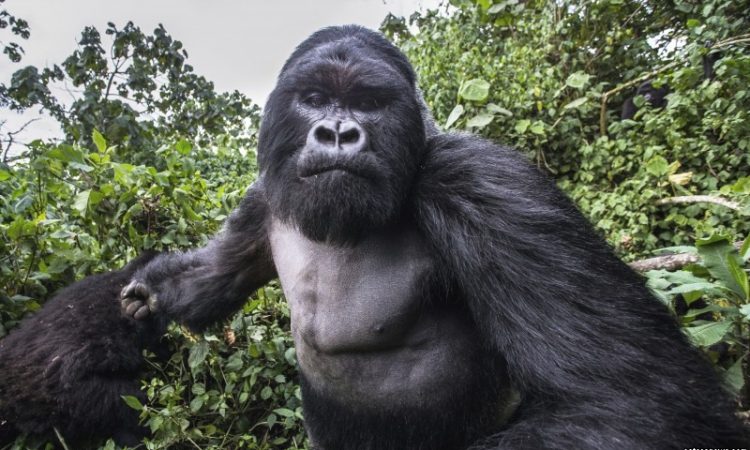
What Angers a Gorilla? Gorilla Aggression Triggers and Behavior Explained
What Angers a Gorilla: Gorillas are angered by threats, direct eye contact, loud noises, sudden movements, and getting too close to them or their family.
These gentle giants are not naturally aggressive, but they have strong protective instincts that can lead to defensive displays or, rarely, actual charges when they perceive danger.
Understanding gorilla aggression triggers and gorilla behavior is essential for safe wildlife encounters, especially during gorilla trekking in Uganda.
This comprehensive guide explores what provokes these powerful primates, how to recognize warning signs, and practical safety tips for responsible tourism.
Whether planning a Bwindi safari or simply curious about primate behavior, this knowledge helps foster respectful interactions with one of our closest relatives.
Brief Overview of Gorilla Behavior
Gorillas are generally calm and peaceful animals that spend their days foraging, resting, and socializing in family groups. As herbivores, they live in stable troops led by a dominant silverback, with females and their offspring. Their social structure emphasizes harmony, with aggression usually reserved for defense rather than random acts.
Gorilla behavior is largely non-confrontational. Most displays serve as communication or intimidation to avoid actual fights, which could injure group members.
Aggression is almost always defensive—triggered by perceived threats to the group, territory, or young—rather than unprovoked hostility.
This defensive nature makes them formidable when protecting their family but also explains why habituated gorillas in protected areas tolerate human visitors when rules are followed.
Mountain gorillas, found in the Virunga region including Uganda’s Bwindi Impenetrable National Park, have been studied extensively. Researchers like Dian Fossey highlighted their shy, reserved temperament toward humans when not provoked.
Main Things That Anger Gorillas
Several specific actions can trigger what angers a gorilla. Avoiding these is key to peaceful encounters.
Direct Eye Contact
Gorillas interpret prolonged or direct eye contact as a challenge or sign of dominance. In their social hierarchy, staring signals aggression or a bid for status. Tourists are advised to look away or downward to show submission and avoid escalating tension.
Sudden Movements
Quick, jerky motions can alarm gorillas, mimicking a threat or predator approach. This triggers an immediate alert response in the group, particularly the silverback. Slow, predictable movements are essential in their presence.
Loud Noises
Shouting, camera clicks (especially with flash), clapping, or unexpected sounds disturb their calm environment. Gorillas have sensitive hearing, and loud noises can signal danger, prompting defensive vocalizations or displays.
Getting Too Close
Invading their personal space is one of the strongest gorilla aggression triggers. Habituated groups are accustomed to humans at a distance, but crowding causes stress. This is why strict distance rules exist in trekking.
Threats to Infants or the Group
The strongest reaction comes from any perceived danger to babies or the troop. Mothers and silverbacks are highly protective. Approaching infants, making sudden gestures toward them, or actions that seem like interference can provoke intense defense.
Other triggers include rival males, predators like leopards, or intrusions from other gorilla groups. In human contexts, unhabituated gorillas or stressed individuals in captivity may react more strongly.
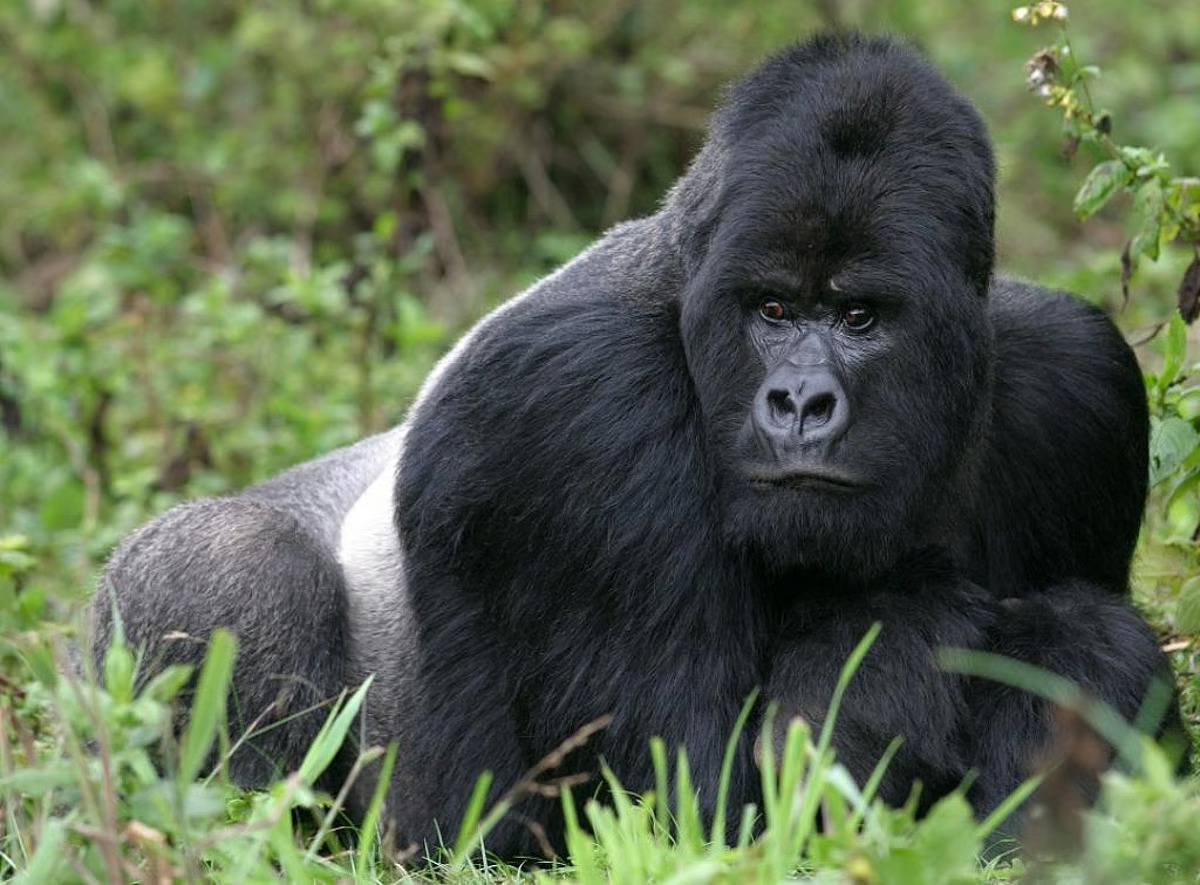
The Role of the Silverback
The silverback gorilla, the dominant mature male with graying back hair, is the group’s protector, decision-maker, and leader. He mediates conflicts, chooses feeding sites, and defends against external threats. His displays—such as chest beating—are often warnings meant to intimidate without immediate physical contact.
Silverbacks use their impressive size (up to 400+ pounds and standing over 5.5 feet) and strength to maintain order. While they can deliver powerful bites or charges, most aggression is ritualistic.
A silverback’s primary goal is group safety, not unnecessary confrontation. Younger males (blackbacks) may challenge him, but established silverbacks command respect through presence and displays.
Signs a Gorilla Is Getting Angry
Recognizing early warnings prevents escalation. Key indicators include:
- Chest beating: A classic display using air sacs for loud resonance. It signals strength, warns intruders, and can indicate excitement or agitation. It is honest signaling of body size.
- Charging (often bluff charges): The gorilla runs toward the threat but stops short. This is intimidation, not always an attack.
- Growling, hooting, or vocalizations: Alarm calls or roars communicate displeasure.
- Throwing vegetation or ground slapping: Redirected aggression or further warnings.
- Standing bipedally or intense staring: Showing size and dominance.
These behaviors are high-engagement spectacles but signals to back off respectfully.
What to Do If a Gorilla Gets Angry
Safety relies on calm, submissive behavior:
- Stay calm: Panic worsens the situation.
- Avoid eye contact: Look down or away.
- Do not run: Running triggers a chase response. Crouch low, appear smaller, and remain still.
- Follow your guide’s instructions: Experienced rangers know individual group dynamics.
- Back away slowly if directed, maintaining distance.
In rare cases of actual contact, protective postures (curling up) minimize injury. Attacks on humans are extremely uncommon, especially with habituated groups.
Gorilla Behavior During Trekking
Gorilla trekking in places like Bwindi Impenetrable National Park involves habituated groups accustomed to humans. These gorillas follow daily routines with minimal disruption when visitors adhere to protocols. One-hour visit limits and small groups (max 8) reduce stress.
Habituated gorillas exhibit natural behaviors—feeding, playing, resting—while tolerating observation. However, they retain wild instincts. Respectful tourism supports conservation, funding protection against poaching and habitat loss.
Gorilla Trekking Rules (Uganda Wildlife Authority Guidelines)
The Uganda Wildlife Authority (UWA) enforces strict rules for safety and conservation:
- Maintain a minimum 7-meter (21-foot) distance.
- No flash photography; keep voices low and avoid sudden noises.
- Do not eat, smoke, or drink near gorillas.
- Wash hands before trekking; no visits if ill (to prevent disease transmission).
- Minimum age: 15 years.
- Maximum 8 visitors per group per day.
- Follow ranger/guide instructions at all times.
These rules minimize what angers a gorilla and protect both parties. Permits support community development and anti-poaching efforts.
Quick Facts Table
|
Trigger |
Typical Reaction |
Why It Happens |
|
Direct eye contact |
Staring back, charging display |
Seen as dominance challenge |
|
Loud noise |
Alarm calls, chest beating |
Signals potential danger |
|
Close distance |
Bluff charge or agitation |
Personal space invasion |
|
Sudden movement |
Alert response, possible charge |
Mimics threat approach |
|
Threat to infants |
Strong protective aggression |
Family defense instinct |
FAQ: What Angers a Gorilla and Related Questions
Are gorillas dangerous?
Gorillas are not inherently dangerous. They are peaceful unless provoked. Habituated groups in trekking areas pose low risk when rules are followed.
Do gorillas attack humans?
Attacks are rare and usually defensive. Most “attacks” are bluff charges. Serious incidents are exceptional and often involve provocation or unhabituated gorillas.
Why do gorillas beat their chest?
Chest beating communicates strength, warns rivals, attracts mates, or expresses excitement/agitation. It is not always anger.
How do you avoid angering a gorilla?
Follow distance rules, stay quiet, avoid eye contact and sudden moves, and listen to guides. Respect their space and family.
Other common questions: What angers a gorilla most? Threats to the group. Can you outrun one? No—do not run.
Conclusion
Gorillas are magnificent, peaceful giants whose aggression is almost entirely defensive. By understanding gorilla aggression triggers, gorilla behavior, and respecting their space, we ensure safe, memorable encounters that support conservation.
Planning a gorilla trekking Uganda adventure? Responsible tourism helps secure the future of these endangered primates in Bwindi Impenetrable National Park and beyond. Contact us today to book a Uganda Gorilla Safari!
Respect their world, and they will share it peacefully. Book your ethical gorilla experience today and create memories that honor these incredible animals.