

7 Days Kenya Safari: Maasai Mara, Nakuru & Amboseli N.P
This 7 days Kenya safari delivers an unforgettable highlights tour, combining the vast savannahs of Maasai Mara National Reserve (famous for the Great Migration and predator action), the flamingo-fringed shores and rhino sanctuaries of Lake Nakuru National Park, and the elephant herds with dramatic Mount Kilimanjaro backdrops in Amboseli National Park.
Whether you’re a family seeking memorable wildlife encounters, a couple on a romantic adventure, or a photographer chasing golden-hour shots of Africa’s megafauna, this compact Kenya safari itinerary suits all.
With efficient road transfers (typically 4–7 hours between stops), you maximize game-viewing time without excessive travel fatigue. Kenya’s well-developed safari infrastructure, experienced guides, and year-round wildlife make it accessible yet wildly immersive.
This detailed 7 day Kenya safari guide includes a day-by-day breakdown, practical tips, accommodation options, packing advice, pricing insights, and FAQs—crafted from real travel experience to help you plan confidently.
Key Highlights – What Makes This Safari Special
- Big Five Experience: High chances across the parks—lions and leopards in Mara, rhinos in Nakuru, elephants in Amboseli, buffalo nearly everywhere.
- Great Migration (seasonal): July–October brings epic wildebeest drama in Maasai Mara.
- Kilimanjaro Views: Amboseli’s signature photographic backdrop.
- Diverse landscapes: Open plains, soda lakes, swamps, and Rift Valley escarpments.
- Short transfers keep the focus on wildlife, not long hauls.
Real insight: Unlike longer multi-country trips, this itinerary feels balanced—intense game viewing without exhaustion.
7 Days Kenya Safari Itinerary
Day 1: Arrive Nairobi.
Day 2-3: Maasai Mara game drives.
Day 4: Lake Nakuru (flamingos & rhinos).
Day 5-6: Amboseli (elephants & Kilimanjaro views).
Day 7: Return to Nairobi & depart.
7 days Kenya safari Day-by-Day Detailed Itinerary
Day 1: Arrival in Nairobi – Welcome to Kenya
Your Kenya safari begins upon landing at Jomo Kenyatta International Airport in Nairobi. A professional driver-guide from your chosen operator meets you with a warm welcome and private transfer to your hotel (usually 30–45 minutes depending on traffic).
Nairobi, Kenya’s vibrant capital, offers a gentle introduction. If your flight arrives early, opt for a short city tour: visit the Sheldrick Wildlife Trust elephant orphanage (where you can watch baby elephants play and feed), or explore the Giraffe Centre for up-close feeding experiences. These activities ease jet lag while connecting you to conservation efforts.
In the evening, relax at your Nairobi hotel. Enjoy a welcome dinner featuring Kenyan dishes like nyama choma (grilled meat) or ugali with vegetables. Overnight in Nairobi (e.g., mid-range: Tamarind Tree Hotel or similar; luxury: Fairmont The Norfolk).
Travel tip: Nairobi traffic can be heavy—rely on your guide for smooth navigation. Rest well; tomorrow’s scenic drive to the Mara awaits.
Day 2: Transfer to Maasai Mara – Scenic Rift Valley Drive
After breakfast, depart Nairobi for Maasai Mara National Reserve (approximately 270 km, 5–6 hours drive). The journey winds through the dramatic Great Rift Valley, with a viewpoint stop offering panoramic vistas of the escarpment dropping to the valley floor below.
En route, spot roadside wildlife like zebras or giraffes and soak in the changing landscapes—from fertile farmlands to acacia-dotted plains. Arrive at your lodge or camp in time for lunch and check-in.
In the afternoon, enjoy your first game drive in the Mara. This 1,510 km² reserve teems with plains game: vast herds of wildebeest, zebra, topi, and gazelle. Keep eyes peeled for the Big Five—lions lounging in the shade, buffalo wallowing in mud, and perhaps an elusive leopard in the trees.
Maasai Mara National Reserve forms the northern extension of the Serengeti ecosystem, making it a biodiversity hotspot. Overnight in Maasai Mara.
Day 3: Full Day Game Drive in Maasai Mara
Dedicate this day entirely to exploring Maasai Mara. Start with an early morning game drive (sunrise around 6:30 AM) when animals are most active—lions hunting, hyenas returning from nocturnal prowls, and birdsong filling the air.
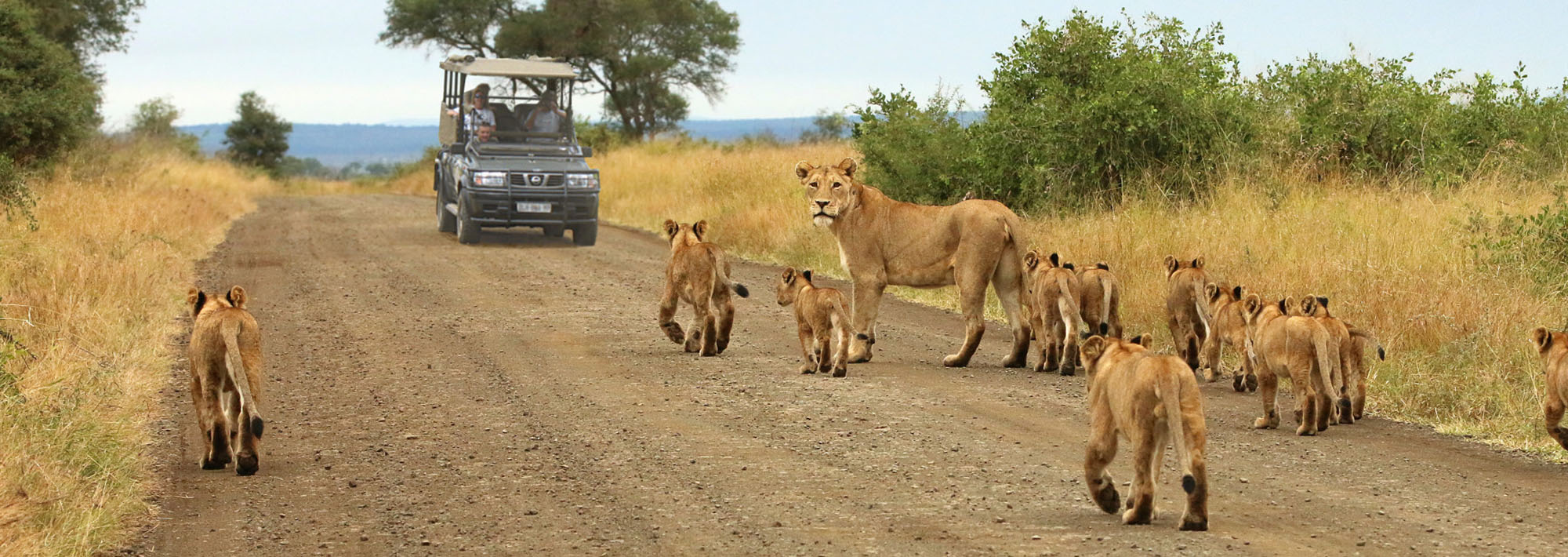
Expect thrilling sightings: prides of lions (Mara has one of Africa’s highest lion densities), cheetahs sprinting across plains, and massive elephant herds. During July–October, witness the Great Migration as 1.5 million wildebeest and zebras thunder across the plains, often crossing the crocodile-infested Mara River in dramatic scenes.
Optional add-on: A hot-air balloon safari at dawn (extra cost, ~$450–580 pp) provides a bird’s-eye view of the savannah, followed by a champagne bush breakfast—highly recommended for photographers and romantics.
Return for lunch and a siesta, then head out for a late afternoon drive. Sunset in the Mara paints the skies in fiery oranges, with silhouetted acacias and grazing animals. Your expert guide shares insights on animal behavior, ecology, and Maasai culture.
Pro tip: Game drives last 3–4 hours each; bring binoculars and a camera with zoom lens. Stay hydrated—dust can be an issue in dry months.
Day 4: Transfer to Lake Nakuru – Flamingos and Rhinos
Leave Maasai Mara after breakfast for Lake Nakuru National Park (approx. 220–290 km, 5–6 hours drive). The route passes through more Rift Valley scenery, offering chances to stop for photos.
Lake Nakuru, a shallow soda lake in the Rift Valley, shines for its staggering birdlife—often millions of lesser flamingos turning the shores pink—and as a rhino sanctuary. White rhinos (and sometimes black) graze openly here, alongside Rothschild’s giraffes, lions, leopards, and buffalo. Four of the Big Five appear regularly; the park’s compact size (188 km²) makes sightings efficient.
Arrive in the afternoon for a game drive around the lake. Watch flamingos filter-feed, hippos bask, and waterbucks roam. The park supports over 400 bird species, delighting ornithologists.
Overnight at Lake Nakuru (options inside or near the park for easy access).
Day 5: Transfer to Amboseli – Iconic Kilimanjaro Views
After a morning game drive or breakfast, drive to Amboseli National Park (approx. 300–410 km via suitable routes, 6–8 hours). The journey reveals varied Kenyan countryside.
Amboseli National Park (392 km²) earns fame for its large elephant herds and snow-capped Mount Kilimanjaro backdrop on clear days. Africa’s highest peak (5,895m) looms dramatically, especially at dawn or dusk, creating postcard-perfect scenes with elephants in the foreground swamps and acacia woodlands.
Afternoon game drive upon arrival: Spot huge tuskers, buffalo, zebra, and plains game. The park’s dust can create ethereal light for photography. Overnight in Amboseli.
Day 6: Full Day Game Drives in Amboseli
Immerse yourself in Amboseli’s magic with morning and afternoon game drives. This park excels for elephant viewing—family groups with calves drink from swamps while Kilimanjaro provides the ultimate scenic frame. Watch for hyenas, jackals, and over 400 bird species.
Photography shines here: golden light on elephants against the mountain, or herds crossing dusty plains. Your guide helps locate prime spots and explains conservation challenges like human-wildlife conflict.
Optional: Visit a Maasai village for cultural insights (extra fee, supports community projects). Relax at your lodge in the evening, perhaps with a sundowner overlooking the plains.
Travel insight: Amboseli’s flat terrain aids visibility, but afternoon clouds can obscure Kilimanjaro—early mornings often yield the best views.
Day 7: Return to Nairobi & Departure
Enjoy a final morning game drive in Amboseli if time allows, then transfer back to Nairobi (approx. 216 km, 4–4.5 hours). Arrive in time for optional shopping at markets for souvenirs like Maasai beads, carvings, or coffee.
Your guide drops you at the airport for your international departure. If your flight is late, extend with a city hotel stay.
This efficient loop minimizes backtracking while hitting Kenya’s top highlights.
End of the 7 days Kenya Safari
Tour Inclusions & Exclusions for the 7 Days Kenya Safari
Inclusions:
Private 4×4 safari vehicle, experienced driver-guide, all park fees, full board accommodation, airport transfers, and daily game drives.
Exclusions:
International flights, visa, tips, travel insurance, balloon safari, and personal expenses.
Best Time to Visit
- July–October: Peak for Maasai Mara migration, river crossings, and dry-season concentrations. Wildlife viewing excels, though prices and crowds rise.
- January–March: Excellent overall—calving season in Mara boosts predator action, fewer crowds, and good Kilimanjaro visibility. Dry conditions aid spotting.
- Shoulder months (June, November) offer value with lush scenery or transitional herds.
- Avoid long rains (April–May) if possible, though green-season photography can be rewarding.
Kenya delivers strong wildlife year-round due to varied ecosystems.
7 Days Kenya Safari Accommodation Options
Kenya offers excellent choices across categories:
- Budget: Tented camps or basic lodges outside gates (e.g., shared facilities, simple meals). Comfortable for first-timers; expect ~$150–250/day pp.
- Mid-range: Comfortable tented camps or lodges with en-suite bathrooms, good food, and prime locations (e.g., Ashnil Mara Camp, Lake Nakuru Lodge equivalents). Balances value and experience.
- Luxury: Premium lodges/camps with private plunge pools, fine dining, and butler service (e.g., &Beyond or similar in Mara/Amboseli). Expect personalized touches and conservation focus.
Camps vs Lodges: Tented camps feel immersive and closer to nature (canvas walls, night sounds); lodges provide more solid comfort and amenities. Many eco-friendly options support local communities. Book based on budget and preference—mid-range often suffices for outstanding safaris.
What to Pack for your 7 Days Kenya Safari
Pack light in soft duffel bags (charter flights sometimes apply limits, though this is road-based).
- Clothing: Neutral earth tones (khaki, beige, green) to blend in. Long-sleeved shirts/pants for sun/insect protection, layers for cool mornings/evenings, wide-brim hat, sunglasses, light fleece or windbreaker.
- Essentials: Binoculars (8×42 recommended), camera with zoom/telephoto, extra batteries/memory cards, reusable water bottle, sunscreen (high SPF), insect repellent, comfortable closed shoes for walks.
- Other: Malaria prophylaxis (consult doctor), personal medications, wet wipes, scarf for dust, power bank. Avoid bright colors or camouflage (reserved for military).
Laundry service is widely available at camps/lodges. Plastic bags are banned in Kenya—use alternatives.
Safari Vehicle Info
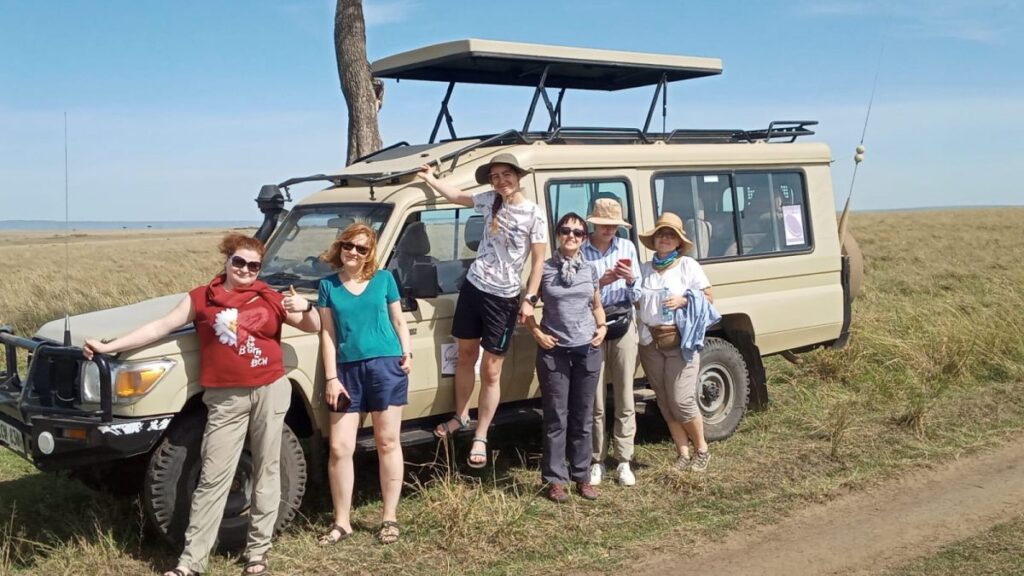
Expect a rugged 4×4 Toyota Land Cruiser—Kenya’s safari workhorse. These reliable vehicles feature a pop-up roof for 360° standing views during game drives, elevated seating, and large windows. They handle rough tracks effortlessly while offering comfort (often with charging ports and coolers).
Your English-speaking driver-guide doubles as spotter and naturalist, enhancing safety and knowledge. Private vehicles allow flexible pacing—stop for photos as long as you like. This setup builds trust through proven reliability on Kenya’s varied roads.
FAQs abou this 7 Days Kenya safari
How much does a 7-day Kenya safari cost?
Expect $2,000–$5,000+ pp sharing, varying by season and comfort. Mid-range private tours often fall around $2,500–$4,000.
Is Kenya safe for tourists?
Yes, especially safari areas like Maasai Mara, Nakuru, and Amboseli. Thousands visit annually without issue. Use reputable operators, follow guide advice, and exercise normal precautions in Nairobi (e.g., avoid walking alone at night). Parks maintain strong security; terrorism/crime risks remain low on standard tourist circuits.
What animals will I see?
High chances of the Big Five, plus cheetahs, giraffes, hippos, hyenas, and 400+ bird species. Mara excels for predators and migration; Nakuru for rhinos/flamingos; Amboseli for elephants and scenery.
When is the Great Migration?
Primarily July–October in Maasai Mara, peaking August–September for river crossings. Timing varies with rains—consult your operator closer to travel.
Additional questions? Inquire about visas (e-visa available), vaccinations (yellow fever if from endemic areas), or extensions to beaches or other parks.
Why Book With Us – Expertise You Can Trust
At Gorilla Nests Safaris , we craft Kenya safari itineraries with decades of on-ground experience. Our knowledgeable guides, well-maintained 4×4 Land Cruisers, and handpicked lodges ensure comfort, safety, and authentic encounters. We prioritize ethical tourism—supporting conservation and communities while delivering personalized service.
Real travelers rave about our attention to detail: flexible pacing, insider spotting tips, and seamless logistics. Whether first-time or repeat visitors, we turn dreams into lifelong memories.
Ready for your adventure?
Book now or customize this itinerary to match your dates, group size, or preferences (add balloon safaris, cultural visits, or extensions).
Contact us at Gorilla Nests Safaris today to secure your spot on this epic 7 days Kenya safari. Limited high-season availability—don’t miss the wildlife spectacle!
Explore more: Kenya safari packages, Best time to visit Kenya , Luxury safari lodges .
This Kenya highlights safari promises Big Five thrills, scenic wonders, and heartfelt connections to Africa’s wild heart. Safe travels—your Kenyan adventure awaits!