

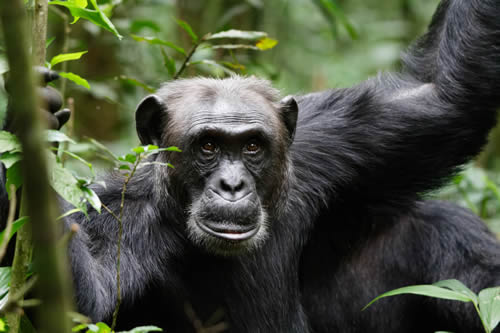
Uganda Primate Safaris: Gorilla & Chimpanzee Tours, Costs & Itineraries
Uganda primate safaris: Uganda is one of the best destinations in the world for primate safaris, offering unforgettable close encounters with mountain gorillas and chimpanzees in their natural rainforest habitats.
Whether you dream of trekking through misty forests to observe a silverback gorilla or watching chimpanzees swing through the canopy, Uganda delivers raw, immersive wildlife experiences that few places can match.
As a premier primate destination, Uganda stands out for its high primate diversity, affordable permits compared to neighbors, and the chance to combine gorilla and chimpanzee tracking in one trip.
With over 20 habituated gorilla families in Bwindi Impenetrable National Park and thriving chimpanzee communities in Kibale and Budongo forests, primate safaris here provide intimate, ethical encounters while directly supporting conservation.
What Are Primate Safaris?
Primate safaris are guided tours focused on tracking and observing primates in the wild. In Uganda, these experiences center on two iconic great apes: the endangered mountain gorilla and our closest living relatives, chimpanzees.
Treks involve hiking through dense forests with experienced rangers and trackers, following fresh signs like footprints, dung, and broken vegetation until you locate the group.
Unlike traditional game drives, primate safaris are active and immersive. You spend limited time (usually one hour) with habituated animals to minimize disturbance.
Many tours also include other primates such as colobus monkeys, mangabeys, and baboons, plus rich birdlife and forest flora. These safaris appeal to wildlife enthusiasts, photographers, and adventure travelers seeking meaningful connections with nature.
Top Primate Safari Destinations in Uganda
Gorilla Trekking
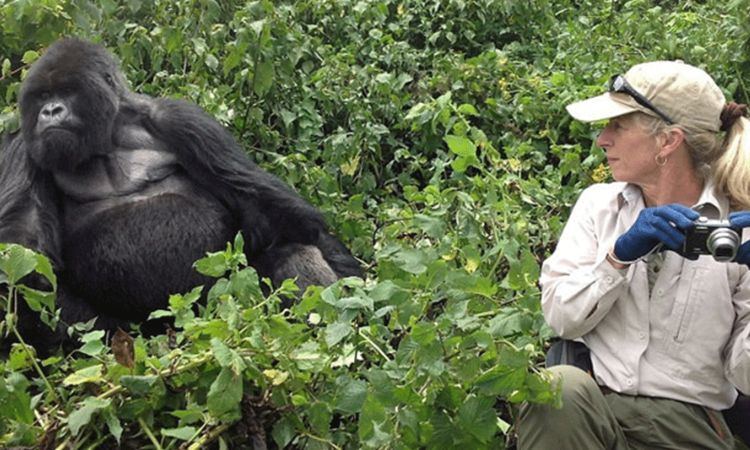
Bwindi Impenetrable National Park — The heart of Uganda gorilla trekking. This ancient rainforest, a UNESCO World Heritage Site, is home to roughly half the world’s mountain gorillas (part of the global population of about 1,063 individuals). Bwindi offers four main sectors: Buhoma (north), Ruhija (east), Rushaga, and Nkuringo (south). Each sector has multiple habituated families, giving visitors more flexibility in booking.
Mgahinga Gorilla National Park — Smaller and located in the Virunga Mountains near the Rwanda and DRC borders. It hosts one habituated gorilla group and offers stunning volcanic landscapes. Golden monkey trekking is also available here.
Chimpanzee Tracking
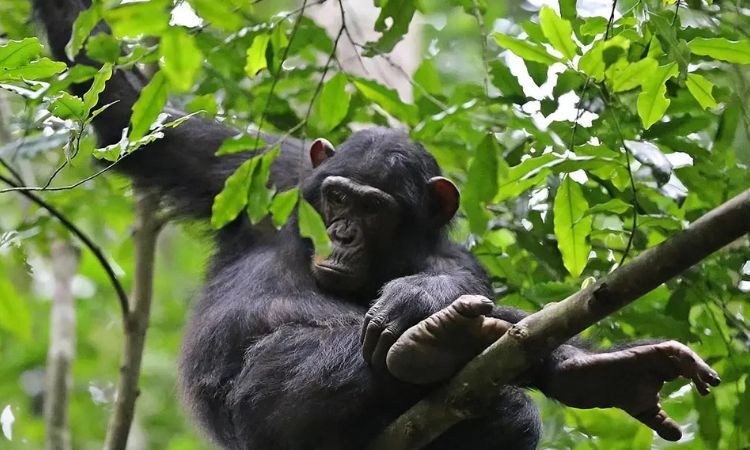
Kibale Forest National Park — Known as the “Primate Capital of the World,” Kibale boasts the highest primate density in East Africa, including around 1,500 chimpanzees. The forest’s diverse habitats make it excellent for seeing multiple monkey species in a single day.
Budongo Forest — Part of Murchison Falls National Park area, Budongo is one of Uganda’s oldest rainforests and home to large chimpanzee communities. It provides a more intimate, less crowded tracking experience with excellent birdwatching opportunities.
Other notable spots include Kyambura Gorge in Queen Elizabeth National Park and Kalinzu Forest for additional chimpanzee encounters.
Types of Primate Safaris
Uganda offers flexible options to suit different budgets and interests:
- Gorilla Trekking Safaris — Focus on one or more gorilla encounters, often combined with forest walks or community visits.
- Chimpanzee Tracking Tours — Shorter and more affordable, ideal as a standalone or add-on.
- Combined Primate Safaris — The most popular choice, pairing gorilla trekking in Bwindi with chimpanzee tracking in Kibale for a complete great ape experience.
- Luxury vs Budget Options — Luxury tours feature private vehicles, high-end lodges, and fly-in transfers. Budget options use shared transfers, mid-range or basic camps, and overland travel.
Habituation experiences (longer time with gorillas or chimps) are available in select areas for those wanting deeper immersion.
Sample Uganda Primate Safari Itineraries
Here are popular examples (prices are approximate per person, excluding international flights; contact Nature Safaris Africa for customized quotes):
3-Day Gorilla Trekking Safari
- Day 1: Transfer from Entebbe or Kigali to Bwindi (Buhoma or Rushaga sector).
- Day 2: Gorilla trekking — early briefing, hike into the forest, one magical hour with the gorillas. Afternoon forest walk or community visit.
- Day 3: Optional second trek or departure.
Ideal for short trips; mid-range cost around $1,800–$2,500 including permit.
5-Day Gorilla + Chimpanzee Safari
- Day 1–2: Arrive and transfer to Kibale Forest. Chimpanzee tracking + Bigodi wetland walk for more primates and birds.
- Day 3: Drive to Bwindi Impenetrable National Park.
- Day 4: Full-day gorilla trekking experience.
- Day 5: Departure or optional extension.
This balanced itinerary highlights both great apes; expect $2,800–$4,200 mid-range.
7–10 Day Primate & Wildlife Safari
Extend with Queen Elizabeth National Park for tree-climbing lions and boat safaris, or Murchison Falls for chimpanzees in Budongo plus game drives and the dramatic waterfall. Add golden monkey trekking in Mgahinga for variety. These longer trips allow deeper exploration and cost $4,500–$7,500+ depending on style.
All itineraries can be tailored with private guides, luxury lodges, or photographic focus. Book your Uganda primate safari with Nature Safaris Africa for seamless planning and expert local knowledge.
Cost of Uganda Primate Safaris 2026
Permits form the biggest single expense but support conservation directly:
- Gorilla Trekking Permit: $800 per person for foreign non-residents (standard 1-hour trek). Low season (April, May, November) may offer discounts to $600 in some periods. Habituation experience: $1,500. Foreign residents pay $700; East Africans much less.
- Chimpanzee Tracking Permit: $200–$250 in Kibale (foreign non-residents); lower in Budongo (~$120–$130). Habituation options around $300–$400.
Additional costs:
- Accommodation: Budget $80–$150/night; mid-range $200–$400; luxury $500+.
- Transport: Private 4×4 transfers or domestic flights (Entebbe to Kihihi or Kisoro).
- Guide, meals, park fees, and tips.
A complete 5-day mid-range gorilla + chimp safari typically totals $3,000–$4,500 per person. Luxury fly-in versions can reach $6,000+. Uganda remains more affordable than Rwanda (where gorilla permits cost $1,500).
Best Time to Go
Uganda is visitable year-round, but timing affects comfort and crowds:
- Dry Seasons (June–September and December–February): Best overall. Firmer trails, less mud, easier trekking, and better photography. These are peak periods with higher demand for permits and lodges.
- Wet Seasons (March–May and October–November): Lush greenery, fewer tourists, lower lodge rates, and sometimes discounted permits. Trails can be slippery and muddy, but gorilla sightings remain excellent.
For combining with other activities (like the wildebeest migration in Tanzania), June–September works well.
What to Expect on a Primate Safari
Trekking starts early (briefing around 7–8 AM). Hikes last 1–6+ hours depending on the group’s location and terrain — expect steep, muddy paths, dense vegetation, and altitude (1,500–2,600m in Bwindi). Rangers track the animals daily, so success rates are very high.
Once located, you spend one hour observing and photographing from a safe distance (about 7 meters). Gorillas are calm and curious; chimpanzees are energetic and vocal. Strict rules apply: no flash photography, no eating, stay quiet, and follow ranger instructions for safety and animal welfare.
What to Pack
Essential items include:
- Sturdy waterproof hiking boots with good grip
- Rain jacket and trousers (poncho useful)
- Long-sleeved shirts, trousers, and gloves for protection against nettles and insects
- Insect repellent and sunscreen
- Binoculars, camera with zoom lens, and extra batteries
- Daypack, reusable water bottle, energy snacks, and a walking stick (porters can provide or carry bags)
Dress in earthy tones to blend in.
Travel Tips
- Book permits early — especially for peak dry season; they sell out months in advance.
- Hire a porter — for $15–$20; they carry your bag and support local communities.
- Stay physically fit — treks can be demanding, but porters and rangers assist those who need help. No age limit under 15 for gorilla trekking.
- Choose a reputable operator like Nature Safaris Africa for reliable logistics, ethical practices, and support for conservation projects.
- Get travel insurance covering medical evacuation and trip cancellation.
Why Choose Uganda for Primate Safaris
Uganda offers excellent value with gorilla permits roughly half the price of Rwanda’s while providing more families and a wilder, more adventurous forest experience.
The country boasts exceptional primate diversity — over 20 species — and the opportunity to combine great ape tracking with classic savanna wildlife in parks like Queen Elizabeth.
Permits and tourism revenue fund anti-poaching, habitat protection, and community development, making your visit a direct contribution to conservation.
The authentic, less commercialized feel in many areas creates deeper connections with both wildlife and local cultures.
Accommodation Options
- Luxury Lodges: Elegant properties like Buhoma Lodge, Sanctuary Gorilla Forest Camp, or Clouds Mountain Gorilla Lodge offer fine dining, spa services, and prime forest locations.
- Mid-Range Lodges: Comfortable options such as Gorilla Safari Lodge or Kibale Forest Camp provide excellent value with good food and views.
- Budget Camps: Simple but clean tented camps and guesthouses suit adventurous travelers while still supporting local economies.
Many lodges participate in community projects, ensuring tourism benefits residents living near the parks.
Uganda vs Rwanda vs Congo: Quick Comparison
|
Aspect |
Uganda |
Rwanda |
Congo (DRC) |
|
Gorilla Permit |
$800 (more available) |
$1,500 |
Lower but logistics challenging |
|
Terrain |
Dense, steep, adventurous |
Shorter, often easier hikes |
Remote, variable |
|
Chimpanzee Access |
Excellent (Kibale, Budongo) |
Good (Nyungwe) |
Limited |
|
Overall Safari Variety |
High (wildlife + primates) |
Focused on gorillas |
High potential but infrastructure limited |
|
Best For |
Value, adventure, combined trips |
Convenience, luxury |
True wilderness seekers |
Uganda wins for most travelers seeking a balanced, cost-effective primate safari with added wildlife diversity.
FAQ- Uganda Primates Safari
How much is a gorilla safari in Uganda?
A 3–5 day gorilla-focused trip starts around $1,800–$4,500 per person including the $800 permit, accommodation, and transfers. Combined gorilla + chimpanzee safaris cost more depending on duration and style.
Is gorilla trekking safe?
Yes — gorillas are generally gentle and habituated. Rangers carry firearms for protection against forest elephants or buffalo. Follow rules, maintain distance, and you’ll have a safe, rewarding experience. Children under 15 are not permitted for gorilla trekking.
How difficult is chimpanzee tracking?
Usually easier and shorter than gorilla treks, with hikes ranging from 30 minutes to a few hours. Kibale’s terrain is hilly but manageable for most fitness levels.
How many days do I need for a Uganda primate safari?
3–4 days minimum for one activity; 5–7 days ideal for gorilla + chimpanzee; 8–12 days for a fuller wildlife and cultural experience.
Can I see other primates?
Absolutely — expect to encounter black-and-white colobus, red-tailed monkeys, grey-cheeked mangabeys, and more.
When should I book?
At least 3–6 months in advance for peak season gorilla permits.
Uganda primate safaris offer life-changing moments — the deep gaze of a silverback, the playful antics of chimpanzees, and the thrill of walking ancient forests. These experiences not only create lasting memories but also play a vital role in protecting these intelligent, endangered species for future generations.
Ready to embark on your own adventure? Book your Uganda Primate Safari with us today. Our expert team will craft a personalized itinerary, secure your permits, and ensure a safe, responsible journey.
Reach out via WhatsApp or our inquiry form to start planning your 2026 gorilla and chimpanzee encounter in the Pearl of Africa.