

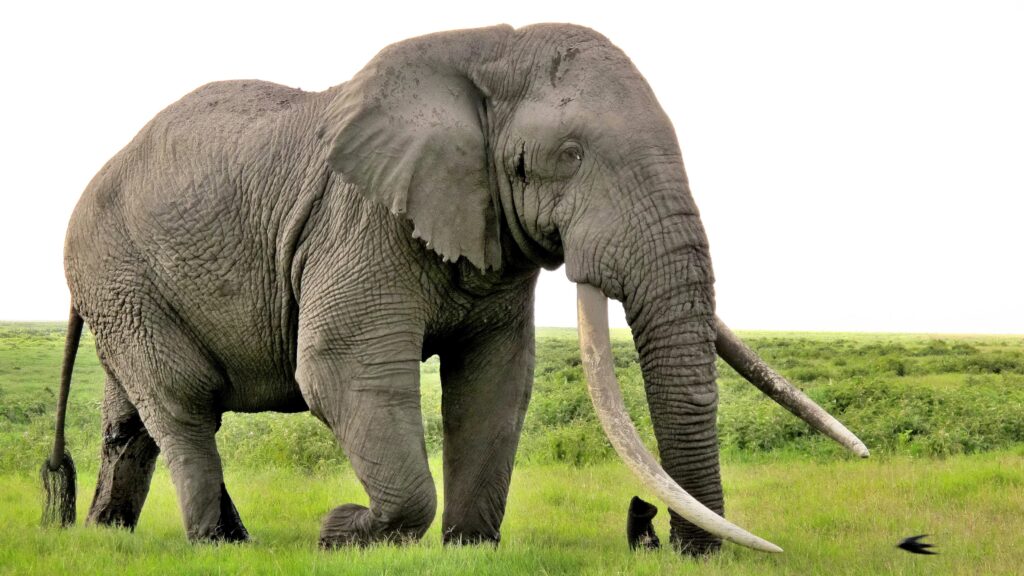
How Much Does an Elephant Weigh? Average Weight by Species
How Much Does an Elephant Weigh: Elephants typically weigh between 2,000 kg and 6,000 kg (about 4,400 to 13,200 pounds), depending on the species, sex, age, and environment.
African bush (savanna) elephants are the heaviest, while Asian elephants (also called Indian elephants) are generally lighter.
As the largest land animals on Earth, elephants are true giants—but their weight varies widely. These majestic creatures command respect not just for their size but for their intelligence, social bonds, and ecological importance.
Whether you’re planning a safari in Africa or simply curious about these gentle giants, understanding elephant weight reveals fascinating insights into their biology and survival.
Elephant Weight by Species
Elephant weight differs significantly across the three main species: the African bush elephant (Loxodonta africana), the African forest elephant (Loxodonta cyclotis), and the Asian elephant (Elephas maximus).
African Bush (Savanna) Elephants
These are the largest living land animals. Under optimal conditions:
- Adult males: Average 5,200–6,900 kg (11,500–15,200 pounds or about 5.7–7.6 tons), with some reaching up to 10,000+ kg. Shoulder height often 3.0–3.4 meters.
- Adult females: Average 2,600–3,500 kg (5,700–7,700 pounds or about 2.9–3.9 tons).
The heaviest recorded African bush elephant, shot in Angola in 1974, stood 3.96 meters at the shoulder and weighed an estimated 10.4 tonnes (about 23,000 pounds or 10,400 kg). Some reports cite specimens up to 12 tons (24,000+ pounds).
African Forest Elephants
Smaller and adapted to dense rainforests:
- Adults typically weigh 1,700–6,000 kg (3,700–13,200 pounds), with many around 2,700–4,500 kg. They stand shorter, around 2.4–3.0 meters at the shoulder.
Asian (Indian) Elephants
Slightly smaller than African bush elephants:
- Adult males: Average 3,000–5,000 kg (6,600–11,000 pounds or about 3.3–5.5 tons), up to 6,000+ kg in exceptional cases.
- Adult females: Average 2,000–3,000 kg (4,400–6,600 pounds).
Asian elephants, including the Indian subspecies, have smaller ears and a more rounded back compared to their African relatives.
|
Species |
Male Weight (kg) |
Female Weight (kg) |
Notes |
|
African Bush |
5,200–6,900+ |
2,600–3,500 |
Largest land animal |
|
African Forest |
2,700–4,500+ |
Smaller |
Forest-adapted, straighter tusks |
|
Asian (Indian) |
3,000–5,000+ |
2,000–3,000 |
Smaller ears, often domesticated historically |
How much does an elephant weigh in tons? African bush males average 6+ tons; Asian around 4–5 tons. No, an elephant is not 1 ton—that would be far too light (roughly the weight of a small car).
Male vs Female Weight Differences
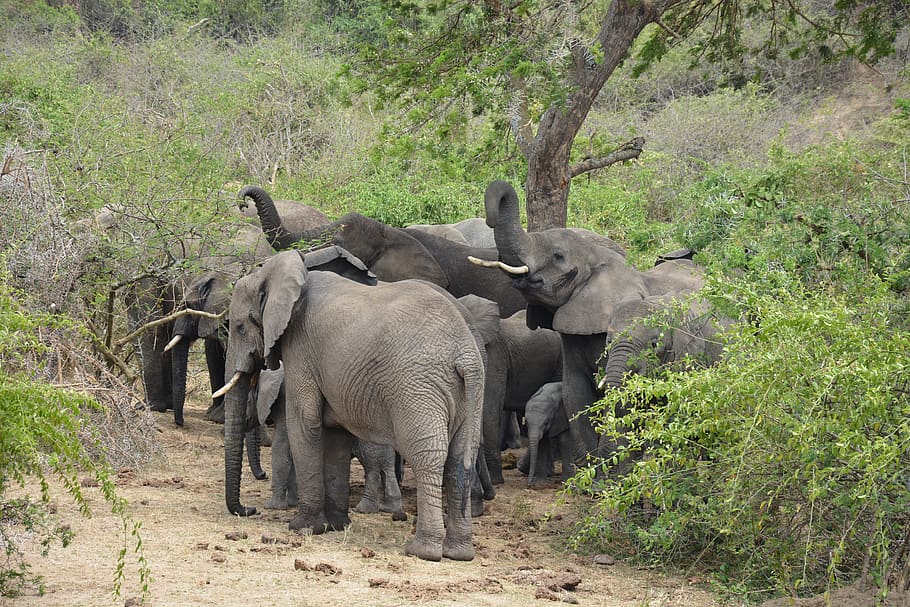
Males (bulls) are significantly heavier and taller than females (cows), often by 20–50% or more in mass. This sexual dimorphism appears early but becomes pronounced as males continue growing into their 40s, while females reach full size around 25 years.
Genetics, nutrition, and competition for mates drive these differences—larger bulls have advantages in musth (a period of heightened aggression and mating activity).
Males may weigh nearly twice as much as females in the same population. For example, a large African bush bull can exceed 6,000 kg, while cows rarely surpass 3,500 kg under typical conditions.
Elephant Size Comparison
To grasp how heavy an elephant is, compare it to everyday objects and animals:
- Vs. cars: An average sedan weighs about 1,500–2,000 kg. A large male African elephant equals 3–4 cars in weight. Some bulls match or exceed the weight of a small truck.
- Vs. humans: An average adult human weighs 60–80 kg. A male elephant is 50–100 times heavier. Even a baby elephant outweighs most people.
- Vs. other animals: Elephants dwarf hippos (up to 1,800 kg), rhinos (up to 2,300 kg), and giraffes (up to 1,900 kg). They are the undisputed heaviest land animal in the world.
An elephant’s massive legs support this bulk like living pillars, while their trunk—a versatile “arm” weighing over 100 kg in adults—handles tasks from drinking to uprooting trees.
How Much Does a Baby Elephant Weigh?
Baby elephants (calves) are impressively large at birth, thanks to a 22-month gestation—the longest of any mammal.
- Birth weight: 90–120 kg (200–264 pounds) on average, with some African calves up to 165 kg. They stand about 1 meter (3 feet) tall—roughly waist-high to an adult human.
- Growth rate: Calves gain about 0.5–1 kg per day initially from rich mother’s milk. They double their birth weight in months and continue rapid growth for years. By age 2–3, they may weigh several hundred kilograms.
Baby elephant weight in kg starts at ~100 kg and climbs quickly. Calves can stand and walk within hours of birth, staying close to their mothers and the protective herd.
What Affects Elephant Weight?
Several factors influence an elephant’s weight:
- Diet: As herbivores, they consume 150–300+ kg of vegetation daily (grass, leaves, bark, fruits, roots). Poor forage in dry seasons can limit growth.
- Age: Weight increases steadily until skeletal maturity (around 25–40 years).
- Habitat and nutrition: Abundant resources lead to larger individuals.
- Health and genetics: Disease, parasites, or injury reduce weight; strong genetics support maximum size.
- Sex and species: As noted, males and African bush elephants top the scales.
Daily food intake reaches 149–169 kg or more (330–375+ pounds), and they drink 100–200 liters (25–50+ gallons) of water per day—sometimes up to 190 liters. They spend 12–18 hours feeding.
Habitat & Weight Connection
Environment strongly shapes size. Savanna (bush) elephants in open grasslands like the Serengeti or Kruger National Park access abundant grass and grow larger. Forest elephants in dense Central African or Ugandan rainforests (e.g., Bwindi, Kibale) are smaller and more compact for navigating thick vegetation.
In Uganda, savanna elephants dominate parks like Queen Elizabeth, Murchison Falls, and Kidepo Valley, where they can reach impressive sizes with plentiful resources.
Smaller forest elephants appear in pockets like Semuliki or corridors from the DRC. Uganda hosts around 5,000 elephants, mostly in protected areas, though populations face pressure from habitat fragmentation.
Rich habitats support heavier weights; degradation leads to smaller, undernourished animals.
Elephants in Uganda
Uganda offers excellent opportunities to observe elephants in the wild. In savanna parks, large herds gather at waterholes, showcasing the full range of sizes—from tiny calves to massive bulls.
Queen Elizabeth National Park’s Ishasha sector and Murchison Falls are prime spots. Forest elephants in western Uganda highlight the species’ adaptability. Local conservation efforts by the Uganda Wildlife Authority (UWA) help maintain these populations, supporting both tourism and biodiversity. Seeing an elephant weighing several tons up close during a safari underscores their power and vulnerability.
Conservation & Weight Trends
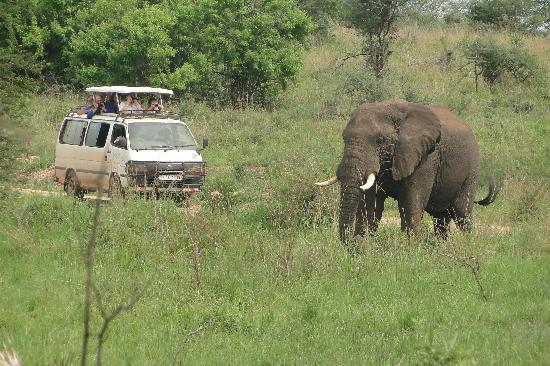
Habitat loss, poaching for ivory, and human-elephant conflict threaten elephants. Fragmented landscapes limit access to quality food, stunting growth and reducing average weights. Poaching removes large-tusked (often larger) individuals, altering genetics over generations.
Organizations like the World Wildlife Fund (WWF) work on habitat protection, anti-poaching, and community programs. In Uganda, efforts focus on corridors and conflict mitigation.
Healthy populations in protected areas still produce impressive specimens, but overall trends show pressure on size and numbers.
Quick Facts
- Heaviest elephant weight: Estimated 10.4–12 tons (23,000–24,000+ pounds) for a record African bull.
- Daily food: 150–300+ kg (330–660+ pounds) of vegetation.
- Water: Up to 200 liters (50 gallons) per day.
- Lifespan: 60–70 years in the wild.
- Is an elephant 1 ton? No—far heavier (minimum several tons for adults).
- How heavy is the heaviest elephant? Over 10 tonnes for verified large bulls.
How much does a male elephant weigh? Typically 4,000–7,000+ kg depending on species and conditions.
FAQ – How much does a elephant weigh
How much does the biggest elephant weigh?
The heaviest recorded was an African savanna bull estimated at around 10.4–12 tons (10,400–12,000+ kg or 23,000–24,000+ pounds).
How much does a baby elephant weigh?
90–120 kg (200–264 pounds) at birth, sometimes higher.
Are African elephants heavier than Asian elephants?
Yes—African bush elephants are noticeably larger and heavier on average than Asian (Indian) elephants.
How fast do elephants grow?
Rapidly in the first years (gaining ~0.5 kg/day initially), reaching maturity over decades. Full weight potential takes 25–40 years.
How much does an elephant weigh in pounds/kg/tons?
Varies by species: African bush males ~11,500–15,000+ pounds (5,200–6,900+ kg, 5.7–7.6+ tons); Asian lighter.
Ready to Witness These Gentle Giants in the Wild?
Now that you know exactly how much an elephant weighs — from the massive 6,000+ kg African bush bulls to the adorable 90–120 kg baby elephants — imagine standing just meters away as a herd of these living giants moves across the savanna, drinks from the river, or playfully interacts with their young.
In Uganda, you can experience this magic firsthand. Queen Elizabeth National Park, Murchison Falls National Park, and Kidepo Valley offer some of the best elephant viewing opportunities in East Africa, where you can observe large herds in their natural habitat — often alongside buffaloes, hippos, and other incredible wildlife.
At Gorilla Nests Safaris, we specialize in creating unforgettable, responsible wildlife experiences across Uganda. Whether you want a classic elephant safari combined with game drives and boat cruises, or a longer adventure that also includes gorilla trekking and chimpanzee tracking, our expert guides will take you to the heart of the action.
See the elephants of Uganda with us — feel the ground tremble as a 5-ton bull walks by, watch calves learning from their mothers, and create memories that will last a lifetime.
Book your Uganda elephant safari today and turn your curiosity about these majestic animals into an extraordinary real-life adventure.