
Why visit Uganda, what are the major attractions?
Why visit Uganda: Uganda is worth visiting because it packs more wildlife diversity into a small area than almost anywhere on Earth, most famously as one of only three countries where you can trek endangered mountain gorillas.
Winston Churchill nicknamed it “the Pearl of Africa” over a century ago, and the name has held up: within a few hours’ drive you can go from gorilla trekking in an ancient rainforest to watching tree-climbing lions, cruising a channel packed with hippos and elephants, and white-water rafting the source of the Nile.
It’s also more affordable than neighboring safari destinations, with a Uganda gorilla permit costing USD 800 against Rwanda’s roughly USD 1,500.
Here’s a full breakdown of Uganda’s major attractions, organized by what you’re looking for.
Uganda at a Glance
| Nickname | The Pearl of Africa |
| Mountain gorilla population | About 1,063 left in the wild worldwide; roughly half live in Uganda |
| Bird species | Over 1,000, including the prehistoric-looking shoebill stork |
| Gorilla permit cost | USD 800 per person (about half of Rwanda’s price) |
| Top draw | Bwindi Impenetrable National Park, a UNESCO World Heritage Site |
| Highest point | Mount Rwenzori, 5,109 m, on the Uganda–DRC border |
The Major Attractions You Shouldn’t Miss
1. Mountain Gorilla Trekking in Bwindi Impenetrable National Park
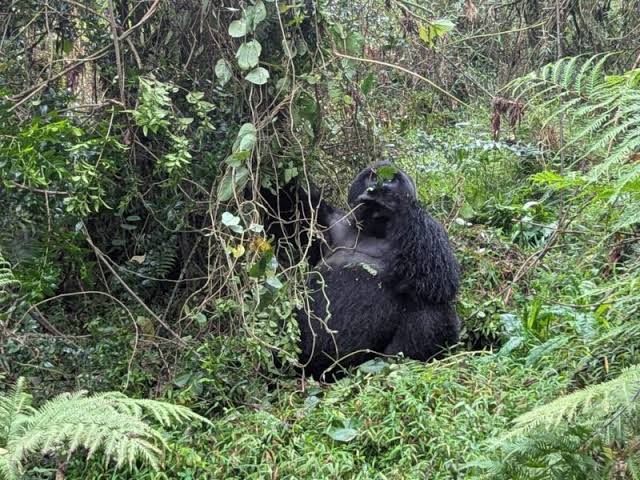
This is Uganda’s single biggest draw, and for good reason. Bwindi Impenetrable National Park, a UNESCO World Heritage Site in the southwest, is home to roughly half the world’s remaining mountain gorillas. A trek brings you face to face with a habituated gorilla family for one full hour, an experience most visitors describe as life-changing.
- Standard trekking: one hour with a habituated family, permit USD 800. See silverback gorilla tours packages and Bwindi gorilla permit cost.
- Gorilla habituation experience: a full day, not one hour, with a family still being acclimated to humans, available only in Bwindi’s Rushaga sector. See the 3 Days Gorilla Habituation Experience.
- Budget options: shorter, lower-cost itineraries are available too; see budget gorilla trekking tours in Uganda.
Mgahinga Gorilla National Park, in Uganda’s southwestern corner, is the second location where gorilla permits are issued, alongside golden monkey tracking nearby.
2. Chimpanzee Trekking in Kibale Forest
Kibale Forest National Park holds over 1,500 chimpanzees, giving it the highest density of primates in East Africa and arguably the best chimp-trekking odds on the continent. Many visitors pair it directly with gorilla trekking. See chimpanzee tracking Uganda, chimpanzee permit costs in Uganda, and the popular 4 Days Gorillas & Kibale Chimpanzees itinerary.
A gentler chimp encounter, better suited to families, is Ngamba Island Chimpanzee Sanctuary on Lake Victoria, a rescue and rehabilitation centre a short boat ride from Entebbe.
3. Queen Elizabeth National Park: Tree-Climbing Lions and the Kazinga Channel
Queen Elizabeth National Park is Uganda’s most biodiverse savanna park, famous for the rare tree-climbing lions of Ishasha, a behavior seen in very few lion populations worldwide.
A boat cruise on the Kazinga Channel, connecting Lakes George and Edward, is one of Africa’s best wildlife-viewing experiences, with hippos, elephants, buffalo, and crocodiles gathering along the shoreline, plus over 600 bird species. Read more about the Kazinga Channel and browse the 2 Days and 4 Days Queen Elizabeth itineraries.
4. Murchison Falls National Park: The Nile’s Most Dramatic Squeeze
At Murchison Falls, the entire Nile River is forced through a gap just 7 metres wide before plunging 43 metres, creating one of the most powerful waterfalls on the continent. Uganda’s largest national park surrounding it delivers classic savanna game drives, elephants, lions, giraffes, and a launch cruise to the base of the falls. See the 2 Days and 3 Days Murchison Falls safaris and Murchison Falls accommodation options.
5. Lake Mburo National Park: Uganda’s Underrated Small Park
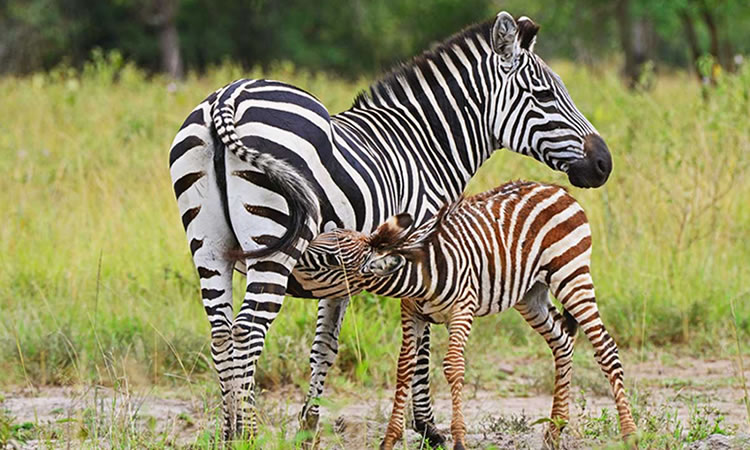
The closest savanna park to Kampala and Entebbe, Lake Mburo National Park is compact, uncrowded, and one of the only Ugandan parks where you can walk or cycle among zebras and antelope. Boat safaris on the lake add hippo and bird sightings, making it a popular add-on for shorter itineraries.
6. Rwenzori Mountains: The “Mountains of the Moon”
Rising to 5,109 metres on the Uganda–DRC border, the Rwenzori Mountains are a UNESCO World Heritage ecosystem of glaciers, bizarre giant heathers, and near-total solitude, a serious multi-day trek for hikers who want Africa beyond the classic safari. It’s one of the continent’s most underrated trekking destinations precisely because so few visitors make it there.
7. Jinja: Adrenaline at the Source of the Nile
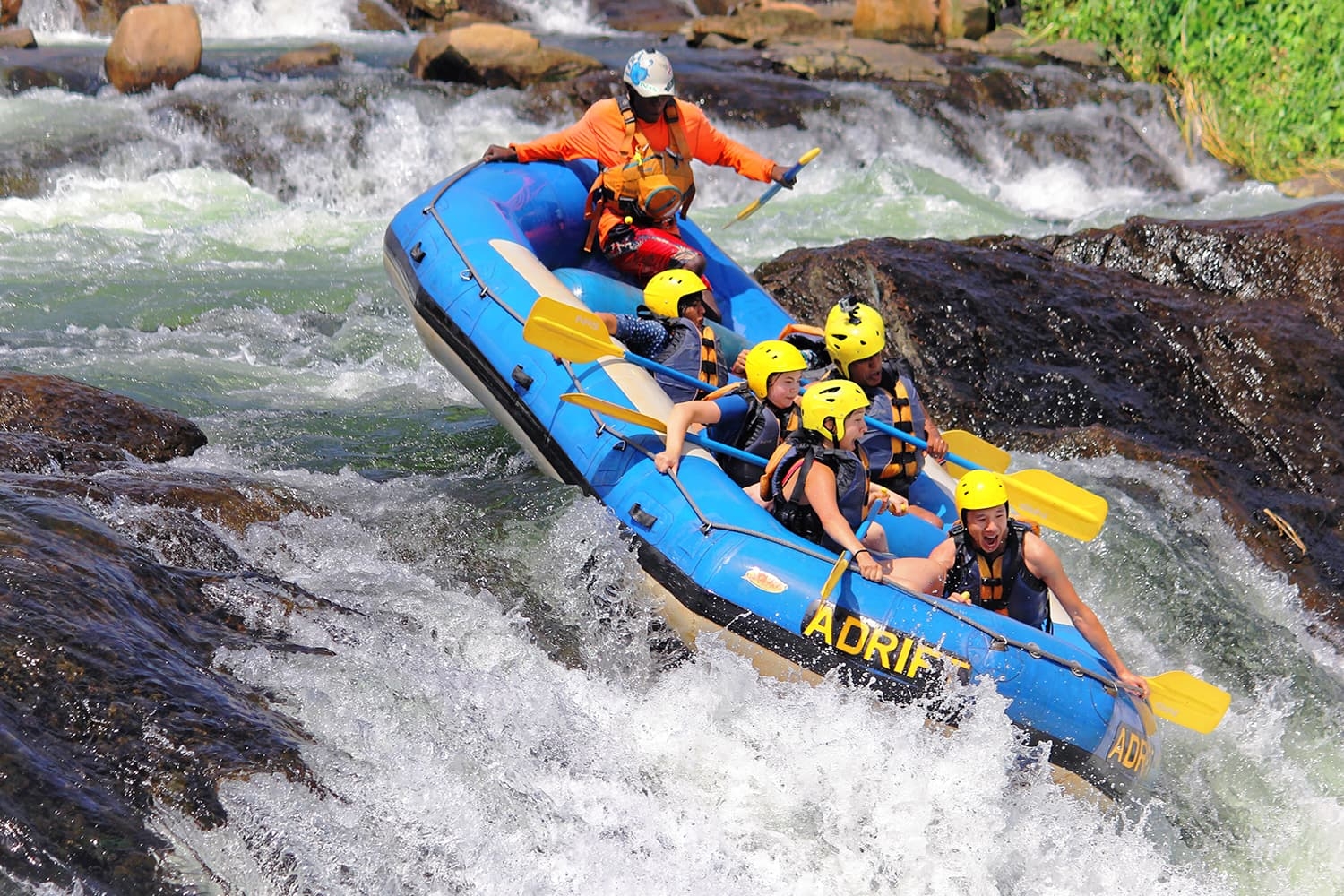
Jinja, about two hours from Kampala, marks the source of the Nile and is East Africa’s adventure sports hub:
- White-water rafting grade 5 rapids like Bujagali, Itanda, and the Nile Special
- Bungee jumping 44 metres above the river
- Quad biking through villages and Nile-side viewpoints
- Kayaking on calmer channels, with hippos visible from the water
It’s an easy, high-energy add-on after a Murchison Falls or Bwindi trip.
8. Birding: Over 1,000 Species, Including the Shoebill
Uganda is one of Africa’s top birding destinations, with more than 1,000 recorded species in a country smaller than the UK. The star attraction is the shoebill stork, a prehistoric-looking bird best seen in the wetlands of Mabamba Bay. Serious birders build entire itineraries around it: see birding tours in Uganda and the dedicated 7 Days Birding in Uganda Safari.
9. Entebbe: Uganda’s Gateway, Worth a Day of Its Own
Most visitors land at Entebbe and pass straight through, but it rewards a day of exploring: the Entebbe Botanical Gardens on Lake Victoria’s shore, the Uganda Wildlife Education Centre (a conservation-focused zoo), and more, covered in our Entebbe tourist attractions guide and 1 Day Entebbe City Tour.
10. Cultural Encounters: The Batwa Pygmies
Around Bwindi and Mgahinga live the Batwa, forest-dwelling people displaced when the parks were gazetted for conservation. Cultural visits, often combined with gorilla trekking, support community tourism and offer insight into a way of life shaped entirely by the forest. See the 5 Days Uganda Gorilla and Batwa Pygmies Tour.
Uganda’s Major Attractions at a Glance
| Attraction | Best for | Region |
|---|---|---|
| Bwindi Impenetrable NP | Mountain gorilla trekking | Southwest Uganda |
| Kibale Forest NP | Chimpanzee trekking | Western Uganda |
| Queen Elizabeth NP | Tree-climbing lions, Kazinga Channel | Western Uganda |
| Murchison Falls NP | The Nile’s most powerful falls, big game | Northwest Uganda |
| Lake Mburo NP | Walking and cycling safaris | Central Uganda |
| Rwenzori Mountains | Multi-day glacier trekking | Western border |
| Jinja | White-water rafting, bungee jumping | Southeast Uganda |
| Mabamba Bay | Shoebill stork birding | Near Entebbe |
| Entebbe | Botanical gardens, wildlife centre | Lake Victoria shore |
Best Time to Visit Uganda
Uganda is a year-round destination, since gorilla trekking happens in rainforest regardless of season, but timing still affects your trip:
- June to September and December to February are the driest months, easiest for hiking and photography, and Uganda’s peak season, so book gorilla permits 3 to 6 months ahead.
- March to May and October to November are wetter (“green season”), with fewer crowds, lower lodge rates, and lush scenery, though trails can be muddier.
How to Combine Uganda With Neighboring Countries
Uganda pairs naturally with Rwanda (a second gorilla-trekking option and the Kigali Genocide Memorial), Kenya (Masai Mara’s Great Migration), and Tanzania (Serengeti and Zanzibar’s beaches).
See our 7 Days Uganda–Rwanda, 7 Days Uganda–Kenya, and 7 Days Uganda and Tanzania combination safaris, or the full 15 Days Ultimate East Africa itinerary.
FAQs – Why visit Uganda
Why is Uganda called the Pearl of Africa? Winston Churchill coined the phrase after an early-20th-century visit, struck by the country’s exceptional natural beauty and biodiversity. The nickname has stuck for over a century.
What is Uganda’s number one attraction? Mountain gorilla trekking in Bwindi Impenetrable National Park, home to roughly half the world’s remaining wild mountain gorillas.
Is Uganda cheaper than Rwanda for gorilla trekking? Yes. A Uganda gorilla permit costs USD 800, compared with roughly USD 1,500 in Rwanda.
How many days do I need to see Uganda’s major attractions? A single park like Bwindi can be done in 3 days, but 7 to 10 days lets you combine gorilla trekking, chimpanzee tracking, and a savanna park like Queen Elizabeth or Murchison Falls.
What is the best time to visit Uganda? June to September and December to February are the driest and busiest months. March to May and October to November are wetter but quieter and cheaper.
Can I see gorillas and chimpanzees on the same trip? Yes, this is one of Uganda’s most popular combinations, pairing Bwindi gorilla trekking with Kibale chimpanzee tracking.
Is Uganda safe for tourists? Uganda’s national parks and tourism circuit are well established, with permits, rangers, and guides built into every reputable safari. As with any destination, use a licensed operator and follow your guide’s instructions.
Plan Your Uganda Trip
Ready to see Uganda’s major attractions for yourself? Browse all Uganda safari packages, read about us, or contact our team to start planning. Only 1,063 mountain gorillas remain in the wild, and Uganda is one of the very few places on Earth you can still visit them.
