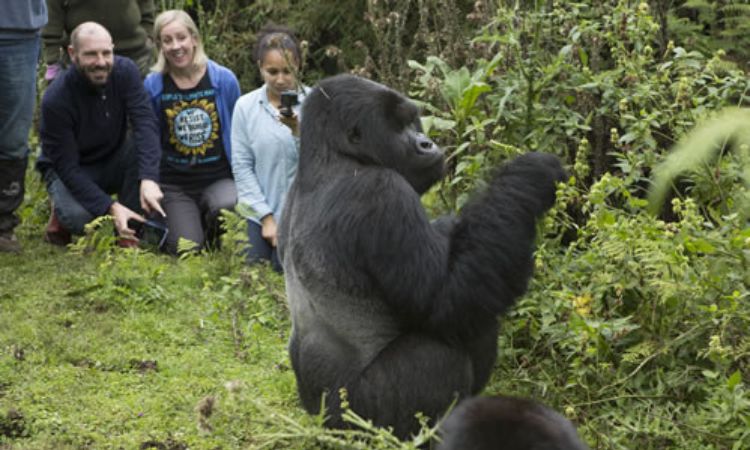
Uganda Safari FAQs: 32 Questions Answered
Uganda Safari FAQs: Planning a Uganda safari often raises important questions about costs, wildlife, gorilla trekking permits, the best time to visit, accommodation, transport and travel requirements.
Uganda offers a remarkable range of experiences, from mountain gorilla trekking in Bwindi Impenetrable National Park to chimpanzee tracking in Kibale Forest, Big Five game drives in Queen Elizabeth National Park and boat safaris along the Nile in Murchison Falls National Park.
This Uganda safari FAQ guide answers the most common questions travellers ask before booking. Whether you are planning a short gorilla trekking trip, a family holiday, a budget wildlife safari or a luxury adventure, these answers will help you prepare and choose the right itinerary.
Frequently Asked Questions About Uganda Safaris
1. Is Uganda a good destination for a safari?
Yes. Uganda is an excellent safari destination because it combines mountain gorilla trekking, chimpanzee tracking, savannah wildlife viewing, birdwatching, cultural experiences and adventure activities in one country. Travellers can explore several ecosystems, including tropical rainforests, open savannahs, wetlands, mountains and lakes.
Uganda is particularly rewarding for visitors who want to combine primate experiences with traditional African game drives and boat cruises.
2. What is the best time to visit Uganda for a safari?
The generally drier months are June to September and December to February. These periods are popular for game drives, gorilla trekking, chimpanzee tracking and outdoor activities because trails and some park roads are usually easier to navigate.
Uganda can also be visited during the wetter months of March to May and October to November. These months offer greener scenery, fewer visitors in some destinations and potentially more favourable accommodation rates. Rain can make forest trails and unpaved roads more challenging.
Read our detailed guide to the best time to visit Uganda to choose a season that suits your travel plans.
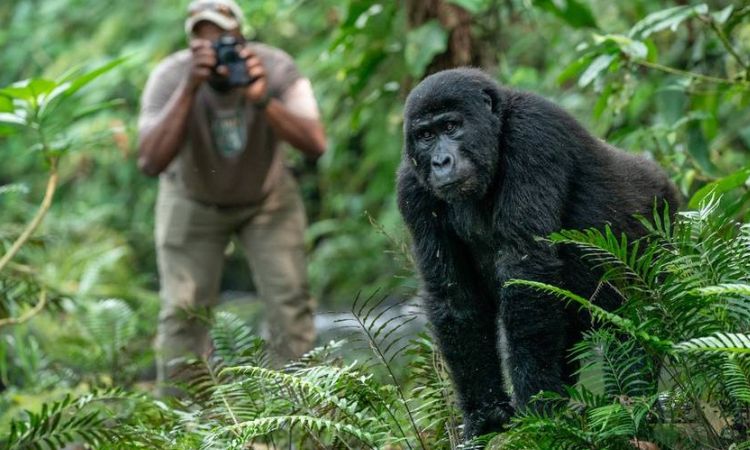
3. How many days do I need for a Uganda safari?
The ideal safari duration depends on the activities and national parks you want to visit.
- 3 days: Suitable for a short gorilla trekking safari, particularly when travelling by air or focusing on Bwindi.
- 5–7 days: Allows you to combine gorilla trekking with another destination or wildlife experience.
- 8–10 days: Provides time for gorilla trekking, chimpanzee tracking and savannah wildlife viewing.
- 12–14 days: Allows a more extensive journey through several national parks and other attractions.
- 15 days or more: Ideal for travellers seeking a comprehensive Uganda safari with additional activities and less rushed travel.
For travellers driving from Kampala or Entebbe to Bwindi, a three-day gorilla trekking safari is generally more comfortable than trying to complete the experience in two days.
4. How much does a Uganda safari cost?
The cost of a Uganda safari varies depending on the number of days, accommodation category, group size, transport arrangements, season and activities included.
Budget safaris generally use simpler accommodation and shared services where available. Mid-range safaris offer comfortable lodges and private or shared transport arrangements, while luxury safaris use high-end lodges, personalised services and, in some cases, domestic flights.
Gorilla and chimpanzee permits can also make a significant difference to the overall cost. Request an itinerary with a clear breakdown of included and excluded expenses before comparing quotations.
See our guide to what is included in a Uganda safari package for more details.
5. What is included in a Uganda safari package?
Inclusions depend on the itinerary and safari operator, but a typical organised Uganda safari package may include:
- Accommodation during the safari.
- Meals as specified in the itinerary.
- Transport in a 4×4 safari vehicle.
- Services of an experienced driver-guide.
- Fuel and planned road transfers.
- National park entrance fees.
- Game drives and scheduled boat cruises.
- Gorilla or chimpanzee permits when specifically included.
- Bottled drinking water in the safari vehicle.
- Airport transfers when specified.
International flights, visas, travel insurance, tips, alcoholic drinks, laundry and personal purchases are commonly excluded. Always check the quotation to confirm exactly what you are paying for.
6. Which national parks should I visit in Uganda?
The best national parks depend on your interests and available travel time.
- Bwindi Impenetrable National Park: Best known for mountain gorilla trekking.
- Mgahinga Gorilla National Park: Offers mountain gorilla trekking and golden monkey tracking.
- Queen Elizabeth National Park: Known for elephants, lions, hippos, buffaloes, the Kazinga Channel and tree-climbing lions in the Ishasha sector.
- Murchison Falls National Park: Offers game drives, Nile boat cruises, wildlife viewing and visits to the dramatic Murchison Falls.
- Kibale Forest National Park: One of Uganda’s leading destinations for chimpanzee tracking.
- Lake Mburo National Park: Known for zebras, impalas, elands, walking safaris and boat trips.
- Kidepo Valley National Park: A remote wilderness destination with impressive savannah landscapes and diverse wildlife.
You can combine several parks depending on your travel dates and interests. Explore our Uganda safari packages for itinerary ideas.
7. Can I see the Big Five animals in Uganda?
Yes. Uganda is home to all five members of the traditional Big Five: lions, leopards, elephants, buffaloes and rhinos.
Queen Elizabeth National Park, Murchison Falls National Park and Kidepo Valley National Park offer opportunities to see several of these animals during game drives. Ziwa Rhino Sanctuary is a popular destination for tracking rhinos on foot.
Seeing all five animals is not guaranteed on one safari. Wildlife sightings depend on the season, location, time spent in the parks and animal movements.
8. Can I see mountain gorillas in Uganda?
Yes. Uganda offers mountain gorilla trekking in Bwindi Impenetrable National Park and Mgahinga Gorilla National Park.
Bwindi has four main trekking sectors: Buhoma, Ruhija, Rushaga and Nkuringo. Mgahinga offers trekking in the Nyakagezi gorilla family area.
Visitors trek through forest terrain with trained park rangers and guides to locate a habituated gorilla family. Once the group reaches the gorillas, the standard visit allows one hour of observation.
9. How much is a Uganda gorilla trekking permit?
The gorilla permit fee depends on the visitor’s nationality and residency category, as well as the applicable Uganda Wildlife Authority tariff.
The commonly published standard foreign non-resident rate has been US$800 per person, but travellers should confirm the current official tariff for their intended trekking date before making payment. Other visitor categories may have different rates.
The permit is separate from other safari expenses such as accommodation, transport, meals and optional porter services. If you book a complete gorilla trekking package, check whether the permit is already included in the quoted price.
For a detailed breakdown, visit our guide to the cost of gorilla trekking in Uganda.
10. How far in advance should I book a Uganda gorilla trekking permit?
It is advisable to book several months in advance, especially if you plan to travel during the popular dry seasons or have fixed dates.
Permits are limited each day, and availability can become restricted during busy travel periods. Early booking also gives you more time to arrange accommodation in the correct trekking sector and organise transport.
If your dates are flexible, you may have more options. However, do not assume that permits will be available at the last minute.
11. What is the minimum age for gorilla trekking in Uganda?
The minimum age for standard gorilla trekking in Uganda is 15 years. Children below this age are not normally permitted to participate because of the physical demands of the trek and wildlife conservation considerations.
Families travelling with younger children can arrange alternative activities while eligible family members go trekking.
12. How difficult is gorilla trekking in Uganda?
Gorilla trekking can be physically demanding because it takes place in mountainous rainforest terrain. Visitors may encounter steep slopes, thick vegetation, muddy paths and uneven ground.
The duration varies depending on where the gorilla family is located and how far it has moved. Some treks take a few hours, while others can take much longer.
Travellers should prepare by walking regularly before the trip, bringing suitable hiking boots and following the ranger’s instructions. Hiring a porter can also help with carrying a backpack and providing assistance on difficult sections.
Read our Uganda gorilla trekking tips before your visit.
13. What is the difference between gorilla trekking and gorilla habituation?
Gorilla trekking involves visiting a fully habituated mountain gorilla family and spending a maximum of one hour observing it.
Gorilla habituation is a longer experience in which visitors accompany researchers, trackers and guides to observe a gorilla group that is still becoming accustomed to human presence. The experience can last up to four hours with the gorillas, subject to the applicable rules.
In Uganda, the gorilla habituation experience is available in the Rushaga sector of Bwindi Impenetrable National Park. It requires a separate permit and should not be confused with standard gorilla trekking.
14. Can I combine gorilla trekking with chimpanzee tracking?
Yes. Uganda is one of the best destinations for combining mountain gorilla trekking and chimpanzee tracking in one safari.
Many travellers visit Bwindi Impenetrable National Park for gorillas and Kibale Forest National Park for chimpanzees. Depending on the itinerary, you can also include Queen Elizabeth National Park for game drives and a Kazinga Channel boat cruise.
A 7–10-day itinerary can provide a good balance of primate experiences and savannah wildlife viewing, depending on your departure point and travel arrangements.
15. Where can I see chimpanzees in Uganda?
Kibale Forest National Park is Uganda’s best-known destination for chimpanzee tracking. Visitors can join guided forest walks to search for habituated chimpanzee communities.
Other destinations and forest reserves also offer primate experiences, but Kibale is particularly popular because of its established chimpanzee tracking programme.
Chimpanzee permits are separate from gorilla permits, and availability should be checked for your preferred date.
16. What wildlife can I see on a Uganda safari?
Uganda has a wide variety of wildlife, including elephants, lions, leopards, buffaloes, giraffes, zebras, hippos, crocodiles, antelopes, chimpanzees and mountain gorillas.
The species you see depend on the parks you visit. Queen Elizabeth and Murchison Falls are popular for savannah wildlife, while Bwindi and Kibale are known for forest primates.
Uganda is also an excellent birdwatching destination, with opportunities to see the shoebill and many other bird species.
17. Is Uganda good for birdwatching?
Yes. Uganda is an important birdwatching destination with more than 1,000 recorded bird species. Its varied habitats support forest birds, savannah species, wetland birds and migratory visitors.
Popular birding locations include Mabamba Wetland, Bwindi Impenetrable National Park, Queen Elizabeth National Park, Murchison Falls National Park and Kibale Forest.
Birdwatchers interested in seeing the shoebill can include a guided excursion to Mabamba Wetland in their itinerary, subject to seasonal and local conditions.
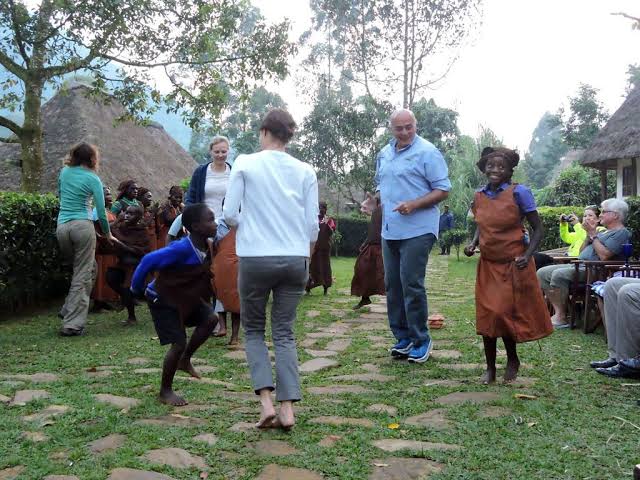
18. Is Uganda suitable for a family safari?
Yes. Uganda can be an excellent family safari destination, with game drives, boat cruises, cultural visits, nature walks and other activities suitable for different age groups.
However, some activities have minimum age requirements. Gorilla trekking, for example, has a minimum age of 15 years. Chimpanzee tracking and other activities may also have age restrictions.
When travelling with children, choose accommodation and driving distances carefully. A well-paced itinerary with rest breaks and family-friendly activities can make the trip more enjoyable.
19. Is Uganda suitable for senior travellers?
Yes. Senior travellers can enjoy Uganda safaris, provided the itinerary is planned around their mobility, health, interests and comfort.
Game drives, boat cruises and selected cultural experiences can be less physically demanding than forest trekking. Gorilla trekking may require considerable walking on uneven and sometimes steep terrain.
Travellers who have mobility concerns should discuss them before booking so that suitable activities, accommodation and transport can be considered. A porter may assist during trekking, but it does not remove the physical demands of the experience.
20. Is Uganda safe for tourists?
Uganda has an established tourism industry, and visitors travel to its national parks and major attractions with organised guides and park staff. However, no destination is completely free from risk.
Travellers should follow current government travel advice, use reputable safari operators, keep valuables secure, avoid isolated areas at night and follow instructions from their guides and park authorities.
For wildlife activities, always maintain the required distance from animals and follow ranger guidance. Check travel advisories again before departure because security conditions can change.
21. Do I need a visa to visit Uganda?
Visa requirements depend on your nationality and travel circumstances. Some travellers require a visa before arrival, while others may qualify for visa-exempt entry.
Where a visa is required, travellers should use Uganda’s official online immigration application system and confirm the current requirements before travelling. Do not rely solely on information from third-party websites.
Your passport should also meet the applicable validity requirements. Check the official immigration guidance for the latest information before booking your flights.
22. Is a yellow fever vaccination certificate required to enter Uganda?
Uganda requires travellers to comply with its yellow fever entry requirements. Visitors should check the latest official health and immigration guidance to confirm whether they must present an international yellow fever vaccination certificate.
Travellers should consult a qualified travel-health professional well before departure to discuss yellow fever vaccination, malaria prevention and other recommended travel vaccinations.
23. What should I pack for a Uganda safari?
Your packing list depends on the activities and destinations included in your itinerary. For a general Uganda wildlife safari, consider packing:
- Lightweight, comfortable clothing.
- Neutral-coloured safari clothes.
- Comfortable walking shoes or hiking boots.
- A hat and sunglasses.
- Sunscreen and insect repellent.
- Binoculars.
- A camera and spare batteries.
- A reusable water bottle.
- Personal medication and toiletries.
- A small daypack.
For gorilla trekking, also bring long trousers, long-sleeved clothing, gardening gloves, a waterproof jacket and sturdy hiking boots. Forest conditions can be wet even during the drier months.
See our detailed gorilla trekking packing list for more advice.
24. What type of accommodation is available on a Uganda safari?
Uganda offers a range of accommodation options, including budget camps, guesthouses, mid-range safari lodges, tented camps and luxury lodges.
The best choice depends on your budget, preferred comfort level and the locations you plan to visit. For gorilla trekking, it is especially important to choose accommodation in the correct sector of Bwindi or near the relevant starting point in Mgahinga.
Your trekking sector should be confirmed before finalising a lodge reservation, as travelling from the wrong side of the park can involve long road transfers.
25. How do I travel around Uganda during a safari?
Most organised Uganda safaris use a 4×4 safari vehicle with an experienced driver-guide. This is a practical way to travel between national parks, reach remote lodges and enjoy game drives.
Domestic flights are also available for selected destinations and can reduce long road journeys, although they usually involve additional costs and transfers between airstrips and accommodation.
The best transport option depends on your itinerary, budget, travel dates and preferred pace.
26. Can I fly from Entebbe to Bwindi for gorilla trekking?
Yes. Travellers can use scheduled or charter domestic flights from Entebbe to airstrips serving the Bwindi region, including Kihihi and Kisoro, depending on the trekking sector and flight schedule.
A road transfer is then arranged between the airstrip and the lodge. Flying can save considerable travel time compared with driving from Entebbe or Kampala, but it generally increases the overall safari cost.
The appropriate airstrip should be selected after confirming your gorilla trekking sector and accommodation.
27. Can I visit Uganda during the rainy season?
Yes. Uganda’s national parks and gorilla trekking destinations remain open during the rainy seasons, subject to park conditions and official operating arrangements.
Rain can make forest trails slippery and some unpaved roads difficult to navigate. However, the landscape is often greener, birdlife can be rewarding and some lodges may offer more favourable rates.
Travellers visiting during wetter months should bring waterproof clothing and allow flexibility in their itinerary.
28. What currency should I carry in Uganda?
The Ugandan shilling (UGX) is the local currency and is useful for small purchases, local markets, tips and everyday expenses.
US dollars are also accepted by some tourism businesses, hotels and safari operators, depending on their payment arrangements. If carrying US dollars, bring clean, undamaged notes and confirm accepted denominations and payment terms in advance.
Credit and debit card acceptance varies, particularly in remote areas. It is sensible to carry some local currency for incidental expenses.
29. Should I tip my Uganda safari guide and lodge staff?
Tipping is customary in Uganda’s tourism industry but is generally voluntary. Travellers may choose to tip their driver-guide, trekking porters, park guides and lodge staff when they are satisfied with the service.
The amount depends on the service received, group size and length of the safari. Carrying small denominations makes tipping easier. Some lodges also provide shared staff tip boxes.
For more guidance, read our Uganda safari tipping guide.
30. Can I customise my Uganda safari itinerary?
Yes. A Uganda safari can be tailored to your available time, budget, travel interests and preferred accommodation.
You can focus on gorilla trekking, combine primate tracking with wildlife viewing, include birdwatching and cultural experiences, or plan a longer adventure covering several national parks.
When requesting a customised itinerary, share your travel dates, number of travellers, preferred accommodation category, departure location and activities of interest. This helps the safari planner recommend a realistic route and provide an accurate quotation.
31. How do I book a Uganda safari with Gorilla Nests Safaris?
To start planning your trip, contact Gorilla Nests Safaris with your preferred travel dates, number of travellers and the experiences you would like to include.
The usual planning process involves:
- Sharing your travel dates, interests and accommodation preferences.
- Receiving a suggested itinerary and quotation.
- Reviewing the proposed route, accommodation and included activities.
- Confirming availability for permits and accommodation.
- Following the payment instructions to secure your arrangements.
- Receiving your confirmed safari details and preparing for travel.
For gorilla trekking, it is particularly important to confirm permit availability before finalising the rest of the arrangements.
32. Why should I book a Uganda safari with a local tour operator?
A knowledgeable local safari operator can help coordinate permits, accommodation, transport, park activities and route planning. Local experience is especially valuable when arranging gorilla trekking because the correct permit sector, lodge location and road transfers must work together.
Before booking, review the operator’s registration details, communication, itinerary, payment terms, cancellation policy and the services included in the quotation.
A clear agreement helps you understand what to expect and reduces the risk of unexpected expenses during your trip.
Plan Your Uganda Safari with Gorilla Nests Safaris
Uganda offers an exceptional combination of mountain gorilla trekking, chimpanzee tracking, Big Five wildlife viewing, birdwatching and cultural experiences. The right itinerary depends on your travel dates, budget, interests and the amount of time you have available.
At Gorilla Nests Safaris, we help travellers plan private and tailor-made Uganda safaris, from short gorilla trekking trips to longer wildlife adventures covering several national parks.
Contact our team with your preferred dates, number of travellers and safari preferences. We will help you choose suitable destinations, accommodation and activities for your Uganda adventure.
Start planning your Uganda safari today with Gorilla Nests Safaris.