
Uganda vs Tanzania Safari: Which Is Better for You?
Uganda vs Tanzania Safari: Uganda is the better safari destination if you want mountain gorilla trekking, chimpanzee tracking, intimate wildlife encounters, and diverse rainforest landscapes.
Tanzania is the better choice if you dream of witnessing the Great Wildebeest Migration, exploring the Serengeti, visiting Ngorongoro Crater, and enjoying classic African Big Five game drives. Both countries offer exceptional wildlife experiences, but they cater to different safari interests.
When comparing a Uganda vs Tanzania safari, the right destination depends on the animals you want to see, your preferred activities, travel budget, available time, and the type of African adventure you imagine.
Uganda stands out for its mountain gorillas, chimpanzees, forest experiences, and diverse national parks. Tanzania is renowned for its vast savannah ecosystems, abundant wildlife, spectacular migration, and beautiful Indian Ocean coastline, particularly Zanzibar.
You can visit either country independently or combine both into one East African safari. This guide compares Uganda and Tanzania across wildlife, national parks, gorilla trekking, chimpanzee tracking, the Great Migration, safari costs, accommodation, accessibility, and the best time to visit to help you make the right choice.
Uganda vs Tanzania Safari: Complete Country Comparison
1. Uganda vs Tanzania: Key Differences at a Glance
Although Uganda and Tanzania are neighbouring East African countries, their safari experiences are considerably different.
| Comparison | Uganda | Tanzania |
|---|---|---|
| Signature experience | Mountain gorilla trekking | Great Wildebeest Migration |
| Most famous destination | Bwindi Impenetrable National Park | Serengeti National Park |
| Gorilla trekking | Available in Bwindi and Mgahinga | Not available |
| Chimpanzee tracking | Kibale, Budongo and other designated sites | Gombe and Mahale Mountains |
| Big Five safari | Four in national parks; rhinos at Ziwa Sanctuary | Excellent Big Five opportunities, particularly in the northern circuit |
| Iconic wildlife | Mountain gorillas, chimpanzees, tree-climbing lions, elephants | Wildebeest, lions, cheetahs, elephants, rhinos and buffaloes |
| Famous boat safari | Kazinga Channel and River Nile | Rufiji River and other designated waterways |
| Famous landscapes | Rainforests, crater lakes, savannah, mountains and waterfalls | Endless savannah, volcanic craters, mountains and coastline |
| Mountain trekking | Rwenzori Mountains and Mount Elgon | Mount Kilimanjaro and Mount Meru |
| Beach holidays | Lake Victoria and Lake Bunyonyi | Zanzibar, Pemba and Mafia Island |
| Main safari circuits | Western Uganda wildlife and primate circuit | Northern and southern Tanzania safari circuits |
| Best suited to | Primates, gorillas, diverse ecosystems and adventure | Large-scale wildlife viewing, migration and classic savannah safaris |
The biggest distinction is that Uganda offers wildlife experiences that Tanzania cannot provide, particularly mountain gorilla trekking. Tanzania, meanwhile, offers the legendary Serengeti migration and an extensive network of savannah wildlife destinations.
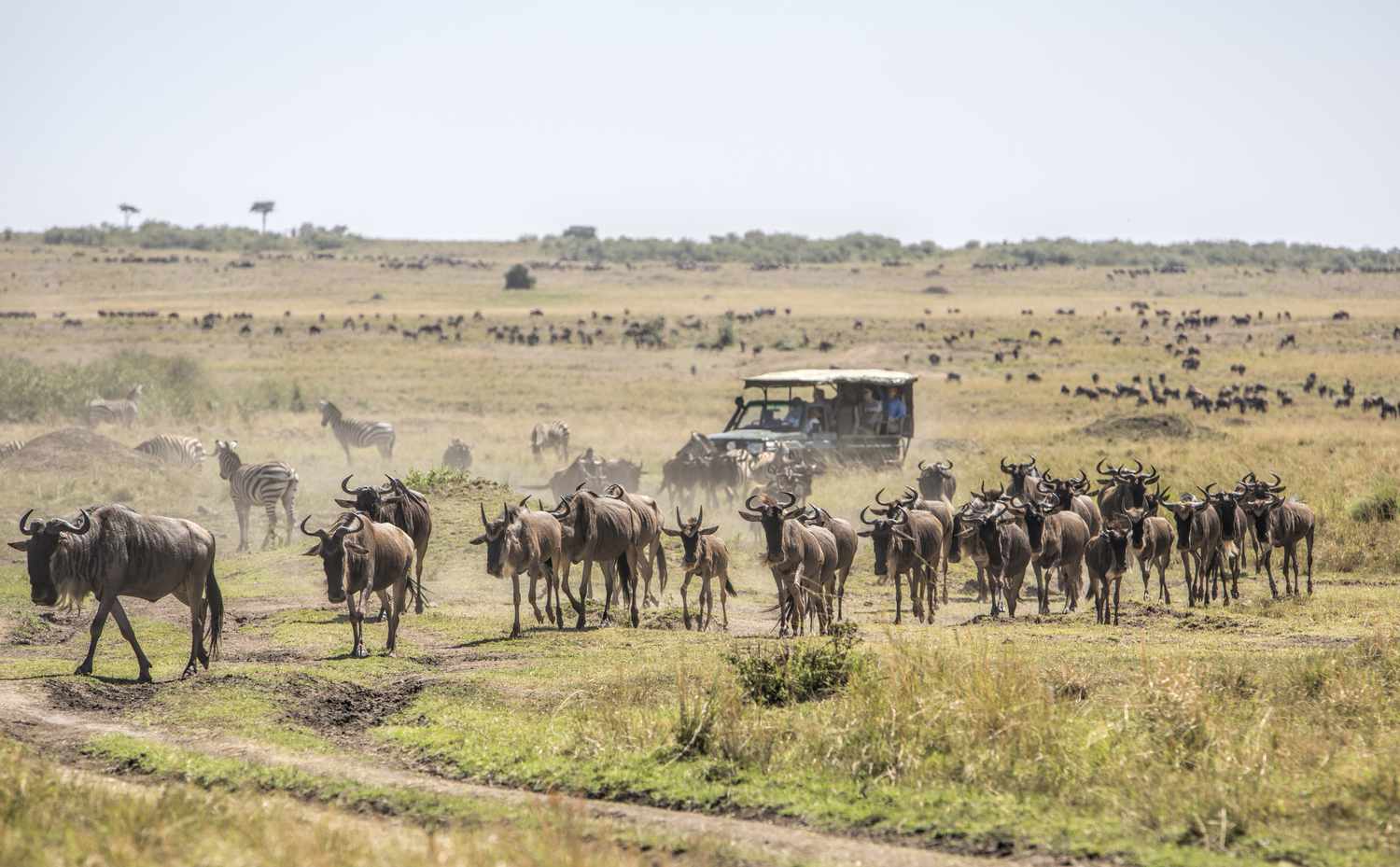
2. Wildlife Viewing: Uganda vs Tanzania
Wildlife viewing is one of the most important considerations when choosing between Uganda and Tanzania.
Both countries support the Big Five and numerous other African animals, but their habitats, wildlife concentrations, and safari experiences differ.
Wildlife in Uganda
Uganda is exceptionally diverse, combining tropical forests, savannah grasslands, wetlands, mountains, and freshwater ecosystems.
Some of the country’s major wildlife highlights include:
- Mountain gorillas: Found in Bwindi Impenetrable National Park and Mgahinga Gorilla National Park.
- Chimpanzees: Tracked in Kibale Forest, Budongo Forest and designated locations in Queen Elizabeth Conservation Area.
- Tree-climbing lions: Famous in the Ishasha sector of Queen Elizabeth National Park.
- African elephants: Commonly encountered in Murchison Falls, Queen Elizabeth and other protected areas.
- Nubian giraffes: Particularly associated with Murchison Falls and Kidepo Valley.
- African buffaloes: Frequently observed across Uganda’s savannah parks.
- Leopards: Present in several national parks, although sightings require patience.
- Hippos and Nile crocodiles: Common attractions along the Kazinga Channel and Victoria Nile.
Uganda’s strongest wildlife attraction is the opportunity to combine traditional game viewing with encounters involving some of Africa’s most remarkable primates.
For example, a single itinerary can include chimpanzee tracking in Kibale, a game drive in Queen Elizabeth, a Kazinga Channel boat cruise, and mountain gorilla trekking in Bwindi.
Explore our Uganda wildlife safari packages to discover different ways to experience the country’s wildlife.
Wildlife in Tanzania
Tanzania offers one of Africa’s greatest concentrations of large savannah mammals, particularly across its northern safari circuit.
Its major wildlife attractions include:
- Lions: Tanzania has outstanding opportunities for observing lions in the Serengeti and Ngorongoro.
- African elephants: Large herds are particularly well known in Tarangire National Park.
- Leopards: Frequently sought by visitors exploring the Serengeti.
- Cheetahs: The open plains provide excellent habitat for these fast-running predators.
- African buffaloes: Found across several major protected areas.
- Black rhinoceroses: Protected in selected conservation areas, including Ngorongoro.
- Wildebeest and zebras: Famous for their annual migration across the Serengeti-Mara ecosystem.
- Spotted hyenas: Important predators and scavengers across Tanzania’s savannah ecosystems.
Tanzania is particularly attractive for visitors who want to spend several days exploring open plains and searching for large mammals in different habitats.
Our comparison: Uganda offers greater variety for primate-focused wildlife encounters, while Tanzania is especially impressive for large-scale savannah game viewing.
3. Gorilla Trekking: Uganda Wins This Category
If mountain gorilla trekking is one of your main travel priorities, Uganda is the clear choice between these two countries.
Tanzania does not have mountain gorilla trekking. Uganda is home to two established mountain gorilla trekking destinations: Bwindi Impenetrable National Park and Mgahinga Gorilla National Park.
Bwindi Impenetrable National Park
Bwindi is Uganda’s most popular mountain gorilla trekking destination. Its ancient rainforest provides habitat for approximately half of the world’s mountain gorillas.
The park has four main trekking sectors:
- Buhoma.
- Ruhija.
- Rushaga.
- Nkuringo.
Visitors join guided treks led by Uganda Wildlife Authority rangers and trackers to locate habituated gorilla families.
Once a family is found, visitors are allowed a regulated one-hour observation period under standard trekking arrangements.
Mgahinga Gorilla National Park
Mgahinga is another important destination for gorilla trekking in Uganda.
Located within the Virunga volcanic mountain range, it offers beautiful volcanic scenery, bamboo forests, golden monkey tracking, and opportunities to encounter mountain gorillas.
It is particularly attractive to travellers who want a quieter-feeling mountain landscape and opportunities to combine gorilla trekking with other activities.
What About Tanzania?
Tanzania has no wild mountain gorilla population and does not offer mountain gorilla trekking.
If you specifically want to encounter mountain gorillas in their natural habitat, you must consider Uganda, Rwanda, or the Democratic Republic of Congo, subject to current operating conditions and travel advice.
Explore our Uganda gorilla trekking safari packages to compare available trips, accommodation categories, and trekking arrangements.
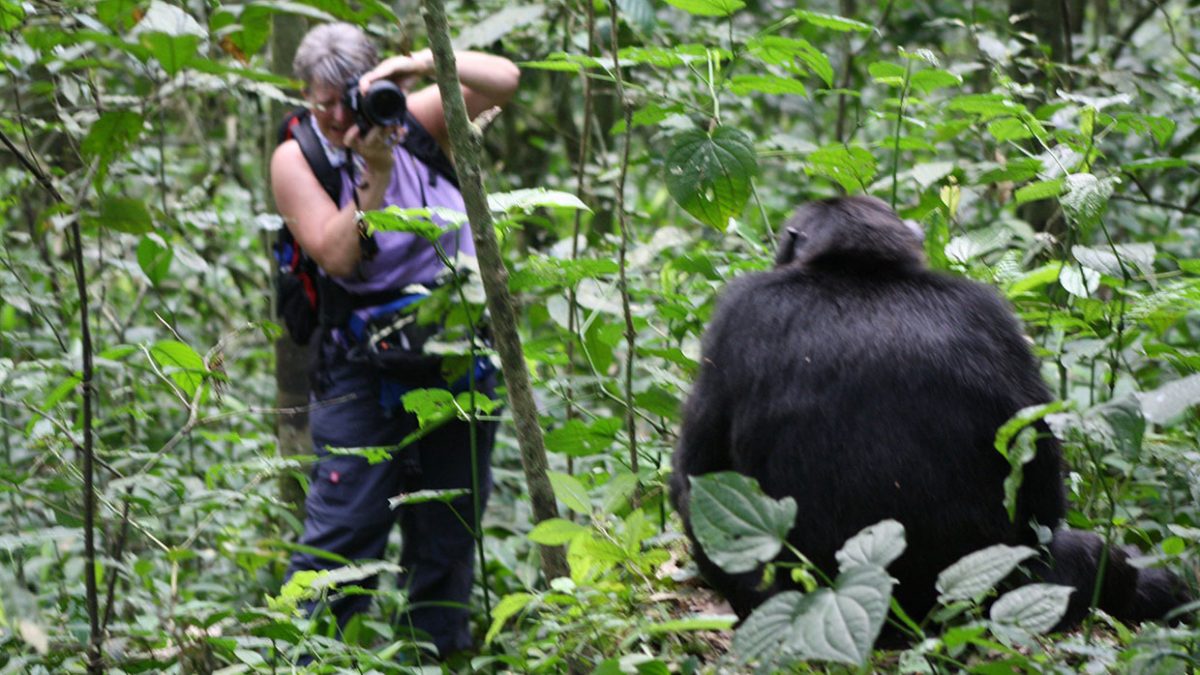
4. Chimpanzee Tracking: Uganda vs Tanzania
Both Uganda and Tanzania offer opportunities to encounter wild chimpanzees, but the locations and safari arrangements are quite different.
Chimpanzee Tracking in Uganda
Uganda is particularly well known for chimpanzee tracking in Kibale Forest National Park.
Kibale is one of East Africa’s leading destinations for observing wild chimpanzees, with guided tracking experiences that take visitors into tropical rainforest habitats.
Other chimpanzee tracking opportunities are available in designated locations, including Budongo Forest and Kyambura Gorge.
A Uganda primate safari can combine:
- Mountain gorilla trekking in Bwindi.
- Chimpanzee tracking in Kibale.
- Bigodi Wetland Sanctuary.
- Golden monkey tracking in Mgahinga.
- Community and forest experiences.
The variety of primate experiences makes Uganda particularly appealing to travellers interested in great apes and forest wildlife.
Read our guide to Chimpanzee Safari Uganda Packages or explore our 4 Days Gorillas and Kibale Chimpanzees Safari.
Chimpanzee Tracking in Tanzania
Tanzania also offers remarkable chimpanzee experiences, particularly in Gombe Stream National Park and Mahale Mountains National Park.
Gombe is internationally recognized for its long-running chimpanzee research history, while Mahale offers guided chimpanzee tracking in a beautiful forest environment bordering Lake Tanganyika.
Unlike Tanzania’s famous northern safari circuit, these chimpanzee destinations are located in the west and require separate travel planning.
The experiences may involve flights, boat transfers, and additional logistical arrangements, depending on the departure point and chosen park.
Tanzania National Parks publishes official chimpanzee viewing guidelines for visitors to Mahale and Gombe.
Our comparison: Uganda is generally the more convenient choice for combining gorilla and chimpanzee tracking in one safari. Tanzania is particularly appealing to travellers interested in chimpanzee experiences in the remote western forests and the historic Gombe research landscape.
5. The Great Wildebeest Migration: Tanzania Has the Advantage
The Great Wildebeest Migration is one of the strongest reasons travellers choose Tanzania.
Every year, large herds of wildebeest and zebras move through the Serengeti ecosystem in search of fresh grazing and water. Their movement is influenced by rainfall and seasonal grass availability.
The migration also attracts predators, particularly lions, cheetahs, leopards and hyenas.
Some of the most popular migration experiences include:
January to March: Calving Season
During the calving period, large concentrations of wildebeest gather in the southern Serengeti and Ndutu areas.
Thousands of calves are born during this period, attracting predators and creating excellent wildlife photography opportunities.
April to June: Movement Towards the Western Serengeti
As grazing conditions change, herds begin moving towards the western parts of the Serengeti.
The precise migration location depends on rainfall, vegetation, and seasonal conditions.
June to October: Northern Serengeti and River Crossings
The northern Serengeti is particularly popular during the period when herds move towards the Mara River.
Some visitors hope to witness dramatic river crossings, although timing is unpredictable and crossings cannot be guaranteed.
November to December: Return Towards the Southern Plains
With changing rainfall patterns, herds generally begin moving back towards the southern Serengeti and surrounding grazing areas.
Uganda does not have an equivalent large-scale wildebeest migration.
Which country wins? Tanzania is the clear choice if witnessing the Great Migration is your main safari dream.
Learn about our Great Migration safari experiences and the best ways to explore Tanzania’s famous savannah.
6. Best National Parks: Uganda vs Tanzania
Both destinations have impressive protected areas, but their most famous parks serve different safari interests.
Best National Parks in Uganda
- Bwindi Impenetrable National Park: Uganda’s flagship mountain gorilla trekking destination, known for its dense montane rainforest and remarkable biodiversity.
- Queen Elizabeth National Park: Famous for its wildlife diversity, the Kazinga Channel boat cruise, and tree-climbing lions in Ishasha.
- Murchison Falls National Park: Uganda’s largest national park, featuring the dramatic Murchison Falls, Nile boat safaris, elephants, giraffes and lions.
- Kibale Forest National Park: Famous for chimpanzee tracking and its rich primate diversity.
- Kidepo Valley National Park: A remote wilderness destination offering beautiful savannah landscapes, mountain scenery, and exceptional wildlife viewing.
- Lake Mburo National Park: Known for zebras, impalas, elands, walking safaris and boat excursions.
Best National Parks and Conservation Areas in Tanzania
- Serengeti National Park: Famous for the Great Migration, large predator populations, open grasslands and classic African game drives.
- Ngorongoro Conservation Area: Home to the Ngorongoro Crater, a spectacular volcanic caldera supporting a remarkable concentration of wildlife, including the endangered black rhinoceros.
- Tarangire National Park: Well known for large elephant herds, baobab trees and seasonal wildlife concentrations.
- Lake Manyara National Park: Offers varied habitats, birdlife, elephants and its well-known tree-climbing lions.
- Nyerere National Park: A vast wilderness destination associated with river safaris, wildlife viewing, and walking experiences in designated areas.
- Ruaha National Park: Known for its extensive wilderness, elephants, predators and relatively remote safari atmosphere.
- Uganda’s strength is the combination of forests, savannah and primate habitats, whereas Tanzania offers larger safari ecosystems and a broad range of established wildlife circuits.
7. Landscapes and Scenery: Which Country Is More Beautiful?
Choosing between Uganda and Tanzania for scenery depends on the type of landscapes you enjoy.
Uganda’s Landscapes
Uganda is sometimes called the Pearl of Africa because of its remarkable geographical variety.
Its landscapes include:
- Mist-covered rainforests in Bwindi.
- Volcanic mountains in Mgahinga.
- The snow-capped Rwenzori Mountains.
- Crater lakes around Fort Portal.
- The spectacular Murchison Falls.
- Open savannah in Queen Elizabeth and Murchison Falls.
- The islands and shores of Lake Victoria.
- The scenic hills surrounding Lake Bunyonyi.
These landscapes make Uganda especially attractive to travellers who want a safari combining wildlife, primates, hiking, lakes and forests.
Tanzania’s Landscapes
Tanzania offers impressive geographical diversity across its large territory.
Its major natural attractions include:
- The vast open plains of the Serengeti.
- The Ngorongoro volcanic caldera.
- Mount Kilimanjaro, Africa’s highest mountain.
- The baobab landscapes of Tarangire.
- The forests and lakes of western Tanzania.
- The white-sand beaches of Zanzibar.
- The Indian Ocean coastline.
Tanzania’s landscapes are particularly impressive for travellers interested in huge open horizons, volcanic scenery, spectacular mountains and tropical beaches.
Our comparison: Uganda offers lush, intimate and varied landscapes, while Tanzania delivers exceptional savannah scale, volcanic scenery and Indian Ocean coastlines.
8. Safari Activities: What Can You Do in Uganda and Tanzania?
The activities available are another important consideration when choosing your destination.
| Activity | Uganda | Tanzania |
|---|---|---|
| Mountain gorilla trekking | Yes | No |
| Chimpanzee tracking | Yes | Yes |
| Big Five game drives | Yes, with rhino tracking at Ziwa | Yes |
| Wildebeest migration viewing | No equivalent | Yes |
| Boat safaris | Nile, Kazinga Channel and lakes | Rufiji River and selected lakes |
| Hot-air balloon safaris | Available at selected sites | Popular in the Serengeti |
| Mountain hiking | Rwenzori and Mount Elgon | Kilimanjaro and Mount Meru |
| Birdwatching | Excellent forest, wetland and savannah birding | Excellent savannah, wetland and forest birding |
| White-water rafting | Jinja on the Nile | Limited comparable experiences |
| Ocean beach holidays | No ocean coastline | Zanzibar and other coastal islands |
| Cultural experiences | Batwa, Karamojong and other communities | Maasai and other cultural experiences |
Activities Particularly Associated with Uganda
Uganda is especially attractive for travellers interested in:
- Mountain gorilla trekking.
- Gorilla habituation experiences.
- Chimpanzee tracking.
- Golden monkey trekking.
- White-water rafting in Jinja.
- Rwenzori mountain hiking.
- Nile boat cruises.
- Cultural visits in southwestern Uganda.
Activities Particularly Associated with Tanzania
Tanzania stands out for:
- Serengeti game drives.
- Great Migration viewing.
- Ngorongoro Crater safaris.
- Mount Kilimanjaro climbing.
- Zanzibar beach holidays.
- Hot-air balloon safaris.
- Walking safaris in designated protected areas.
- Chimpanzee tracking in Gombe and Mahale.
Your ideal destination depends on which of these activities matter most to you.

9. Uganda vs Tanzania Safari Cost: Which Is Cheaper?
There is no universal answer to whether Uganda or Tanzania is cheaper. The final cost depends on the length of the safari, accommodation standard, number of travellers, park fees, transport arrangements, activities, and season.
However, the main expenses differ between the two countries.
Uganda Safari Costs
Uganda safari packages can include several major components:
- Gorilla trekking permits.
- Chimpanzee tracking permits.
- National park entrance fees.
- Safari vehicle and fuel.
- Driver-guide services.
- Accommodation and meals.
- Boat cruises and other activities.
- Domestic flights, where required.
Gorilla trekking can be a substantial part of a Uganda safari budget because the permit is a major individual expense.
However, travellers who choose a wildlife-only safari without gorilla trekking may have a very different budget.
Uganda offers budget, mid-range, luxury and fly-in safari arrangements.
Explore our Uganda safari packages to compare available itineraries.
Tanzania Safari Costs
A Tanzania safari budget may include:
- National park and conservation-area fees.
- Accommodation in safari lodges or tented camps.
- Private 4×4 safari vehicle.
- Driver-guide services.
- Domestic flights and airstrip transfers.
- Game drives and other activities.
- Camping or concession charges, where applicable.
- Meals and drinks.
The Serengeti and Ngorongoro can be particularly expensive because of accommodation, conservation fees, vehicle logistics and the time spent within these protected areas.
Remote destinations such as Mahale and Gombe may also involve significant transport expenses.
What Should You Compare Before Booking?
When comparing quotations from Uganda and Tanzania, check:
- Whether permits and park fees are included.
- Accommodation names and categories.
- Private or shared safari transport.
- Domestic flights and transfers.
- Meals and drinks.
- Number of game drives and other activities.
- International airport transfers.
- Exclusions and optional expenses.
A safari with a lower headline price is not necessarily the better deal. Compare the full itinerary and total inclusions before making a decision.
You can also read our guide to how much an African safari costs for one week.
10. Best Time to Visit Uganda vs Tanzania
Both Uganda and Tanzania can be visited throughout the year, but the best travel period depends on the activities you want to experience.
Best Time to Visit Uganda
Uganda has a tropical climate, with relatively drier and wetter periods.
The commonly preferred drier periods are:
- June to August.
- December to February.
These months are often suitable for gorilla trekking, chimpanzee tracking and wildlife game drives because some trails and park roads may be easier to navigate.
The wetter periods, particularly March to May and September to November, bring greener landscapes and can be rewarding for birdwatching.
Gorilla and chimpanzee tracking are available year-round, subject to permit availability and operational conditions.
Best Time to Visit Tanzania
Tanzania’s safari seasons vary depending on the destination.
In the northern circuit:
- January to February is popular for the wildebeest calving season.
- June to October is generally a favourable dry-season period for wildlife viewing.
- July to October is often considered for northern Serengeti migration viewing and river-crossing opportunities.
- November and December can bring green-season landscapes and movement back towards the southern plains.
Mount Kilimanjaro climbing and Zanzibar holidays have their own seasonal considerations, so they should be planned separately from the Great Migration.
Which Country Has Better Safari Weather?
Both countries offer good safari opportunities during their relatively dry periods.
The important difference is that Tanzania’s migration viewing requires careful attention to the location of the herds, while Uganda’s gorilla trekking and primate experiences can be arranged throughout the year.
11. Accommodation: Uganda vs Tanzania Safari Lodges
Both countries offer accommodation ranging from simple guesthouses and campsites to luxury safari lodges.
Accommodation in Uganda
Uganda offers safari lodges, forest camps, tented accommodation and luxury properties in and around its major national parks.
Some accommodation styles include:
- Community lodges near Bwindi.
- Luxury forest lodges overlooking gorilla habitats.
- Safari camps in Queen Elizabeth National Park.
- Riverside lodges in Murchison Falls.
- Forest lodges around Kibale.
- Remote wilderness camps in Kidepo.
Accommodation location is particularly important when planning gorilla trekking because the appropriate Bwindi sector and trekking starting point influence the lodge you should choose.
Accommodation in Tanzania
Tanzania has a well-developed safari accommodation network, particularly in the northern circuit.
Visitors can choose from:
- Luxury tented camps in the Serengeti.
- Permanent safari lodges.
- Ngorongoro Crater rim lodges.
- Tented camps near Tarangire.
- Remote wilderness camps.
- Beach resorts and boutique hotels in Zanzibar.
Tanzania is particularly appealing to travellers who want to combine luxury safari accommodation with high-end Indian Ocean beach properties.
12. Accessibility and Getting Around Uganda and Tanzania
Uganda and Tanzania have international airports and established safari transport networks, but the logistics differ.
Travelling Around Uganda
Most Uganda safaris begin at Entebbe International Airport.
Popular road routes include:
- Entebbe to Murchison Falls.
- Kampala to Kibale Forest.
- Kibale to Queen Elizabeth National Park.
- Queen Elizabeth to Bwindi.
- Bwindi to Lake Bunyonyi.
A private 4×4 safari vehicle is a popular way to explore Uganda, particularly for visitors who want to combine several national parks.
Domestic flights can also be arranged to selected airstrips serving destinations such as Bwindi, Kidepo and Murchison Falls.
Travelling Around Tanzania
Tanzania safari itineraries often begin around Arusha or Kilimanjaro International Airport.
The northern safari circuit commonly combines:
- Arusha.
- Tarangire National Park.
- Lake Manyara.
- Ngorongoro Conservation Area.
- Serengeti National Park.
Travellers can cover sections of the circuit by road or use scheduled and chartered bush flights to save time.
Tanzania’s large geographical area means that a well-designed itinerary is important, especially when combining remote parks and Zanzibar.
13. Beach Holidays: Tanzania Wins This Category
One major difference between Uganda and Tanzania is access to the Indian Ocean.
Tanzania has a beautiful coastline and several famous tropical islands, making it ideal for travellers who want to combine wildlife safaris with a beach holiday.
Zanzibar Island
Zanzibar is Tanzania’s best-known beach destination, offering white-sand beaches, turquoise waters, coral reefs, cultural attractions and historic Stone Town.
Visitors can enjoy:
- Snorkelling and scuba diving.
- Dhow cruises.
- Spice farm visits.
- Stone Town cultural tours.
- Dolphin excursions in designated areas.
- Beach relaxation.
A safari in the Serengeti followed by several days in Zanzibar is one of the most attractive East African holiday combinations.
Does Uganda Have Beaches?
Uganda is landlocked and does not have an Indian Ocean coastline.
However, it has beautiful freshwater destinations, including:
- Lake Bunyonyi.
- Lake Victoria.
- Ssese Islands.
- Lake Mutanda.
These destinations offer scenic relaxation and water-based activities, but they are not equivalent to Zanzibar’s ocean beaches.
Explore our 10 Days Gorillas, Serengeti and Zanzibar Beach Escape to combine mountain gorilla trekking, classic wildlife viewing and a tropical beach holiday.
Which Country Is Better for Families, Couples and First-Time Safari Travellers?
Both Uganda and Tanzania can provide memorable holidays for different types of travellers.
For first-time African safari visitors: Tanzania is an excellent choice for travellers who want the classic savannah experience, especially the Serengeti and Ngorongoro. Uganda is particularly appealing if meeting mountain gorillas is a priority.
For couples and honeymooners: Both countries offer private safari vehicles and luxury lodges. Tanzania has an advantage for combining a safari with Zanzibar’s romantic beaches, while Uganda offers intimate forest lodges and distinctive primate encounters.
For families: Tanzania is attractive for traditional game drives and beach extensions. Uganda can offer a diverse family adventure, but age restrictions apply to gorilla and chimpanzee tracking activities. Confirm the minimum ages and suitability of each activity before booking.
For wildlife photographers: Tanzania is particularly rewarding for large mammals, predator sightings, migration photography and expansive landscapes. Uganda offers outstanding opportunities for primates, forest birds, elephants, waterfalls and varied habitats.
For adventure enthusiasts: Uganda offers gorilla trekking, white-water rafting, chimpanzee tracking and Rwenzori hiking. Tanzania offers Kilimanjaro, the Serengeti, remote wilderness experiences and Zanzibar’s water activities.
Can You Combine Uganda and Tanzania in One Safari?
Yes. Combining Uganda and Tanzania is an excellent way to experience two different sides of East Africa.
You can enjoy mountain gorilla trekking in Uganda before travelling to Tanzania for Serengeti game drives, Ngorongoro Crater exploration, and potentially a Zanzibar beach holiday.
A combined itinerary gives you opportunities to experience:
- Mountain gorilla trekking in Bwindi.
- Chimpanzee tracking in Kibale.
- Savannah wildlife viewing in Tanzania.
- The Great Migration, depending on the season and herd location.
- The Big Five in Tanzania’s major protected areas.
- Beach relaxation in Zanzibar.
However, international flights and transfers between the two countries need careful planning. The best route depends on available flight connections, safari locations and travel dates.
7 Days Uganda and Tanzania Safari
A seven-day combination can include a gorilla trekking experience in Bwindi and selected wildlife highlights in Tanzania.
It is a relatively fast-paced holiday because international transfers and travel between destinations use a significant portion of the available time.
View our 7 Days Uganda and Tanzania Safari to explore this combination.
10 Days Uganda and Tanzania Safari
Ten days provide more flexibility for combining Uganda’s primate experiences with Tanzania’s savannah wildlife.
Depending on the itinerary, visitors can include gorilla trekking, Serengeti game drives, Ngorongoro Crater and an extension to Zanzibar.
Explore our 10 Days Gorillas, Serengeti and Zanzibar Safari.
14 Days Gorilla Trek, Serengeti and Zanzibar
For travellers with more time, a 14-day East African adventure can provide a more relaxed combination of primates, wildlife and beach experiences.
This extended itinerary allows additional opportunities for wildlife viewing and a longer coastal holiday.
View our 14 Days Gorilla Trek, Serengeti and Zanzibar Safari.
15 Days Kenya, Tanzania and Uganda Safari
Travellers who want to explore more of East Africa can also combine Uganda and Tanzania with Kenya.
This extended journey can include gorilla trekking, savannah game drives and the famous wildlife destinations of Kenya and Tanzania.
Explore our 15 Days Kenya, Tanzania and Uganda Safari.
Uganda vs Tanzania: Which Country Should You Choose?
The best choice depends on your priorities.
Choose Uganda if:
- Mountain gorilla trekking is on your bucket list.
- You want to combine gorilla and chimpanzee tracking.
- You enjoy tropical rainforests and primate encounters.
- You want to explore diverse landscapes within a relatively compact country.
- You are interested in the Nile, crater lakes, waterfalls and adventure activities.
- You prefer a safari combining wildlife with cultural and forest experiences.
Choose Tanzania if:
- You want to witness the Great Wildebeest Migration.
- You prioritize classic Big Five safari experiences.
- The Serengeti and Ngorongoro Crater are on your bucket list.
- You want to climb Mount Kilimanjaro.
- You want to combine a wildlife safari with Zanzibar beaches.
- You prefer spending several days exploring extensive savannah ecosystems.
Our recommendation: Uganda and Tanzania are not competing versions of the same safari. They offer complementary experiences. Uganda is particularly strong for primates and forest wildlife, while Tanzania is outstanding for savannah wildlife and the Great Migration. Travellers with enough time and budget can enjoy both countries in one carefully designed East African safari.
FAQs About Uganda vs Tanzania Safaris
Is Uganda or Tanzania better for an African safari?
Uganda is better for mountain gorilla trekking, chimpanzee tracking and diverse primate experiences. Tanzania is better for the Great Migration, classic savannah game drives and combining wildlife safaris with Zanzibar beach holidays. Your preferred activities should determine your choice.
Which country is better for seeing the Big Five, Uganda or Tanzania?
Tanzania is generally the stronger destination for a traditional Big Five safari, particularly in the Serengeti and Ngorongoro area. Uganda offers elephants, lions, leopards and buffaloes in its national parks, while rhinos can be tracked separately at Ziwa Rhino Sanctuary.
Can I see gorillas in Tanzania?
No. Tanzania does not have mountain gorilla trekking. Visitors interested in mountain gorillas should consider Uganda’s Bwindi Impenetrable National Park or Mgahinga Gorilla National Park, or Rwanda’s Volcanoes National Park.
Is chimpanzee tracking available in both Uganda and Tanzania?
Yes. Uganda offers chimpanzee tracking in Kibale Forest and other designated locations. Tanzania offers chimpanzee experiences in Gombe Stream and Mahale Mountains National Parks.
Which country is cheaper for a safari, Uganda or Tanzania?
Neither country is always cheaper. Uganda can be expensive when gorilla permits are included, while Tanzania’s popular northern parks can involve substantial conservation, accommodation and transport costs. Compare complete safari quotations rather than only headline prices.
Which country has the Great Wildebeest Migration?
Tanzania hosts a major part of the Great Migration in Serengeti National Park. The herds move across the Serengeti-Mara ecosystem throughout the year, with seasonal concentrations in different areas.
Is the Serengeti in Uganda or Tanzania?
The Serengeti is in northern Tanzania and is one of Africa’s most famous national parks. It is internationally known for lions, cheetahs, elephants, wildebeest, zebras and the Great Migration.
Can I combine gorilla trekking and the Serengeti?
Yes. You can trek mountain gorillas in Uganda’s Bwindi Impenetrable National Park and then travel to Tanzania for Serengeti game drives. Flights and cross-border transfers should be arranged carefully to make the itinerary practical.
How many days do I need for a Uganda and Tanzania combined safari?
Seven days can cover selected highlights, but the schedule is fast-paced. Ten to fourteen days generally allow more time for gorilla trekking, Serengeti wildlife viewing, Ngorongoro Crater and optional Zanzibar relaxation.
Which country is better for a honeymoon safari?
Both countries are excellent choices. Tanzania has an advantage if you want to combine a luxury wildlife safari with Zanzibar’s tropical beaches. Uganda is ideal for couples seeking intimate gorilla trekking experiences, scenic forest lodges and unique wildlife encounters.
Is Uganda or Tanzania better for family safaris?
Both countries offer family-friendly wildlife experiences. Tanzania is particularly attractive for traditional game drives and beach holidays, while Uganda offers wildlife, primate encounters and adventure activities. Check the age restrictions for primate activities before booking.
Book Your Uganda or Tanzania Safari with Gorilla Nests Safaris
Whether you choose Uganda, Tanzania or both countries, Gorilla Nests Safaris can help you plan an East African holiday around your preferred wildlife experiences, travel dates, accommodation standards and budget.
We organize customized gorilla trekking safaris in Uganda, chimpanzee tracking experiences, wildlife game drives, Serengeti adventures, Great Migration trips and multi-country safari combinations.
Our safari services include:
- Gorilla trekking permits and arrangements in Uganda.
- Chimpanzee tracking in Kibale and other designated forests.
- Tanzania wildlife safaris and Serengeti game drives.
- Private 4×4 safari vehicles and professional guides.
- Budget, mid-range and luxury accommodation.
- Fly-in safaris and selected domestic transfers.
- Customized Uganda, Tanzania and multi-country itineraries.
Explore our Uganda safari packages, Tanzania wildlife safaris, or East African safari combinations.
Tell us whether you prefer gorilla trekking in Uganda, the Great Migration in Tanzania, or a combination of both. Our team will help you design a safari that makes the most of your time in East Africa.