What Is the Best Month for Rainy Season Gorilla Trekking?
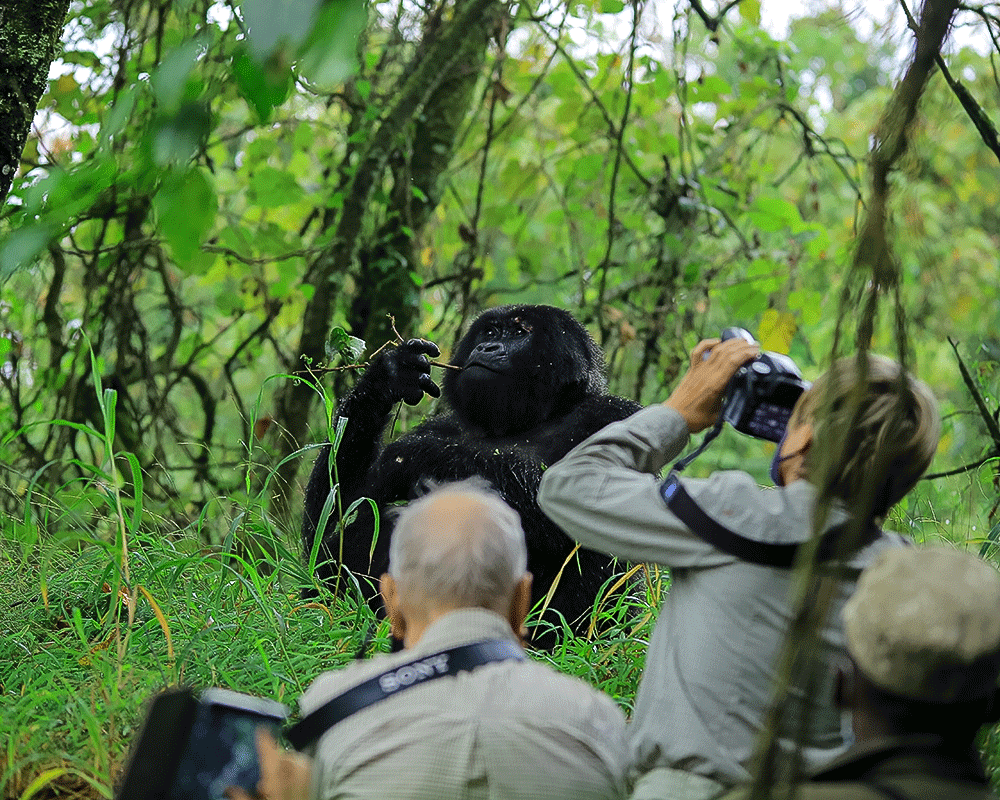
May is one of the best months for rainy-season gorilla trekking in Uganda if you want lush forest scenery, fewer tourists, and potentially better safari deals. November is another excellent option for travellers seeking a quieter experience.
However, both months can bring heavy rain, muddy trails, and challenging hiking conditions in Bwindi Impenetrable National Park and Mgahinga Gorilla National Park.
Uganda’s rainy seasons generally occur from March to May and October to November. Although the trails can be more difficult to navigate, gorilla trekking continues throughout the year, offering visitors the opportunity to encounter endangered mountain gorillas in their natural habitat.
In this guide, discover which rainy-season month is best, what to expect during the trek, and how to prepare for a rewarding gorilla trekking adventure.
Is May the Best Month for Rainy-Season Gorilla Trekking?
May is an excellent choice for travellers who want to experience Uganda’s rainforest during the green season without necessarily travelling during the wettest part of the year. Rainfall patterns vary from year to year, so conditions are never guaranteed, but May can offer a good balance of beautiful scenery, fewer visitors, and potential accommodation savings.
During this period, Bwindi’s vegetation is lush, creating wonderful opportunities for nature photography. The forest feels vibrant, and the cooler, damp environment can make the experience particularly memorable.
Another advantage is that there may be better availability at some lodges than during the busy dry season. Travellers with flexible dates can compare accommodation options and potentially find attractive offers.
However, May remains a rainy month. Trails can be slippery, steep sections become more challenging, and rain can occur during the trek. You should bring waterproof clothing, sturdy hiking boots, and a reasonable level of fitness.
For more seasonal planning advice, read our guide to the best time to visit Uganda.
Is November Good for Gorilla Trekking?
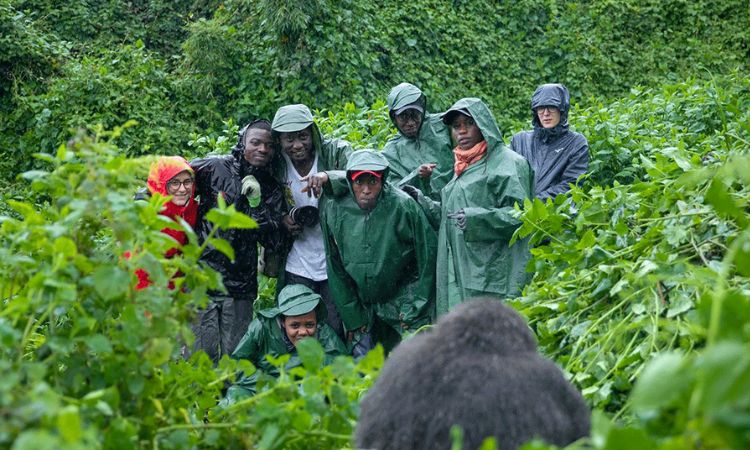
Yes. November is another strong option for rainy-season gorilla trekking, especially for travellers who value quieter trails, green scenery, and potential low-season savings.
The short rains usually bring fresh growth to the forest and surrounding countryside. Compared with the peak dry-season months, visitor numbers may be lower, depending on the trekking sector and travel dates.
November can also appeal to photographers who enjoy dramatic skies, mist-covered hills, and the rich colours of a tropical rainforest.
Nevertheless, November can be wet, and muddy trails may make the trek physically demanding. You should allow enough time for the journey, choose suitable accommodation, and avoid scheduling important onward travel too tightly.
Choose May if you prefer the long rainy season and want to travel before the main dry season begins. Choose November if you want a quieter green-season experience before the December holiday period. Both are worthwhile options when you prepare for the weather.
What About March and April?
March and April are part of Uganda’s long rainy season. March often marks the beginning of heavier rainfall, while April is typically among the wettest months in southwestern Uganda.
These months can be particularly attractive to travellers who enjoy lush landscapes and do not mind challenging trekking conditions.
The forest becomes intensely green, and mist can create beautiful photographic opportunities. Fewer visitors may also mean a quieter atmosphere in some areas.
However, April requires especially careful preparation. Heavy rain can make forest trails slippery and steep slopes harder to navigate. Road transfers may also take longer when conditions deteriorate.
If you choose April, wear waterproof hiking boots, carry reliable rain protection, and consider hiring a porter to help with your daypack and provide assistance on difficult sections.
You can find more practical advice in our guide to Uganda gorilla trekking tips.
Why Go Gorilla Trekking During the Rainy Season?
Despite the weather challenges, rainy-season gorilla trekking offers several advantages.
1. Lush forest scenery
Rainfall keeps Bwindi’s vegetation vibrant and green. The misty hills, dense forest, and fresh vegetation create a distinctive atmosphere that many nature lovers appreciate.
2. Potential savings
Some accommodation providers offer lower rates during quieter travel periods. Depending on the dates and applicable regulations, special trekking permit rates may also be available. Always confirm current permit prices and eligibility with your tour operator or the Uganda Wildlife Authority before booking.
3. Fewer visitors at some lodges
The rainy season can be quieter than the main dry-season peaks. This may provide more flexibility when choosing accommodation, although availability varies by location and date.
4. Excellent nature photography
Green vegetation, soft light, mist, and dramatic cloud formations can create beautiful photographic conditions. Carry a waterproof camera cover and protect spare batteries and memory cards from moisture.
5. Gorilla encounters remain possible
Mountain gorillas live in the forest throughout the year. Rain does not automatically prevent trekking, although weather and trail conditions can influence the experience.
For help choosing the right itinerary, explore our Uganda safari packages.
What Are the Challenges of Rainy-Season Gorilla Trekking?
The biggest challenge is navigating wet, uneven terrain. Bwindi’s forest trails can be steep, muddy, and slippery, so the trek may feel more demanding than it would under drier conditions.
Rain can also affect road journeys to and from the national parks. If you are travelling from Entebbe or combining gorilla trekking with another destination, allow sufficient time for transfers.
The weather is unpredictable, too. A rainy-season morning may begin with relatively clear skies before showers develop later.
To prepare properly:
- Wear sturdy, waterproof hiking boots with good grip.
- Pack a waterproof jacket or poncho.
- Wear long trousers and long-sleeved clothing.
- Carry gardening gloves to protect your hands from vegetation.
- Bring a waterproof daypack cover or dry bags.
- Hire a porter if you would appreciate extra assistance.
- Follow your guides’ instructions throughout the trek.
Read our gorilla trekking packing list before travelling to ensure you have the essentials.
Should You Book Your Gorilla Trek in Advance?
Yes. Even during the rainy season, you should arrange your gorilla trekking permit and accommodation ahead of time.
Permit availability depends on the trekking date and sector. Although demand may be lower during some wet-season periods, permits are limited and popular dates can still fill up.
You should also choose accommodation based on your assigned trekking sector. Bwindi has four main sectors: Buhoma, Ruhija, Rushaga, and Nkuringo. Staying close to the correct meeting point can make your trekking morning more convenient.
When planning your trip, confirm your permit, lodge, transport, and return arrangements together.
For a broader understanding of budgeting, read our guide to the cost of gorilla trekking in Uganda.
Final Verdict: May or November?
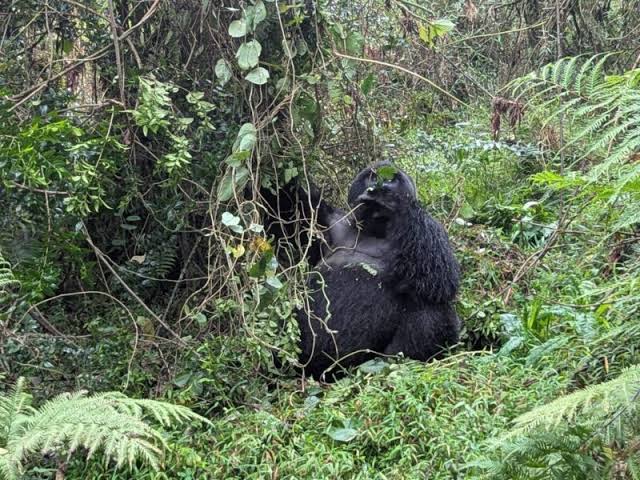
May is a great overall choice for rainy-season gorilla trekking if you want a lush forest experience and potentially better-value accommodation. November is an excellent alternative for travellers seeking a quieter trip before the December holiday season.
April is worth considering if you are comfortable with particularly wet and muddy conditions, while March and October can also offer rewarding green-season experiences.
Whichever month you choose, remember that rainfall varies, and conditions can change quickly. Pack appropriately, allow flexibility in your itinerary, and follow the advice of your guides.
Plan Your Rainy-Season Gorilla Trek with Gorilla Nests Safaris
At Gorilla Nests Safaris, we help travellers organise gorilla trekking experiences around their preferred travel dates, budget, accommodation, and interests.
Whether you choose May, November, or another month, we can help you plan your permits, transport, accommodation, and safari itinerary.
Explore our Uganda safari packages and start planning your mountain gorilla encounter.