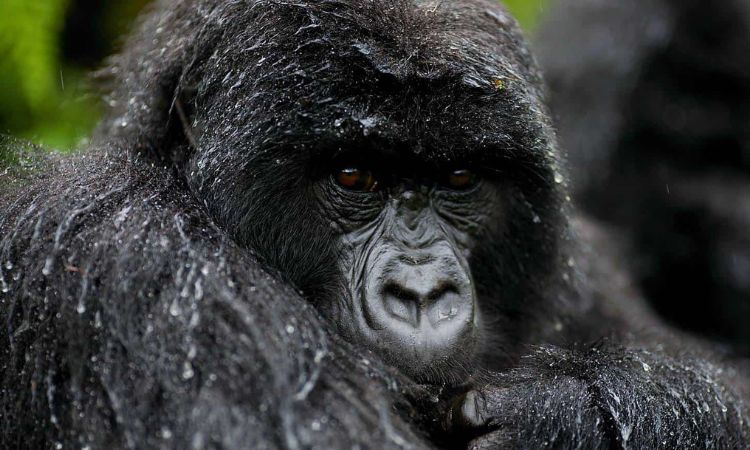

Uganda Gorilla Trekking Tips: 12 Essential Things to Know
Uganda Gorilla Trekking Tips: Gorilla trekking in Uganda is an unforgettable wildlife experience, but good preparation makes a significant difference.
From securing your gorilla permit to choosing suitable hiking boots and accommodation, planning ahead helps you enjoy the forest while respecting the mountain gorillas and their habitat.
Uganda offers mountain gorilla trekking in two protected areas: Bwindi Impenetrable National Park and Mgahinga Gorilla National Park. Both provide opportunities to observe habituated gorilla families in their natural environment.
Whether you are visiting Uganda for the first time or returning for another wildlife adventure, these 12 practical Uganda gorilla trekking tips will help you prepare for your journey.
Below are the 12 Key Uganda Gorilla Trekking Tips;
1. Book Your Gorilla Trekking Permit in Advance
One of the most important Uganda gorilla trekking tips is to secure your permit before finalising the rest of your arrangements.
Gorilla trekking permits are limited because only a small number of visitors can visit each habituated gorilla family per day. Popular travel periods can be particularly competitive, so booking several months ahead is advisable.
When booking, confirm:
- Your preferred trekking date.
- Whether you will trek in Bwindi or Mgahinga.
- The availability of permits for your chosen date.
- The permit price applicable to your nationality and residency category.
- The payment and cancellation conditions.
A standard gorilla trekking permit allows one hour with a habituated gorilla family once the group has been located. It does not automatically include accommodation, transport or meals.
For current pricing and budgeting advice, read our guide to the cost of gorilla trekking in Uganda.
Tip: Do not assume that a safari package includes a confirmed permit unless your operator explicitly confirms the booking.
2. Choose the Right Gorilla Trekking Destination
Uganda has two destinations for mountain gorilla trekking, and your choice affects travel arrangements, accommodation and the overall safari itinerary.
Bwindi Impenetrable National Park
Bwindi is divided into four main trekking sectors:
- Buhoma: In the northern part of the forest.
- Ruhija: In the eastern part of the park.
- Rushaga: In the southern part of Bwindi.
- Nkuringo: Also in the southern part of the forest.
The terrain and trekking difficulty vary, even within the same sector. Your experience will depend partly on where the assigned gorilla family is located on the day of your trek.
Read more about activities in Bwindi Impenetrable National Park to understand what else you can experience during your visit.
Mgahinga Gorilla National Park
Mgahinga offers another opportunity to track mountain gorillas, with the Virunga volcanic landscape providing a distinctive setting.
When deciding between the two parks, consider permit availability, your preferred travel route, accommodation options and whether you want to combine gorilla trekking with other activities.
Tip: Choose your accommodation after confirming your trekking sector. A lodge described as being near Bwindi may still be a considerable drive from your actual briefing point.
3. Travel During the Season That Suits You
Uganda’s gorillas can be tracked throughout the year, but weather conditions influence how comfortable the trek may be.
The generally drier periods are June to September and December to February. Trails may be easier to navigate during these months, although rain can still occur in the forest.
The wetter periods generally fall between March and May and again around October and November. Trails can become muddy and slippery, but the forest is often lush and green.
When choosing your travel dates, consider:
- Your preferred trekking conditions.
- Availability of permits and accommodation.
- Your tolerance for rain and muddy trails.
- The overall cost of your safari.
- Other destinations you plan to visit in Uganda.
No month guarantees easy trekking. Gorilla families move through the forest, so the distance and difficulty can vary from one day to another.
For more detailed seasonal advice, read our guide to the best time for gorilla trekking in Uganda.
4. Pack the Right Clothing and Equipment
A proper gorilla trekking packing list helps you stay comfortable and protected in the forest. Conditions can change quickly, and some trails involve steep slopes, thick vegetation and muddy ground.
Pack these essentials:
- Waterproof hiking boots: Choose comfortable boots with good grip and ankle support.
- Long trousers: Protect your legs from vegetation and insects.
- Long-sleeved shirts: Help protect your arms from scratches and nettles.
- Rain jacket or poncho: Rain is possible even during the drier months.
- Gardening gloves: Useful when holding vegetation for balance.
- Small daypack: Carry your water, snacks and personal essentials.
- Drinking water: Bring enough for the expected duration of the trek.
- Insect repellent: Useful for protection against biting insects.
- Camera and spare batteries: Prepare for photography in low-light forest conditions.
- Personal medication: Carry any medication you may need during the day.
Pack light and use waterproof bags to protect electronic equipment and important belongings.
For a more detailed checklist, read our dedicated gorilla trekking packing list.
5. Prepare Physically Before Your Trip
Gorilla trekking can be physically demanding. Depending on the gorillas’ location, you may walk for several hours over uneven ground, steep slopes and slippery trails.
You do not need to be an expert hiker, but a reasonable level of fitness will help you enjoy the experience.
Before travelling:
- Walk regularly to improve your stamina.
- Practise walking on hills or uneven ground.
- Wear your hiking boots before the trip to reduce the risk of blisters.
- Build up your walking distance gradually.
- Rest adequately before trekking day.
If you are concerned about the difficulty, tell your tour operator when planning your safari. The park authorities determine the final trekking arrangements, and no particular gorilla family or easy route can be guaranteed.
You can also hire a local porter to carry your daypack and assist where appropriate. Porter fees should be confirmed locally or with your tour operator.
6. Choose Accommodation Near Your Trekking Sector
Choosing the right lodge is about more than comfort. Bwindi’s trekking sectors are spread across a large area, and driving to the wrong briefing point can mean an unnecessarily early start.
Once your permit sector is confirmed, select accommodation that makes the morning transfer manageable.
Consider the following when comparing lodges:
- Driving time to the relevant park headquarters.
- Room comfort and available facilities.
- Whether meals are included.
- The availability of hot water and reliable electricity.
- Your budget and preferred level of service.
- The lodge’s location relative to your next safari destination.
If you are combining gorilla trekking with wildlife viewing, your itinerary might also include Queen Elizabeth National Park or Kibale Forest National Park.
Planning accommodation and transport together can make these multi-destination safaris more convenient.
7. Follow Your Ranger’s Instructions During the Trek
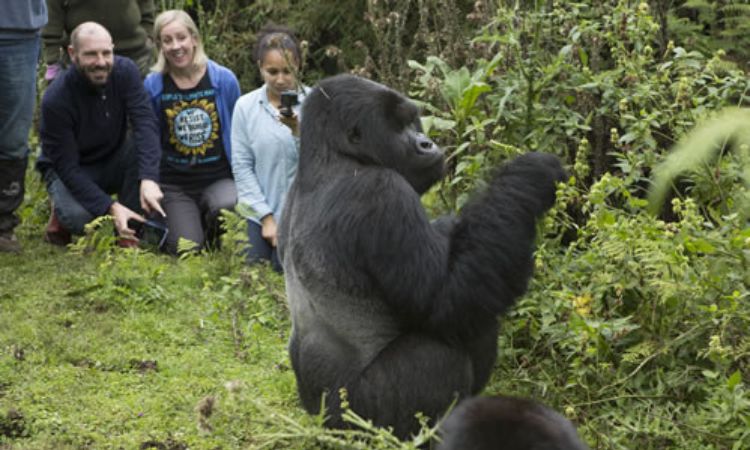
Your ranger guide will explain the rules before you enter the forest and provide instructions throughout the experience.
Follow their directions carefully. The rules protect visitors, gorillas and the wider forest environment.
Remember to:
- Stay with your group and follow the ranger.
- Keep your voice low.
- Avoid sudden movements.
- Never touch or feed a gorilla.
- Do not litter in the forest.
- Maintain the distance instructed by your ranger.
- Follow directions immediately if a gorilla approaches or the ranger asks you to move.
Mountain gorillas are wild animals, even when they belong to habituated families. Their behaviour can be unpredictable, so visitors should never attempt to approach them independently.
8. Protect Gorilla Health by Avoiding Trekking When Sick
Mountain gorillas are vulnerable to some human respiratory infections. A seemingly minor illness can pose a serious risk to them.
If you develop symptoms such as a cough, fever or flu-like illness before trekking, inform your tour operator or the park authorities. Do not conceal symptoms to avoid missing your activity.
Follow all current health screening, hygiene and mask instructions provided by the park authorities.
During your visit, avoid touching the gorillas and follow the ranger’s directions regarding distance and interaction.
Tip: Discuss any health concerns before your trip rather than waiting until the morning of the trek.
9. Take Better Gorilla Photographs Without Disturbing Wildlife
Photography can help you remember your encounter, but the animals’ welfare must come first.
The forest can be dim, and gorillas may move between patches of vegetation. Prepare your equipment before the trek so you spend less time adjusting your camera.
Useful photography tips include:
- Practise using your camera before travelling.
- Carry spare batteries and sufficient memory.
- Protect your camera against rain and moisture.
- Use a suitable lens for low-light wildlife photography.
- Turn off the flash.
- Avoid blocking other visitors’ views.
- Follow all instructions from your ranger.
You do not need expensive equipment to enjoy the experience. A camera or smartphone that performs well in low light may be sufficient, provided its use follows the park’s rules.
Remember that the encounter is more important than getting a perfect photograph.
10. Respect Local Communities and Hire a Porter if Needed
Communities around Bwindi and Mgahinga play an important role in conservation and tourism.
Hiring a porter can make your trek more manageable, especially on steep or muddy trails. It also provides income to someone living in the surrounding community.
You can support local communities by:
- Hiring a porter through the recognised arrangements at the trekking headquarters.
- Purchasing locally made crafts.
- Taking part in responsible community activities.
- Respecting people’s privacy when taking photographs.
- Following guidance during cultural visits.
- Avoiding littering and other harmful behaviour.
Choose community experiences that respect local people and allow them to share their culture on their own terms.
Responsible tourism helps ensure that the benefits of gorilla trekking extend beyond the forest.
11. Budget for More Than the Gorilla Permit
The permit is an important part of your safari budget, but it is not the only expense.
Your total cost depends on your travel dates, accommodation standard, transport arrangements, number of travellers and other activities.
Remember to budget for:
- Gorilla trekking permits.
- Accommodation and meals.
- Road transfers or domestic flights.
- Driver-guide services.
- Porter fees, if required.
- Optional cultural visits and other activities.
- Personal expenses and tips.
Travelling with other people can help reduce the per-person cost of private transport and some shared services. However, accommodation, permit fees and other expenses vary according to the arrangements made.
Ask for an itemised quotation so you understand exactly what is included and excluded.
For a detailed breakdown, see our guide to the cost of gorilla trekking in Uganda.
12. Allow Enough Time for Your Safari
Avoid planning your gorilla trek around a tight schedule. The forest trek may take several hours, and road transfers between destinations can be long.
If you are arriving in Uganda from overseas, consider spending a night near Entebbe before beginning a long journey to the gorilla parks.
Likewise, avoid scheduling an international departure immediately after a long road transfer from Bwindi. Unexpected delays can affect your plans.
A well-designed itinerary should allow time for:
- Arrival and recovery after an international flight.
- The transfer to your chosen gorilla trekking destination.
- A full trekking day.
- Travel to your next destination.
- A buffer before your international flight home.
If you are deciding how to reach Bwindi, read our guide to travelling from Entebbe to Bwindi by road or air.
FAQs About Uganda Gorilla Trekking
How far in advance should I book a gorilla permit? Booking several months ahead is advisable, particularly if you plan to travel during popular periods. Check availability for your preferred date before making non-refundable travel arrangements.
How difficult is gorilla trekking in Uganda? Difficulty varies according to the terrain, weather and location of the gorilla family. Some treks are relatively manageable, while others involve long walks and steep, muddy slopes.
What should I wear for gorilla trekking? Wear sturdy hiking boots, long trousers, a long-sleeved shirt and a waterproof jacket. Gardening gloves can also help protect your hands from vegetation.
How long does gorilla trekking take? The duration varies depending on how long it takes to locate the gorillas and the conditions in the forest. The standard visit with the gorilla family lasts one hour after the group is located.
Can children participate in gorilla trekking? Uganda’s minimum age for standard gorilla trekking is 15 years. Confirm the current requirements with the park authorities when arranging your permit.
Is gorilla trekking available throughout the year? Yes. Gorilla trekking takes place throughout the year, although weather conditions can affect trail conditions and the difficulty of the hike.
Plan Your Uganda Gorilla Trekking Adventure
Gorilla trekking is more enjoyable when the important details are arranged in advance. Booking your permit early, packing appropriate clothing, preparing physically and choosing accommodation near your assigned trekking sector can help you avoid common planning problems.
Most importantly, follow your ranger’s instructions and respect the gorillas throughout your encounter. Responsible trekking helps protect these endangered animals and supports the communities that live near their habitat.
Ready to plan your gorilla trekking adventure in Uganda?
Gorilla Nests Safaris can help you arrange permits, accommodation, transport and a safari itinerary suited to your travel dates and budget.
Explore our Uganda gorilla trekking safari options or contact our team to request a personalised quotation. Tell us when you plan to travel, how many people are travelling and whether you prefer budget, mid-range or luxury accommodation. We can help you plan the next steps for your Uganda gorilla safari.