
Best Time to Visit Kenya: Complete Month-by-Month Safari Guide
Best time to visit Kenya: Kenya is one of Africa’s premier safari destinations, renowned for its diverse landscapes, abundant wildlife, and iconic experiences like the Great Wildebeest Migration in the Maasai Mara National Reserve.
With over 1,100 bird species, the Big Five (elephant, lion, leopard, buffalo, rhino), and stunning beaches, Kenya offers something for every traveler. However, the timing of your visit significantly impacts your experience, as the country’s climate features distinct dry and wet seasons that influence wildlife behavior, vegetation, crowds, and costs.
The best time to visit Kenya is generally during the dry season from June to October, when wildlife viewing is exceptional due to animals congregating around water sources, vegetation is thinner for better visibility, and the Great Migration reaches its dramatic peak in the Maasai Mara.
This period offers prime conditions for safaris, though it’s peak season with higher prices and more visitors. For those seeking fewer crowds, lower costs, or lush scenery, the green (wet) seasons provide unique advantages.
Kenya’s Climate and Seasons
Kenya’s equatorial location creates two main rainy periods and corresponding dry seasons, varying slightly by region but generally consistent across safari areas.
The dry season (best for wildlife viewing) spans June to October (long dry season) and January to February/March (short dry period). During these months, rainfall is minimal, temperatures are mild (daytime highs around 25–30°C/77–86°F in safari areas, cooler evenings), and skies are clear.
Animals gather at rivers and waterholes, making spotting easier amid sparse vegetation. This is ideal for game drives in parks like Maasai Mara, Amboseli, and Tsavo.
The wet season, often called the green season, includes the long rains from March to May and short rains in November to December. Heavy downpours (especially April–May) can make roads muddy and some areas inaccessible, but landscapes burst into vibrant green, wildflowers bloom, and birdlife thrives. Fewer tourists mean lower rates and a more intimate experience.
Best Time to See the Great Migration
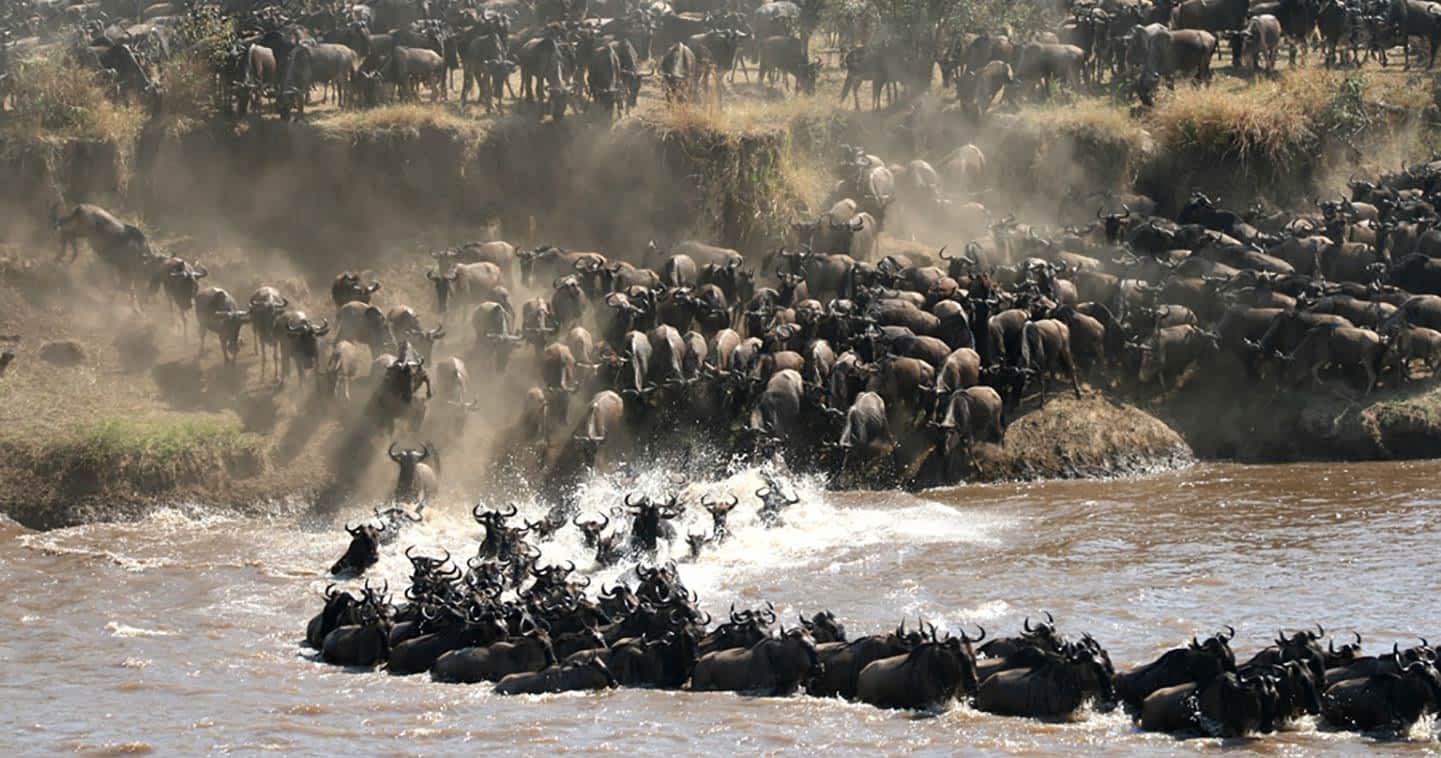
The Great Wildebeest Migration is one of the world’s most spectacular natural events, involving over 1.5 million wildebeest, plus hundreds of thousands of zebra and gazelle, moving in search of fresh grazing.
In Kenya, the herds arrive in the Maasai Mara National Reserve from Tanzania’s Serengeti, creating dramatic scenes.
The best months are July to October, when the herds cross the crocodile-infested Mara River—often multiple times—in thrilling, chaotic spectacles. Peak river crossings typically occur in August and September, with massive herds thundering across, predators like lions and crocodiles in pursuit. July sees the initial arrivals and crossings, while October features grazing in the Mara before the southward return.
This period coincides with the dry season, ensuring excellent visibility and predator action. Witnessing a river crossing is unpredictable but unforgettable—plan for several days in the Mara for the best chances.
Kenya Month-by-Month Travel Guide
January–February: Excellent dry period with warm weather and great wildlife viewing. Newborn animals abound (calving season echoes), and birdlife is strong with migrants.
Fewer crowds than peak migration months. Good for Amboseli (elephants against Mount Kilimanjaro) and coastal relaxation.
March–May: Long rains bring lush greenery, fewer tourists, and discounted rates. Wildlife disperses but birdwatching peaks. Roads can be challenging, but it’s rewarding for photographers seeking verdant landscapes. Avoid if mobility is an issue.
June–October: Peak safari season. June sees migration arrivals; July–October offer prime river crossings and concentrated animals. Dry, pleasant weather (cooler mornings/evenings). Maasai Mara is busiest in August–September—book early.
November–December: Short rains refresh the land, with good wildlife viewing and migratory birds. Fewer crowds, lower prices, and holiday vibes in December. Beaches are pleasant.
Best Time to Visit Kenya for Wildlife Safaris
The dry season (June–October, January–February) provides the best sightings across parks. In Amboseli National Park, elephants and Mount Kilimanjaro views shine in dry months.
Tsavo National Park offers vast landscapes with red dust and lions. Lake Nakuru National Park features flamingos and rhinos best when water levels are stable in dry periods.
Dry conditions concentrate animals, boosting Big Five encounters.
Best Time for Bird Watching
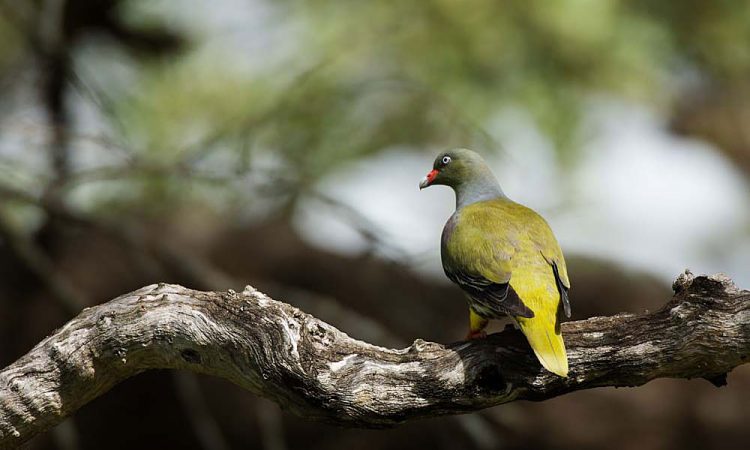
Kenya boasts over 1,100 bird species. The wetter months (November–April) are prime, as migratory birds from Europe/Asia arrive, and residents breed in vibrant plumage. Lake Naivasha and Lake Nakuru are hotspots for pelicans, flamingos, and eagles. November–April sees peak diversity.
Best Time for Beach Holidays in Kenya
Combine safari with coast relaxation at Diani Beach or Mombasa. The best months are December–March (warm, sunny, clear seas for diving/snorkeling) and July–October (dry, milder). Avoid heavy rains in April–May.
Best Time for Budget Travelers
The low/green season (March–May, November) offers cheaper lodges, discounted packages, and fewer crowds. Great value for safaris with lush scenery.
Wildlife You Can See in Kenya
Kenya hosts incredible diversity: African elephants (huge herds in Amboseli), giraffes (graceful in open plains), leopards (elusive but spotted in trees), cheetahs (fast pursuits in grasslands), lions (prides in Mara), rhinos (black and white in reserves), hippos, crocodiles, zebras, wildebeest, and more.
Kenya vs Tanzania Safari Seasons
Both countries share similar migration patterns and dry/wet seasons, with peak safari from June–October. Kenya’s Maasai Mara sees the migration July–October (river crossings August–September), while Tanzania’s Serengeti offers calving (January–March) and earlier crossings (June–July).
Kenya often has better infrastructure and easier access, while Tanzania provides more remote, exclusive experiences. Migration timing aligns closely, but Kenya edges for dramatic Mara River drama.
Safari Planning Tips
- Book safaris early (especially July–September) for prime lodges and migration spots.
- Pack light, breathable clothes for day; layers for cool evenings.
- Carry binoculars, sunscreen, hat, insect repellent, and rain gear (even dry season).
- Choose reputable operators for ethical wildlife viewing.
- Consider fly-in safaris for remote areas.
FAQs – Best time to visit Kenya
What is the best month to visit Kenya?
June to October for peak wildlife and migration; September balances crowds and value.
When is the Great Migration in Kenya?
July–October in Maasai Mara, with river crossings peaking August–September.
Is Kenya good for safari all year?
Yes—dry seasons excel for viewing; green seasons offer beauty and savings.
When is the cheapest time to visit Kenya?
March–May (long rains) and November for discounts and quiet parks.
In summary, time your trip based on priorities: June–October for classic safaris and migration thrills, or off-season for affordability and serenity. Kenya delivers unforgettable adventures year-round.