
Best Time to Visit Rwanda: Weather & Safari Guide
Best time to visit Rwanda: Rwanda, often called the “Land of a Thousand Hills,” boasts a temperate tropical highland climate that makes it a year-round destination.
However, the best time to visit Rwanda largely depends on your priorities—whether it’s gorilla trekking in Volcanoes National Park, wildlife safaris in Akagera National Park, chimpanzee tracking in Nyungwe Forest, or simply enjoying fewer crowds and lower prices.
Rwanda experiences two dry seasons and two rainy seasons due to its equatorial location and high elevation (averaging 1,000–2,000 meters).
The long dry season runs from June to September, while a shorter dry period occurs from December to February. Rainy seasons include the long rains (March to May) and short rains (October to November, sometimes extending to mid-December).
Temperatures are mild year-round, typically ranging from 15–27°C (59–81°F) daytime, cooler in mountains and warmer in lowlands like Akagera. Elevation significantly influences conditions—higher areas like Volcanoes NP are cooler and wetter.
This month-by-month guide targets travelers interested in primate adventures, safaris, photography, or budget trips, aligning with common search intents like when to visit Rwanda, Rwanda weather by month, and best time for gorilla trekking in Rwanda.
Rwanda Climate Overview
Rwanda’s climate is influenced by its altitude rather than strict seasons. Average temperatures hover around 20–22°C (68–72°F) in Kigali, but drop in mountainous regions. Rainfall varies: the southwest (Nyungwe) receives more, while the east (Akagera) is drier.
- Dry seasons (June–September long; December–February short): Lower rainfall, clearer skies, easier trails, better wildlife viewing.
- Rainy seasons (March–May long; October–November short): Higher rainfall (peaks in April), lush greenery, fewer tourists, but muddier paths and occasional heavy showers.
Rwanda travel seasons offer something for everyone—dry for comfort, wet for value and solitude.
Rwanda Weather by Month
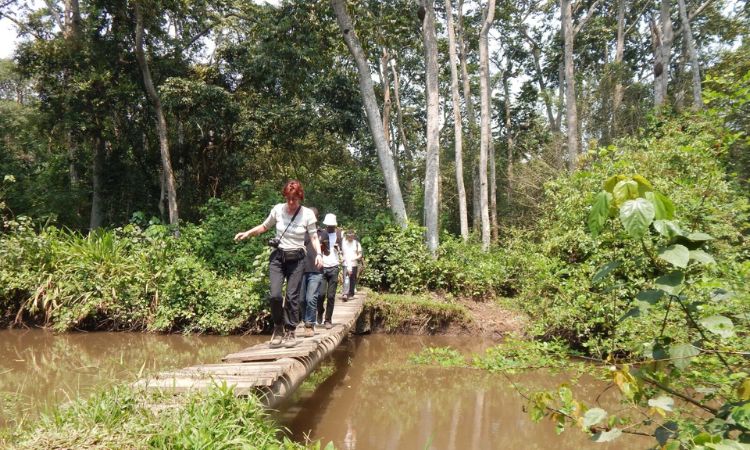
Here’s a detailed breakdown of Rwanda weather by month, including rainfall, temperatures, trekking conditions, crowds, and pricing.
- January: Short dry season. Mild temperatures (20–26°C), low rainfall (~75–90mm). Excellent for gorilla trekking—dry trails in Volcanoes NP. Good wildlife in Akagera. Fewer crowds post-holidays. Moderate-high prices.
- February: Still dry-ish, transitioning to short rains. Temps 20–27°C, rainfall ~90–135mm. Prime for best time for gorilla trekking in Rwanda (Volcanoes NP). Wildlife visible, birding strong. Moderate crowds, good value.
- March: Start of long rains. Temps 20–26°C, increasing rain (~115–170mm). Muddy trails make trekking tougher, but gorillas often lower. Lush landscapes for photographers. Lower crowds/prices.
- April: Wettest month. Temps 20–25°C, heavy rain (~150–155mm+). Challenging trekking due to mud/slippery paths. Wildlife disperses but birds abound. Fewest tourists, lowest prices—ideal for budget travelers.
- May: Long rains tail off. Temps 20–26°C, rainfall ~90–150mm. Trails improving. Greener scenery, good for chimp trekking in Nyungwe (abundant food). Low crowds, affordable.
- June: Long dry season begins. Temps 19–27°C, minimal rain (~20–30mm). Ideal conditions—dry trails, clear views. Best time for gorilla trekking in Rwanda and safaris. Crowds increase, higher prices.
- July: Peak dry. Temps 18–28°C, very low rain (~10–20mm). Excellent trekking, prime wildlife viewing in Akagera (animals at waterholes). High season—book early, premium pricing.
- August: Continued dry. Temps 19–28°C, low rain (~30–45mm). Superb for all activities. Peak crowds in Volcanoes NP. Best wildlife sightings.
- September: Dry season ends. Temps 19–28°C, slight rain increase (~70–105mm). Still great trekking/safaris. Shoulder season—balancing good weather and fewer crowds.
- October: Short rains start. Temps 19–27°C, rain ~105–160mm. Mud returns, but landscapes vibrant. Good for chimps in Nyungwe. Lower crowds/prices.
- November: Rainy. Temps 19–26°C, higher rain (~115–165mm). Challenging but possible trekking. Lush, bird-rich. Budget-friendly, quiet.
- December: Rains ease into short dry. Temps 19–27°C, rainfall ~75–125mm. Improving conditions. Holiday crowds, moderate-high prices.
Best Time for Specific Activities
Rwanda shines for primates and safaris, but timing matters.
Best Time for Gorilla Trekking
The best time for gorilla trekking in Rwanda (Volcanoes National Park) is the dry seasons: June–September (long) and December–February (short).
Drier trails reduce mud, making steep hikes easier. Gorillas are year-round, but dry conditions offer comfort and better photography.
Avoid peak wet months (April) for less strenuous treks. Expert guides note June–September provides the most comfortable conditions due to drier trails and thinner vegetation.
Best Time for Wildlife Safari
In Akagera National Park, the Rwanda safari best time is dry seasons (June–September, December–February). Vegetation thins, animals concentrate at water sources for easier spotting (Big Five possible). Wet seasons bring lush scenery but scattered wildlife.
Best Time for Chimpanzee Trekking
Nyungwe Forest National Park offers chimp habituation year-round, but dry seasons (June–September, December–February) ease forest navigation. Some sources favor wetter periods (October–May) for abundant food keeping chimps closer.
Pros & Cons of Each Season
Visiting Rwanda in the Dry Season (June–September & December–February)
- Easier gorilla trekking on firm trails
- Superior wildlife viewing in Akagera
- Clearer skies for photography
- Comfortable temperatures
- Higher prices (permits, lodges)
- More tourists, especially July–August
Visiting Rwanda in the Rainy Season (March–May & October–November)
- Fewer tourists, more intimate experiences
- Lower prices on accommodations/permits
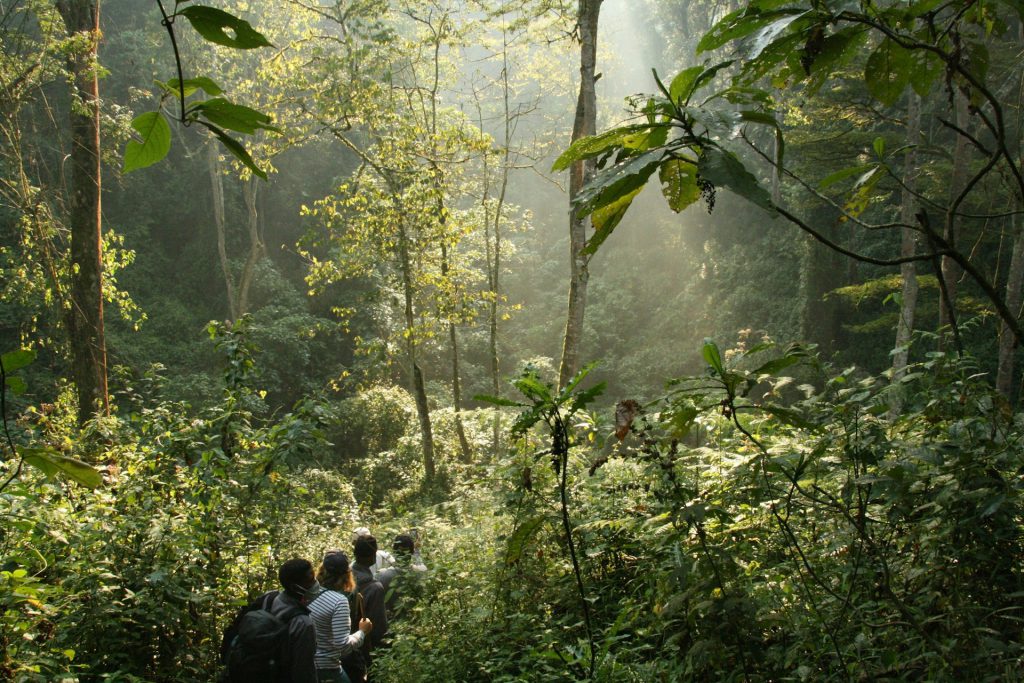
- Lush, green landscapes ideal for photography
- Excellent birdwatching
- Muddy/slippery trails (trekking harder)
- Potential heavy showers disrupting plans
- Some roads less accessible
Dry vs Rainy Season Comparison Table
|
Aspect |
Dry Season (Jun–Sep, Dec–Feb) |
Rainy Season (Mar–May, Oct–Nov) |
|
Weather |
Sunny, low rain |
Frequent showers, greener |
|
Crowd Levels |
High (peak Jun–Aug) |
Low |
|
Pricing |
Higher |
Lower (best deals) |
|
Wildlife Viewing |
Excellent (concentrated) |
Good (lush but dispersed) |
|
Trekking Difficulty |
Easier (dry trails) |
Harder (muddy) |
FAQs about Best Time to visit Rwanda
What is the best month to visit Rwanda?
June to September stands out as the overall best time to visit Rwanda, offering dry weather, prime gorilla trekking in Volcanoes National Park, and excellent safaris in Akagera.
Is Rwanda good to visit year-round?
Yes—Rwanda is a year-round destination. Gorillas and chimps are trackable anytime, but dry seasons provide the best comfort and conditions.
When is the rainy season in Rwanda?
Long rainy season: March–May; short rainy season: mid-September/October–mid-December. Expect afternoon showers, but days often clear.
Is gorilla trekking possible during rainy season?
Yes, permits are available year-round. However, muddy trails make it more challenging—wear good boots and prepare for slippery paths.
What is the cheapest time to visit Rwanda?
Rainy seasons (especially April–May and November) offer lower prices on lodges, permits, and fewer crowds for a budget-friendly trip.
Rwanda’s appeal lies in its biodiversity, safety, and welcoming people. For the ultimate experience, aim for dry seasons, but shoulder/wet times suit adventurers seeking value.
Planning a Rwanda safari? Contact us for a customized gorilla trekking itinerary or explore our Rwanda travel guide, gorilla trekking packages, and Rwanda safari tours.
Updated for 2026 based on current climate patterns and expert insights from sources like the Rwanda Development Board (RDB).