
Best Time to Book Gorilla Trekking Uganda: Seasons, Permits
The best time to book gorilla trekking Uganda is 3 to 6 months before your trip, or 6 to 12 months ahead if you plan to trek in the peak dry seasons of June to September and December to February.
Those dry months are also the best time to go gorilla trekking, as the trails are drier and easier to hike. For the best price, consider the low-season months of April, May and November.
Uganda gorilla permits then cost US$600 instead of the standard US$800 for foreign non-residents. Permits are also easier to get, though the trails are wetter.
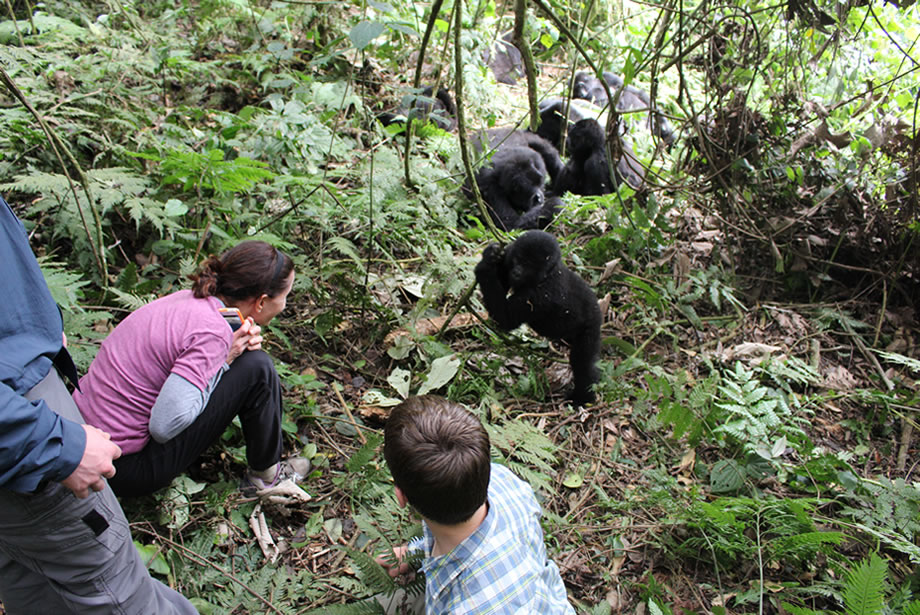
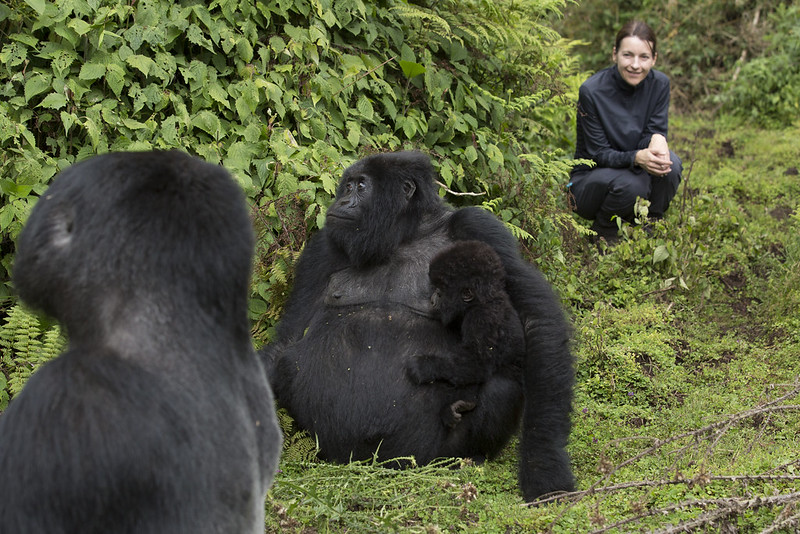
Uganda is one of Africa’s top destinations for gorilla trekking in Uganda, home to nearly half of the world’s remaining mountain gorillas. You can choose Bwindi gorilla trekking in dense, misty rainforest or a quieter Mgahinga gorilla trek on the slopes of the Virunga volcanoes. Either way, you spend one unforgettable hour with a habituated gorilla family, guided by expert rangers.
Booking your Uganda gorilla permits early matters because they are strictly limited. Only eight visitors can visit each habituated gorilla family per day, and permits for peak months often sell out months in advance.
Permit prices also depend on the date you buy, not the date you trek, so booking early can lock in today’s rates before any price change.
This Uganda gorilla trekking booking guide explains the best months to trek and how early to book. It also covers dry versus rainy season, low-season permit deals, Bwindi versus Mgahinga, and practical tips.
Whether you’re planning a luxury gorilla safari in Uganda or affordable gorilla trekking in Uganda, the right timing makes all the difference.
Why Uganda Excels for Gorilla Trekking
Uganda’s mountain gorillas inhabit two key protected areas: Bwindi Impenetrable National Park and Mgahinga Gorilla National Park. Bwindi, a UNESCO World Heritage Site, hosts over 400 gorillas across varied altitudes and vegetation, supporting exceptional biodiversity. Mgahinga, part of the Virunga massif shared with Rwanda and the DRC, offers dramatic volcanic landscapes and a quieter atmosphere.
The Uganda Wildlife Authority (UWA) manages conservation and tourism responsibly. Trekking fees support anti-poaching, community projects, and habitat protection.
Responsible tourism here directly aids gorilla survival, with habituated groups monitored daily by skilled rangers and trackers.
Weather and seasons significantly influence the trek. Dry periods bring firmer trails and clearer visibility, while rainy months provide lush greenery, lower crowds, and potential savings.
Understanding these patterns helps you align your gorilla trekking Uganda adventure with your priorities—comfort, exclusivity, or value.
Best Months for Gorilla Trekking in Uganda
The best month for gorilla trekking in Uganda depends on your preferences for weather, crowds, and budget. Uganda features two main dry seasons and two wetter periods.
Dry Season: The Prime Window (June to September & December to February)
The dry season ranks as the most popular for gorilla trekking Uganda. June through September offers the longest dry stretch, with December to February providing another reliable window.
Key Benefits:
- Easier hiking trails: Less mud and rain make steep, root-covered paths more manageable, especially important in Bwindi’s rugged terrain.
- Better visibility and photography: Drier vegetation and clearer skies improve gorilla sightings and stunning photos of mountain gorillas against the forest backdrop.
- More comfortable conditions: Lower humidity and fewer downpours suit most trekkers, particularly those with varying fitness levels.
- Peak wildlife activity: Gorillas remain active, and the forest buzzes with birds and other species.
July and August often see the highest demand, combining excellent weather with school holidays in many countries. December to February appeals for festive travel or escaping northern hemisphere winters. These months define the peak safari season, with higher lodge rates and faster permit sell-outs.
For luxury gorilla trekking Uganda, dry-season availability at premium lodges like those in Buhoma or near Rushaga becomes competitive.
Rainy/Wet Season Gorilla Trekking (March to May & October to November)
The wetter months still offer rewarding gorilla trekking Uganda experiences, often with distinct advantages:
Advantages:
- Fewer tourists: Enjoy a more private encounter with smaller groups on trails.
- Greener, lush scenery: Vibrant foliage and blooming plants create a magical, immersive forest atmosphere ideal for photography.
- Better gorilla permit availability: Easier last-minute or shorter-notice bookings.
- Discounted rates: Many lodges and operators offer promotions, making affordable gorilla trekking Uganda more accessible. Some periods feature reduced permit prices (e.g., around $600 for foreign non-residents in select low months).
- Abundant birdlife and flora: Ideal for nature enthusiasts beyond primates.
Challenges include muddy trails, slippery conditions, and occasional heavy showers. Proper gear and a positive mindset turn these into memorable adventures. Many experienced travelers praise the shoulder seasons for balancing cost, availability, and authenticity.
How Early Should You Book Gorilla Trekking Permits in Uganda?
Uganda gorilla permits sell out quickly, particularly in dry seasons. Planning ahead is non-negotiable for guaranteed access.
Recommended Booking Windows:
- Regular travel (shoulder seasons): 3–6 months in advance.
- Peak seasons (June–September, December–February): 6–12 months ahead, especially for popular sectors or holiday periods.
- Luxury lodges: Book even earlier due to limited high-end rooms.
Why the urgency? Each gorilla family accommodates just eight trekkers daily. With hundreds of thousands of annual visitors drawn to Bwindi gorilla trekking and Mgahinga, competition is fierce. Permits are issued by UWA and often secured through authorized tour operators.
Current Permit Information (2026):
- Foreign non-residents: $800 USD per person (standard rate).
- Discounts may apply in low seasons (e.g., April, May, November at around $600 in some promotions).
- Gorilla habituation experience: $1,500+ USD (longer, more immersive contact).
- Rates include guide fees, park entry, and community contributions.
Prices support conservation and can adjust; always verify with UWA or a reputable operator. Gorilla permit availability remains highest in wetter months but requires early action year-round for preferred dates and families.
Comparing Seasons for Gorilla Trekking in Uganda
|
Season |
Advantages |
Challenges |
Best For |
|
Dry (Jun–Sep, Dec–Feb) |
Easier trails, better photos, comfortable weather |
Higher demand, higher prices, more crowds |
First-timers, photographers, luxury travelers |
|
Wet (Mar–May, Oct–Nov) |
Fewer tourists, lush scenery, discounts, good availability |
Muddy/slippery trails, rain |
Budget travelers, repeat visitors, solitude seekers |
This comparison highlights trade-offs, helping you choose based on priorities for your gorilla safari Uganda.
Where Gorilla Trekking Happens in Uganda
Bwindi Impenetrable National Park
Bwindi Impenetrable Forest is the heart of gorilla trekking Uganda, with four main sectors offering varied experiences:
- Buhoma: Northern sector, most established with excellent lodges. Easier access and classic forest immersion. Popular for families and luxury stays.
- Rushaga: Southern sector with the highest number of habituated groups. Good for larger parties and habituation experiences.
- Ruhija: Eastern, higher-altitude sector. Excellent for birding, cooler climate, and stunning views.
- Nkuringo: Remote southern sector. Quieter, more adventurous feel with dramatic landscapes.
Multiple sectors allow operators to match groups to suitable gorilla families and difficulty levels.
Mgahinga Gorilla National Park
This smaller park provides a more exclusive, scenic alternative. Treks here often include golden monkey viewing and hikes on volcanic slopes with views of the Virunga volcanoes. It suits those seeking tranquility and multi-day adventures combined with community visits.
Travel Tips for a Successful Gorilla Trek
- Fitness preparation: Treks last 2–8+ hours. Build cardiovascular strength and leg endurance.
- Gear essentials: Sturdy hiking boots with good grip, rain jacket/pants (essential year-round), long sleeves/pants, gloves, hat, binoculars, and waterproof camera gear.
- Porter services: Highly recommended. Local porters provide support, carry bags, and boost the community economy (tipping appreciated).
- Altitude and health: Bwindi ranges 1,160–2,607m. Acclimatize if needed; follow guide instructions.
- Photography tips: Use fast shutter speeds for movement. Respect rules—no flash, maintain distance, speak quietly.
- Responsible practices: Follow UWA guidelines. No eating, drinking, or littering near gorillas. Support community initiatives.
Accommodation Options for Every Budget
- Luxury gorilla trekking Uganda: Premium lodges like Sanctuary Gorilla Forest Camp (Buhoma), Clouds Mountain Gorilla Lodge (Nkuringo), or Bisate-like experiences with private views and fine dining.
- Mid-range: Comfortable tented camps and lodges with en-suite facilities.
- Budget/affordable: Community-run camps and basic lodges offering authentic immersion.
Sectors like Buhoma and Rushaga have the widest range of options. Combining with other Uganda safaris (e.g., Queen Elizabeth or Murchison Falls) creates comprehensive itineraries.
Related resources: Explore our Gorilla trekking packing list, Bwindi gorilla safari details, Rwanda vs Uganda gorilla trekking comparison, and Luxury Uganda gorilla safari.
FAQs About Gorilla Trekking in Uganda
What is the best month for gorilla trekking in Uganda?
June to September generally offers the best overall conditions due to drier weather, though December–February is also excellent.
How early should I book gorilla permits?
3–6 months for most dates; 6–12 months for peak dry season and holidays.
Is gorilla trekking better in the dry season?
Yes for comfort and ease, but the wet season provides fewer crowds and greener beauty.
Can I trek gorillas during the rainy season?
Absolutely. With proper gear, it’s rewarding and often more peaceful.
Which park is best for gorilla trekking in Uganda?
Bwindi for variety and gorilla numbers; Mgahinga for exclusivity and scenery.
How difficult is gorilla trekking in Uganda?
Moderate to strenuous. Fitness helps, but porters and guides accommodate most healthy adults over 15.
Conclusion: Plan Your Unforgettable Gorilla Encounter
The best time to book gorilla trekking in Uganda hinges on balancing weather, crowds, and availability. Dry seasons (June–September, December–February) deliver optimal trekking conditions, while wetter months shine for value and solitude.
Book Uganda gorilla trekking permits early—ideally months in advance—to secure your spot with mountain gorillas in Bwindi Impenetrable Forest or Mgahinga.
Uganda rewards travelers with more than just gorilla sightings. It offers deep connections to nature, culture, and conservation. From luxury gorilla trekking Uganda to affordable gorilla trekking Uganda options, your gorilla safari Uganda will create lifelong memories.
Ready to experience the magic? Contact us today to discuss tailored packages, check gorilla permit availability, and start planning your adventure in the land of mountain gorillas. The forest awaits—don’t miss your chance to stand among the giants.