
What Do Shrews Eat? Diet, Favourite Foods and Feeding Habits
What do shrews eat: Shrews are small, active mammals that mainly eat insects, worms, spiders and other tiny invertebrates. Their diet varies depending on the species, habitat and food available, but most shrews are insectivores that spend much of their time searching for small prey in soil, leaf litter, grass and vegetation.
Although shrews look like mice, they are not rodents. They belong to the mammalian order Eulipotyphla and have pointed snouts, tiny eyes and sharp teeth adapted for catching and eating small animals. Their high energy requirements mean they must feed frequently to survive.
What Foods Do Shrews Eat?
Shrews mainly eat small animals they can catch, especially:
-
Insects: Beetles, ants, crickets, grasshoppers, flies and moths.
-
Insect larvae and pupae: Soft-bodied immature insects found in soil, under leaves and inside decaying wood.
-
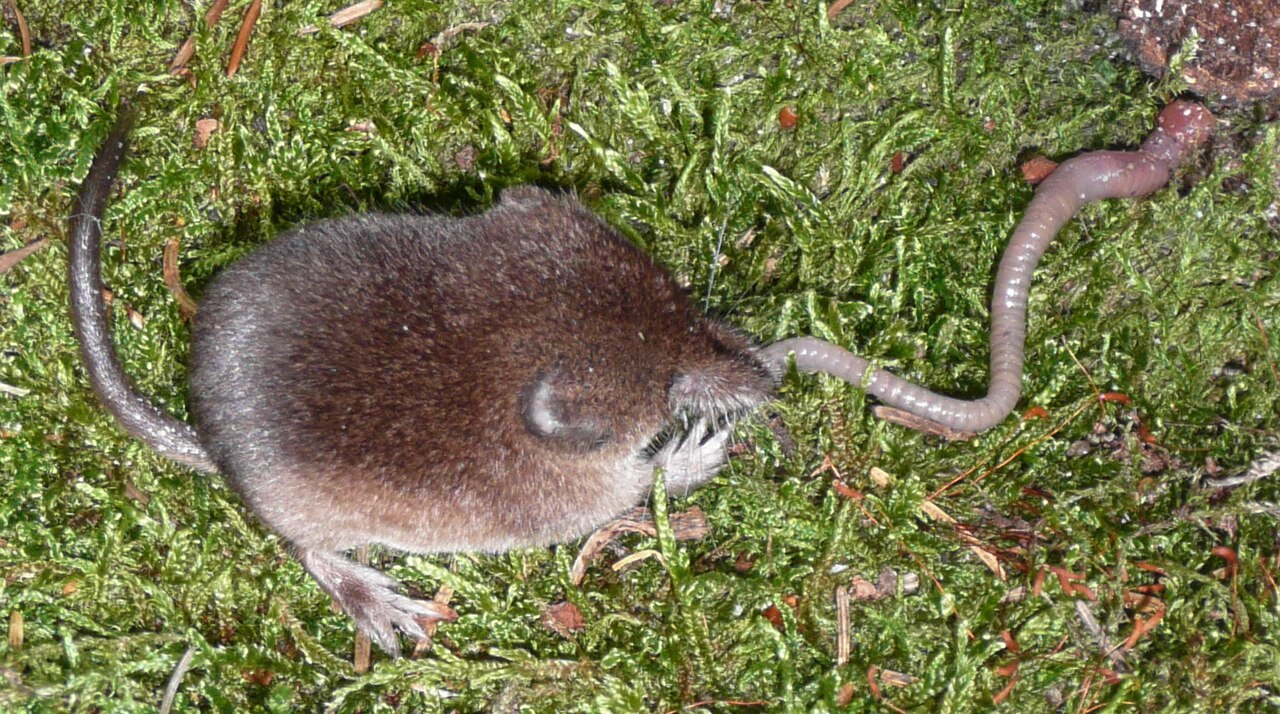
Earthworms: A valuable source of food in damp soil and woodland habitats.
-
Spiders: Small spiders and other ground-dwelling arthropods.
-
Snails and slugs: These are eaten by several shrew species, particularly those living in moist environments.
-
Centipedes and other small invertebrates: Shrews may also hunt these creatures when they are available.
Some larger shrew species eat small vertebrates, including frogs, lizards, mice, young birds and other shrews. Their diet is therefore not limited to insects.
Do Shrews Eat Plants?
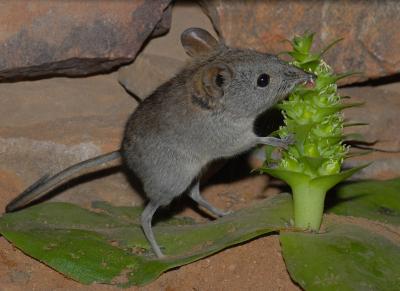
Most shrews eat very little plant material because they are primarily insect-eating mammals. However, some species occasionally consume fruits, seeds, nuts, roots and fungi.
Plant foods are generally supplementary rather than the main part of their diet. The amount of plant material they eat depends on the species, season and availability of animal prey.
Do Shrews Eat Other Animals?
Yes. Although insects and other invertebrates make up most of their diet, some shrews are capable of catching and eating small vertebrates.
Larger species, such as short-tailed shrews, may prey on small frogs, salamanders, lizards, mice, young birds and even other shrews. This behaviour is more likely when suitable prey is available or other food is scarce.
Some short-tailed shrews also produce venom in their saliva. This can help immobilise prey, making it easier to capture and store food.
How Much Food Does a Shrew Eat in a Day?
Shrews have exceptionally high energy requirements compared with their tiny body size. They use energy quickly and must eat frequently to maintain their body temperature and remain active.
Depending on the species, a shrew may consume food equivalent to a large proportion of its body weight every day. Some species eat around 50–100% of their body weight, while others can consume considerably more.
For example, the Missouri Department of Conservation reports that the cinereus shrew can eat up to three times its body weight in 24 hours. This frequent feeding helps explain why shrews spend so much time hunting for food.
How Do Shrews Find and Catch Their Food?
Shrews use their sensitive snouts, whiskers, hearing and sense of touch to locate prey. They search through leaf litter, loose soil, grass, underground tunnels and decaying logs where insects and other small creatures hide.
Their pointed snouts help them investigate narrow spaces, while their sharp teeth allow them to grip and bite prey. Once they detect a suitable food source, they move quickly to capture it.
Different species have different hunting techniques. Some search beneath fallen leaves, while others dig through soil or hunt among vegetation. Certain species can also climb plants to catch insects.
Shrews are active throughout the day and night, although activity patterns vary between species. Their frequent need to feed means they cannot spend long periods without finding food.
Do Shrews Eat Every Day?
Yes. Shrews need to feed regularly throughout the day and night. Unlike some mammals that can rely on stored body fat for extended periods, shrews have limited energy reserves and high metabolic demands.
Many species continue searching for food throughout the year, including during cold seasons. They may find insect larvae, pupae and other small creatures hidden in soil, leaf litter and rotting wood.
This continuous feeding behaviour is one reason shrews are rarely inactive for long.
Does a Shrew’s Diet Change With Its Habitat?
Yes. The food available to a shrew depends largely on its surroundings. Different species occupy woodlands, grasslands, wetlands, gardens and other habitats, and they eat whatever suitable prey they can find.
For example:
-
Woodland shrews: Feed on insects, spiders, earthworms and larvae found beneath fallen leaves and decaying logs.
-
Grassland shrews: Hunt grasshoppers, beetles, crickets and other small invertebrates among grasses.
-
Wetland shrews: May feed on aquatic insects, worms and other small animals found near streams, marshes and damp ground.
-
Garden shrews: Search for insects, slugs, spiders and earthworms in soil, compost and vegetation.
This flexibility allows different shrew species to survive in a variety of environments.
Are Shrews the Same as Mice?
No. Shrews and mice may look similar because they are both small mammals, but they belong to different mammalian groups.
Shrews have long, pointed snouts, tiny eyes and sharp teeth adapted for capturing small prey. Most feed mainly on insects and other invertebrates.
Mice are rodents with prominent front incisors that continuously grow. Their diets are generally more varied and commonly include seeds, grains, fruits and other plant materials, although some mice also eat insects.
Shrews are therefore not a type of mouse, even though people sometimes mistake them for one.
Frequently Asked Questions About What Shrews Eat
Do shrews eat insects?
Yes. Insects are among the main foods eaten by shrews. Their diet commonly includes beetles, ants, crickets, grasshoppers, flies, insect larvae and pupae.
Do shrews eat worms?
Yes. Earthworms are an important food source for many shrew species, particularly those living in damp soil, forests and areas with plenty of leaf litter.
Do shrews eat spiders?
Yes. Shrews hunt and eat spiders, along with other small arthropods such as centipedes and insects.
Do shrews eat fruit?
Most shrews rarely eat fruit because their diets consist mainly of animal prey. However, some species occasionally consume fruits, seeds, nuts and other plant materials.
Do shrews eat frogs and mice?
Some larger shrew species can catch and eat small vertebrates, including frogs, salamanders and mice. However, these animals are not the primary food of most shrews.
How often do shrews need to eat?
Shrews feed frequently because they have high metabolic rates and use energy quickly. Some species need to eat every few hours, making regular hunting essential for survival.
Conclusion
Shrews mainly eat insects, earthworms, spiders, larvae, snails, slugs and other small invertebrates. Some larger species also hunt small vertebrates, while a few occasionally consume fruits, seeds and other plant materials.
Because of their high energy requirements, shrews spend much of their time searching for food. Their feeding habits make them important predators of small invertebrates in many natural habitats.