Budget Uganda Safari Cost: Real Prices for 2026
Budget Uganda Safari Cost: Wondering what a genuinely budget Uganda safari actually costs before you commit to booking? Uganda offers some of the most affordable gorilla trekking and wildlife safari options anywhere in Africa, and this guide breaks down exactly what to expect at the budget end of the market — real accommodation prices, real permit costs, and genuine money-saving strategies that don’t compromise the actual wildlife experience, for European travellers planning a cheap Uganda gorilla safari in 2026.
The One Cost That Never Changes, Regardless of Budget
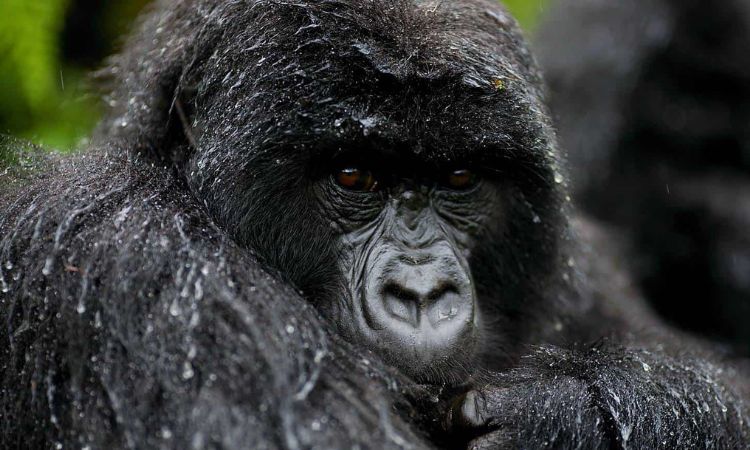
Before anything else, it’s worth understanding the single largest fixed cost on any budget gorilla trekking Uganda safari: the gorilla trekking permit itself, priced at USD 800 per person through the Uganda Wildlife Authority.
This fee is identical whether you’re staying in a $25-a-night community guesthouse or a luxury lodge, and it cannot be discounted, haggled down, or reduced through any operator or middleman.
Understanding this upfront matters enormously for budget planning — your permit is the floor beneath every Uganda gorilla safari cost, and every genuine saving comes from everything else around it.
Budget Accommodation: Real Prices Near Bwindi
The single biggest lever for reducing your overall cheap Uganda safari cost is accommodation choice, and Bwindi Impenetrable National Park genuinely offers excellent budget options without sacrificing comfort or safety.
Community-run lodges and guesthouses — Buhoma Community Rest Camp, Bwindi Backpackers Lodge, Bwindi Community Guest House, Rushaga Gorilla Camp, Ruhija Gorilla Friends Resort, and Gift of Nature Lodge — typically run $20 to $60 per night, offering simple ensuite or shared rooms, hot showers, and meals made with local produce.
Beyond the price advantage, staying at a community-run lodge also means your money flows more directly into the local economy around the park, rather than a portion going to management fees for an internationally owned luxury chain.
Budget Transport: Getting to Bwindi Without Overspending
Transport is the second major lever in any affordable Uganda gorilla trekking budget. Public buses running daily from Kampala or Entebbe to towns like Butogota, Kihihi, or Kabale/Kisoro cost roughly $10 to $25 one-way, though the journey itself takes 8 to 10-plus hours.
Travelling in a small group and splitting shared transport — rather than booking a private vehicle solo — is one of the most effective ways to control this cost, and choosing accommodation close to your specific trekking sector’s park gate (Rushaga or Ruhija, in particular) minimises the early-morning transfer time and cost before your trek even begins.
Sample Budget Uganda Safari Cost: Under $1,200–$1,500 Per Person
For a genuinely short, gorilla-focused trip, a realistic total cost of under $1,200 to $1,500 per person is achievable — covering the $800 permit, two nights at a budget lodge, shared or public transport, and meals — excluding international flights.
This figure assumes travelling in a group, staying at a community-run guesthouse near your trekking sector, and keeping extras to a minimum.
It’s a genuinely honest, achievable number for backpackers and solo travellers specifically prioritising the gorilla encounter itself over surrounding comfort.
Budget Cost by Trip Length
3 Days: A compact, gorilla-focused budget 3 day Uganda safari built around a single trek and two nights near Bwindi comes in at the lower end of the budget spectrum, since it minimises both accommodation nights and transport legs.
6 Days: Extending into a week that adds savanna wildlife viewing alongside gorilla trekking raises the total moderately, since additional park entry fees and an extra few nights of budget lodging enter the equation — though the marginal cost per additional day drops the longer your trip runs.
9 Days: A genuinely comprehensive 9 days Uganda budget safari covering gorilla trekking, chimpanzee tracking, and multiple parks stretches further while still keeping the accommodation and transport choices at the affordable end throughout — proof that “budget” doesn’t have to mean “compromised” once your trip length allows costs to spread across more days.
Hidden Costs Worth Budgeting For
Even the most carefully planned budget Uganda gorilla safari carries a few genuinely easy-to-overlook extras: porter tips for your trek ($10–$20, and genuinely worth paying given how physically demanding carrying gear on steep trails can be), guide and driver gratuities, bottled water and snacks purchased along the route, and travel insurance — not included in any package tier but genuinely recommended given the trekking and remote-region nature of this trip. Budgeting an additional 10 to 15% on top of your core cost estimate accounts for these realistically.
Best Time to Travel for Budget Savings
The wet seasons — March to May and October to November — bring genuinely lower lodge rates and thinner crowds across every budget accommodation option near Bwindi, precisely because trails turn muddier and less predictable.
For budget-focused European travellers with flexible dates, timing your trip around these shoulder months is one of the few ways to reduce accommodation cost further, since the fixed $800 permit price never moves regardless of season.
Money-Saving Tips for Your Uganda Gorilla Safari
Travel in a group of four or more to split shared transport costs meaningfully. Choose community-run lodges over international chains, both for the price and for the direct local economic benefit.
Book your gorilla permit 3 to 6 months ahead regardless of budget tier, since availability — not price — is the real constraint during peak season.
Stay close to your assigned trekking sector’s gate rather than a more scenic but distant lodge, cutting both transport cost and early-morning transfer stress. And consider the wet season if lodge cost matters more to you than optimal trekking conditions.
Budget Uganda Safari Packages to Consider
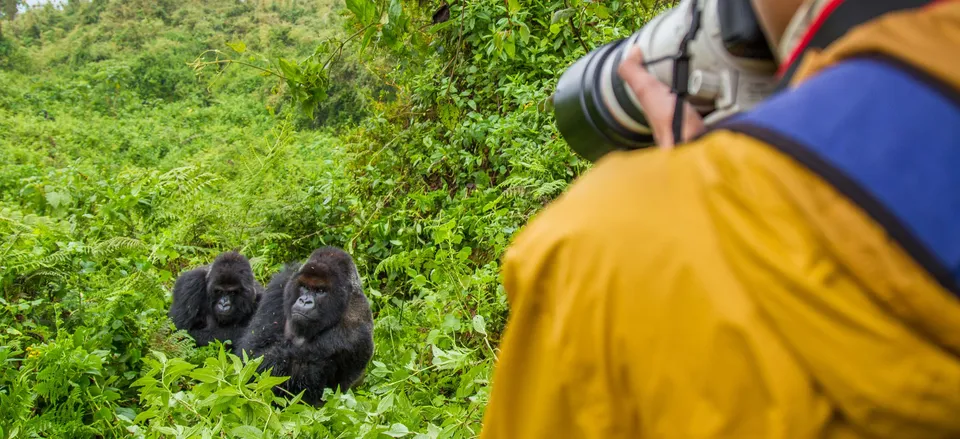
Our 3 Days Uganda Gorilla Trekking Safari starts from $1,200 per person, covering the classic Bwindi gorilla trek with a private 4×4 transfer and full board — genuinely one of the most accessible entry points into Uganda gorilla trekking available anywhere.
Our 9 Days Uganda Budget Safari extends this into a full, affordable circuit across multiple parks, keeping accommodation and transport at the budget-conscious end throughout while still delivering Uganda’s headline wildlife and primate experiences.
Why Book Your Budget Uganda Safari With Gorilla Nests Safaris
Choosing the right operator matters just as much on a budget trip as a luxury one — a good operator secures your permit reliably, matches you honestly to genuinely comfortable budget lodges rather than substandard ones, and keeps your itinerary transparent from quote to final invoice.
At Gorilla Nests Safaris, we build every budget itinerary around exactly this principle: no hidden fees, no bundled black-box pricing, and honest guidance on where your money is best spent versus where it’s safe to economise.
Our 3 Days Uganda Gorilla Trekking Safari and 9 Days Uganda Budget Safari reflect exactly this transparent, budget-conscious approach.
Ready to see real 2026 budget pricing for your exact travel dates? Contact Gorilla Nests Safaris today or WhatsApp +256 755 295 513 for a personalised quote — whether you’re backpacking solo or travelling as a small group, we’ll build the budget Uganda safari that genuinely fits what you can spend, without cutting corners on the gorilla encounter itself.
FAQ: Budget Uganda Safari Cost
What is the cheapest way to see gorillas in Uganda? Book a 3-day trip staying at a community-run budget lodge near your trekking sector’s gate, travel in a small group to split transport costs, and expect a realistic total of $1,200–$1,500 per person including the $800 permit.
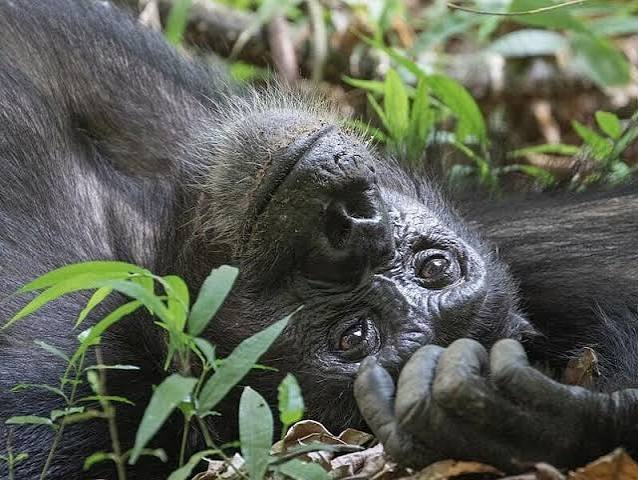
Does a budget safari mean a worse gorilla trekking experience? No — the trek itself (permit, ranger guide, one-hour gorilla encounter) is identical regardless of accommodation tier. Budget travel only affects comfort before and after the trek, not the wildlife encounter itself.
How much should I budget for tips and extras? An additional 10 to 15% on top of your core cost estimate covers porter tips, guide gratuities, water, and snacks — genuinely easy to overlook when budgeting.
Is the wet season a good time for a budget Uganda safari? Yes — March to May and October to November bring lower lodge rates and thinner crowds, though trails can be muddier, making it a genuine trade-off worth considering if cost matters more than optimal conditions.
How far in advance should I book a budget gorilla permit? 3 to 6 months ahead regardless of budget tier, since permit availability — not price — is the real constraint during peak season.