
How Many White Rhinos Are Left? Population, Facts & Conservation 2026
How Many White Rhinos Are Left: There are about 15,700–16,000 white rhinos left in the wild today. The northern white rhino is nearly extinct, with only 2 individuals remaining.
The white rhinoceros (Ceratotherium simum) stands as one of Africa’s most iconic megafauna species, yet its future remains precarious despite remarkable conservation successes.
As of the latest assessments in late 2024 and early 2026 estimates, the total wild population hovers around 15,752 individuals, with some sources rounding to approximately 16,000.
This figure represents a notable decline in recent years, driven primarily by poaching, even as overall rhino poaching incidents in Africa have shown modest decreases.
While the southern white rhino subspecies has rebounded dramatically from near-extinction in the early 20th century, the northern subspecies is functionally extinct in the wild, surviving only through two aging females under intensive protection.
Understanding these numbers, trends, threats, and ongoing efforts is crucial for anyone interested in African wildlife, safari tourism, or global conservation.
White Rhino Population Breakdown
White rhinos consist of two subspecies with vastly different conservation outlooks:
Southern White Rhino (Ceratotherium simum simum)
This subspecies accounts for virtually the entire global white rhino population, estimated at around 15,752 individuals as of the end of 2024. The majority live in protected areas and private game reserves across southern and eastern Africa.
South Africa hosts the overwhelming share—approximately 12,000+ animals—making it the global stronghold. Other significant populations exist in Namibia (around 1,500), Kenya (over 1,000), Zimbabwe, and smaller reintroduced groups in countries like Botswana, Eswatini, Zambia, and Uganda.
Southern white rhinos are classified as Near Threatened by the IUCN, the only rhino species not currently listed as Endangered or Critically Endangered. They are large grazers that prefer open grasslands and savannas, where they play a key role in shaping vegetation.
Northern White Rhino (Ceratotherium simum cottoni)
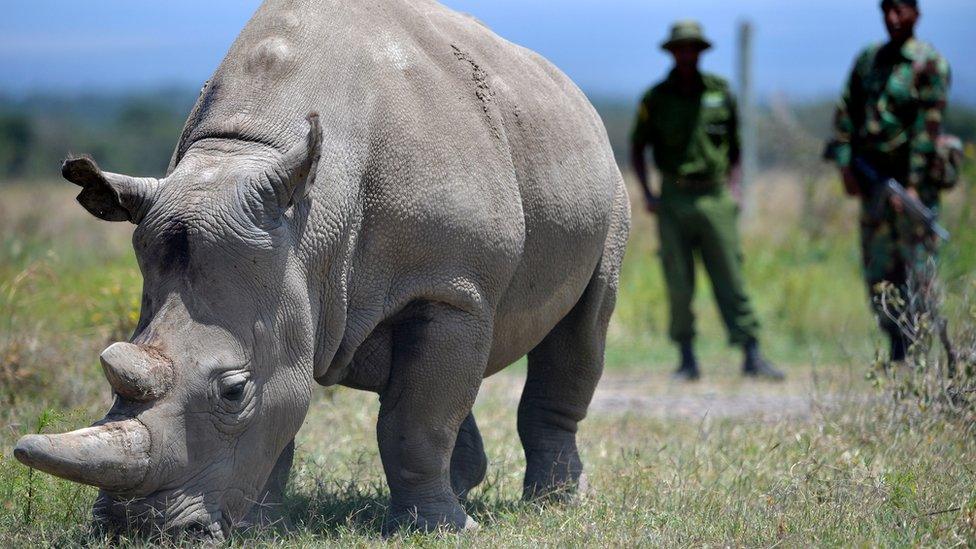
Only two individuals remain—both females named Najin and Fatu. They live under 24-hour armed guard at Ol Pejeta Conservancy in Kenya. The last male, Sudan, died in 2018, rendering the subspecies functionally extinct because natural reproduction is no longer possible.
Advanced reproductive technologies, including in vitro fertilization and embryo creation (with dozens of northern white rhino embryos now stored), offer a slim hope for future recovery, but success is far from guaranteed.
This stark contrast highlights how the southern population serves as a beacon of hope while the northern one underscores the devastating impact of unchecked poaching and habitat pressures in Central and East Africa decades ago.
Where White Rhinos Live
Southern white rhinos are concentrated in a few key countries:
- South Africa: Home to the vast majority, with strongholds in Kruger National Park, Hluhluwe-iMfolozi Park, and numerous private reserves.
- Namibia: Significant populations in both state and private conservancies.
- Kenya: Important East African presence, including at Ol Pejeta (which also safeguards the last northern white rhinos) and other conservancies.
- Other nations: Smaller but growing populations in Zimbabwe, Botswana, Eswatini, Zambia, and Uganda, where reintroduction efforts are underway.
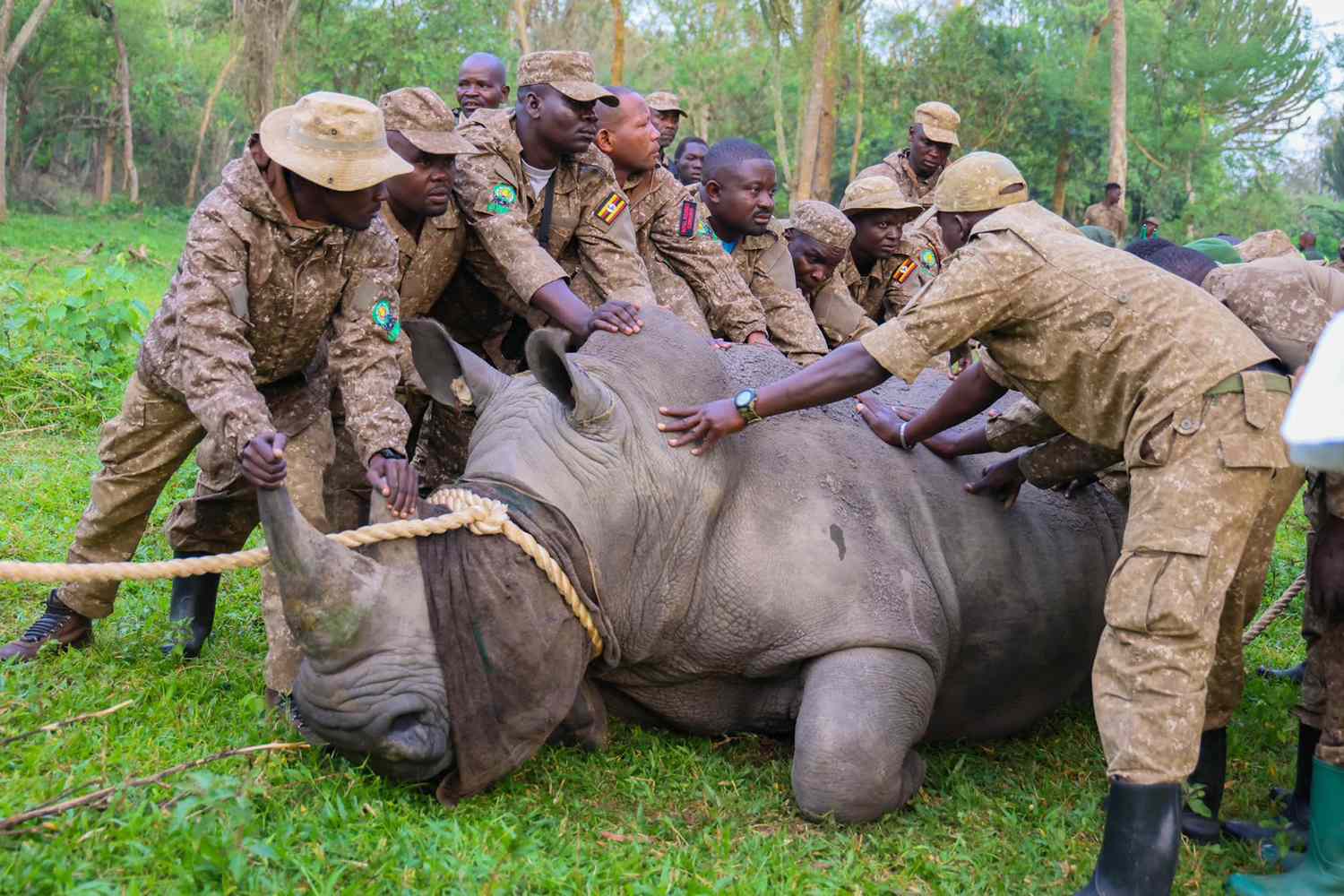
In Uganda, for example, Ziwa Rhino Sanctuary has successfully bred southern white rhinos, and recent translocations in 2025–2026 have begun re-establishing free-ranging populations in areas like Kidepo Valley National Park, decades after the species was wiped out locally by poaching and conflict.
These animals thrive in grassland and savanna habitats but require secure, well-managed protected areas to survive amid human pressures.
Population Trends Over Time
The story of the white rhino is one of dramatic recovery followed by renewed challenges.
In the early 1900s, southern white rhinos were on the brink of extinction, with fewer than 100 individuals surviving in a single small population in what is now KwaZulu-Natal, South Africa.
Intensive protection, breeding programs, and translocation efforts (notably “Operation Rhino” in the mid-20th century) led to a remarkable rebound.
By the 1960s, numbers had grown to several hundred; by the 1990s, thousands; and by the early 2010s, the population peaked around 20,000.
Growth slowed and then reversed as poaching surged in the 2010s, fueled by demand for rhino horn in illegal wildlife trade. From a high of over 18,000–20,000 in some estimates around 2012–2018, numbers have declined to the current ~15,700–16,000 range.
Recent data shows an 11.2% drop in white rhino numbers between 2023 and 2024, reaching near two-decade lows, despite some fluctuations and temporary increases in earlier years.
The northern subspecies followed a steeper decline: once numbering in the thousands across Central Africa, it plummeted due to civil unrest, habitat loss, and poaching, reaching just a handful by the 2000s.
Why White Rhinos Are Declining
The primary threat is poaching for rhino horn, which is falsely believed in some cultures to have medicinal properties or status value.
Horn is made of keratin—the same material as human fingernails—but commands exorbitant prices on the black market, sometimes tens of thousands of dollars per kilogram.
In South Africa alone, poaching numbers have decreased in recent years: 420 rhinos killed in 2024 and 352 in 2025 (a 16% drop), yet hundreds are still lost annually.
Across Africa, poaching incidents reached a 14-year low in 2024, but white rhinos remain the most targeted due to their larger population and accessible habitats.
Additional pressures include:
- Habitat loss and fragmentation from agriculture, human settlement, and infrastructure.
- Drought and climate impacts affecting food availability and water sources.
- Management challenges in large parks, where small, isolated populations face genetic bottlenecks or reduced breeding success.
Conservation Efforts
Despite the declines, dedicated conservation work continues to yield results. Anti-poaching units, often involving highly trained rangers, sniffer dogs, and advanced technology like drones and camera traps, patrol key areas.
Dehorning (safely removing horns to reduce poaching incentive) has proven effective in some reserves, leading to sharp drops in losses.
Protected areas and private conservancies play a vital role. Community-based models in Namibia and Kenya empower local people through tourism revenue and employment, reducing incentives for poaching. Translocation programs move rhinos to safer or under-populated habitats, boosting genetic diversity.
Breeding programs, such as those at Ziwa Rhino Sanctuary in Uganda, have successfully increased local numbers and supported reintroductions. International collaboration through organizations like the International Rhino Foundation, Save the Rhino, WWF, and IUCN helps coordinate strategies, fund equipment, and share best practices.
For the northern white rhino, the BioRescue project represents cutting-edge science: creating embryos via IVF using stored northern cells and southern white rhino surrogates. While still experimental, it offers a potential path to one day reintroduce the subspecies.
Why Northern White Rhinos Are Almost Extinct
The northern white rhino’s plight stems from a perfect storm in the late 20th century. Populations in countries like the Democratic Republic of Congo, Sudan, and Central African Republic were decimated by poaching amid political instability and conflict. By the time focused protection began, numbers were too low to recover naturally.
The remaining animals were moved to sanctuaries, but the loss of males and advanced age of survivors sealed their reproductive fate without intervention. Najin and Fatu, now elderly, are carefully monitored, but natural breeding is impossible.
Their story serves as a cautionary tale about the speed at which even abundant species can collapse when threats intensify.
Comparison with Other Rhinos
White rhinos represent the most numerous of the five rhino species, yet they face unique pressures compared to others:
- Black rhino: Around 6,788 individuals (Critically Endangered). Numbers have grown modestly (about 5% recently), but they remain far more threatened due to lower baseline populations and browsers’ more dispersed habitats.
- Greater one-horned rhino (Asia): Approximately 4,000+, showing strong recovery in India and Nepal.
- Javan and Sumatran rhinos: Fewer than 100 and 34–47 respectively—both Critically Endangered and on the edge of extinction.
White rhinos benefit from being grazers in more open landscapes (easier to monitor) but suffer from higher visibility to poachers. A simple comparison table might look like this:
|
Species |
Approx. Wild Population |
IUCN Status |
|
Southern White Rhino |
~15,752 |
Near Threatened |
|
Black Rhino |
~6,788 |
Critically Endangered |
|
Greater One-Horned |
~4,075 |
Vulnerable |
|
Javan Rhino |
~50–75 |
Critically Endangered |
|
Sumatran Rhino |
~34–47 |
Critically Endangered |
White rhinos thus offer the best chance for large-scale population recovery if threats are controlled.
Why White Rhinos Matter
White rhinos are ecosystem engineers. As bulk grazers, they maintain short grasslands, create paths that other animals use, and disperse seeds through their dung. Their presence supports biodiversity, from insects to birds to larger predators.
Economically, they drive safari tourism, generating revenue for conservation and local communities. In countries like South Africa, Kenya, and Uganda, rhino-viewing experiences on wildlife safaris contribute significantly to national economies while fostering public support for protection.
Losing them would diminish Africa’s natural heritage and signal broader failures in combating illegal wildlife trade.
FAQs – How many white rhinos are left
How many white rhinos are left in 2026?
Approximately 15,700–16,000 southern white rhinos remain in the wild, with only 2 northern white rhinos left.
Are white rhinos endangered?
Southern white rhinos are classified as Near Threatened, while the northern subspecies is functionally extinct. Overall, the species faces ongoing threats but is not as critically endangered as black or Asian rhinos.
Where can you see white rhinos?
Prime locations include Kruger National Park and private reserves in South Africa, Etosha and other areas in Namibia, Ol Pejeta and Lewa in Kenya, and Ziwa Rhino Sanctuary or emerging sites in Uganda. Responsible operators prioritize ethical viewing and support conservation.
Why are they being poached?
Primarily for their horns, which fuel a lucrative illegal trade in Asia despite lacking proven medicinal value beyond placebo effects.
Can the northern white rhino be saved?
Advanced reproductive science offers hope, but it requires sustained funding and international cooperation. Without breakthroughs, the subspecies will likely disappear when the last two females pass.
How can I help?
Support reputable conservation organizations, choose ethical safari operators that fund anti-poaching, avoid products linked to wildlife crime, and spread awareness. Tourism revenue that benefits communities is one of the strongest tools for long-term protection.
White rhinos symbolize both human impact and human ingenuity in conservation. Their recovery from fewer than 100 individuals a century ago proves that targeted action works.
Yet recent declines remind us that vigilance cannot waver. As we move through 2026, continued investment in anti-poaching, habitat security, community engagement, and innovative science will determine whether these magnificent animals thrive for generations or become another cautionary tale.
For those planning an African safari, seeing white rhinos in the wild—whether in Uganda’s emerging sanctuaries or South Africa’s iconic parks—offers an unforgettable experience that directly supports their survival.
Organizations like us at Gorilla Nests Safaris play a role in connecting travelers with these conservation landscapes, helping ensure that future visitors can witness these gentle giants grazing across the savanna.