
How Many Black Rhinos Are Left? Population, Facts & Conservation Status
There are approximately 6,788 black rhinos left in the wild as of the latest 2024–2025 estimates. Once numbering around 100,000 across Africa in 1960, black rhinos suffered a catastrophic decline due to poaching and habitat loss, dropping to roughly 2,300–2,500 by the mid-1990s.
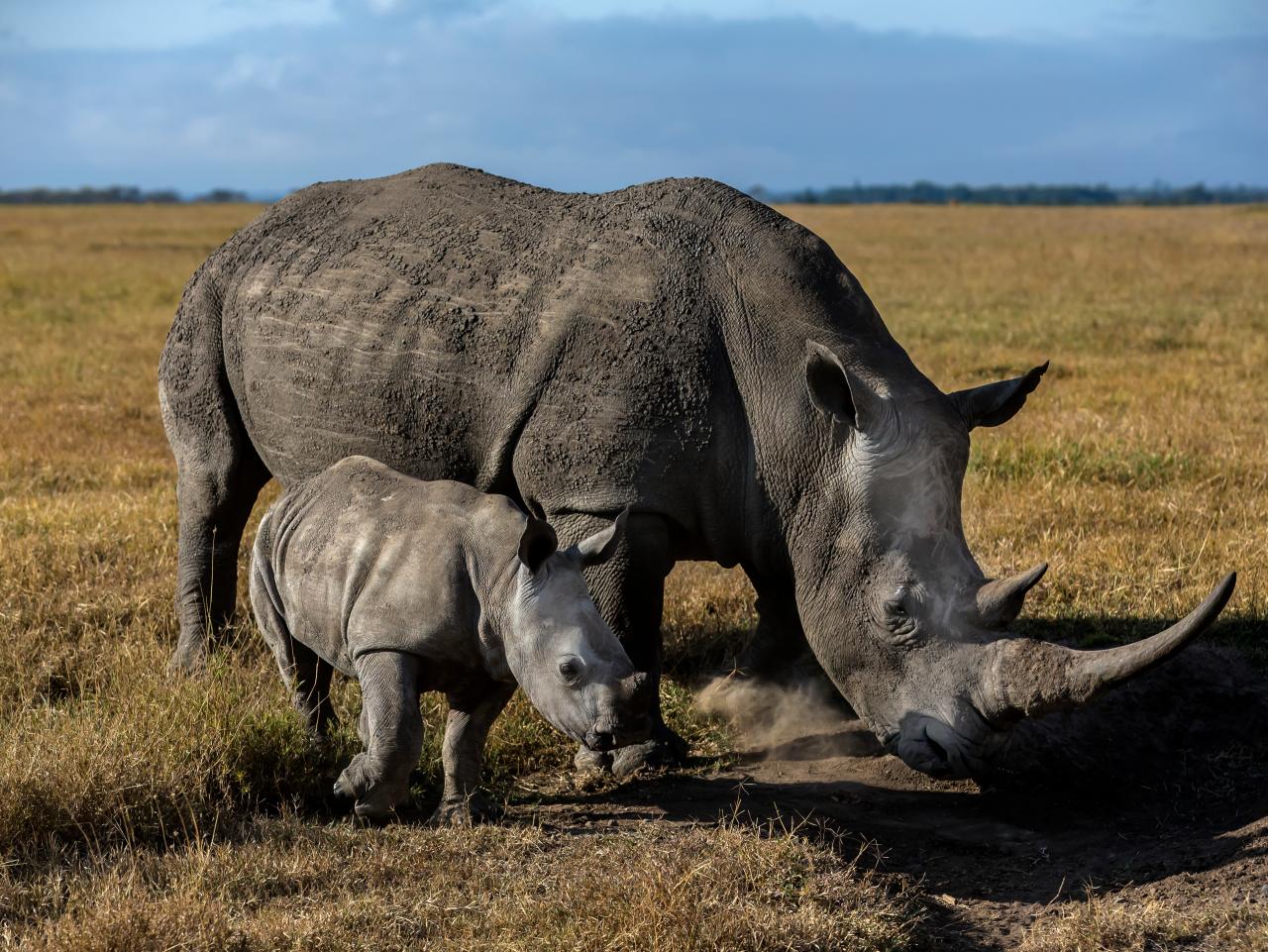
Thanks to intensive conservation efforts, their numbers have more than doubled since that low point and continue a slow but encouraging recovery, with a 5.2% increase reported in the most recent period.
Despite this progress, the species remains Critically Endangered on the IUCN Red List. Black rhinos (scientific name Diceros bicornis) are vital to African ecosystems, but ongoing threats like illegal horn trade mean their future depends on sustained protection.
Current Black Rhino Population
The most recent comprehensive data from the International Rhino Foundation’s State of the Rhino 2025 report and IUCN African Rhino Specialist Group estimates place the wild black rhino population at 6,788 individuals at the end of 2024. This figure excludes animals in zoos and captive facilities (an additional ~214 black rhinos live in such settings worldwide).
These rhinos are distributed across about 12 African countries, though the vast majority live in a handful of strongholds. The population has shown modest annual growth in recent years, driven by successful breeding and anti-poaching measures, though numbers can fluctuate due to poaching incidents and survey variations.
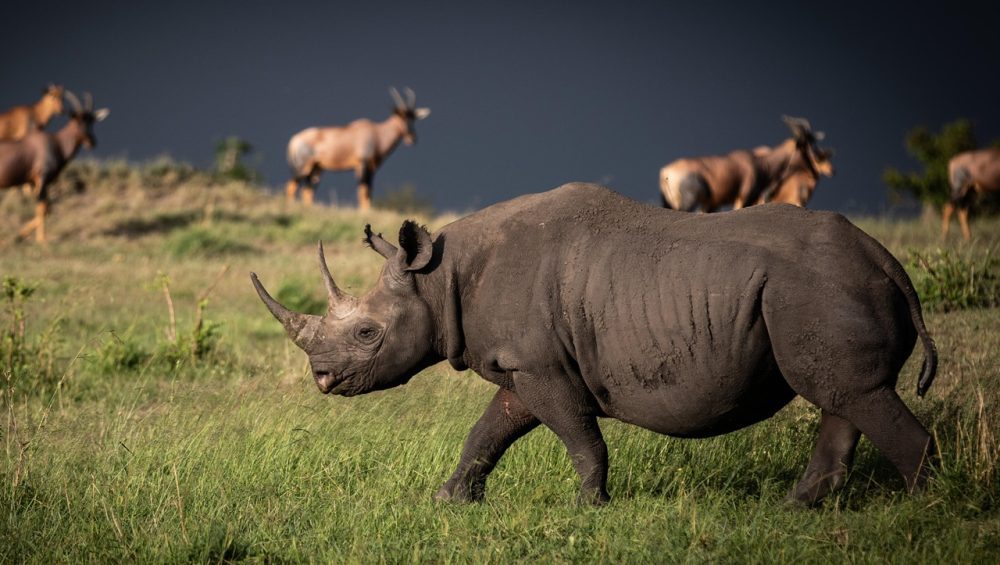
Black rhinos are browsers with a distinctive hooked upper lip, making them different from the grazing white rhino. They are generally solitary and territorial, which influences how conservationists manage small, fragmented populations.
Historical Rhino Population Decline
Black rhinos were once the most numerous rhino species in Africa. Estimates suggest:
- 1960: Around 100,000 individuals across much of sub-Saharan Africa.
- 1970: Dropped to approximately 65,000–70,000 due to early poaching and habitat conversion.
- Mid-1990s: Plummeted to a low of roughly 2,300–2,500 animals — a decline of over 96–98% in just a few decades.
This dramatic crash was primarily driven by large-scale poaching for rhino horn, fueled by demand in traditional Asian medicine markets, combined with civil unrest, habitat loss from agriculture and human settlement expansion, and inadequate protection in many range states during the 1970s–1990s.
The recovery since the 1990s represents one of conservation’s notable success stories, with numbers roughly tripling from the historic low. However, the species has not yet approached even a fraction of its original abundance, and genetic diversity remains a concern in some isolated populations.
Where Black Rhinos Live Today
Black rhinos currently inhabit a patchy distribution across eastern and southern Africa, primarily in protected areas, private conservancies, and community-managed lands. Key countries with significant populations include:
- Namibia: Home to the largest share, especially the south-western subspecies, with strong numbers in arid and semi-arid regions.
- South Africa: Hosts a substantial population, though concentrated in fenced reserves and parks where intensive management is possible.
- Kenya: Has seen impressive recovery, with over 1,000 eastern black rhinos — more than double the numbers from the 1980s in some reports.
- Zimbabwe: Maintains important populations in both state and private lands.
- Other countries with smaller numbers: Tanzania, Zambia, Botswana, Rwanda, Eswatini, Malawi, Mozambique, and a few in Chad and Angola.
Reintroduction programs have helped expand the range, returning rhinos to areas where they had been locally extinct. Most populations are now in well-guarded sanctuaries rather than vast open landscapes.
Black Rhino Subspecies
There are three recognized living subspecies of black rhino (a fourth, the western black rhino D. b. longipes, was declared extinct in 2011):
- South-western black rhino (D. b. bicornis): ~2,597 individuals. Adapted to drier habitats; stronghold in Namibia.
- South-central black rhino (D. b. minor): ~2,720 individuals. The most numerous subspecies, found mainly in South Africa, Zimbabwe, and surrounding areas.
- Eastern black rhino (D. b. michaeli): ~1,471 individuals. Primarily in Kenya and Tanzania; has shown strong recovery in well-protected sites like Ol Pejeta Conservancy.
These subspecies differ slightly in size, horn shape, and habitat preferences, and conservation efforts often focus on maintaining genetic diversity through careful translocation and metapopulation management.
Why Black Rhinos Are Endangered
The primary threats remain human-related:
Poaching and Illegal Wildlife Trade
Rhino horn is highly valued in some markets for purported medicinal properties (despite no scientific evidence of efficacy) and as a status symbol. Organized criminal networks drive demand, often from East Asia.
Even with declining overall poaching rates in Africa (down to about 2.15% of the population in 2024), any loss is significant for such a slow-breeding species.
In 2024, around 516 rhinos (both black and white) were poached continent-wide, with the majority in South Africa.
Habitat Loss and Human Expansion
Agricultural development, infrastructure, and growing human populations have fragmented habitats and reduced available browse (twigs, leaves, and shrubs). Climate change exacerbates this through drought and altered vegetation patterns.
Other Factors
Disease, inbreeding in small populations, and occasional conflict with humans (e.g., crop raiding or perceived danger) add pressure. Political instability in some regions has historically disrupted protection efforts.
Rhino Conservation Efforts
Dedicated work by governments, NGOs, and local communities has driven the recovery:
- Anti-poaching patrols and technology: Rangers, K9 units, drones, and camera traps protect key sites. Dehorning (removing horns humanely) reduces poaching incentive in some areas.
- Protected reserves and conservancies: Private land owners and community programs play a major role, especially in Namibia, Kenya, and South Africa.
- Breeding and translocation programs: Rhinos are moved between sites to boost numbers and genetic health. Sanctuaries like Ol Pejeta in Kenya have grown small founder populations into hundreds.
- International support: Organizations such as the World Wildlife Fund (WWF), International Rhino Foundation, Save the Rhino International, and IUCN provide funding, expertise, and monitoring. Community-based conservation links local livelihoods to rhino protection through tourism and benefit-sharing.
These efforts have not only increased numbers but also expanded the species’ range and improved habitat management.
Are Black Rhino Numbers Increasing?
Yes — slowly but steadily. The population has roughly doubled since the 1990s low and showed a 5.2% increase between 2023 and 2024. IUCN projections suggest that with continued effective management, numbers could reach around 8,943 by 2032.
Growth rates vary by country and subspecies. Kenya’s eastern black rhino population has more than doubled in recent decades, while Namibia’s south-western population remains robust.
However, gains are fragile: a surge in poaching in early 2025 in some areas highlights the need for constant vigilance. Without ongoing conservation, models predict the population could decline sharply again.
Importance of Black Rhinos in Ecosystems
As browsers, black rhinos shape vegetation by feeding on woody plants and shrubs. This “pruning” prevents bush encroachment, maintains open grasslands, and promotes plant diversity that benefits other herbivores.
Their presence supports tourism economies in many African countries and indicates healthy, well-managed ecosystems. Rhinos also disperse seeds and create paths used by smaller animals. Losing them would disrupt these balances, potentially leading to reduced biodiversity and altered landscapes.
Black Rhino Population Data and Statistics
Approximate Black Rhino Numbers by Key Country (based on recent aggregates; exact figures vary by survey year):
- Namibia: ~2,098
- South Africa: ~2,307
- Kenya: ~1,059
- Zimbabwe: ~784
- Tanzania: ~268
- Others (combined): Smaller populations in Zambia, Botswana, etc.
Subspecies Breakdown (end of 2024):
- South-western: 2,597
- South-central: 2,720
- Eastern: 1,471
Poaching rates have decreased overall, but black rhinos remain vulnerable due to their low total numbers and slow reproduction (gestation ~15 months, inter-calving interval 2–3+ years).
Timeline of Decline and Recovery:
- 1960: ~100,000
- 1970: ~65,000
- 1995: ~2,300 (low point)
- 2024: 6,788 (ongoing slow increase)
FAQ – How many black rhinos are left
How many black rhinos are left in 2026?
Approximately 6,788 in the wild as per the latest 2024–2025 data. Numbers are expected to continue modest growth with sustained conservation.
Are black rhinos critically endangered?
Yes. They are listed as Critically Endangered by the IUCN, though targeted efforts have prevented extinction and supported recovery.
Where do black rhinos live?
Primarily in protected areas across 12 African countries, with the largest populations in Namibia, South Africa, Kenya, and Zimbabwe.
Why are black rhinos killed?
Mainly for their horns, which are illegally traded. Demand stems from beliefs in traditional medicine and use as luxury items, despite no proven medical benefits.
What can I do to help black rhinos?
Support reputable conservation organizations (e.g., WWF, International Rhino Foundation), choose ethical wildlife tourism, avoid products linked to illegal wildlife trade, and raise awareness.
Black rhinos symbolize both the fragility and resilience of African wildlife. Their slow recovery demonstrates what is possible when science-based management, anti-poaching, community involvement, and international cooperation align.
However, the species is not yet secure. Continued investment in protection, habitat restoration, and demand reduction for rhino horn will determine whether black rhinos thrive or merely survive in the decades ahead.
For more on rhino ecology, specific sanctuaries, or how to get involved, explore resources from WWF, Save the Rhino, or national wildlife authorities in range countries.
Responsible safari tourism in well-managed conservancies also directly supports these magnificent animals and the communities that protect them.