

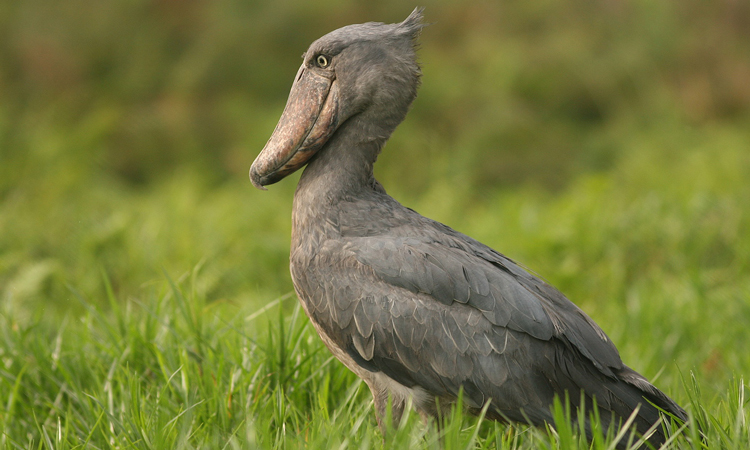
15 Days East Africa Birding Safari: Ultimate Birdwatching Tour
East Africa stands as one of the world’s premier birding destinations, boasting an astonishing diversity that draws ornithologists, nature enthusiasts, and casual birdwatchers from across the globe.
With over 1,300 bird species recorded in the region, spanning Uganda, Rwanda, Kenya, and Tanzania, this area offers an unparalleled opportunity for an East Africa birdwatching safari.
The variety of habitats—from lush tropical forests and misty wetlands to vast savannah grasslands and alkaline Rift Valley lakes—creates a mosaic of ecosystems teeming with avian life.
.Imagine combining the thrill of a classic wildlife safari with dedicated birding sessions, where you might spot a majestic African fish eagle soaring over a lake one moment and a rare Shoebill stork wading through swamps the next.
Famous birding hotspots like Bwindi Impenetrable National Park in Uganda, Mabamba Swamp, Serengeti National Park in Tanzania, and Masai Mara National Reserve in Kenya serve as the backbone of this adventure, promising sightings of endemics, migrants, and charismatic species.
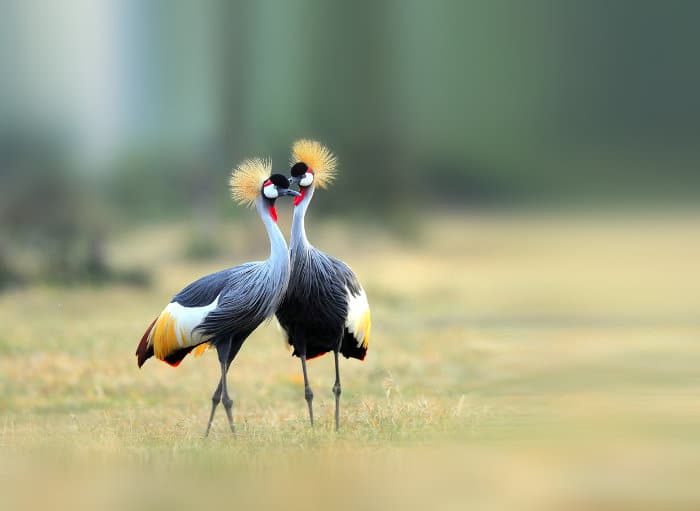
This 15 Days East Africa Birding Safari is designed as a comprehensive birding safari Uganda Kenya Tanzania Rwanda experience, blending cultural insights, wildlife encounters, and focused birdwatching.
Whether you’re chasing the elusive African green broadbill or marveling at flocks of flamingos, this itinerary ensures a holistic exploration.
15 Days East Africa Birding Safari Brief Itinerary:
- Days 1-2: Uganda – Arrival and wetlands birding
- Days 3-5: Uganda – Forest birding in Bwindi
- Days 6-7: Uganda – Savannah and park exploration
- Days 8-9: Rwanda – Montane forest adventures
- Days 10-12: Kenya – Grassland and raptor spotting
- Days 13-15: Tanzania – Iconic savannah finales
This East Africa birding tour itinerary is tailored for birders of all levels, emphasizing sustainable practices and expert guidance to maximize your sightings while minimizing environmental impact.
15 Days East Africa Birding Safari Highlights
A birding safari in East Africa is more than just ticking off species—it’s an immersive journey into nature’s symphony. Here are some key highlights of this best birding safari in East Africa:
- Spot Rare and Endemic Bird Species: Encounter East Africa’s unique avifauna, including endemics like the Shelley’s crimsonwing and Rwenzori turaco, which are found nowhere else on Earth.
- Explore Top Birding Hotspots: From the impenetrable forests of Bwindi to the endless plains of the Serengeti, visit world-renowned sites that host diverse bird populations.
- Diverse Ecosystems: Traverse wetlands teeming with waterbirds, dense forests alive with canopy dwellers, and open savannahs where raptors rule the skies.
- Search for Iconic Birds: Dedicate time to finding the prehistoric-looking Shoebill, a bucket-list species for many birders, along with colorful kingfishers and elegant cranes.
- Combine with Wildlife Safaris: While focusing on birds, enjoy sightings of big game like elephants, lions, and gorillas, making this an East African bird species safari with broader appeal.
These elements ensure your trip is not only productive for birdwatching but also enriching for overall wildlife appreciation.
15 Days East Africa Birding Safari: Detailed Itinerary
Day 1: Arrival in Entebbe, Uganda
Your East Africa birdwatching safari begins in Entebbe, Uganda’s gateway city on the shores of Lake Victoria. After landing at Entebbe International Airport, you’ll be transferred to your lakeside lodge. The afternoon is dedicated to introductory birding in the Entebbe Botanical Gardens and nearby wetlands.
This gentle start allows for acclimatization while spotting common yet beautiful species like the pied kingfisher, woodland kingfisher, and great blue turaco.
The gardens’ mix of forest edges and open areas attract over 200 species, including migrants if visiting during the right season. Evening briefing with your guide on the upcoming birding safari Uganda Kenya Tanzania Rwanda. Distance traveled: Minimal. Meals: Dinner. Overnight: Entebbe lodge.
Day 2: Birding at Mabamba Swamp
Rise early for a short drive to Mabamba Swamp, a Ramsar wetland site and one of Uganda’s top birding spots. Board a traditional canoe for a guided paddle through papyrus channels in search of the iconic Shoebill stork—a massive, prehistoric-looking bird with a bill resembling a shoe.
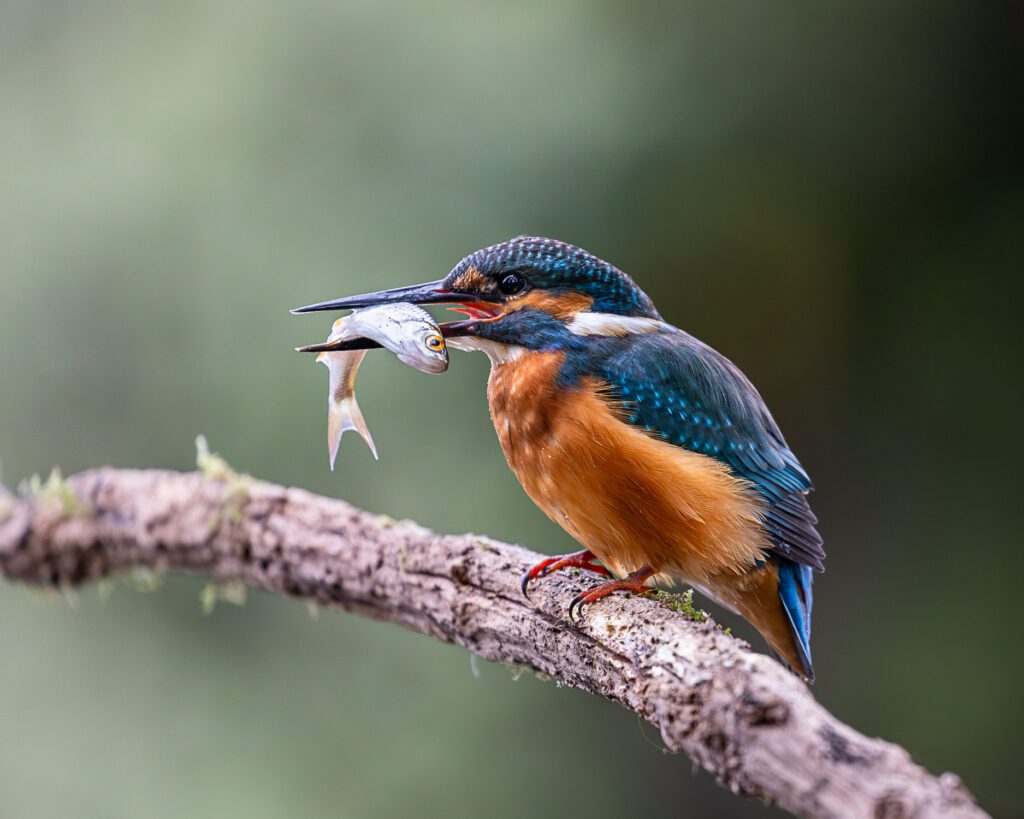
This site is arguably the best place in the world to see this elusive species. Other highlights include the malachite kingfisher, with its vibrant blue and orange plumage; African jacana, trotting on lily pads; and papyrus gonolek, a skulking bushshrike.
Expect to log 50-80 species in a morning, including lesser jacana, blue-breasted bee-eater, and swamp flycatcher. Afternoon transfer to Kampala for rest. Distance: 50 km. Meals: All. Overnight: Kampala hotel.
Day 3-5: Bwindi Impenetrable National Park Birding
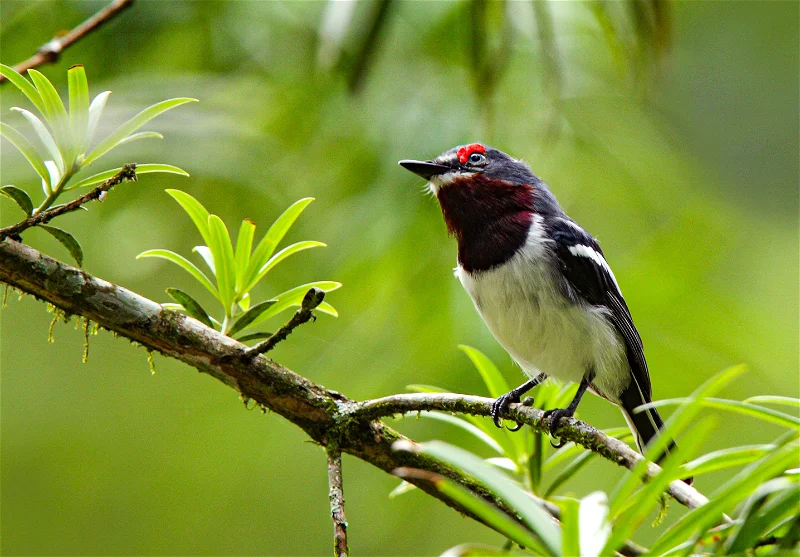
Head southwest to Bwindi Impenetrable National Park, a UNESCO World Heritage Site and Albertine Rift endemic hotspot. These three days focus on forest birding in this misty montane rainforest. Day 3 involves a drive through scenic tea plantations, arriving for afternoon trails where you might spot the African green broadbill, a tiny green gem with a massive bill.
Day 4 and 5 feature full-day guided walks along Buhoma or Ruhija sectors, targeting Shelley’s crimsonwing (a rare finch-like bird), Rwenzori turaco (with its striking red wings), and handsome francolin.
Bwindi hosts 23 Albertine Rift endemics, plus chimpanzees and mountain gorillas for optional treks. Expect challenging hikes but rewarding sightings like bar-tailed trogon, black-billed turaco, and Grauer’s warbler.
Evenings include species checklists and discussions. Distance: 400 km on Day 3. Meals: All. Overnight: Bwindi lodge.
Day 6-7: Queen Elizabeth National Park
Transfer north to Queen Elizabeth National Park, Uganda’s most biodiverse park with savannah, lakes, and craters. Day 6 starts with a boat cruise on the Kazinga Channel, connecting Lakes Edward and George, where waterbirds abound: African fish eagle perched on branches, pied kingfishers hovering, and saddle-billed storks wading.
Afternoon game drives reveal savannah species like martial eagle, secretary bird (a long-legged raptor), and lappet-faced vulture.
Day 7 explores the Ishasha sector for tree-climbing lions and birds such as bateleur eagle, grey kestrel, and Verreaux’s eagle-owl. This park blends birding with big game, offering over 600 species. Distance: 150 km. Meals: All. Overnight: Park lodge.
Day 8-9: Rwanda Birding in Nyungwe Forest
Cross into Rwanda and drive to Nyungwe Forest National Park, a vast montane rainforest. Day 8 focuses on canopy walks and trails for forest specialists like the great blue turaco, red-collared mountain babbler, and Albertine owlet.
Nyungwe is home to 13 primate species and 280 birds, including 27 Albertine Rift endemics. Day 9 includes chimp tracking (optional) alongside birding for Rwenzori nightjar, strange weaver, and Doherty’s bushshrike.
The forest’s elevation gradients create microhabitats for diverse avifauna. Evenings at a cozy lodge with volcano views. Distance: 300 km on Day 8. Meals: All. Overnight: Nyungwe lodge.
Day 10-12: Kenya Birding Safari in Masai Mara
Fly to Nairobi, Kenya, then transfer to Masai Mara National Reserve. These days immerse you in savannah birding amid the Great Migration (seasonal). Day 10: Game drives spotting lilac-breasted roller, superb starling, and secretary bird.
Day 11: Balloon safari (optional) for aerial views of raptors like tawny eagle and martial eagle. Day 12: Focus on riverine forests for African paradise flycatcher and Schalow’s turaco.
Mara hosts 500+ species, including ostrich, kori bustard, and vultures circling kills. Combine with lion and wildebeest sightings. Distance: Flight + 200 km. Meals: All. Overnight: Mara camp.
Day 13-15: Tanzania Birding in Serengeti
Cross into Tanzania for the grand finale in Serengeti National Park. Day 13: Northern Serengeti drives for grey-crowned crane, Fischer’s lovebird, and rufous-tailed weaver.
Day 14: Central Serengeti for migratory flocks and raptors like bateleur. Day 15: Morning birding before departure from Seronera airstrip, potentially spotting secretary bird or saddle-billed stork.
Serengeti’s 500+ species complement endless wildlife. Distance: 150 km drives. Meals: All (except Day 15 lunch). Overnight: Serengeti camp (Days 13-14); departure Day 15.
End of the 15 Days East Africa Birding Safari
15 Days East Africa Birding Safari Tour Inclusions & Exclusions
Tour Inclusions:
- All accommodations and meals as specified
- Expert bird guide and driver
- Park entrance fees and permits
- Internal flights and ground transfers
- Binoculars and field guides (shared)
- Bottled water and snacks during activities
Tour Exclusions:
- International flights
- Travel insurance
- Personal expenses (souvenirs, tips)
- Optional activities like gorilla trekking
- Alcoholic beverages
- Visa fees
Famous Birds of East Africa
East Africa’s avian riches include many charismatic species that define the region’s birdwatching tours. Here’s a curated list of must-see birds, attracting searches for East African bird species safari:
- Shoebill: A massive, stork-like bird with a clog-shaped bill, found in Uganda’s swamps like Mabamba.
- Grey Crowned Crane: Uganda’s national bird, elegant with a golden crest, seen in wetlands and grasslands.
- Secretary Bird: A terrestrial raptor with long legs, stomping snakes in Kenya and Tanzania savannahs.
- African Fish Eagle: Iconic raptor with a piercing call, perching near lakes in all four countries.
- Lilac-Breasted Roller: Vibrant multicolored bird, often seen on perches in Masai Mara and Serengeti.
- Saddle-Billed Stork: Striking black-and-white stork with a red-and-yellow bill, in wetlands and rivers.
Other notables include the superb starling, ostrich, kori bustard, and various kingfishers, bee-eaters, and turacos. Spotting these enhances any birding safari.
Birding Habitats in East Africa
East Africa’s habitats are key to its bird diversity, supporting varied life zones:
- Tropical Forests: Like Bwindi and Nyungwe, these dense canopies host endemics such as broadbills and turacos, with high humidity fostering insect life for feeders.
- Wetlands and Swamps: Mabamba and Rift Valley lakes attract waterbirds like pelicans, herons, and the Shoebill, crucial for breeding.
- Savannah Grasslands: Masai Mara and Serengeti offer open vistas for raptors, bustards, and ground birds, with acacia trees providing perches.
- Rift Valley Lakes: Alkaline lakes like Nakuru host flamingos and other waders, creating pink spectacles during migrations.
Best Time for Birding in East Africa
Timing your birdwatching tour East Africa is crucial for optimal sightings. The best months are November to April, when Palearctic migrants arrive, swelling species counts in wetlands and forests. This wet season brings lush vegetation, breeding displays, and easier spotting in greener landscapes.
Alternatively, June to September’s dry season concentrates birds at waterholes, making savannah birding in Kenya and Tanzania spectacular, with clearer skies for photography.
Avoid heavy rains in May and October, which can hinder access. Advantages include fewer crowds in shoulder seasons and alignment with wildlife migrations.
Accommodation Options
Stay in bird-friendly spots:
- Birding Lodges: Eco-lodges in Bwindi and Nyungwe with verandas for spotting.
- Safari Camps: Tented camps in Masai Mara and Serengeti, blending luxury with nature immersion.
- Eco-Lodges Near National Parks: Sustainable options like those in Queen Elizabeth, offering guided walks from your doorstep.
Birding Equipment Tips
Pack smart for success:
- Binoculars: 8×42 models for bright, wide views in varied light.
- Bird Field Guide Books: “Birds of East Africa” by Terry Stevenson for identifications.
- Camera with Zoom Lens: 300mm+ for capturing distant species.
- Notebook for Species List: Track sightings and notes.
- Other essentials: Waterproof clothing, insect repellent, and a spotting scope for groups.
Map of the East Africa Birding Route
East Africa Bird Checklist
A partial checklist for your notebook (aim for 400-600 species):
- Waterbirds: Shoebill, African jacana, saddle-billed stork
- Raptors: Martial eagle, African fish eagle, secretary bird
- Passerines: Lilac-breasted roller, superb starling, grey-crowned crane
- Endemics: African green broadbill, Shelley’s crimsonwing, Rwenzori turaco
- Others: Ostrich, kori bustard, malachite kingfisher
Full lists available from BirdLife International.
Conservation of Birds in East Africa
Bird conservation is vital amid habitat loss. Organizations like BirdLife Africa protect sites like Mabamba from encroachment. Threats include deforestation and climate change; ecotourism funds patrols and community projects. Your safari supports this through park fees.
Migration Patterns of Birds
East Africa sees intra-African and Palearctic migrations. November-April brings Eurasian birds like swallows to wetlands; dry seasons concentrate locals at water. Great Rift Valley funnels migrants, creating spectacles in lakes.
Top Birding Hotspots in Each Country
- Uganda: Mabamba Swamp (Shoebill), Bwindi (endemics), Queen Elizabeth (diversity).
- Rwanda: Nyungwe Forest (montane species), Akagera (savannah birds).
- Kenya: Masai Mara (raptors), Lake Nakuru (flamingos).
- Tanzania: Serengeti (migrants), Ngorongoro (cranes).
FAQs about 15 Days East Africa Birding Safari
How many bird species live in East Africa?
Over 1,300, with many endemics and migrants.
What is the best country for birdwatching in East Africa?
Uganda for diversity and accessibility, but all four offer unique spots.
Can you see the Shoebill in Uganda?
Yes, reliably at Mabamba Swamp.
When is the best time for birding safaris in East Africa?
November-April for migrants; June-September for dry-weather viewing.
How much does a birding safari cost?
$3,500-$10,000+ depending on luxury level.
You may also like;
This comprehensive guide to the 15 Days East Africa Birding Safari provides everything needed for planning your adventure. With its blend of habitats, species, and experiences, East Africa remains a birdwatcher’s paradise.