What Do Zebras Eat & Drink in the Wild & Captivity -Top Facts
What do zebras eat: Zebras are herbivores that mainly feed on grasses, but their diet can also include shrubs, leaves, and bark. These striking black-and-white striped animals thrive across African savannas and grasslands thanks to their adaptable zebra diet.
Whether you’re planning an African safari or simply curious about wildlife, understanding what do zebras eat reveals their vital role in the ecosystem.
What do Zebras Eat in the Wild
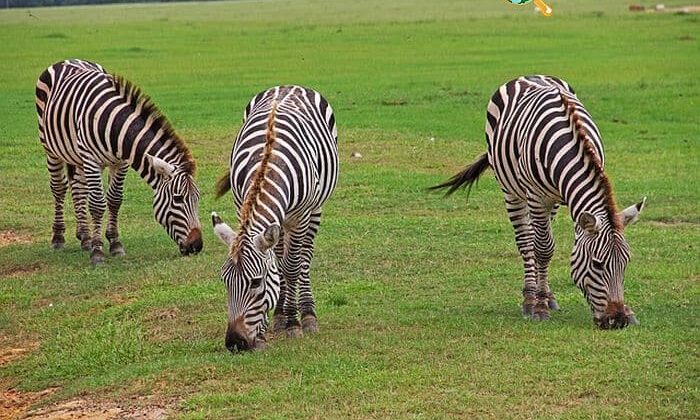
In the wild, zebra diet centers on grasses, which make up roughly 80–90% of their intake. Zebras are selective grazers but highly adaptable. Plains zebras often prefer shorter, greener grasses, while Grevy’s and mountain zebras handle taller, coarser varieties that many other herbivores avoid. Common grasses include red oat grass, Bermuda grass, spear grass, and common finger grass.
They can digest low-quality, tough, dry grasses thanks to their specialized digestive system. This ability lets zebras survive in harsher conditions than more selective grazers. When fresh grass is scarce, they supplement with leaves, shrubs, herbs, twigs, bark, roots, and even small trees. During extreme scarcity, they may browse more heavily on woody vegetation.
Types of Food Zebras Eat
- Grass (Primary Diet): This forms the bulk of the zebra feeding habits. Zebras clip grass with sharp front incisors and grind it with strong molars. They favor both short and long grasses, including fibrous types that provide bulk even if nutrient-poor.
- Leaves & Shrubs: Eaten especially in transitional seasons or drier areas. These add variety and some moisture.
- Bark & Roots: Consumed when food is scarce, such as in prolonged dry periods. Zebras occasionally eat herbs, flowers, fruits, or fallen seeds.
This flexibility in what do zebras eat in the wild makes them resilient pioneers in changing environments.
Where Zebras Find Food
Zebras inhabit open savannas, grasslands, and lightly wooded areas across Africa. Prime locations include Serengeti National Park in Tanzania and Maasai Mara National Reserve in Kenya, where vast plains support massive herds during the Great Migration.
In Uganda, Lake Mburo National Park and Kidepo Valley National Park offer excellent zebra sightings in shorter grass areas. These habitats provide the mix of grasses and water sources essential for their daily needs.
Feeding Behavior
Zebras are classic grazers, not browsers like giraffes. They spend 60–80% of their day (up to 18 hours) with heads down, nibbling grass. While some graze, others stand guard for predators—a smart herd strategy.
They often eat the taller, coarser grasses first, “mowing” the savanna and preparing shorter, more nutritious regrowth for other animals. Herds travel together while feeding, moving across landscapes in search of fresh pastures.
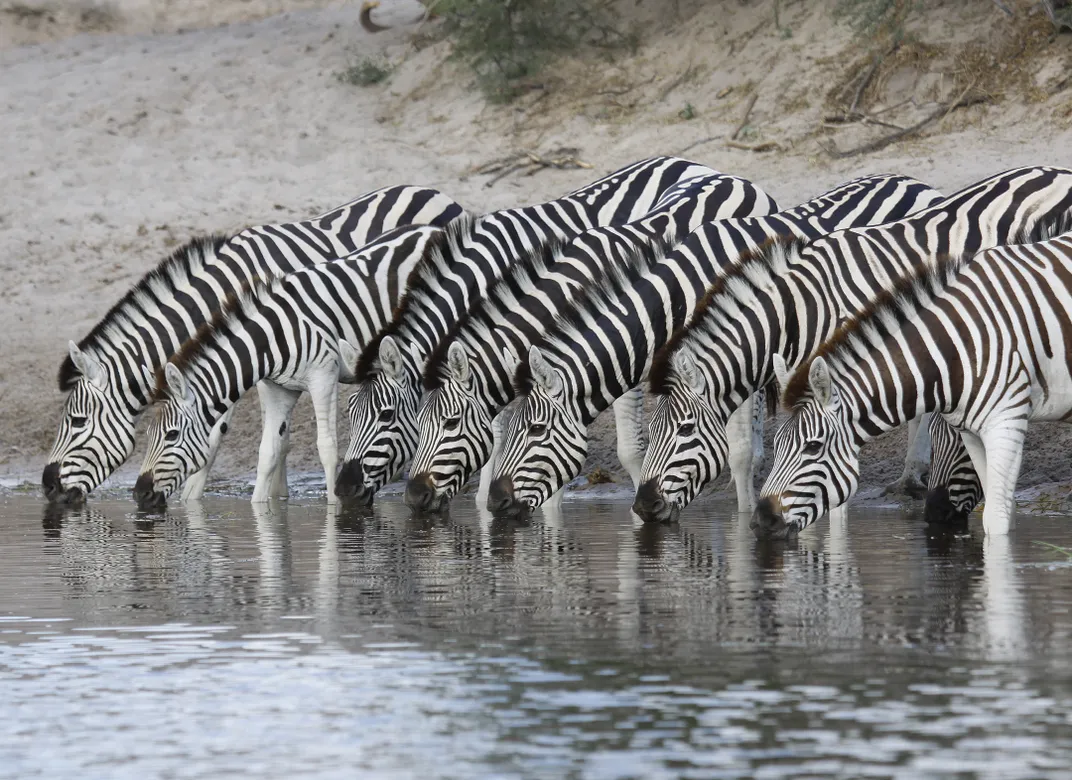
What do Zebras drink
Zebras primarily drink water from rivers, lakes, and waterholes in the African savanna. They prefer to drink daily, consuming 8–20 liters (about 2–5 gallons) per adult depending on heat and activity. In dry seasons, they may survive up to 5 days without water but travel long distances to find it.
Zebras & the Ecosystem
Zebras act as keystone species and “pioneer grazers.” By consuming tall, tough grasses that many animals find unpalatable, they open up the plains for more specialized grazers.
This prevents overgrowth, promotes diverse vegetation, and maintains healthy grasslands. Their grazing reduces fire fuel in dry seasons and supports the entire food web—from insects to large predators. Without zebras, the savanna balance would shift dramatically.
Comparison with Other Animals
Zebras vs. Wildebeest: Both migrate together in huge numbers, but their feeding complements each other. Zebras tackle taller, coarser grasses first; wildebeest then graze the shorter, regrown grass left behind. This reduces direct competition and improves overall forage quality.
Zebras vs. Gazelle: Gazelles (like Thomson’s) prefer the shortest, most nutritious grasses and forbs. They often follow zebras and wildebeest, benefiting from the cleared landscape. Zebras’ tolerance for lower-quality forage gives them an edge in marginal habitats, while gazelles excel in lush, short-grass zones.
These interactions highlight how zebra diet and behavior drive ecosystem health.
Seasonal Diet Changes
Wet Season: Abundant fresh, green grasses dominate. Herds feast on nutrient-rich growth after rains, supporting migration and breeding.
Dry Season: Grass dries out and becomes scarce. Zebras shift to tougher remaining grasses, plus more shrubs, leaves, bark, and roots. They may travel farther for food and water. This adaptability helps them endure months of scarcity that challenge other species.
Zebra Digestive System
Zebras are hindgut fermenters, like horses and rhinos. Food passes quickly through the stomach and small intestine, then reaches the large cecum and colon where microbes ferment fibrous material.
This system is less efficient than ruminant (multi-chambered stomach) digestion but allows zebras to process large volumes of low-quality forage rapidly.
They compensate by eating more quantity rather than extracting every nutrient. Baby zebras eat their mother’s dung to acquire essential gut bacteria for proper digestion.
What do Zebras Eat in Captivity?
In zoos and sanctuaries, diets mimic the wild but with higher nutritional density for limited space. The base is good-quality grass hay (often timothy or alfalfa/grass mixes).
Keepers add herbivore pellets or grains with vitamins and minerals, plus salt licks. Small amounts of produce like carrots or apples serve as treats or training rewards.
Adult zebras typically eat 1.5–2.5% of body weight daily (around 15–20 lbs of hay for an average adult). Overfeeding grain is avoided to prevent obesity. Unlike wild zebras that graze all day, captives eat 1–2 concentrated meals but still need constant access to roughage.
FAQs about What do zebras eat
Do zebras eat meat?
No. Zebras are strict herbivores. Their teeth and digestive system are built only for plant material.
How much do zebras eat per day?
They consume large volumes—often equivalent to 1.5–2.5% of body weight in dry matter. In the wild, this means many hours of grazing on grasses and supplements.
Do zebras drink water daily?
Yes, they prefer to drink daily and need 8–15 liters or more, depending on conditions. They can survive 3–5 days without water in emergencies but stay near sources.
What do baby zebras eat?
Foals rely on mother’s milk for the first year, starting to nibble grass within days of birth. They ingest maternal dung to inoculate gut bacteria and gradually wean onto solid vegetation.
Conclusion
Zebras are primarily grass-eaters, but their adaptable diet allows them to survive in diverse environments across Africa. From pioneering tall-grass grazing in the Serengeti to complementing wildebeest and gazelle feeding patterns, their zebra diet and habits sustain the entire savanna ecosystem.
For the best chance to witness these magnificent animals in action—grazing in massive herds, migrating, or alert in the grasslands—visit Uganda’s Lake Mburo or Kidepo Valley, Kenya’s Maasai Mara, or Tanzania’s Serengeti National Park.
These iconic destinations offer unforgettable sightings of zebras alongside the Great Migration and other African safari animals.
Ready to experience it yourself? Book your safari with Gorilla Nests Safaris today. Our expert-guided packages take you deep into prime zebra habitats in Uganda, Kenya, and Tanzania, combining thrilling wildlife encounters with comfortable lodges and knowledgeable local guides.
Don’t just read about what do zebras eat—come see their natural feeding habits up close on an African adventure you’ll never forget. Contact Gorilla Nests Safaris to plan your dream safari now!