Top Guide to Kruger National Park: Safari,Lodges, Map,& more
Kruger National Park safari remains one of the most iconic South Africa safari experiences on the continent. As Africa’s premier Big Five safari destination, Kruger National Park delivers unforgettable wildlife encounters in a vast, accessible wilderness that has captivated travelers for over a century.
Whether you dream of spotting lions on a dawn game drive, photographing massive elephant herds at a waterhole, or enjoying a luxury lodge under the stars, this Kruger National Park travel guide covers everything you need for a 2026 adventure.
Overview of Kruger National Park
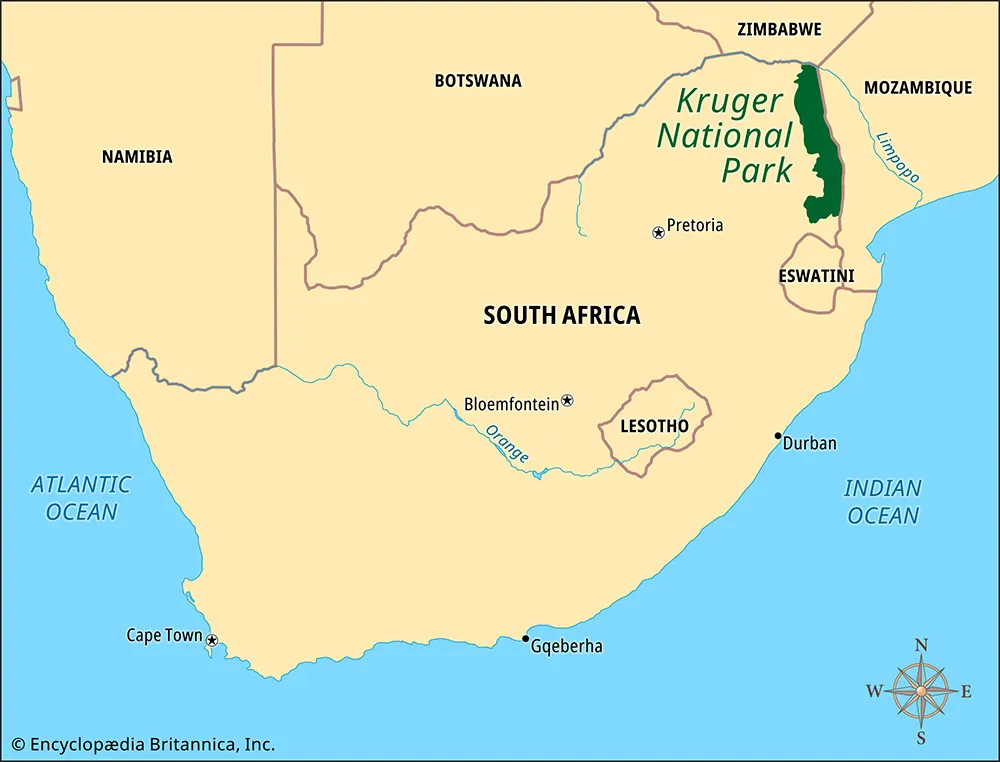
Where is Kruger National Park? Kruger National Park lies in northeastern South Africa, spanning the Limpopo and Mpumalanga provinces. It shares unfenced borders with Mozambique to the east and Zimbabwe to the north, forming part of the Great Limpopo Transfrontier Park. The park stretches roughly 360 km north to south and 65 km east to west.
Kruger National Park size: At approximately 19,623 km² (about 7,576 square miles), it ranks as one of Africa’s largest game reserves—larger than many European countries.
This immense scale supports extraordinary ecosystem diversity, from open savannahs and acacia woodlands in the south to mopane shrublands and riverine forests in the north.
Established as the Sabie Game Reserve in 1898 by President Paul Kruger to protect dwindling wildlife populations, the area expanded with the addition of the Shingwedzi Game Reserve in 1903.
In 1926, it officially became South Africa’s first national park. Today, South African National Parks (SANParks) manages it with a strong focus on conservation, anti-poaching, and sustainable tourism. Kruger plays a vital role in protecting threatened species and supports local communities through tourism revenue.
Its biodiversity includes over 500 bird species, 147 mammal species, and nearly 2,000 plant species, making it a UNESCO-recognized biosphere reserve cornerstone.
Wildlife in Kruger national park
Kruger National Park wildlife sightings define the ultimate Big Five safari Africa experience. The park’s high animal density and varied habitats deliver consistent encounters with iconic species.
The Big Five in Kruger National Park:
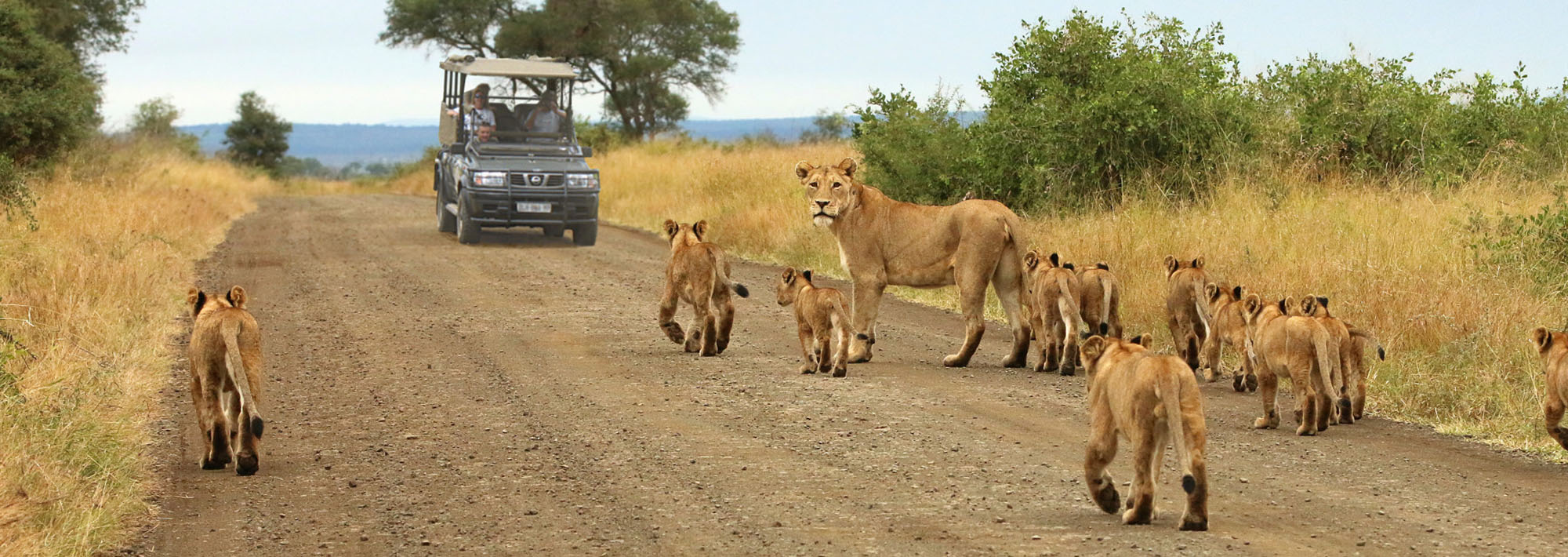
- African Lion: Kruger boasts one of the healthiest lion populations in Africa. Pride sightings are common, especially in the central and southern regions where they hunt on open plains. Look for them lounging on rocky outcrops or near waterholes at dawn and dusk.
- African Elephant: With thousands of elephants, Kruger offers frequent herd sightings—often 20–50 strong—drinking, bathing, and crossing roads. The park’s permanent rivers sustain these gentle giants year-round.
- Leopard: Elusive yet relatively common here (Kruger is a top leopard-spotting destination globally). Scan tree branches at dusk for these solitary cats resting or hunting. Sabi Sands private reserve next door is legendary for leopard photography.
- Rhinoceros: Both white and black rhinos roam the park. White rhinos graze openly in grasslands; black rhinos prefer thicker bush. Conservation efforts have stabilized numbers despite poaching threats.
- African Buffalo: Large herds (hundreds strong) create dramatic spectacles, especially near water. Their unpredictable nature earns them “Black Death” respect among guides.
Additional highlights: Cheetahs (rarer, often in open southern areas) streak across plains in pursuit of prey. Towering giraffes browse treetops, while zebras graze alongside wildebeest in classic safari scenes. Birdlife explodes with over 500 species—lilac-breasted rollers, martial eagles, and colorful bee-eaters thrill twitchers.
Kruger national park map
Safari Experiences in Kruger National Park
Kruger National Park offers diverse things to do that suit every traveler.
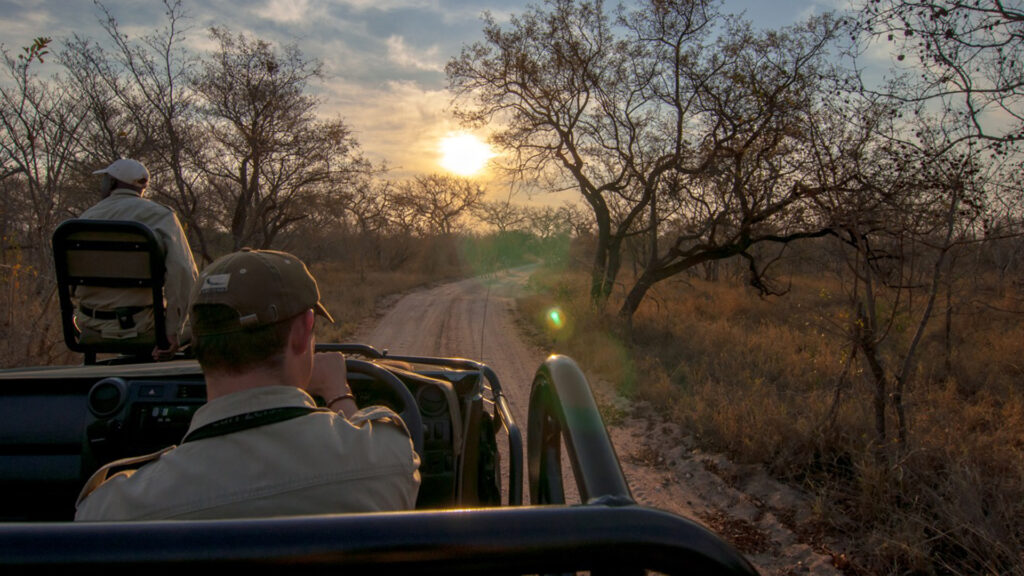
- Game drives: The classic activity. Self-drive or join guided 4×4 safaris in open vehicles for close-up views. Dawn and dusk drives maximize sightings.
- Walking safaris: Accompanied by armed rangers, these intimate treks reveal tracks, birds, and smaller wildlife. Perfect for photography and bush knowledge.
- Night safaris: Available in private reserves and some concession areas—spot nocturnal leopards, hyenas, and bushbabies under spotlight.
- Photography safaris: Specialized tours with expert guides focus on golden-hour light and composition.
Private reserves like Sabi Sands (adjacent and unfenced) elevate the experience with off-road driving, no vehicle limits, and exceptional leopard and Big Five sightings.
Best Time to Visit Kruger National Park
When to visit Kruger National Park depends on priorities:
- Dry season (May–October): Best wildlife viewing. Sparse vegetation and animals congregating at waterholes make sightings easier. June–September offers cool, clear days (ideal for comfort). Pros: Excellent game viewing, fewer mosquitoes. Cons: Busier, drier landscapes.
- Wet season (November–April): Lush greenery, newborn animals, and migratory birds. November–March brings afternoon thunderstorms and vibrant scenery. Pros: Dramatic landscapes, birding peak. Cons: Thicker bush reduces visibility, hotter/humid, occasional road closures.
Shoulder months (April/May and October) combine good sightings with milder crowds.
Kruger National Park Accommodation
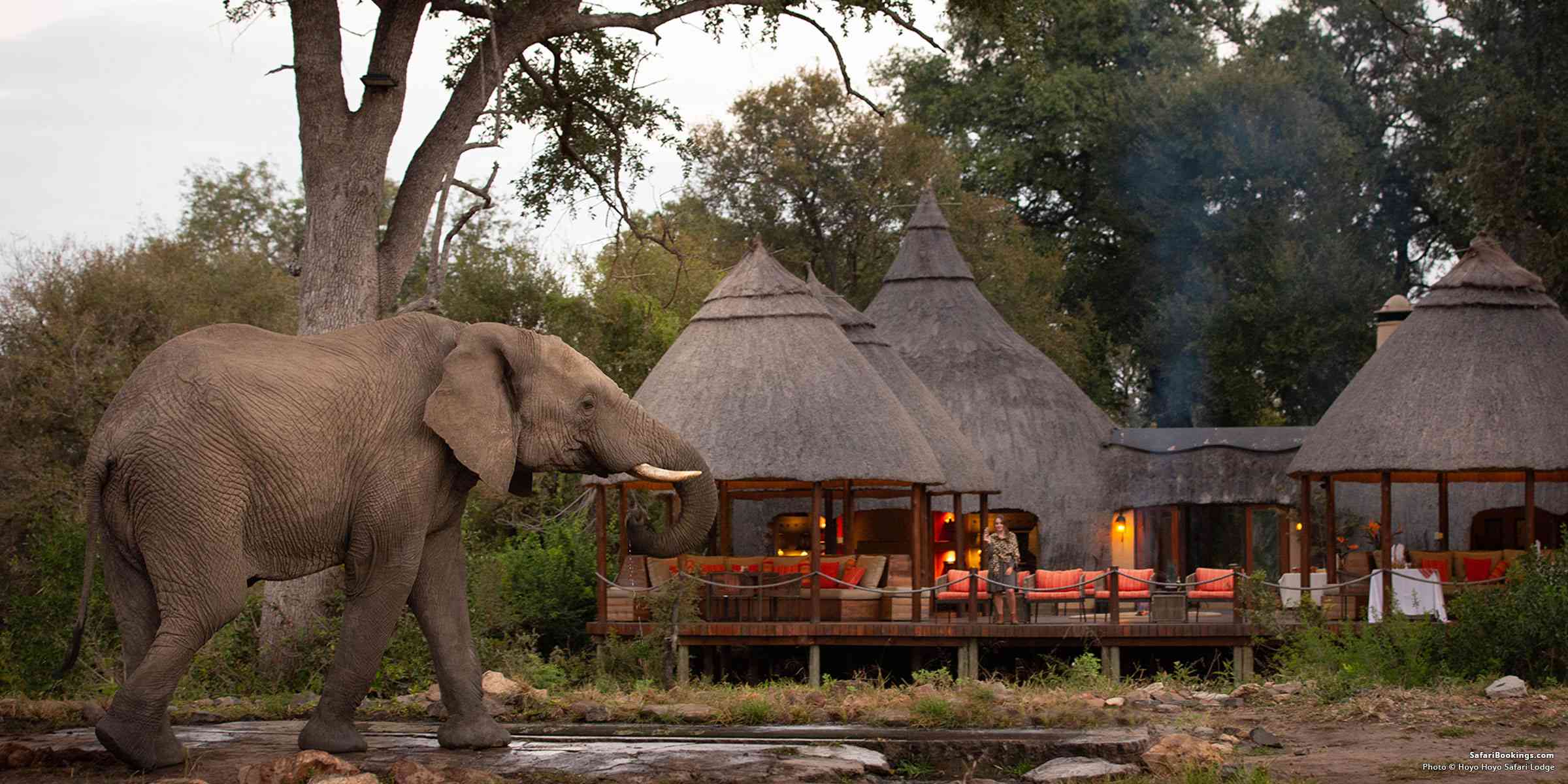
Where to stay in Kruger National Park ranges from budget to ultra-luxury.
- Budget camps: SANParks rest camps like Skukuza, Satara, and Pretoriuskop offer affordable chalets, tents, and camping. Facilities include shops, restaurants, and pools—perfect for self-drivers.
- Mid-range lodges: Comfortable private concessions and bush lodges balance value and wildlife access.
- Luxury private reserves: Sabi Sands stands out for world-class lodges (e.g., Londolozi, Singita) with private plunge pools, fine dining, and exclusive traversing rights. Expect rates from ZAR 12,000–40,000+ per person per night (all-inclusive).
Kruger National Park accommodation options cater to families, couples, and solo travelers alike.
Kruger National Park Entrance Fees
Kruger National Park entrance fee (daily conservation fees, valid 1 Nov 2025–31 Oct 2026):
- International adults: R602 per person per day
- International children (2–11): R300
- South African citizens/residents: R134 adult / R67 child
- SADC nationals: R275 adult / R137 child
Fees are per person, per day. Overnight guests pay upon entry; day visitors too. Additional activity fees apply for guided drives or walks. Book accommodation and activities via SANParks website in advance.
Safari costs: Budget self-drive trips start at ZAR 5,000–8,000 pp for 3 nights. Mid-range guided packages: ZAR 10,000–15,000. Luxury Sabi Sands: ZAR 20,000+ pp.
How to Get to Kruger National Park
Getting to Kruger National Park is straightforward:
- Fly into Johannesburg (OR Tambo – JNB), then connect domestically to Kruger Mpumalanga International Airport (MQP, ~50 min drive to southern gates), Hoedspruit (HDS, central/northern access), or Skukuza Airport (SZK, inside the park).
- Road transfers or self-drive from Johannesburg take 4–6 hours via excellent highways.
- Private shuttles and charters serve lodges directly.
Self-Drive vs Guided Safari
Should you self-drive in Kruger? It’s a popular, flexible option.
Pros of self-drive: Freedom to set your pace, lower cost, personal discovery.
Cons: Requires navigation skills, wildlife spotting is harder without guides, strict rules (stay in vehicle, no off-road).
Guided safaris deliver expert tracking, off-road access in concessions, and safety. Ideal for first-timers or photography enthusiasts.
Safety tips: Drive slowly (50 km/h max), never exit vehicles except at designated spots, carry water, and follow gate times (sunrise to sunset).
Pros and Cons of Kruger Safari
Pros: Easy access from Johannesburg, reliable Big Five sightings, excellent infrastructure, range of budgets, family-friendly.
Cons: Southern sections can feel crowded during peak season, less exclusive than remote private reserves.
Comparison Section: Kruger National Park vs Uganda Safari
For travelers seeking variety, compare Kruger National Park vs Uganda safari:
|
Feature |
Kruger National Park |
Uganda Safari |
|
Wildlife |
Big Five focus, high density |
Big Five + abundant primates |
|
Experience |
Vehicle game drives, self-drive options |
Gorilla trekking, chimpanzee tracking |
|
Crowds |
Higher in popular areas |
More exclusive, intimate groups |
|
Cost |
Varies widely (budget to luxury) |
Competitive, gorilla permits ~USD 700–1,500 |
|
Accessibility |
Excellent roads, airports |
Remote but well-organized |
Kruger excels in classic vehicle-based Big Five safari Africa thrills, while Uganda offers deeper, more intimate primate encounters unavailable in South Africa.
Combine kruger national park with a Uganda Gorilla Safari
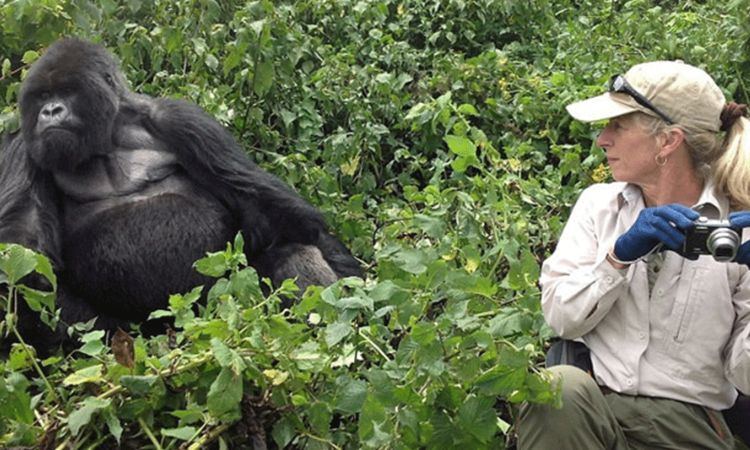
Why add Uganda to your African safari? Mountain gorilla trekking in Bwindi Impenetrable National Park or Mgahinga Gorilla National Park delivers a once-in-a-lifetime experience. Only about 1,000 mountain gorillas remain in the wild—Uganda protects nearly half. Permits allow close encounters (1 hour) with habituated families in misty forests. Combine this with chimpanzee tracking for a complete primate safari.
Multi-Destination Safari Idea
Combine Kruger with Uganda Safari: A 10–14 day South Africa + Uganda itinerary delivers the ultimate contrast—open savannah Big Five drives followed by misty gorilla treks. Fly Johannesburg to Entebbe, then transfer to Bwindi.
FAQs – kruger national park
Is Kruger National Park worth visiting? Absolutely—its accessibility, wildlife density, and infrastructure make it ideal for first-time and repeat safari-goers.
What animals can you see in Kruger? The Big Five plus cheetahs, giraffes, zebras, hippos, hyenas, and hundreds of birds.
Is Kruger safe? Yes, when following rules. Self-drive is common and secure; guided options add extra peace of mind.
How much does a Kruger safari cost? Budget: ZAR 5,000–10,000 pp for short trips. Luxury: ZAR 20,000+ pp. Entrance fees are additional.
Can you self-drive in Kruger? Yes—roads are well-maintained, and it’s popular and safe with proper planning.
Kruger National Park offers one of Africa’s most iconic and accessible safari experiences. With its excellent infrastructure, reliable Big Five sightings, and wide range of accommodation options, it remains a top choice for travelers seeking a classic South Africa safari.
However, for many visitors, the adventure doesn’t end in Kruger. After experiencing the thrilling game drives and magnificent wildlife of Kruger National Park, many travelers look for a deeper, more intimate wildlife encounter that South Africa cannot offer.
This is where Uganda becomes the perfect complement.
At Gorilla Nests Safaris, we specialize in exclusive gorilla trekking safaris in Uganda. We welcome guests who have just completed their Kruger National Park safari and are ready for the next unforgettable chapter of their African journey.
Our expert team arranges seamless gorilla trekking experiences in Bwindi Impenetrable National Park and Mgahinga Gorilla National Park, along with chimpanzee tracking where desired.
We handle all permits, ground transfers, accommodation, and logistics so you can simply relax and immerse yourself in the ancient rainforests and close encounters with endangered mountain gorillas.
Whether you want to extend your trip with a 3–5 day gorilla safari package after Kruger, or create a custom multi-destination itinerary that combines South Africa and Uganda, we make the transition smooth and stress-free.
Ready to complete your ultimate African safari with a once-in-a-lifetime gorilla trekking adventure?
Contact Gorilla Nests Safaris today. Let us design the perfect Uganda gorilla extension to your Kruger safari and turn your dream trip into an extraordinary, unforgettable experience.