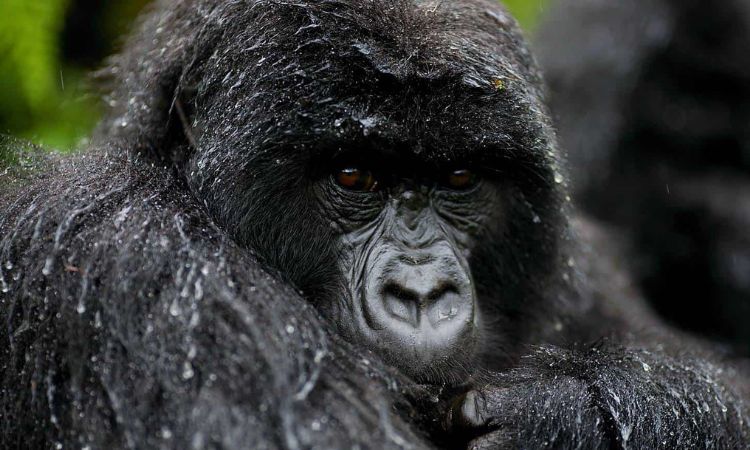
How Gorillas Attract Mates: A Fascinating Insight
How Gorillas Attract Mates: Gorillas do not rely on flashy colors or elaborate songs like some birds. Instead, how gorillas attract mates centers on raw power, consistent leadership, and subtle bonding—traits honed by millions of years of evolution.
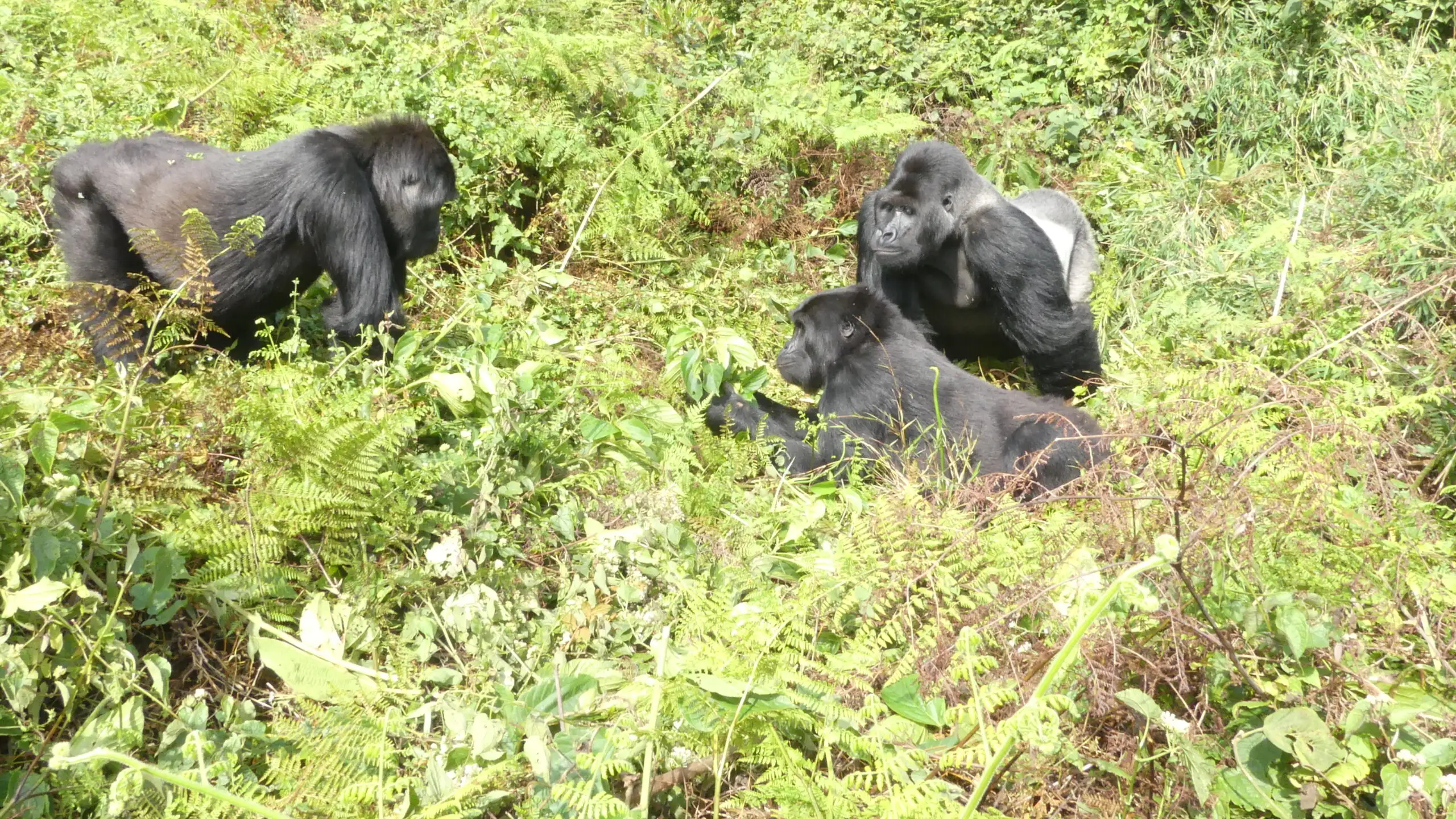
Below is How Gorillas Attract Mates;
a) Dominance and Physical Strength
Size matters. A mature silverback can weigh up to 400 pounds (180 kg) with massive canines and a muscular frame built for combat. Females are drawn to males who can physically dominate rivals and shield the group from leopards or poachers.
During inter-group encounters, silverbacks charge and fight to prove superiority. Winners often gain females who “vote with their feet” and switch groups. In Bwindi Impenetrable National Park, trackers have witnessed silverbacks displaying their sheer power by uprooting vegetation or standing bipedally to appear even larger—clear signals of genetic quality that females assess before committing.
b) Body Language and Displays
Chest beating is the most famous gorilla courtship ritual and dominance signal. A silverback gorilla rhythmically slaps his chest with cupped hands, creating a resonant “pok-pok-pok” that echoes through the forest.
This display intimidates rivals while advertising strength and confidence to nearby females. Charging, branch breaking, and vocalizations (hoots, grunts, and roars) complete the repertoire.
These are not random; they serve dual purposes—warding off competitors and subtly “seducing” females by demonstrating the male’s vigor and ability to lead.
c) Protection and Leadership
Females seek males who make them feel safe. A silverback leads his group to prime feeding sites, ensures access to water, and stands guard at night. In Uganda’s misty highlands, where Mountain gorillas face occasional leopard threats, this protective role is life-saving.
our observations in Bwindi show females clustering closer to a confident silverback during tense inter-group meetings, reinforcing his leadership through proximity and grooming.
d) Grooming and Social Bonding
While displays grab attention, grooming builds lasting trust. The silverback gorilla gently grooms females, removing parasites and strengthening emotional bonds.
These quiet moments of physical contact reduce tension and signal long-term investment—key in a species where females may stay with the same male for decades.
e) Female Choice (CRUCIAL for Understanding Gorilla Mating Behavior)
Female gorillas are far from passive. They actively evaluate males during encounters between groups and may transfer to a stronger silverback if their current leader weakens.
This choice is rooted in behavioral science: sexual selection theory predicts females will favor traits that enhance offspring survival. A stable, dominant silverback offers better genes and protection than a solitary or subordinate male.
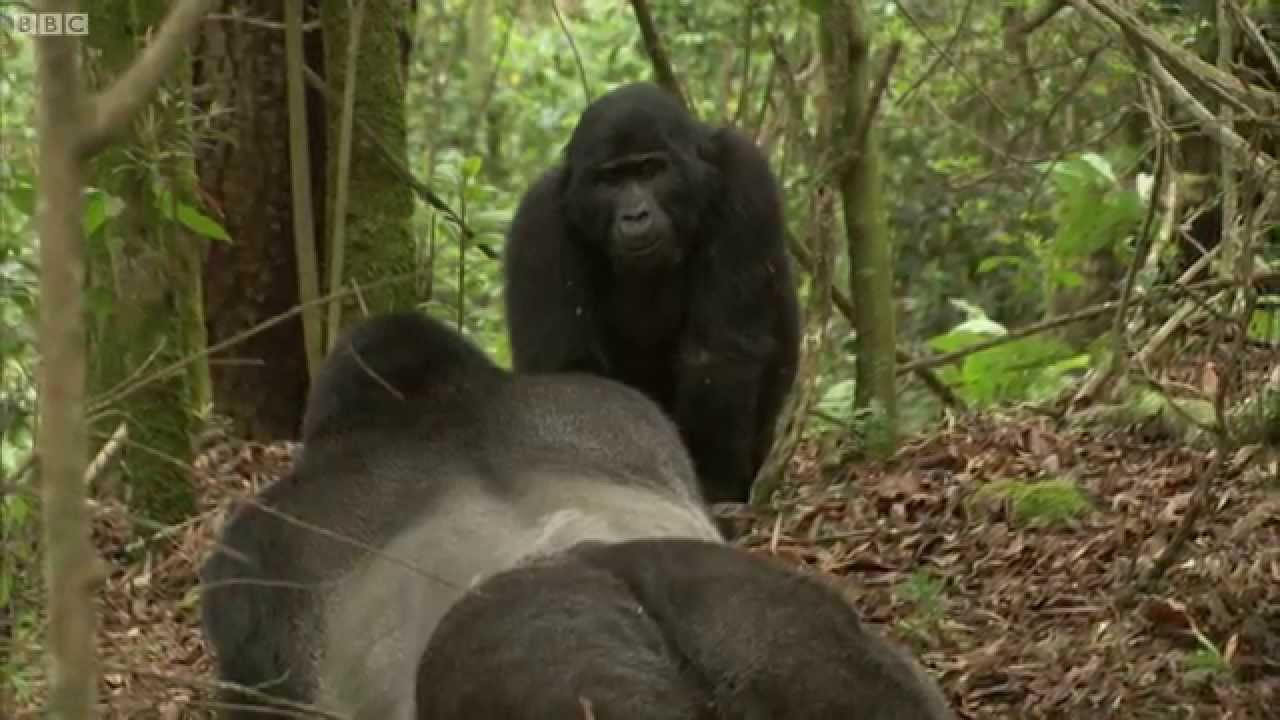
Gorilla Group Structure and Mating System
Gorilla society revolves around a polygynous mating system—one dominant male, known as the silverback, mates with multiple females in his group. A typical gorilla family consists of one silverback, 3–10 adult females, and their offspring, though some groups (especially among Mountain gorillas) can include subordinate males.
This structure is not random; it evolved because a strong silverback provides superior protection, leadership, and genetic fitness.
The silverback gorilla is the undisputed leader. He decides daily movements, mediates conflicts, and sires nearly all offspring. Female gorillas choose strong males because they offer the best chance for their infants’ survival.
In a world where rival males may attempt takeovers, a powerful silverback’s presence dramatically reduces the risk of infanticide—the killing of unweaned infants by a new male to bring the female back into estrus faster.
This female-driven preference for dominant protectors is a cornerstone of gorilla social structure and explains why weaker males rarely hold groups for long.
How Female Gorillas Choose Mates
Female gorillas reach sexual maturity around 7–8 years but typically begin breeding later. They signal readiness during a brief 1–2 day estrus window through prolonged eye contact, pursed lips, and gentle approaches.
Preference overwhelmingly goes to dominant silverbacks who have proven their leadership. In multi-male Mountain gorilla groups, females may mate with multiple males to create paternity confusion, reducing infanticide risk.
Secondary transfers—leaving one group for another—are common, especially after a silverback’s death, allowing females to shop for better mates and safer futures.
Gorilla Mating Behavior Explained
Gorilla mating is brief, purposeful, and focused on reproduction rather than pleasure. The dominant silverback mates with receptive females in his group, typically in a rear-entry position lasting 1–2 minutes.
Females often initiate by approaching and signaling; the silverback may respond with a soft grunt or touch. Mating occurs year-round but peaks when the female is fertile.
Frequency is low—females give birth only every 4–6 years due to long gestation (about 8.5 months) and extended infant care—ensuring each offspring receives maximum investment. The primary purposes are reproduction and reinforcing the pair bond within the larger group dynamic.
Male Rivalry and Mate Competition
Competition is fierce. Lone silverbacks or bachelor groups challenge established leaders through displays, charges, and outright fights. Successful takeovers can lead to group dissolution, with females joining the victor.
Infanticide, while tragic, is a documented reproductive strategy: a new silverback may eliminate unweaned infants sired by the previous male to accelerate the female’s return to fertility. This harsh reality underscores why females prioritize the strongest, most stable protectors.
Do All Gorillas Attract Mates the Same Way?
Habitat shapes subtle differences in gorilla courtship and mating. Mountain gorillas, adapted to high-altitude forests with abundant foliage, often live in larger groups (sometimes multi-male) where females have more social options and may remain in natal groups longer to avoid inbreeding. Their silverbacks invest heavily in close group cohesion and protection.
Western lowland gorillas, in contrast, inhabit vast, fruit-rich lowland forests where groups are smaller and more dispersed. Females transfer more systematically to new silverbacks upon maturity, and silverbacks must cover larger ranges to find mates.
Eastern lowland gorillas fall between these patterns but share the core polygynous system. Across all subspecies, however, the silverback’s dominance displays and female choice remain the driving forces behind gorilla mating behavior.
How Conservation Affects Gorilla Reproduction
Successful conservation directly boosts gorilla reproduction by securing habitat and reducing human threats. In Uganda’s Bwindi Impenetrable National Park and Rwanda’s Volcanoes National Park, regulated gorilla tourism generates revenue that funds anti-poaching patrols, veterinary care, and community development.
Mountain gorilla numbers have risen from critically low figures in the 1980s to over 1,000 today—a rare conservation success story.
Healthy silverbacks in protected areas sire more offspring, and stable groups mean fewer risky transfers and lower infanticide rates. Tourism also raises global awareness, ensuring future generations can witness these magnificent primates in the wild.
FAQs About Gorilla Mating Behavior
How do gorillas choose their mates?
Females choose dominant silverbacks based on physical strength, leadership, and protective ability, often transferring groups to join a stronger male.
Do female gorillas compete for males?
Rarely. Competition is minimal because the silverback mates with multiple females; instead, females focus on selecting the best protector.
How often do gorillas mate?
Mating is infrequent and tied to the female’s brief estrus. A silverback may mate once or twice per fertile period, with females producing offspring only every 4–6 years.
Why do silverbacks beat their chest?
Chest beating signals dominance to rivals and advertises strength and vitality to potential mates—part intimidation, part courtship display.
Can a female gorilla leave her group?
Yes. Females frequently transfer between groups, especially after a silverback’s death or if they perceive a better protector elsewhere.
Ready to Witness Gorilla Courtship in the Wild?
Experience gorilla behavior firsthand in Uganda’s ancient forests with us at Gorilla Nests Safaris, operated by Nature Safaris Africa. Our expert-guided treks in Bwindi Impenetrable National Park let you observe silverback displays, female bonding, and family dynamics up close—safely and responsibly.
Book one of our top popular gorilla trekking tour packages today:
- 3-Day Bwindi Gorilla Trekking Safari – Perfect for first-timers, with two gorilla encounters and cultural visits. View Itinerary
- 4-Day Uganda Gorilla & Wildlife Adventure – Combine Bwindi trekking with Queen Elizabeth National Park game drives. View Itinerary
- 7 Days Gorilla Habituation Experience – Get closer to semi-habituated groups and learn from researchers. View Itinerary
Secure your gorilla permit and create lifelong memories while supporting conservation. Contact us now—your journey into the heart of gorilla society awaits!