
East Africa Tourist Visa 2026: Cost, Eligibility, Application Guide
Discover the East Africa Tourist Visa for seamless travel across Uganda, Kenya, and Rwanda. Learn about costs ($100 USD), eligibility, step-by-step application, validity (90 days), and how it enhances safaris like gorilla trekking and wildlife adventures. Updated for 2026.
East Africa Tourist Visa: Your Gateway to Uganda, Kenya, and Rwanda Safaris
The East Africa Tourist Visa is a convenient joint visa that allows travelers to explore Uganda, Kenya, and Rwanda with a single entry permit, making it ideal for multi-country adventures.
Also known as the East African Tourist Visa or EAC single tourist visa, this visa covers three vibrant East African nations, offering multiple entries within the region for up to 90 days.
Whether you’re planning gorilla trekking in Rwanda’s Volcanoes National Park, wildlife safaris in Kenya’s Masai Mara, or boat cruises in Uganda’s Queen Elizabeth National Park, the East Africa Visa for Uganda Kenya Rwanda simplifies your journey.
This visa is perfect for tourists seeking cost-effective and flexible travel options, with a fee of just $100 USD. In this comprehensive guide, we’ll cover everything from eligibility and costs to application steps, ensuring you have all the up-to-date information for your 2026 trip.
If you’re dreaming of an unforgettable safari experience, the East Africa Tourist Visa eliminates the hassle of multiple applications, allowing you to focus on the thrill of spotting lions, elephants, and mountain gorillas across borders.
Countries Covered by the East Africa Tourist Visa
The East Africa Tourist Visa primarily covers three countries in the East African Community (EAC): Uganda, Kenya, and Rwanda. This joint initiative, launched to boost regional tourism, enables travelers to move freely between these nations without needing separate visas for each.
- Uganda: Known for its diverse landscapes, Uganda offers incredible safari opportunities. From the tree-climbing lions in Queen Elizabeth National Park to chimpanzee tracking in Kibale Forest, this country is a haven for nature enthusiasts. The visa allows you to enter Uganda as your first port or transit through it multiple times during your trip.
- Kenya: Famous for the Great Migration in Masai Mara National Reserve, Kenya’s savannas teem with wildlife. You can combine beach time in Diani with highland explorations in Nairobi National Park. The visa facilitates easy border crossings, enhancing your safari itinerary.
- Rwanda: Often called the “Land of a Thousand Hills,” Rwanda is synonymous with gorilla trekking in Volcanoes National Park. Cultural experiences in Kigali and lake relaxation in Lake Kivu make it a must-visit. The visa supports multi-country tours, like combining Rwandan gorillas with Ugandan safaris.
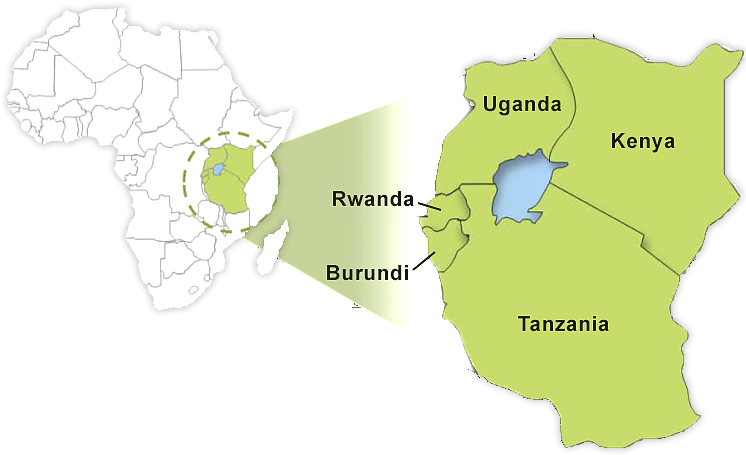
This visa allows multiple entries between these countries as long as you remain within the region. However, if you exit to a non-EAC country (e.g., Tanzania or Burundi), the visa becomes invalid for re-entry, and you’ll need a new one. For visual context, here’s a map highlighting the covered areas.
Travelers often use this visa for regional circuits, such as starting in Nairobi (Kenya), heading to Entebbe (Uganda) for a safari, and ending in Kigali (Rwanda) for gorilla encounters. This setup not only saves time but also reduces costs compared to individual visas.
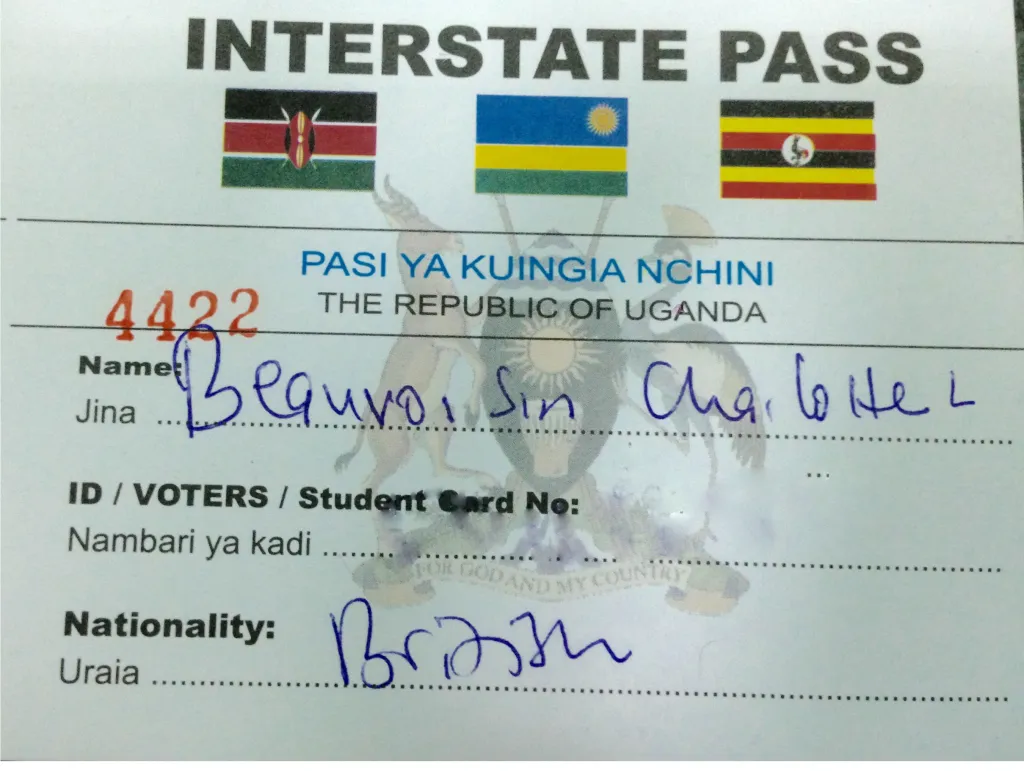
East Africa Tourist Visa Cost & Validity
How much is the East Africa tourist visa? The standard fee is $100 USD, making it a budget-friendly option for multi-country travel. This non-refundable fee covers the entire 90-day validity period and includes bank charges during payment. Compared to single-country visas (e.g., Kenya’s eTA at $51 USD, Uganda’s at $50 USD), it’s economical for those visiting all three.
The visa is valid for 90 days from the date of issuance, allowing multiple entries solely within Uganda, Kenya, and Rwanda. It’s not extendable, and overstaying can result in fines up to $30 USD per day or deportation. Fees are payable online via credit card or other methods during application.
For safari planners, this validity aligns perfectly with 2-3 week tours, giving ample time for wildlife viewing without rushed borders.
In 2026, no changes to the cost have been announced, but always check official sites for fluctuations due to currency or policy updates. The fee is the same regardless of nationality, and it’s exclusively for tourism—business or work requires separate permits.
Who Is Eligible for the East Africa Tourist Visa
Most nationalities are eligible for the East Africa Tourist Visa, provided the purpose is tourism only. Citizens from visa-exempt countries for individual nations may not need it, but for multi-country travel, it’s still recommended for seamless movement.
Key eligibility criteria:
- Nationalities: Available to citizens of countries requiring visas for any of the three nations, including the US, EU, Australia, Canada, and most Asian and South American countries.
- Passport Requirements: Your passport must be valid for at least 6 months from the entry date and have blank pages for stamps.
- Purpose: Strictly for tourism; no employment, volunteering, or business activities allowed. For safaris, this fits perfectly for leisure travelers.
- Exclusions: Citizens of EAC member states (like Kenya, Uganda, Rwanda themselves) don’t need it for intra-regional travel. Additionally, some nationalities must apply for single-country visas if they have restrictions (e.g., due to security concerns).
What is the EAC single tourist visa? It’s the official name for this joint visa under the East African Community framework, promoting tourism integration.
Regarding visa-free entry to Uganda specifically: Citizens of certain African countries can enter Uganda without a visa. These include Botswana, Burundi, Comoros, Democratic Republic of Congo, Eritrea, Gambia, Ghana, Kenya, Lesotho, Malawi, Mauritius, Madagascar, Rwanda, Seychelles, Sierra Leone, South Sudan, Eswatini (Swaziland), Tanzania, Zambia, and Zimbabwe.
However, for the full East Africa Tourist Visa, even these nationals might opt for it if planning multi-country trips beyond exemptions.
If you’re from a country like the US, planning a gorilla safari in Rwanda followed by a Ugandan wildlife tour, you’re fully eligible—just ensure your itinerary matches tourism intent.
How to Apply for the East Africa Tourist Visa (Step-by-Step)
Applying for the East Africa Tourist Visa is straightforward and done online through the immigration portals of Uganda, Kenya, or Rwanda. Choose the portal based on your first entry point, as the issuing country must be your initial arrival.
Here’s a step-by-step guide:
- Select the Application Portal: Use Uganda’s (visas.immigration.go.ug), Kenya’s (evisa.go.ke), or Rwanda’s (migration.gov.rw). For example, if starting your safari in Uganda, apply via Uganda’s site.
- Create an Account and Start Application: Register with your email, accept terms, and select “East Africa Tourist Visa” as the type.
- Fill Out the Form: Provide personal details, travel plans, and upload documents. Specify your first entry country.
- Upload Required Documents: See the next section for details.
- Pay the Fee: Submit $100 USD online; receive a reference number.
- Submit and Wait for Approval: Applications are processed electronically.
- Receive Approval: Get an email with the eVisa or approval letter.
- Biometric Capture (if required): At the border or airport, present documents for final stamping.
- Enter the Region: Start your journey at the designated first port.
How long does it take to get an East African tourist visa? Processing typically takes 2-10 working days, depending on the country and volume.
For urgent safari trips, apply at least two weeks in advance. In 2026, digital enhancements have sped up approvals, but peak seasons (June-September for safaris) may cause delays.
For safari customization, include your itinerary showing lodge bookings in Masai Mara or gorilla permits in Rwanda to strengthen your application.
Required Documents
To apply successfully, gather these documents in digital format (English preferred):
- Valid passport bio-data page (6 months validity).
- Recent passport-size photo (biometric standards: white background, no glasses).
- Travel itinerary detailing your safari plans across countries.
- Proof of accommodation (e.g., hotel bookings in Kampala, Nairobi, or Kigali).
- Return or onward ticket showing departure from the region.
- Yellow fever vaccination certificate (mandatory if coming from endemic areas).
- Any additional proofs like invitation letters for group safaris.
Scan clearly; incomplete uploads lead to rejections. For Rwanda gorilla trekking, include permit confirmations if applicable, though not mandatory for visa.
Entry & Border Rules
Upon approval, print your eVisa or approval letter. Key rules:
- First Port of Entry: Must match the issuing country (e.g., apply via Kenya if flying into Nairobi).
- Re-Entry: Unlimited within 90 days, as long as you stay in the three countries.
- Border Crossings: Allowed at major points like Malaba (Kenya-Uganda) or Gatuna (Uganda-Rwanda). Use official crossings for stamping.
- Overstay Penalties: Fines start at $30/day; severe cases involve bans.
- Visa Stamp: Expect a stamp like this in your passport upon entry.
For safaris, plan road transfers; buses or self-drives are common between borders.
East Africa Tourist Visa vs Single Country Visa
|
Aspect |
East Africa Tourist Visa |
Single Country Visa |
|
Cost |
$100 USD |
$50-51 USD per country (e.g., Uganda $50, Kenya $51) |
|
Validity |
90 days, multiple entries in 3 countries |
90 days per country, single/multiple depending on type |
|
Flexibility |
High for multi-country safaris |
Limited to one nation |
|
Best For |
Regional tours like Kenya safaris + Rwanda gorillas |
Single-destination trips |
The East Africa single tourist visa wins for cost savings on multi safaris, reducing total fees from $150+ to $100.

Best Use Cases for the East Africa Tourist Visa
This visa shines for:
- Safari Travelers: Combine Masai Mara big game with Uganda’s boat safaris.
- Gorilla Trekking Tourists: Track gorillas in Rwanda then chimpanzees in Uganda.
- Backpackers: Affordable border hops for budget adventures.
- Regional Tours: Cultural immersions across lakes and mountains.
- Business Travelers: Limited; tourism only, but short meetings possible if incidental.
For 2026, with rising eco-tourism, it’s ideal for sustainable safaris.
Common Mistakes to Avoid
- Applying through the wrong country (mismatching first entry).
- Exiting the region mid-trip, invalidating the visa.
- Overstaying without extensions (not possible).
- Missing yellow fever certs, leading to denial at borders.
- Forgetting biometric steps at entry.
Plan ahead for smooth safaris.
FAQs about the East African Tourist Visa
Is the East Africa Tourist Visa multiple entry? Yes, within Uganda, Kenya, and Rwanda for 90 days.
Can I extend the visa? No, it’s non-extendable; apply anew if needed.
Can I work with this visa? No, tourism only; work requires separate permits.
What happens if I exit the region? The visa expires for re-entry; get a new one.
Is the visa accepted at all borders? Yes, at official crossings.
How much is the East Africa tourist visa? $100 USD.
How long does it take to get an East African tourist visa? 2-10 working days.
Which African countries are visa free to enter Uganda? Botswana, Burundi, Comoros, DRC, Eritrea, Gambia, Ghana, Kenya, Lesotho, Malawi, Mauritius, Madagascar, Rwanda, Seychelles, Sierra Leone, South Sudan, Eswatini, Tanzania, Zambia, Zimbabwe.
What is the EAC single tourist visa? It’s the joint visa for tourism in Uganda, Kenya, and Rwanda.
Planning a multi-country safari in East Africa? Let our travel experts help you with visa guidance and seamless tour planning across Uganda, Kenya, and Rwanda. Contact us today for customized itineraries!