
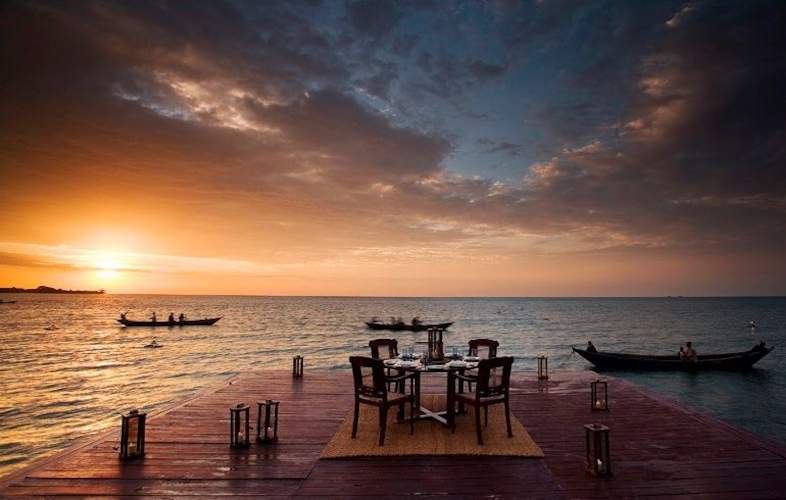
Hidden Gems in Kenya: 15 Secret Places Most Tourists Never Visit
Hidden Gems in Kenya: Are you tired of the crowded safaris in Maasai Mara or the bustling beaches of Diani? If you’re seeking hidden gems in Kenya that offer authentic, uncrowded experiences blending nature, culture, and adventure, this guide is for you.
These underrated destinations in Kenya provide off-the-beaten-path escapes where you can immerse yourself in pristine landscapes, spot rare wildlife, and connect with local traditions. Perfect for adventurers, photographers, and slow travelers who crave solitude and discovery, these secret places to visit in Kenya promise unique stories and breathtaking views. From misty forests to volcanic islands, we’ll uncover unexplored places in Kenya that most tourists overlook, ensuring your trip is truly unforgettable.
Below is a list of top 15 Hidden Gems in Kenya
Rusinga Island
Location: Rusinga Island is situated in the eastern part of Lake Victoria, in Homa Bay County, western Kenya. It’s connected to the mainland by a causeway at Mbita Point.
Why it’s a hidden gem: This elongated island, stretching 16 km long and 5 km wide, remains off the radar for most visitors due to its remote position and focus on local fishing communities rather than mass tourism.
It’s a haven of tranquility with fossil beds dating back 18 million years and the resting place of Kenyan hero Tom Mboya, offering a glimpse into Kenya’s aquatic culture and history without the crowds.
Best things to do: Explore fossil sites for paleontology enthusiasts, take boat rides on Lake Victoria to watch fishermen at work, hike trails for birdwatching (over 100 species), visit Tom Mboya’s mausoleum, and enjoy fishing or cultural visits to Luo and Suba communities. Don’t miss a speedboat trip to nearby Ruma National Park for wildlife spotting.
Best time to visit: Dry season from December to March for optimal birdwatching, fishing, and hiking with pleasant weather and fewer mosquitoes.
How to get there: Fly to Kisumu International Airport (about 1 hour from Nairobi), then drive 2-3 hours to Mbita and cross the causeway. Alternatively, drive from Nairobi (about 7-8 hours) via Kisumu.
Who it’s best for: Adventurers and history buffs interested in paleontology, birders, families seeking relaxed aquatic experiences, and photographers capturing stunning sunsets over the lake.
Rusinga Island embodies the essence of hidden places in Kenya, where time slows down amid vibrant skies and serene waters. Visitors often describe it as a dreamland for cultural immersion, with activities like connecting with nature and exploring ancient historic sites providing a peaceful retreat from busier tourist spots.
Chyulu Hills National Park
Location: In Makueni County, southeastern Kenya, between Tsavo West and Amboseli National Parks.
Why it’s a hidden gem: Often overshadowed by neighboring parks, Chyulu Hills offers untouristy wilderness with volcanic landscapes and cloud forests, remaining off-the-beaten-path due to its rugged terrain and lack of mainstream infrastructure.
Best things to do: Hike volcanic peaks over 2,000 meters for panoramic views of Mount Kilimanjaro, explore lava tube caves (including candlelit dinners), go on game drives to spot elephants and endangered species like black rhinos, enjoy horseback riding, mountain biking, and scenic flights. Birdwatching is excellent with over 300 species.
Best time to visit: Dry seasons from June to October and January to February for better road conditions and wildlife viewing.
How to get there: Fly to Nairobi, then take a charter flight to a nearby airstrip (1 hour) or drive 4-5 hours from Nairobi via Mombasa Road.
Who it’s best for: Hikers and nature lovers seeking adventure, couples for romantic cave experiences, photographers capturing misty forests, and wildlife enthusiasts spotting rare oryx and hyrax.
As one of the underrated destinations in Kenya, Chyulu Hills provides a refuge with lush rainforests nurturing surrounding plains, ideal for those escaping crowds.
Loita Hills
Location: In Narok County, southwestern Kenya, near the Tanzanian border, east of Maasai Mara.
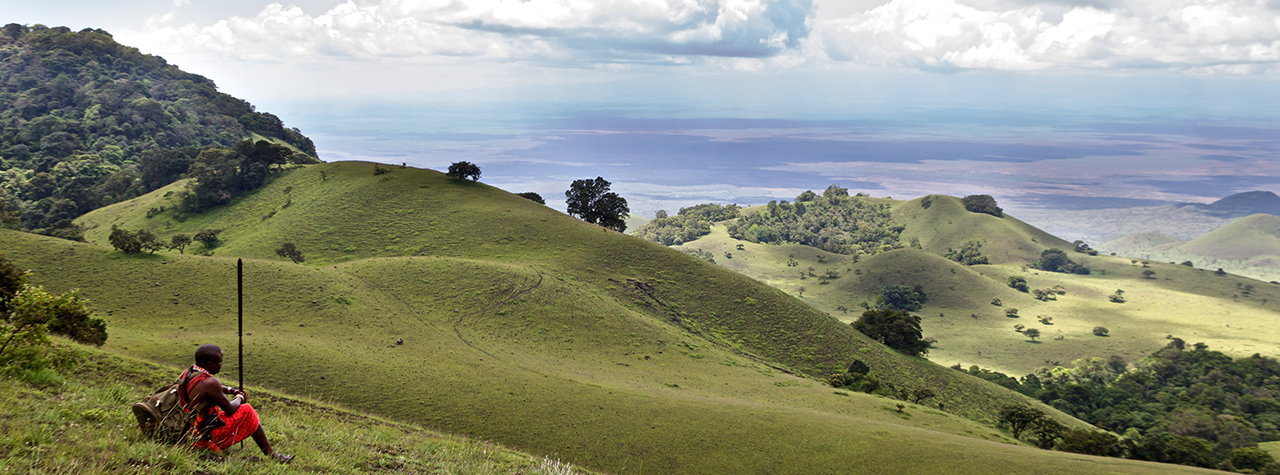
Why it’s a hidden gem: This rugged, forested highland is little-known outside Maasai communities, offering spiritual significance and untouched valleys without luxury lodges or heavy tourism.
Best things to do: Embark on multi-day walking safaris with Maasai guides, hike through forests and rivers, learn about Maasai traditions, spot wildlife like elephants and leopards, and enjoy stargazing in remote camps.
Best time to visit: Dry seasons from June to October and December to March for drier trails and comfortable hiking.
How to get there: Drive from Nairobi (about 5-6 hours) or Maasai Mara (2-3 hours) using a 4×4 vehicle due to unpaved roads.
Who it’s best for: Cultural explorers and trekkers, adventurers wanting immersive Maasai experiences, and slow travelers seeking silence and spiritual connections.
Loita Hills represent off the beaten path Kenya, with epic views and age-old traditions thriving in isolation.
Ndere Island National Park
Location: In the Winam Gulf of Lake Victoria, off Kisumu City in western Kenya.
Why it’s a hidden gem: This small 4.2 sq km island is a quiet escape with diverse wildlife, overlooked due to its boat-only access and focus on serenity rather than big game.
Best things to do: Walk trails for birdwatching (over 100 species), spot hippos and impalas, enjoy boat rides, picnic on scenic viewpoints, and fish in the lake.
Best time to visit: Dry season from June to October for better walking and boating conditions.
How to get there: Drive to Kisumu (1 hour flight from Nairobi), then boat from Boa Beach (45 minutes).
Who it’s best for: Birders and nature lovers, families for day trips, photographers seeking island vistas.
Ndere is among secret places to visit in Kenya for peaceful wildlife encounters.
Kakamega Forest
Location: In Kakamega County, western Kenya, near Kisumu.
Why it’s a hidden gem: As Africa’s last remnant of ancient rainforest, it’s under-visited due to thick bush and split management, offering hidden biodiversity away from savanna crowds.
Best things to do: Hike nature trails for butterfly and bird spotting (over 400 species), visit viewpoints like Buyangu Hill, explore with guides for flora education, and picnic in clearings.
Best time to visit: Dry seasons from December to February and June to August for ideal hiking weather.
How to get there: Fly to Kisumu (1 hour from Nairobi), drive 1-2 hours; or road from Nairobi (7-8 hours).
Who it’s best for: Hikers and botanists, birdwatchers, families for educational walks.
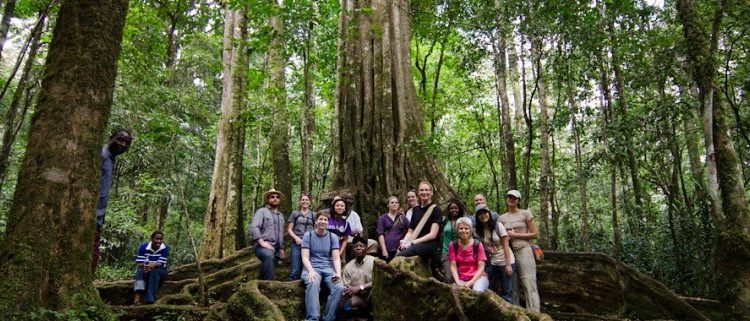
This unexplored place in Kenya teems with monkeys and songbirds. Learn more about Kakamega Forest.
Marafa Depression (Hell’s Kitchen)
Location: In Kilifi County, near Malindi on the coast.
Why it’s a hidden gem: This colorful canyon, eroded by wind and rain, is lesser-known despite its dramatic geology, often visited only by locals due to heat and remoteness.
Best things to do: Guided walks through the gorge for photography, learn local legends, watch sunsets turning rocks red-yellow-white.
Best time to visit: Early morning or late afternoon to avoid 50°C heat; year-round but best in dry months.
How to get there: Drive 1 hour from Malindi or matatu (Ksh 250) to Marafa.
Who it’s best for: Geologists and photographers, adventurers for short hikes.
A true hidden gem for its hellish beauty.
South Island National Park (Lake Turkana)
Location: Southern Lake Turkana, Turkana County, northern Kenya.
Why it’s a hidden gem: Remote and volcanic, it’s a breeding ground for crocodiles, isolated by desert surroundings.
Best things to do: Boat tours for crocodile and bird spotting, explore volcanic terrain, stargaze.
Best time to visit: Dry seasons June to September and January to February.
How to get there: Fly to Lodwar airstrip, then boat; or drive 3 days from Nairobi.
Who it’s best for: Wildlife enthusiasts, adventurers in remote areas.
Mount Ololokwe
Location: Samburu County, northern Kenya.
Why it’s a hidden gem: Sacred to Samburu, its stark rise is under-visited due to rough access.
Best things to do: 4-hour hike to summit, camp at base, cultural visits.
Best time to visit: Early morning starts in dry seasons.
How to get there: Drive 7-9 hours from Nairobi via Archer’s Post.
Who it’s best for: Hikers and cultural explorers.
Taita Hills Wildlife Sanctuary
Location: Taita-Taveta County, near Tsavo.
Why it’s a hidden gem: Private sanctuary with lush hills, quieter than Tsavo.
Best things to do: Game drives for elephants, birding.
Best time to visit: June to October.
How to get there: Drive 4 hours from Mombasa.
Who it’s best for: Safari lovers seeking privacy.
Kerio Valley Waterfalls
Location: Elgeyo-Marakwet County, Rift Valley.
Why it’s a hidden gem: Spectacular escarpments and gorges, less known for their remoteness.
Best things to do: Hike to Torok Falls, paragliding, birdwatching.
Best time to visit: November to April for green landscapes.
How to get there: Drive from Eldoret (2 hours).
Who it’s best for: Adventure seekers, hikers.
Chalbi Desert
Location: Marsabit County, northern Kenya, east of Lake Turkana.
Why it’s a hidden gem: Kenya’s only true desert, saline flats with nomadic cultures, remote.
Best things to do: Dune exploration, stargazing, cultural immersion with Gabbra.
Best time to visit: July to October and January to February.
How to get there: Drive 8 hours from Nairobi or fly to Marsabit.
Who it’s best for: Desert adventurers, photographers.
Gede Ruins
Location: Kilifi County, near Watamu.
Why it’s a hidden gem: Ancient Swahili city abandoned mysteriously, hidden in forest.
Best things to do: Guided tours of palaces, night visits for atmosphere.
Best time to visit: Mornings year-round.
How to get there: Drive 20 minutes from Watamu.
Who it’s best for: History buffs, explorers.
Shimba Hills National Reserve
Location: Kwale County, near Mombasa.
Why it’s a hidden gem: Coastal forest with high elephant density, uncrowded.
Best things to do: Hike to Sheldrick Falls, game drives.
Best time to visit: December to March and July to September.
How to get there: Drive 1 hour from Mombasa.
Who it’s best for: Nature lovers, day-trippers.
Mount Marsabit
Location: Marsabit County, northern Kenya.
Why it’s a hidden gem: Volcanic mountain with crater lakes, isolated oasis.
Best things to do: Hike to Lake Paradise, game drives.
Best time to visit: June to September.
How to get there: Drive from Nairobi or fly to airstrip.
Who it’s best for: Hikers, wildlife viewers.
Saiwa Swamp National Park
Location: Trans-Nzoia County, near Kitale, western Kenya.
Why it’s a hidden gem: Small park for rare sitatunga antelope, foot-only access.
Best things to do: Walk boardwalks for antelope spotting, birdwatching from platforms.
Best time to visit: December to March.
How to get there: Drive 22 km from Kitale (airstrip nearby).
Who it’s best for: Birders, walkers seeking quiet.
Travel Tips for Exploring Hidden Gems in Kenya
To make the most of these underrated destinations, plan for rough roads—rent a 4×4 and carry spare tires. Safety is generally good, but hire local guides for remote areas like Chalbi Desert.
Respect cultural etiquette: Ask permission before photographing people, and dress modestly in villages. Permits are needed for parks via KWS; fees vary ($20-50).
Pack insect repellent, sunscreen, and water purifiers. For E-E-A-T, consult experienced operators for logistics. These tips ensure safe, authentic adventures in off the beaten path Kenya.
FAQs about Hidden Gems in Kenya
What are the best hidden gems in Kenya? Top picks include Chyulu Hills for volcanic hikes, Kakamega Forest for biodiversity, and Lake Turkana for remote wilderness.
Are hidden gems in Kenya safe to visit? Yes, with precautions like guides and avoiding solo night travel; most are in protected areas.
Which hidden places in Kenya are best for hiking? Loita Hills, Mount Ololokwe, and Chyulu Hills offer challenging trails with stunning views.
When is the best time to explore Kenya’s hidden gems? Dry seasons (June-October, January-February) for accessibility and wildlife.