Best Month to Do a Safari in Kenya: 2026 Complete Guide
The best month to do a safari in Kenya is generally July through October, during the dry season when wildlife viewing is at its peak and the Great Migration crosses into the Maasai Mara.
However, the ideal time depends on what you want to see, your budget, and crowd preferences. Whether you’re chasing the drama of river crossings, seeking budget-friendly deals, or aiming for serene birdwatching, Kenya’s safari seasons offer something for every traveler.
In this complete guide, we break down Kenya’s safari seasons month by month, explain weather patterns, highlight top experiences, and provide practical tips to help you plan your 2026 adventure.
From the iconic Maasai Mara to the elephant-filled plains of Amboseli, get ready to discover when Kenya’s wildlife shines brightest.
Kenya is a safari powerhouse in East Africa, boasting diverse landscapes from vast savannas to rugged mountains. With over 20 national parks and reserves, it’s home to the Big Five (lion, leopard, elephant, buffalo, and rhino) and the annual Great Migration, where millions of wildebeest and zebras traverse the plains.
But timing is everything—visit during the wrong season, and you might miss key sightings or battle muddy roads. That’s why understanding the best time to visit Kenya for safari is crucial.
This guide covers everything from Kenya safari weather by month to the cheapest time to visit Kenya, ensuring your trip aligns with your goals.
Kenya Safari Seasons Explained
Kenya’s climate is influenced by its equatorial location, resulting in two main rainy seasons and two dry periods. The long dry season (June to October) is peak time for safaris, with clear skies and concentrated wildlife around water sources.
The short dry season (January to February) offers warm weather and excellent visibility, ideal for photography. The long rains (March to May) bring lush greenery but fewer tourists and lower prices, while the short rains (November to December) provide a shoulder season with good birding opportunities.
These seasons affect not just weather but also animal behavior, park accessibility, and costs. For instance, during dry periods, animals gather at rivers and waterholes, making sightings easier. In wet seasons, the landscape transforms into a verdant paradise, but roads can become impassable in remote areas.
Kenya Safari Weather by Month: A Detailed Breakdown
To help you choose the best month for Kenya safari, here’s a month-by-month guide to weather, wildlife, and what to expect. We’ve grouped similar months for clarity.
January – February: Short Dry Season – Prime for Wildlife and Fewer Crowds
January and February mark the short dry season, with hot, sunny days and minimal rainfall. Average temperatures hover around 25–30°C (77–86°F) during the day, dropping to 15–20°C (59–68°F) at night in higher elevations like the Maasai Mara. This period is excellent for wildlife viewing, as grass is short from recent rains, and animals congregate around water sources.
In January, carnivores are highly active, with great visibility for spotting lions, cheetahs, and leopards. February brings the start of calving season in places like Amboseli, where you’ll see newborn wildebeest and zebras—drawing predators for thrilling hunts.
Birdwatching is superb, with migratory species from the northern hemisphere arriving. Crowds are moderate, and prices are medium to high, but it’s less busy than peak season.
Pros: Clear skies for photography, baby animals, and lower humidity. Cons: Can be hot midday, and some lodges may still be recovering from holiday crowds.
March – May: Long Rains – Low Season for Budget Travelers
March signals the onset of the long rainy season, with heavy downpours peaking in April and easing by May. Expect afternoon thunderstorms, with temperatures around 22–28°C (72–82°F) and high humidity. Rainfall can reach 200–300mm per month, turning parks lush and green.
Wildlife viewing is moderate—animals disperse due to abundant water, but the scenery is stunning with blooming flora. March offers good birding as rains begin, while April and May see fewer tourists, making it the cheapest time to visit Kenya.
Prices drop by up to 40%, and parks like Tsavo feel private. However, muddy roads can limit access in remote areas, and some camps close.
Pros: Lush landscapes, excellent for photography, and massive discounts. Cons: Unpredictable weather, potential for game drives to be canceled, and higher malaria risk.
June – October: Long Dry Season – Peak Safari Time
June kicks off the long dry season, with rains tapering off and temperatures cooling to 20–25°C (68–77°F). By July, it’s fully dry, leading into the best months for Kenya safari: July through October.
Wildlife visibility peaks as grass thins and animals cluster at waterholes. The Great Migration arrives in the Maasai Mara around late July, with dramatic river crossings in August and September—think thousands of wildebeest plunging into crocodile-infested waters. October sees the herds lingering before heading south.
Crowds are high, especially in July–September, and prices soar. But the action is unmatched: big cat sightings, elephant herds, and clear nights for stargazing.
Pros: Excellent wildlife spotting, dry roads, and the Migration spectacle. Cons: Busy parks, higher costs, and dustier conditions.
November – December: Short Rains – Shoulder Season for Balance
November brings short, intermittent rains, transitioning to warmer, drier December. Temperatures range from 23–29°C (73–84°F), with showers mostly in afternoons. Wildlife remains good, as new grass attracts grazers, and birdwatching thrives with over 1,000 species present.
This is a shoulder season: fewer crowds than peak, but still solid sightings. December offers festive vibes, with some calving starting early. Prices are moderate, making it a smart choice for value.
Pros: Good birding, emerging green landscapes, and fewer people. Cons: Occasional rain disrupting plans, and building humidity.
Best Month for Specific Experiences
Not all safaris are the same—tailor your trip to your interests with these targeted recommendations.
Best Month to See the Great Migration in Kenya
July to September is prime for the Great Migration in Kenya, when herds cross from Tanzania’s Serengeti into the Maasai Mara. August often sees the most intense river crossings at the Mara River, with predators lurking. For fewer crowds, aim for late September.
Best Month for Big Cats
June to October offers the best big cat sightings, as dry conditions force prey to water sources, drawing lions, leopards, and cheetahs. February is also strong for predator action during calving.
Best Month for Birdwatching
November to April is ideal, with migratory birds flocking in. Lake Nakuru in March–May hosts flamingos amid lush wetlands.
Best Month for Budget Safari
April and May are the cheapest time to visit Kenya, with low-season rates slashing costs by 30–50%. November offers shoulder-season deals without full rainy disruptions.
Best Month for Photography
January–February or June–October provide golden light and clear skies. The green season (March–May) yields vibrant, misty landscapes for dramatic shots.
Comparison Table: Kenya Safari by Month
Here’s a quick overview to compare seasons at a glance:
|
Month |
Season |
Wildlife Viewing |
Crowds |
Prices |
Weather Highlights |
|
January |
Short Dry |
Excellent |
Medium |
Medium-High |
Hot, dry; calving starts |
|
February |
Short Dry |
Excellent |
Medium |
High |
Warm, sunny; predator hunts |
|
March |
Long Rains |
Fair |
Low |
Low |
Heavy rains begin |
|
April |
Long Rains |
Moderate |
Very Low |
Lowest |
Wettest; lush greenery |
|
May |
Long Rains |
Fair |
Low |
Low |
Rains easing; value deals |
|
June |
Long Dry |
Excellent |
Medium |
Medium |
Dry start; Migration nears |
|
July |
Long Dry |
Excellent |
High |
High |
Peak Migration crossings |
|
August |
Long Dry |
Excellent |
High |
High |
Intense wildlife action |
|
September |
Long Dry |
Excellent |
High |
High |
Best overall visibility |
|
October |
Long Dry |
Excellent |
Medium |
Medium-High |
Herds linger; clear skies |
|
November |
Short Rains |
Good |
Low |
Medium |
Intermittent showers |
|
December |
Short Rains |
Good |
Medium |
Medium |
Festive; early calving |
This table highlights how July–October dominates for sightings, while April stands out for savings.
Top Parks to Visit in Kenya
Kenya’s parks vary by season, enhancing your safari. Link to our in-depth guides for more.
- Maasai Mara National Reserve: The star for the Great Migration (July–October). Year-round Big Five, but peak in dry season.
- Amboseli National Park: Famous for elephants against Mount Kilimanjaro. Best January–February or July–October for clear views.
- Tsavo East & West: Vast and rugged; great for red elephants. Dry season for best access.
- Lake Nakuru: Flamingos and rhinos; rainy season for birds.
- Samburu National Reserve: Unique species like Grevy’s zebra; dry months for sightings.
Budget Considerations for Your Kenya Safari
Costs fluctuate wildly by season. Peak (July–October) sees lodge rates at $500–$1,000+ per night, plus park fees (~$80/day). Shoulder seasons (November–December, January–March) offer 20–30% savings, while low season (April–May) can halve prices, with packages under $300/night.
Factor in flights (Nairobi as hub), internal transfers, and tips. Book early for peak—lodges sell out months ahead. For value, combine with Uganda or Tanzania for multi-country deals.
Practical Travel Information
Average Temperatures and Rainfall
Use this for packing: Dry seasons are cooler at night (pack layers); rainy ones humid (bring rain gear).
Visa Requirements
Most visitors need an eTA (electronic travel authorization) for Kenya, applied online for ~$34. Valid 90 days; check for updates.
Crowd Factors
European/U.S. school holidays (July–August, December) spike crowds. Book 6–12 months ahead for peak.
Health and Safety
Malaria prophylaxis recommended; yellow fever vaccine if from endemic areas. Safaris are safe with reputable operators.
Unique Angles: Beyond the Basics
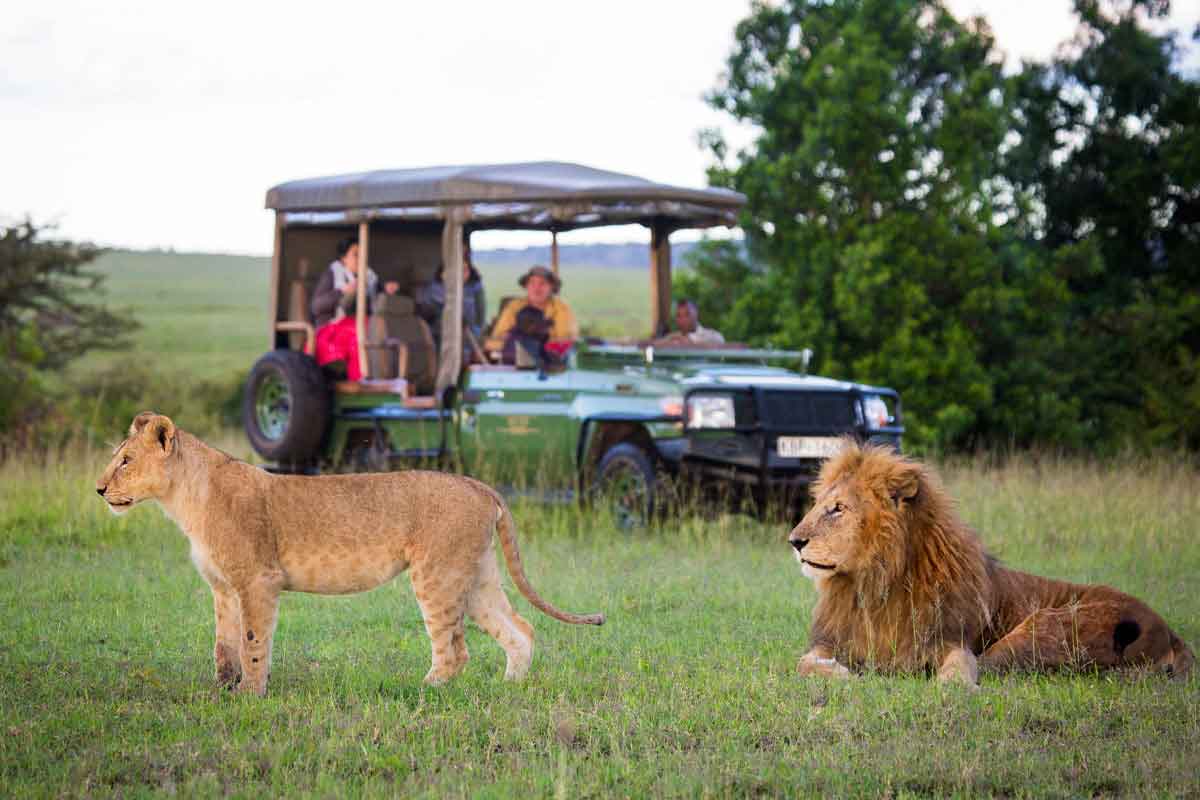
To stand out, consider crowd comparisons: Peak season means 20+ vehicles at sightings, while low season offers solitude. Pros/cons per season: Dry = easier spotting but dust; rainy = lush but muddy. Add a conservation twist—your safari supports anti-poaching via park fees, protecting icons like the Maasai Mara’s lions.
FAQs about Best Month to Do a Safari in Kenya
Is July the best month for safari in Kenya? Yes, for Migration action, but September offers similar with fewer crowds.
Is April a bad time to visit Kenya? Not bad—great for budgets, but expect rain.
When is the Great Migration in Kenya? Late July to October in the Maasai Mara.
What is the hottest month in Kenya? January–February, with highs up to 30°C.
Is Kenya safari good in December? Yes, for birding and moderate crowds.
What is the cheapest month for safari in Kenya? April–May.
How many days are enough for a Kenya safari? 5–10 days for a full experience.
When do lodges sell out in Kenya? 6–9 months ahead for July–October.
Conclusion: Why Book Your Kenya Safari with Gorilla Nests Safaris
Planning a Kenya safari in 2026? Whether it’s the thrill of the Great Migration or the serenity of low-season explorations, the best time to visit Kenya for safari aligns with your dreams. But don’t just read about it—experience it with experts who know East Africa inside out.
At Gorilla Nests Safaris, we specialize in tailored East African adventures, blending Kenya’s iconic wildlife with seamless extensions to Uganda’s gorilla trekking or Tanzania’s Serengeti.
Our customized itineraries ensure you get the best month for your goals, with private guides, luxury lodges, and conservation-focused tours. Imagine witnessing elephants in Amboseli at dawn or a Mara hot-air balloon ride— all hassle-free.
Contact us today for a free safari quote. Let Gorilla Nests Safaris turn your Kenya dream into reality. Your adventure awaits—book now and create memories that last a lifetime.