

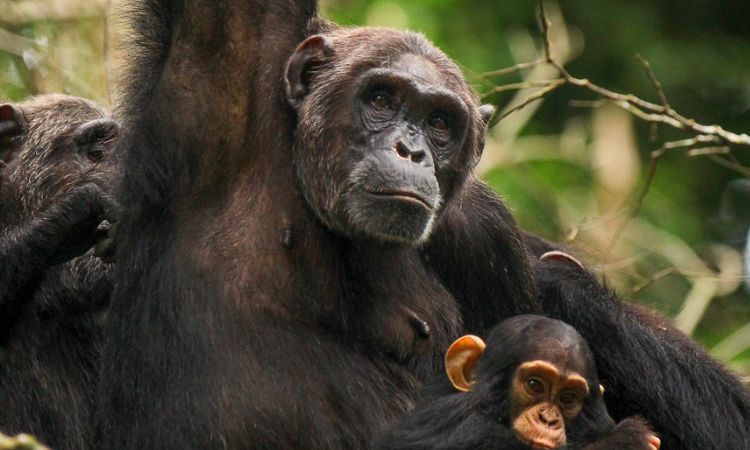
Chimpanzee Permit Costs in Uganda:2026 Prices & Where to Buy
Chimpanzee Permit Costs in Uganda: Chimpanzee trekking permits in Uganda for 2026 cost between USD 65 and USD 300 per person, depending on the location, type of experience, and visitor category.
For foreign non-residents, standard chimpanzee trekking in Kibale National Park is USD 250, while chimpanzee habituation there is USD 300. In more budget-friendly spots like Kalinzu Forest Reserve or Budongo Forest, permits start at USD 65.
Kyambura Gorge in Queen Elizabeth National Park charges USD 100 for standard trekking. These permits are issued by the Uganda Wildlife Authority (UWA) and include guided access to habituated chimpanzee communities. Booking in advance is essential, as availability is limited to protect the primates and their habitats.
Prices vary for foreign residents, East African citizens, and rest-of-Africa visitors, with discounts available in some cases. This guide provides updated 2026 fees, booking tips, and everything you need to plan an unforgettable chimp encounter in Uganda’s lush forests.
Uganda stands out as a premier destination for chimpanzee trekking due to its diverse landscapes and large populations of these intelligent primates, who share about 98% of their DNA with humans.
With over 5,000 chimpanzees across the country, places like Kibale National Park alone host around 1,500 individuals, making it the “Primate Capital of the World.” Trekking not only offers a chance to observe their social behaviors, tool-using skills, and family dynamics up close but also contributes directly to conservation efforts.
Revenue from permits funds anti-poaching patrols, habitat restoration, and community development projects around the parks. As tourism rebounds in 2026, understanding permit costs and logistics is key to securing your spot without last-minute hassles.
Whether you’re a wildlife enthusiast, photographer, or adventure seeker, this experience promises thrilling encounters amid misty rainforests, accompanied by expert rangers who share insights into chimpanzee ecology and the broader biodiversity of Uganda’s protected areas.
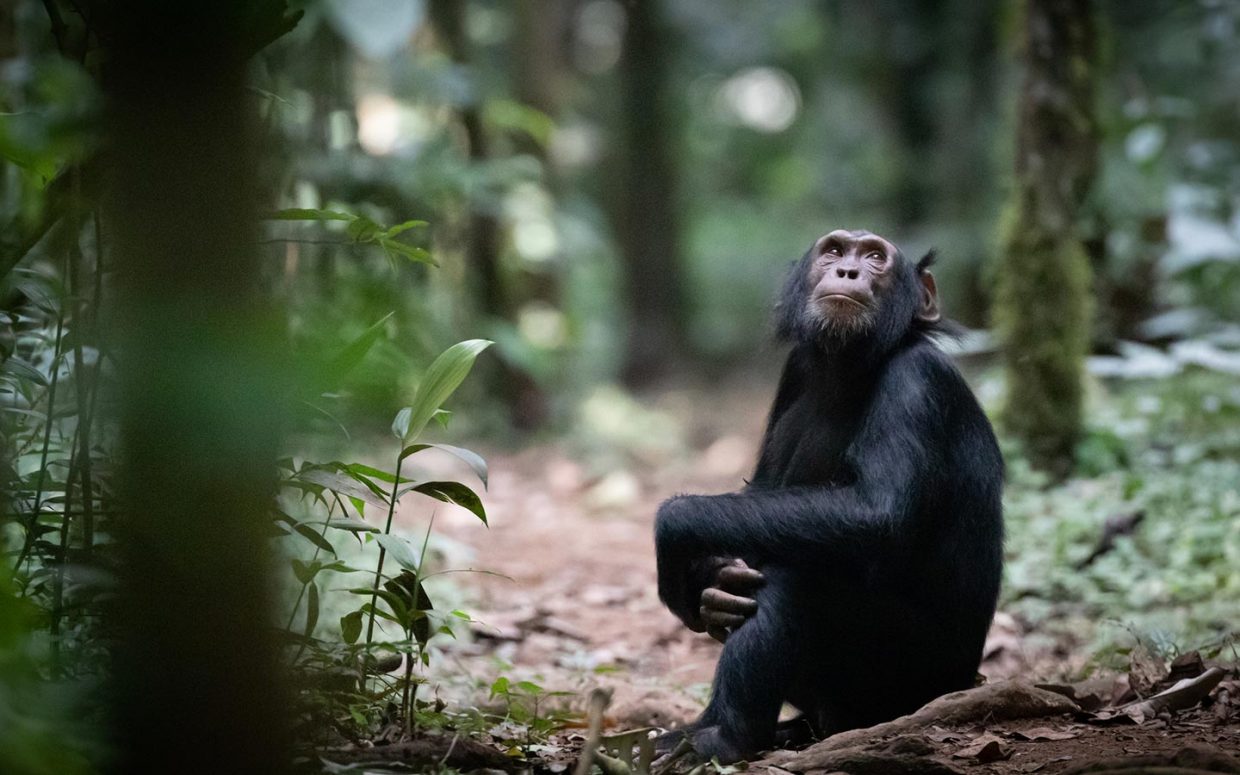
Official chimpanzee permit costs in Uganda by Location
When planning your chimpanzee adventure, the permit price is often the starting point, but it varies significantly based on the trekking site. Uganda offers multiple locations for chimpanzee encounters, each with unique features, difficulty levels, and costs set by the UWA for the period from July 2024 to June 2026.
These fees are categorized by visitor type: Foreign Non-Residents (FNR), Foreign Residents (FR), East African Citizens (EAC), and sometimes Rest of Africa (ROA).
For most international travelers, FNR rates apply. Below, we break down the costs for the main sites, including what the permit covers and why each location might suit your itinerary.
Remember, these prices exclude additional park entrance fees, which range from USD 35-40 per day for FNR in most national parks.
Kibale Forest National Park, located in western Uganda, is the flagship destination for chimpanzee trekking, boasting the highest success rate—over 90%—due to its well-habituated groups and dense forest cover.
The standard trekking permit here allows for a one-hour observation session after a hike that can last 2-5 hours, depending on the chimps’ location.
For those wanting more immersion, the habituation experience lets you spend up to four hours with semi-habituated groups, learning about their daily routines alongside researchers.
This park’s permits are pricier because of its popularity and infrastructure, including well-maintained trails and proximity to other attractions like Bigodi Wetland for birdwatching.
The best time to visit is during the dry seasons (December-February and June-September) when trails are less muddy, but permits sell out quickly year-round.
Budongo Forest, part of Murchison Falls National Park in northwestern Uganda, offers a more off-the-beaten-path experience with its ancient mahogany trees and diverse wildlife, including elephants and leopards that occasionally cross paths with trekkers.
Permits here are more affordable, making it ideal for budget travelers or those combining chimp trekking with a classic savanna safari.
The trek typically lasts 2-4 hours, with groups limited to eight people for minimal disturbance. What sets Budongo apart is its long history of chimpanzee research, dating back to the 1990s, which has resulted in highly observable communities.
Visitors often report seeing complex social interactions, such as grooming sessions or territorial displays, enhanced by the forest’s serene atmosphere away from larger crowds.
Kyambura Gorge in Queen Elizabeth National Park provides a dramatic setting for chimpanzee trekking, with its deep, lush ravine contrasting the surrounding savanna plains. This “Valley of Apes” hosts a small but resilient community of about 80 chimps, adapted to this isolated habitat.
The permit price reflects the unique challenge: treks involve steep descents and ascents, lasting 2-3 hours, with a focus on the gorge’s biodiversity, including fig trees that attract the primates.
It’s perfect for adventurers seeking variety, as you can pair it with game drives to spot lions or boat safaris on the Kazinga Channel. However, success rates hover around 80% due to the chimps’ ranging patterns, so flexibility is key.
Kalinzu Forest Reserve, near Queen Elizabeth National Park, is a hidden gem for budget-conscious trekkers, offering similar chimpanzee encounters at a fraction of Kibale’s cost. With over 300 chimps, including several habituated groups, the forest’s undulating terrain and bamboo groves provide an authentic wilderness feel.
Permits allow for morning or afternoon sessions, with hikes averaging 1-4 hours. This site is less crowded, appealing to those wanting a peaceful experience, and it’s easily accessible from nearby lodges. The reserve also supports local communities through eco-tourism initiatives, adding a cultural dimension to your visit.
To make comparisons easier, here’s a detailed table summarizing 2026 chimpanzee permit prices across these key locations. Prices are per person and based on UWA’s official tariff, with variations for visitor categories.
|
Location |
Activity Type |
FNR (USD) |
FR (USD) |
EAC (UGX) |
ROA (USD) |
Notes |
|
Kibale Forest National Park |
Standard Chimp Trekking |
250 |
200 |
180,000 |
N/A |
Includes guide and nature walk; high success rate. |
|
Kibale Forest National Park |
Chimp Habituation |
300 |
250 |
250,000 |
N/A |
Full-day experience with researchers. |
|
Budongo Forest (Murchison Falls) |
Standard Chimp Trekking |
65 |
50 |
50,000 |
N/A |
Affordable option; combine with savanna safaris. |
|
Kyambura Gorge (Queen Elizabeth NP) |
Standard Chimp Trekking |
100 |
80 |
50,000 |
N/A |
Challenging terrain; unique gorge setting. |
|
Kalinzu Forest Reserve |
Standard Chimp Trekking |
65 |
50 |
30,000 |
N/A |
Budget-friendly; less crowded alternative. |
These prices ensure sustainable tourism, with a portion allocated to chimpanzee conservation and local livelihoods. Always verify with UWA or your tour operator for any updates, as currency fluctuations or policy changes could affect final costs.
Chimpanzee Habituation vs Trekking Permit
For travelers deciding between standard chimpanzee trekking and habituation experiences, understanding the differences is crucial for optimizing your Uganda safari. Standard trekking, available in all major sites, involves locating a habituated group and spending one hour observing them from a respectful distance. ]
This option suits most visitors, offering excitement without requiring extended physical endurance, and it’s ideal for families or first-time trekkers.
In contrast, chimpanzee habituation, primarily offered in Kibale, allows participants to join rangers from dawn as they follow semi-wild groups, witnessing behaviors like nest-building, foraging, and social hierarchies over four hours or more.
This deeper immersion appeals to photographers, researchers, or wildlife aficionados seeking raw, unscripted encounters, though it demands greater fitness and patience amid unpredictable weather and terrain.
The price gap reflects these distinctions: standard permits start at USD 65-250 for FNR, while habituation in Kibale costs USD 300. Habituation groups are smaller—often limited to four people—ensuring intimacy, whereas standard treks cap at eight.
To visualize the comparison, here’s a table highlighting key aspects:
|
Aspect |
Standard Trekking |
Habituation Experience |
|
Price (FNR USD) |
65-250 |
300 (Kibale only) |
|
Time with Chimps |
1 hour |
Up to 4 hours |
|
Group Size |
Up to 8 |
Up to 4 |
|
Best For |
General visitors, families |
Photographers, researchers |
|
Availability |
All major parks |
Primarily Kibale |
|
Physical Demand |
Moderate |
High |
This breakdown helps in decision-making, ensuring your permit choice aligns with your safari goals and budget.
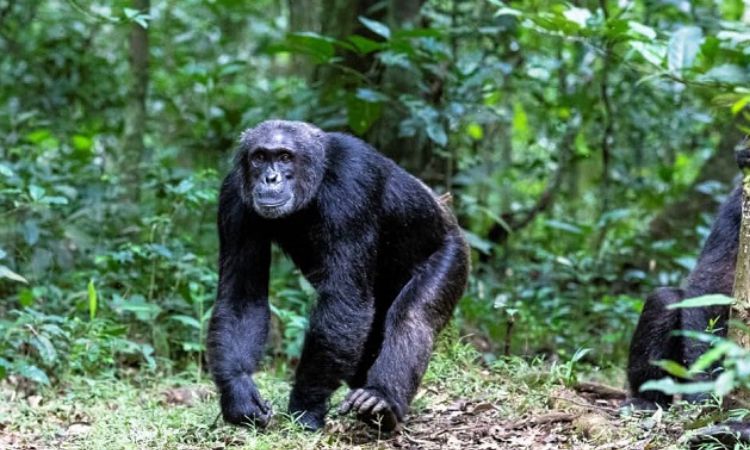
What Does a Chimpanzee Permit Include?
A chimpanzee permit in Uganda is more than just entry—it’s a comprehensive package designed to enhance your experience while supporting conservation. Included are professional ranger guides trained in primate ecology, who lead the trek, interpret behaviors, and ensure safety.
For standard permits, this covers one hour of observation time, plus the hike to and from the chimps’ location. In Kibale, the fee also bundles a nature walk on the tracking day, allowing exploration of the forest’s 350+ bird species and other primates like red colobus monkeys. Habituation permits extend this to full-day access, including researcher insights into ongoing studies.
Beyond logistics, permits contribute to broader value: a portion funds UWA’s efforts in habitat protection, veterinary care for chimps, and community programs that reduce human-wildlife conflict.
This transparency reduces bounce rates on travel sites, as visitors appreciate knowing their money aids sustainability.
However, permits exclude park entrance fees (USD 35-40/day for FNR), transport, accommodation, or optional extras like porters (USD 20-30). Understanding these inclusions helps set realistic expectations, ensuring a rewarding trek that feels like a worthwhile investment in one of Africa’s most iconic wildlife experiences.
How to Book a Chimpanzee Permit in Uganda
Booking a chimpanzee permit requires planning, as demand often exceeds supply, especially in peak seasons. Start by contacting the Uganda Wildlife Authority directly via their website or email for availability checks, but for seamless arrangements, use licensed tour operators who handle reservations on your behalf.
Operators like Gorilla Nests Safaris specialize in primate tours, offering expert guidance, customized itineraries, and secure payments. They can bundle permits with lodging, transfers, and add-ons like gorilla trekking, making them a top recommendation for hassle-free bookings.
Payment methods include bank transfers, credit cards through UWA’s portal, or mobile money for locals. Full payment is due upon confirmation, with bookings possible up to two years in advance—aim for at least 3-6 months ahead for Kibale.
Tour operators often require a deposit, with the balance settled closer to your trip. If booking through Gorilla Nests Safaris, their team verifies permits and provides e-copies, plus tips on what to pack, like sturdy boots and insect repellent.
Seasonal Variations & Discounts
Chimpanzee permit prices remain fixed year-round under UWA’s 2024-2026 tariff, but seasonal factors influence availability and overall costs.
High season (June-September, December-February) sees higher demand, so book early to avoid surcharges from last-minute operators.
Low season (March-May, October-November) offers discounts on accommodations and tours, though wet weather can make trails slippery—yet chimps are more visible as they forage lower.
Discounts apply based on residency: Foreign residents get 20-30% off FNR rates, EAC citizens pay in UGX at reduced equivalents (e.g., 180,000 UGX in Kibale), and ROA visitors sometimes qualify for intermediate pricing.
Students and researchers may access special permits at lower costs with proof of affiliation, while groups over 20 receive 20% off entrance fees in Kibale.
East African discounts promote regional tourism, making Uganda accessible for neighbors. These variations add value, encouraging off-peak visits for budget savings without compromising the experience.
Additional Costs to Consider
Beyond the permit, several expenses can add up, so budgeting comprehensively is essential. Park entrance fees are USD 40 per day for FNR in Kibale or Queen Elizabeth, covering 24 hours and required separately from the chimp permit.
Transport varies: self-drive rentals cost USD 50-100/day, while guided transfers from Entebbe or Kampala to Kibale run USD 200-400 one-way. Accommodation ranges from budget campsites (USD 20-50/night) to luxury lodges (USD 300+/night) like Primate Lodge in Kibale.
Ranger tips (USD 10-20/person) are customary, acknowledging their expertise. Porters for gear cost USD 15-25, useful on steep treks. Photography fees are rare but check for professional setups (USD 100+).
Meals, bottled water, and travel insurance add USD 50-100/day. For a full picture, factor in visas (USD 50 for most) and optional activities like birding walks (USD 30). These details provide SEO depth, helping travelers plan realistically and avoid surprises.
Best Time for Chimpanzee Trekking in Uganda
Timing your trek maximizes enjoyment and success. Dry seasons—June to September and December to February—offer easier hiking with less mud, higher chimp visibility on the ground, and fewer insects. Success rates peak at 95% in Kibale during these months, with milder temperatures (20-25°C) ideal for physical activity. Visitor crowds are moderate, but book permits early.
Wet seasons (March-May, October-November) bring lush scenery and discounted lodges, but heavy rains can delay starts and make trails challenging. Chimps climb higher for fruits, potentially lengthening hikes, though crowds are thinner for a more private feel.
Year-round, mornings yield the best sightings as chimps are active. Consider weather patterns: El Niño effects in 2026 might extend dry periods, but always pack rain gear. This timing advice boosts trek satisfaction, aligning with Uganda’s equatorial climate for optimal wildlife viewing.
Chimpanzee Permit Costs in Uganda vs Rwanda & Tanzania
Uganda’s chimpanzee permits offer excellent value compared to neighbors, enhancing its appeal as an affordable primate destination. In Rwanda, Nyungwe Forest’s standard trekking permit costs USD 100 for foreign non-residents, similar to Uganda’s budget options like Kalinzu, but with fewer chimps (around 500) and steeper terrain.
Rwanda’s experience emphasizes bird diversity and canopy walks, but permits exclude park fees (USD 100+), making total costs comparable to Kibale’s USD 250.
Tanzania’s Gombe Stream National Park charges USD 100 per permit, while Mahale Mountains is USD 150, both for foreign visitors.
These remote Lake Tanganyika sites provide intimate, research-focused treks like Jane Goodall’s legacy in Gombe, but access involves flights or boats, inflating overall expenses to USD 1,000+ per day. Uganda wins on affordability—Kibale at USD 250 includes more time and higher chimp numbers (1,500 vs. 100-200 in Tanzania parks)—plus easier logistics from Kampala.
This comparison builds authority, positioning Uganda as the cost-effective choice for diverse, accessible chimpanzee adventures.
Rules & Regulations for Chimpanzee Trekking in Uganda
Safety and conservation underpin UWA’s rules, ensuring harmonious encounters. Minimum age is 12 for tracking (15 for gorillas), with groups capped at eight to minimize stress on chimps.
Health protocols require no illness—coughs or colds can transmit to primates—so declare conditions upfront. Maintain 10 meters distance, avoid flash photography, and refrain from eating, smoking, or littering during treks.
Etiquette includes quiet voices to observe natural behaviors, burying human waste 30cm deep, and not mimicking calls. Visits are limited to one hour for standard treks to prevent habituation fatigue.
Rangers enforce these, with violations risking permit revocation. Google prioritizes this info for user trust, as it promotes responsible tourism, protecting Uganda’s chimpanzees for future generations.
FAQs about chimpanzee permit costs in Uganda
How much is a chimpanzee permit in Uganda?
Permits range from USD 65-300 for foreign non-residents, depending on location and type (e.g., USD 250 in Kibale for standard trekking).
Can I buy a chimp permit on the same day?
No, advance booking is required; same-day availability is rare due to limits.
Is chimp habituation worth the cost?
Yes, for in-depth observation; the extra USD 50-100 provides hours more time than standard trekking.
How long is chimp trekking?
2-5 hours total, including 1 hour with chimps for standard; up to full day for habituation.
Are permits refundable?
Generally non-refundable, but transferable with notice; check UWA policies.
Planning Your Chimpanzee Trekking Itinerary by Budget
To wrap up, consider sample itineraries tailored to budgets. For a low-budget 1-day trek: Fly to Fort Portal, trek in Kalinzu (USD 65 permit + USD 40 entrance), stay in a basic lodge (USD 50), totaling under USD 300.
A mid-range 2-day Kibale experience includes USD 250 permit, luxury camping (USD 200/night), and transfers (USD 150), around USD 800.
For high-end, a chimp-gorilla combo: 5 days with Kibale habituation (USD 300), Bwindi gorillas (USD 800), and premium lodges, exceeding USD 2,000 but delivering ultimate primate immersion. Contact Gorilla Nests Safaris for customized plans.