

Chimpanzee Tracking Uganda – Best Places, 2026 Permits & Tips
Chimpanzee tracking Uganda is one of the most thrilling wildlife experiences in Africa, offering adventurers a chance to observe our closest relatives in their natural habitat.
Uganda, often called the “Pearl of Africa,” boasts lush forests teeming with chimpanzees, making it a premier destination for primate enthusiasts.
Whether you’re a seasoned traveler or a first-time safari-goer, this guide covers everything you need to know about chimpanzee tracking in Uganda, from the best locations to practical tips that ensure a memorable and responsible adventure.
In this comprehensive article, we’ll delve into the essentials of chimpanzee tracking Uganda, including permits, what to expect on the trek, and how to plan your itinerary. With over 5,000 chimpanzees calling Uganda home—primarily in protected forests—this country provides unparalleled opportunities to witness these intelligent creatures up close. Let’s explore why Uganda stands out and how you can make the most of your chimp tracking experience.
Overview of Chimpanzee Tracking in Uganda
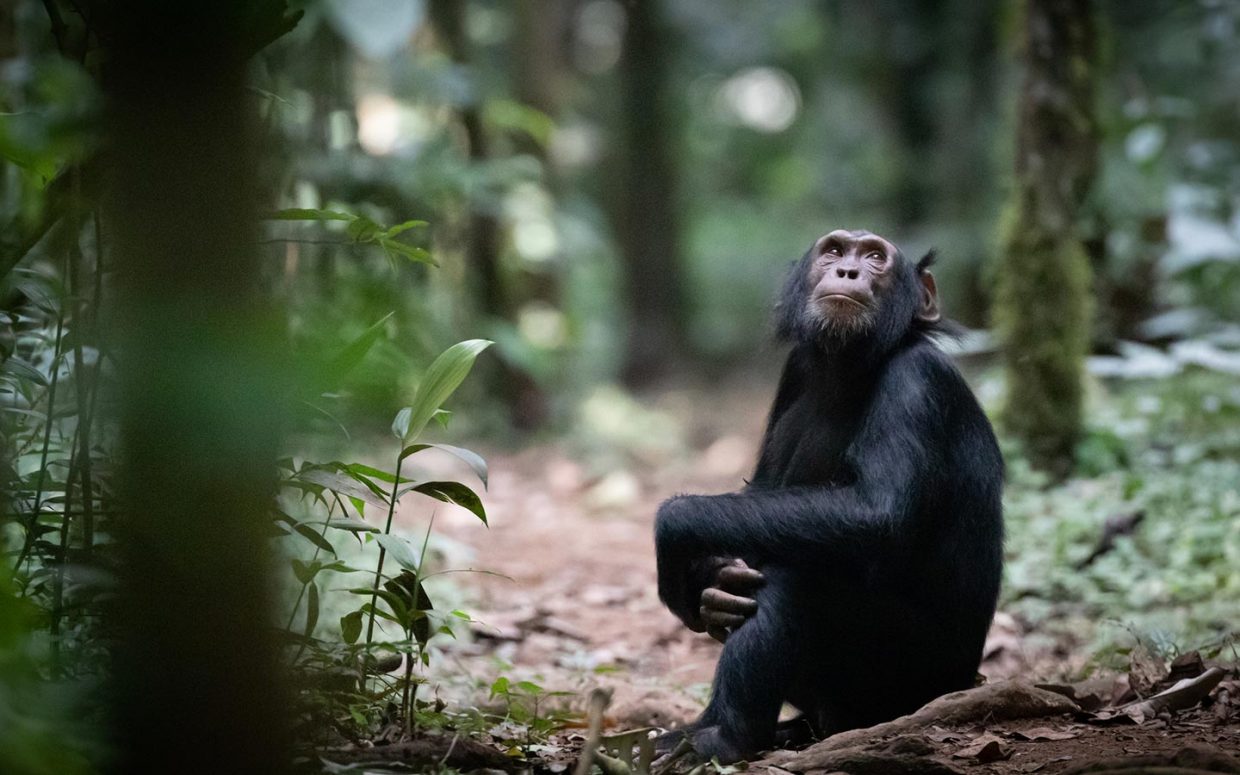
Uganda is widely regarded as Africa’s top destination for chimpanzee tracking, thanks to its dense rainforests and well-managed conservation efforts.
The country hosts approximately 5,000 wild chimpanzees, a significant portion of the global population estimated at around 170,000 to 300,000.
These primates, sharing about 98% of their DNA with humans, exhibit fascinating behaviors such as tool use, social interactions, and vocal communications that echo through the forest canopy.
What makes chimpanzee trekking in Uganda unique is the immersive experience it offers. Unlike zoo visits or documentaries, tracking involves hiking through verdant trails to locate habituated chimp groups—those accustomed to human presence without altering their natural behaviors.
The thrill lies in the unpredictability: hearing distant calls, spotting swinging figures in the trees, and finally encountering a troop foraging or playing. Uganda’s chimpanzee populations are protected under the Uganda Wildlife Authority (UWA), ensuring sustainable tourism that supports local communities and conservation.
Chimpanzee tracking Uganda appeals to nature lovers, photographers, and researchers alike. It’s not just about observation; it’s about understanding primate ecology and the importance of preserving habitats threatened by deforestation and human encroachment.
Popular spots like Kibale Forest offer success rates exceeding 90%, making it accessible yet adventurous. As we dive deeper, you’ll learn how to prepare for this once-in-a-lifetime journey.
Best Places for Chimpanzee Tracking in Uganda
When planning chimpanzee trekking in Uganda, choosing the right location is key to a rewarding experience. Uganda’s diverse landscapes provide multiple options, each with unique features. Below, we highlight the top spots, focusing on accessibility, chimp populations, and additional attractions.
Kibale Forest National Park (Best Overall)
Kibale Forest National Park is the crown jewel for chimpanzee tracking Uganda, often dubbed the “Primate Capital of the World.” Spanning 795 square kilometers in western Uganda, this equatorial rainforest is home to over 1,500 chimpanzees—the highest density in the country. The park’s habituated groups ensure a high success rate, typically above 95%, making it ideal for first-timers.
The tracking experience here starts at the Kanyanchu Visitor Center, near Fort Portal town. Treks wind through dense vegetation, where you’ll encounter not just chimps but also other primates like red colobus monkeys and olive baboons.
The forest’s biodiversity is staggering, with 375 bird species and 70 mammal types adding to the allure. Proximity to Fort Portal—a charming town with crater lakes and tea plantations—makes Kibale a convenient base for extended stays.
For those seeking variety, Kibale offers night walks to spot nocturnal creatures or birdwatching tours. The park’s well-maintained trails cater to different fitness levels, though expect some steep sections. If you’re combining trips, Kibale is just a few hours from Queen Elizabeth National Park for big game safaris.
Kyambura Gorge (Queen Elizabeth NP)
Nestled within Queen Elizabeth National Park, Kyambura Gorge provides a dramatic setting for chimpanzee trekking in Uganda. Known as the “Valley of Apes,” this 11-kilometer-long gorge plunges 100 meters deep, creating a microhabitat of fig trees and riverine forest that supports around 80 chimpanzees.
Tracking here involves descending into the gorge via steep paths, offering scenic views of the Kyambura River and surrounding savannas. The experience is more intimate, with smaller groups and a sense of exploration. Success rates hover around 80-90%, and sightings often include chimps crossing the river or lounging in trees.
What sets Kyambura apart is the opportunity to combine chimp tracking with game drives in Queen Elizabeth, where you might spot lions, elephants, and hippos.
The gorge’s location in southwestern Uganda makes it accessible from Kampala (about 6-7 hours drive) or as part of a broader safari circuit. It’s less crowded than Kibale, appealing to those wanting a wilder feel. Be prepared for humid conditions and potential river crossings during wet seasons.
Budongo Forest Reserve
Budongo Forest Reserve, located in northwestern Uganda near Murchison Falls National Park, is a haven for research-oriented chimpanzee tracking Uganda. Covering 825 square kilometers, it’s home to about 800 chimpanzees, with habituated groups in the Kaniyo Pabidi sector.
This reserve stands out for its long-term research projects, including studies by the Jane Goodall Institute. Treks here are guided by knowledgeable rangers who share insights into chimp behavior and ecology. The forest is less touristy, offering a peaceful experience amid mahogany trees and diverse wildlife, including forest elephants and leopards.
Budongo’s flat terrain makes it suitable for moderate fitness levels, with treks lasting 2-5 hours. It’s easily combined with boat safaris on the Nile or visits to Murchison Falls. For eco-conscious travelers, the reserve emphasizes community involvement, with proceeds funding local schools and anti-poaching efforts.
Kalinzu Forest Reserve
For a budget-friendly alternative, Kalinzu Forest Reserve near Queen Elizabeth National Park is an excellent choice for chimpanzee trekking in Uganda. This 137-square-kilometer forest hosts around 300 chimpanzees, with habituated groups ensuring reliable sightings (about 80% success rate).
Kalinzu’s appeal lies in its affordability and shorter treks, often 1-3 hours, making it accessible for families or those short on time. The reserve’s trails meander through bamboo groves and open clearings, offering chances to see blue monkeys and giant forest hogs. Its proximity to Queen Elizabeth allows for seamless integration into multi-day safaris.
Less developed than Kibale, Kalinzu provides a raw, authentic experience with fewer crowds. Entry points are near the Ishasha sector, famous for tree-climbing lions, adding extra excitement to your trip.
Chimpanzee Tracking Permits in Uganda
No chimpanzee tracking Uganda adventure is complete without securing the necessary permits, which are essential for regulating visitor numbers and protecting the primates. Permits are issued by the Uganda Wildlife Authority (UWA), the government body overseeing national parks and wildlife conservation.
Every participant aged 15 and above requires a permit, with daily limits varying by location—typically 6-8 people per chimp group to minimize disturbance. Standard tracking permits allow one hour with the chimps after locating them, while habituation permits offer extended access.
The key difference: Tracking is for general observation, ideal for tourists, whereas habituation involves full-day immersion with researchers habituating wild groups to humans. Permits are non-refundable and must be booked in advance, especially during peak seasons, through licensed tour operators or UWA’s website.
Costs are subject to change, but expect ranges of $150-250 for standard tracking and $200-300 for habituation, depending on nationality (lower for East African residents). Always confirm current fees and availability, as slots fill quickly. Pro tip: Book 3-6 months ahead for popular spots like Kibale.
Chimpanzee Habituation Experience in Uganda
For a deeper dive into primate life, the chimpanzee habituation experience Uganda is unparalleled. This full-day activity allows participants to shadow researchers from dawn to dusk, observing as wild chimps become accustomed to human presence—a process that can take years.
Habituation typically occurs in Kibale Forest, where groups are selected for gradual exposure. You’ll witness raw behaviors like nesting, foraging, and social dynamics without the time constraints of standard tracking. This experience suits photographers, students, and wildlife enthusiasts seeking in-depth knowledge.
Lasting 8-12 hours, it starts early (around 6 AM) and involves extensive hiking. Permits are limited, often to 4-6 people per group, emphasizing exclusivity. It’s more physically demanding but rewarding, contributing directly to conservation research. If you’re passionate about primates, this elevates chimpanzee trekking in Uganda to an educational odyssey.
What to Expect During Chimpanzee Tracking
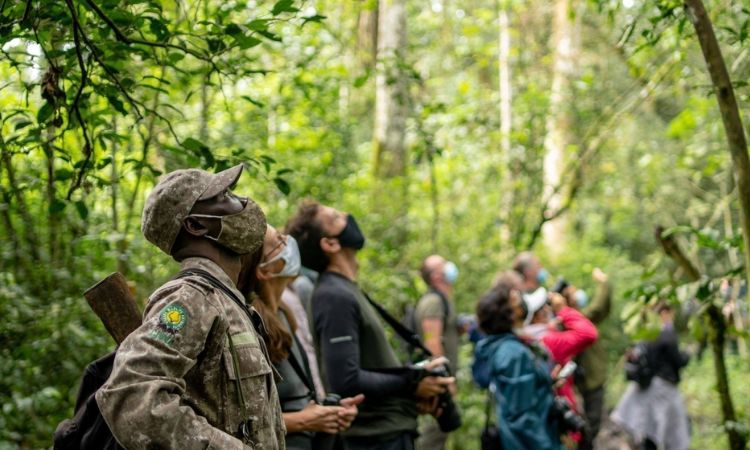
Embarking on chimpanzee tracking Uganda means preparing for an unpredictable yet exhilarating day in the forest. Treks usually begin with a briefing at the visitor center, where rangers explain safety protocols and chimp etiquette.
Group sizes are small—up to 8 trackers plus guides—to ensure minimal impact. The hike starts on marked trails but may veer off-path following ranger signals or chimp calls. Duration varies from 2-7 hours, depending on the group’s location; chimps can move quickly, covering up to 10 kilometers daily.
Once located, you’ll spend about one hour observing from 7-10 meters away. Expect to see chimps grooming, playing, or vocalizing— their pant-hoots can be deafening! The terrain is uneven, with roots, vines, and mud, so sturdy footwear is essential. Weather can shift rapidly, from sunny to rainy, adding to the adventure.
Success isn’t guaranteed, but rates are high in habituated areas. The experience fosters a profound connection to nature, highlighting conservation needs.
Best Time for Chimpanzee Tracking in Uganda
Timing your chimpanzee trekking in Uganda can significantly enhance your experience. Uganda has two dry seasons—June to September and December to February—ideal for tracking due to easier trails and less mud.
During dry periods, fruit scarcity concentrates chimps in lower areas, improving sightings. Temperatures hover around 20-30°C (68-86°F), with cooler mornings. Wet seasons (March-May and October-November) bring lush greenery and abundant fruits, making chimps more active but trails slippery.
Peak tourist months (June-August, December-January) see higher demand for permits, so book early. Shoulder seasons offer fewer crowds and potential discounts. Regardless of time, early mornings yield the best observations as chimps descend from nests.
Consider weather patterns: Dry seasons reduce rain risks, but always pack rain gear. For birdwatchers, wet seasons boost avian activity.
What to Pack for Chimpanzee Tracking
Packing smartly ensures a comfortable chimpanzee tracking Uganda trip. Here’s a comprehensive list:
- Footwear: Sturdy hiking boots with good grip for slippery trails; avoid open-toed shoes.
- Clothing: Long-sleeved shirts and pants in neutral colors (khaki, green) to protect against insects and thorns; quick-dry fabrics for humidity.
- Weather Gear: Lightweight rain jacket or poncho; hat and sunglasses for sun exposure.
- Protection: Insect repellent (DEET-based), sunscreen, and gloves for handling vegetation.
- Essentials: Daypack for water (at least 2 liters), snacks, binoculars, and a camera with zoom lens (no flash allowed).
- Health Items: Personal medications, anti-malarials if prescribed, and a first-aid kit.
- Extras: Notebook for observations, reusable water bottle, and gaiters for muddy paths.
Tailor your pack to the season and trek duration for optimal comfort.
Rules and Guidelines for Chimpanzee Tracking
Adhering to rules during chimpanzee trekking in Uganda ensures safety and sustainability. Minimum age is 15 years, as younger children may not handle the physical demands or maintain quiet.
Maintain a 7-10 meter distance from chimps to prevent disease transmission—humans can pass illnesses to primates. No eating, smoking, or littering in the forest; flash photography is prohibited to avoid startling animals.
Health checks are mandatory: If you’re ill (cough, flu), you may be denied entry. Follow ranger instructions at all times, including staying silent during observations. These guidelines, enforced by UWA, protect both visitors and wildlife.
How Difficult Is Chimpanzee Tracking in Uganda?
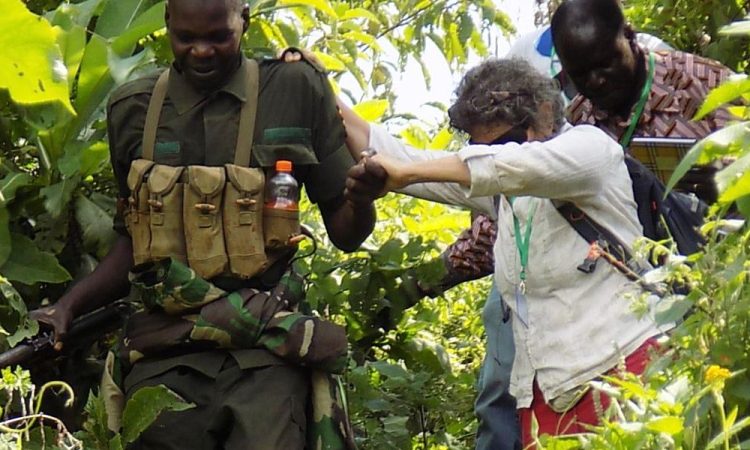
Chimpanzee tracking Uganda requires moderate fitness, but difficulty varies by location and conditions. Treks involve 2-7 hours of walking on uneven, hilly terrain with roots and streams—think jungle gym meets hiking trail.
A basic fitness level suffices: Ability to walk 5-10 km at a moderate pace. Kibale and Budongo are more challenging due to inclines, while Kalinzu offers gentler paths. Wet seasons increase slipperiness, demanding balance.
Those with mobility issues can request porters or easier groups. Prepare by building stamina through walks or cardio. Overall, it’s accessible for most active adults, with the reward far outweighing the effort.
Where to Stay for Chimpanzee Tracking in Uganda
Accommodations enhance your chimpanzee tracking Uganda experience. Near Kibale, options range from luxury lodges like Primate Lodge (with en-suite tents and forest views) to mid-range like Kibale Forest Camp (eco-friendly chalets). Budget travelers can opt for Isunga Lodge, offering basic rooms with communal dining.
In Queen Elizabeth for Kyambura, Kyambura Gorge Lodge provides upscale bandas overlooking the gorge, while budget-friendly Buffalo Safari Camp offers tents near the park entrance.
For Budongo, stay at Budongo Eco Lodge for immersive forest stays or Murchison River Lodge for riverfront luxury. Book in advance, especially during peaks, and choose spots with guided transfers for convenience.
Sample Chimpanzee Tracking Itineraries
Planning made easy with these sample itineraries for chimpanzee trekking in Uganda.
1-Day Chimp Tracking from Fort Portal: Arrive in Fort Portal, transfer to Kibale (1 hour), morning trek, afternoon Bigodi Wetland walk, return.
2-3 Day Kibale & Queen Elizabeth Combo: Day 1: Kibale tracking and nature walk. Day 2: Drive to Queen Elizabeth (2 hours), Kyambura Gorge trek, evening game drive. Day 3: Boat safari on Kazinga Channel, depart.
These can be customized with gorilla trekking for a full primate safari.
FAQs About Chimpanzee Tracking in Uganda
Is chimpanzee tracking guaranteed in Uganda?
While success rates are high (80-95%), sightings aren’t 100% guaranteed due to wild animal movements. Habituated groups increase chances.
How close do you get to chimpanzees?
Guidelines require 7-10 meters distance for safety and health reasons.
Is chimp tracking suitable for children?
Minimum age is 15; younger kids may find it too strenuous or disruptive.
How long does a chimp trek last?
Typically 2-7 hours, including search time; observation is limited to 1 hour.
Can chimpanzee tracking be combined with gorilla trekking?
Yes, easily—Kibale is near Bwindi Impenetrable Forest for a dual primate adventure.
What is the cost of chimpanzee tracking permits?
Ranges from $150-250 for standard, subject to change; check UWA for updates.
Are there any health requirements?
Proof of yellow fever vaccination; avoid if sick to protect chimps.
Final Thoughts – Chimpanzee Tracking Uganda
In summary, chimpanzee tracking Uganda offers an unforgettable blend of adventure and education in stunning locales like Kibale, Kyambura, Budongo, and Kalinzu.
What makes Uganda special is its commitment to conservation, ensuring future generations can enjoy these experiences. By choosing responsible tourism, you support habitat protection and local economies.
Ready to embark? Contact us to book your permits and itinerary. Remember, every step in the forest contributes to preserving our primate cousins—plan your trip today for a life-changing journey.