

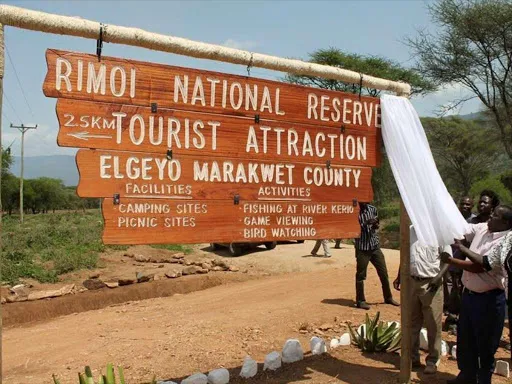
Rimoi National Reserve: Complete Travel Guide & Things to Do
Rimoi National Reserve, located in Elgeyo Marakwet County, Kenya, is a hidden gem in the heart of the Kerio Valley. This compact yet captivating 66 km² protected area stands out for its impressive large herds of elephants—often seen in groups of up to 100 individuals—along with stunning landscapes, diverse wildlife, and unique natural features like hot springs in the surrounding areas.
Managed by the Kenya Wildlife Service (KWS) in collaboration with the county government, Rimoi offers a low-crowd, authentic safari experience away from Kenya’s more famous parks.
Whether you’re drawn to wildlife viewing, birdwatching, or exploring the dramatic Rift Valley scenery, Rimoi promises an unforgettable adventure for nature lovers and adventure seekers.
Rimoi National Reserve Is in Which County? (Location Overview)
Rimoi National Reserve is situated in Elgeyo Marakwet County, on the floor of the Kerio Valley along the escarpment of the Great Rift Valley. This region is known for its dramatic topography, with towering escarpments rising over 1,800 meters above the valley floor.
The reserve lies on the western side of the Kerio River, adjacent to the seasonal Lake Kamnarok (which has recently dried up in parts) and forms part of a larger conservation area roughly five times its size.
Rimoi National Reserve location details: It is approximately 30–40 km from Iten (famous as the “world’s athletics capital” due to its Kalenjin runners), about 45 km from Eldoret, and roughly 300–335 km from Nairobi.
The terrain features semi-arid Acacia bushland, termite mounds, rocky outcrops, and the winding Kerio River, creating a rugged, scenic environment ideal for off-the-beaten-path exploration.
History & Background of Rimoi National Reserve
Established in 1983, Rimoi National Reserve was created to protect wildlife amid rampant poaching in the Kerio Valley. It faced neglect for years until rehabilitation efforts began in April 2015, led by the Elgeyo Marakwet County Government and KWS. The reserve officially reopened on March 8, 2016, marking it as Kenya’s 50th and most recent national reserve at the time.
Conservation efforts include fencing (with elephant corridors) to reduce human-wildlife conflict and restocking initiatives, such as releasing 30 zebras in 2016.
Today, it safeguards biodiversity in a vital corridor linking areas like Turkana and Samburu, emphasizing community involvement and eco-tourism.
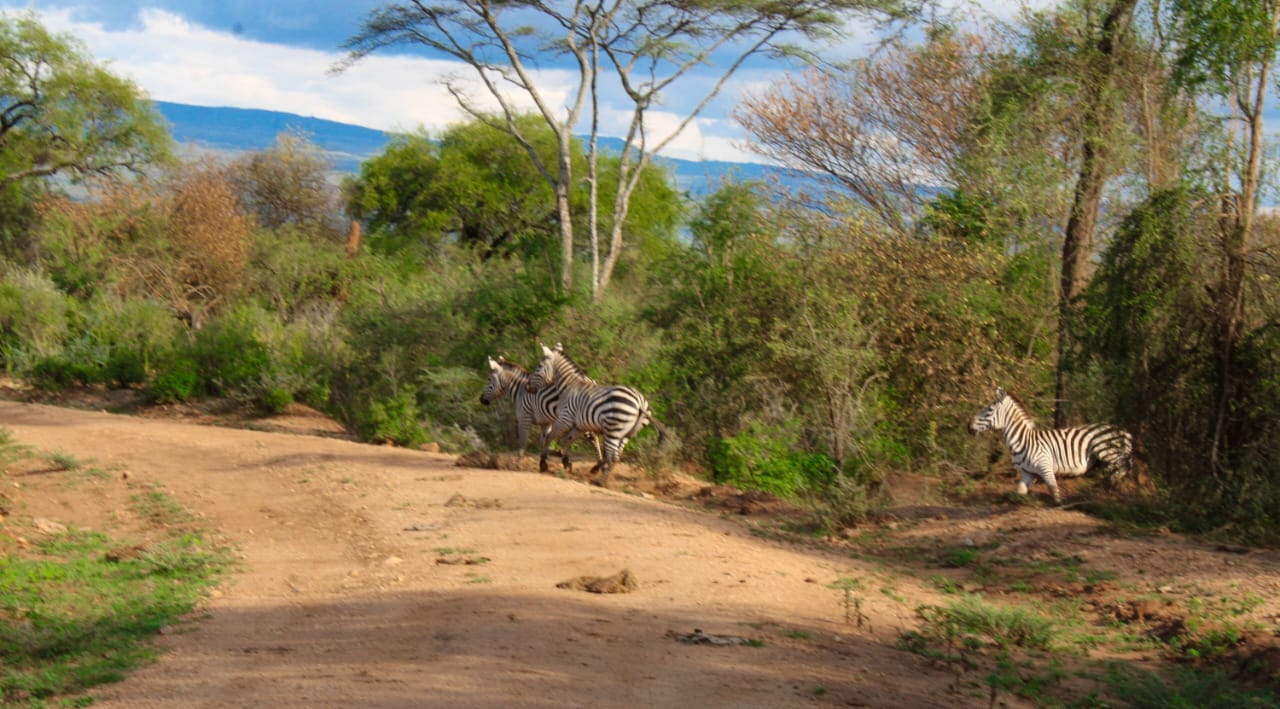
Wildlife in Rimoi National Reserve
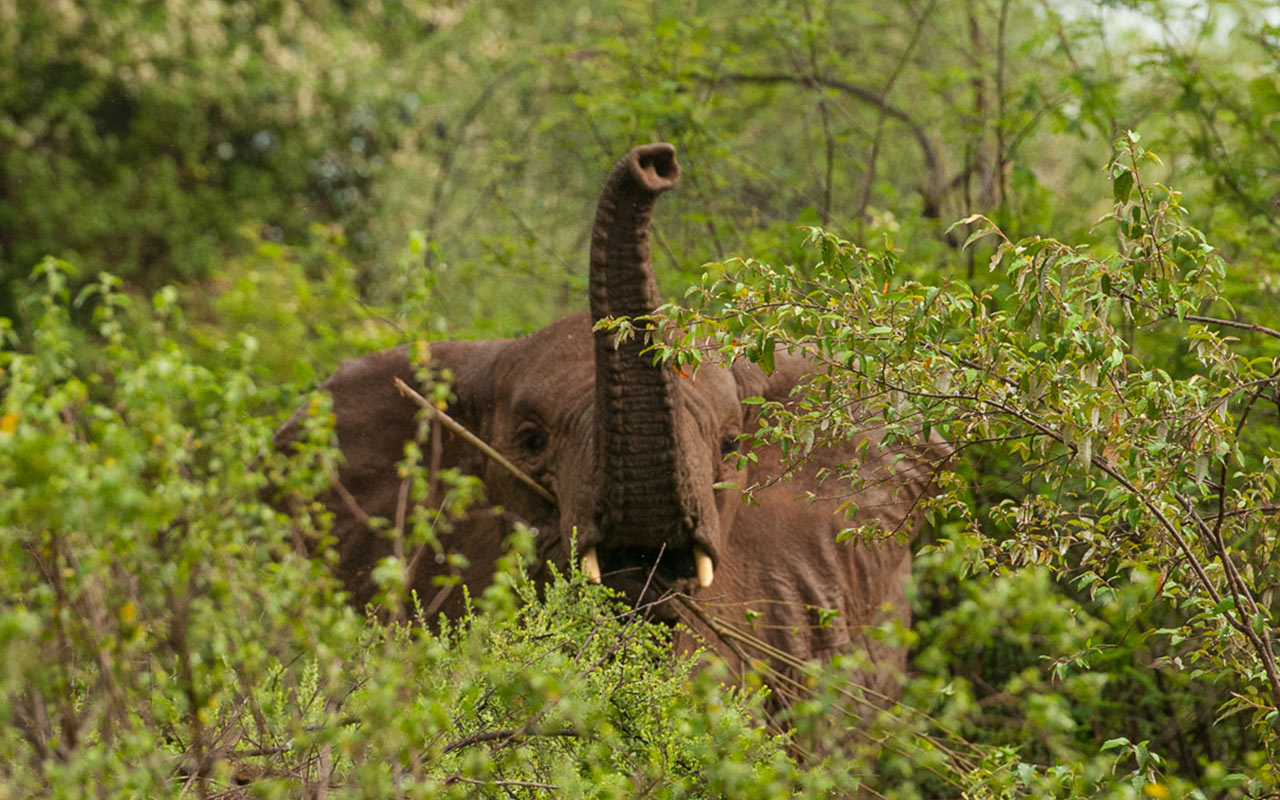
Rimoi is renowned for its elephants in Rimoi National Reserve, which form some of the largest herds in East Africa. These intelligent giants migrate from distant regions like Turkana and Samburu to breed here, often gathering in groups of 50–100—far larger than typical family units elsewhere. They are most active at night or early morning, feeding and moving through the valley.
Other Rimoi National Reserve wildlife includes:
- Mammals: Zebras, giraffes, buffaloes, waterbucks, impalas, warthogs, bush pigs, dik-dik, monkeys, civets, genets, and pangolins.
- Reptiles: Crocodiles (including a rare white crocodile reported in the Kerio River), tortoises, Agama lizards, and various snakes.
- Birds: Over 450 species, including turacos, honeyguides, pigeons, sunbirds, weavers, and hornbills—many migratory or resident, especially around seasonal water points like Lake Tabar.
The reserve’s low visitor numbers mean intimate, uncrowded sightings, with elephants often calm due to minimal disturbance.
Rimoi Hot Springs (Signature Attraction)
While Rimoi itself is more wildlife-focused, the surrounding Kerio Valley features stunning hot springs, including those near Cheptarit Hill and areas like Kureswo.
These geothermal features bubble up from the earth, creating steaming pools amid lush vegetation—perfect for relaxation and photography.
Water temperatures can be high, so safety is key: avoid direct contact if too hot, and follow local guidance. The hot springs add a unique geological element, contrasting the reserve’s dry bushland, and offer great opportunities for scenic shots with valley backdrops. Nearby spots like those accessible from Iten provide bathing options in controlled settings.
Things to Do in Rimoi National Reserve
Rimoi offers adventurous, nature-immersed activities:
- Game drives: Prime for spotting large elephant herds and other wildlife.
- Nature walks & hiking: Guided trails to viewpoints, old campsites, or Cheptarit Hill for panoramic valley views (armed ranger recommended due to elephants).
- Bird watching: Especially rewarding at Lake Tabar or along the Kerio River.
- Photography: Capture dramatic landscapes, wildlife, and cultural moments.
- Picnics & camping: Enjoy bush campsites with starry nights.
- Cultural interactions: Engage with the local Kalenjin community, known for athletics and traditions.
Best Time to Visit Rimoi National Reserve
The best time to visit Rimoi National Reserve is during the dry seasons: December–March and June–September. Wildlife clusters around water sources for easier viewing, roads are more accessible, and temperatures are moderate (July–August are particularly comfortable post-rains).
Wet seasons bring lush greenery and bird activity but rougher roads and dispersed animals. Avoid heavy rains if possible, as 4×4 is essential.
How to Get to Rimoi National Reserve (Directions)
Rimoi National Reserve directions:
- From Nairobi: Drive ~300–335 km (6–7 hours) via Nakuru and Eldoret, then to Iten on the Kabarnet-Eldoret road. From Iten, head ~30–40 km down into the valley (scenic but rough—4×4 recommended, especially rainy season).
- From Eldoret: ~1–1.5 hours via Iten.
- Public transport: Matatus to Iten, then local options or hired vehicle.
- By air: Fly to Eldoret International Airport, then drive ~1 hour.
The entrance is ~3 km from the Biretwo-Arror road (C52), 26 km from Biretwo. Roads inside are earth/gravel—adventurous but require care.
Rimoi National Reserve Entrance Fee & Park Information
Rimoi National Reserve entrance fee is paid at the gate (cash or M-Pesa often accepted; check current KWS rates as they vary). As a national reserve, fees typically differ for citizens/residents/non-residents, with additional vehicle and camping charges. Gates open ~7 AM–6 PM; follow rules like no off-road driving and guided walks for safety.
Use this table for estimated fees (confirm via KWS site as of latest updates):
|
Category |
Citizens (KES) |
Residents (KES) |
Non-Residents (USD) |
Vehicle Fee (KES) |
|
Adult |
~200–500 |
~500–1,000 |
~20–30 |
~300–500 |
|
Child |
Reduced |
Reduced |
Reduced |
N/A |
|
Camping (per night) |
Varies |
Varies |
Varies |
N/A |
Accommodation Near Rimoi National Reserve
Options are limited but charming:
- Within/near reserve: Bush campsites (e.g., Crocodile Camp—tents, water, firewood available).
- Nearby (Iten/Eldoret area): Swiss Side Iten Hotel (hot spring bath access), Petan Guesthouse, Samich Resort, Sego Safari Lodge, Kerio River Lodge, or budget homestays.
- Mid-range/luxury: Kerio View Hotel for valley views.
Camping offers immersion; book ahead for guided stays.
Conservation & Community Involvement
Rimoi focuses on elephant protection, anti-poaching, and fencing to minimize conflicts. Local Kalenjin communities benefit through eco-tourism, guiding, and cultural sharing—your visit supports these efforts.
Rimoi National Reserve vs Other Rift Valley Parks
Compared to Lake Bogoria (hot springs, flamingos) or Kerio Valley attractions, Rimoi excels in elephant herds and seclusion—less crowded, more intimate than busier spots.
Travel Tips for Visitors
- Pack: Sunscreen, hat, binoculars, insect repellent, sturdy shoes, water; 4×4 vehicle advised.
- Safety: Use guides for walks; respect wildlife distance.
- Health: Malaria precautions; stay hydrated.
- Best time of day: Early mornings for elephants.
FAQs about Rimoi National Reserve
Is Rimoi National Reserve safe?
Yes, with guided activities and low crowds—follow ranger advice.
Can you swim in Rimoi Hot Springs?
Nearby hot springs allow bathing in safe spots; check temperatures and guidance.
Are elephants common in Rimoi?
Very—large herds are a highlight, often in groups of 50–100.
Is Rimoi good for day trips?
Yes, from Iten or Eldoret; early start recommended.
Do you need a guide?
Strongly advised for walks and optimal sightings.
Rimoi National Reserve map?
Available on Google Maps; key landmarks include Kerio River and entrance near Biretwo.
Rimoi National Reserve offers a raw, rewarding escape—plan your visit to experience Kenya’s untamed side! For tours or updates, contact KWS or local operators. Safe travels!