

Things to Do in Volcanoes National Park: Top Activities & Experiences
Nestled in the heart of Rwanda’s northern province, things to do in Volcanoes National Park offer an unparalleled blend of adventure, wildlife encounters, and cultural immersion.
This iconic destination, famed for its misty mountains and endangered species, draws travelers from around the globe seeking transformative experiences.
Whether you’re a thrill-seeker eager for gorilla trekking or a nature enthusiast interested in scenic hikes, the park promises memories that last a lifetime.
In this comprehensive guide, we’ll explore the top activities, practical tips, and everything you need to plan your visit to one of Africa’s most captivating national parks.
Overview of Volcanoes National Park
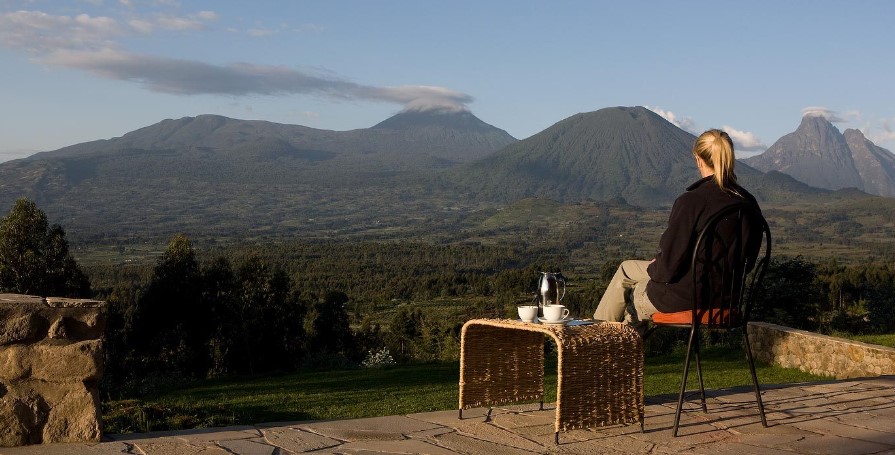
Volcanoes National Park, located in northern Rwanda near the town of Musanze (formerly Ruhengeri), spans approximately 160 square kilometers of lush, montane rainforest and volcanic landscapes.
Established in 1925, it’s part of the larger Virunga Massif, a chain of eight volcanoes shared with Uganda and the Democratic Republic of Congo.
The park’s elevation ranges from 2,400 to 4,507 meters, with Mount Karisimbi being the highest peak. This diverse terrain supports a rich ecosystem, including bamboo forests, open grasslands, swamps, and heathlands.
What makes Volcanoes National Park truly special is its role as a sanctuary for endangered mountain gorillas. Home to about half of the world’s remaining population of these majestic primates, the park gained international fame through the work of primatologist Dian Fossey.
Beyond gorillas, the area boasts over 200 bird species, golden monkeys, and other wildlife like forest elephants and buffaloes. The Virunga Volcanoes provide a dramatic backdrop, with their steep slopes and crater lakes adding to the allure.
As one of Africa’s top safari destinations, Volcanoes National Park combines conservation efforts with sustainable tourism. Revenue from activities like gorilla trekking funds anti-poaching initiatives and community development, ensuring the park’s preservation for future generations.
Visitors often describe it as a “must-see” spot for its unique blend of natural beauty and cultural significance, making it a highlight of any Rwanda gorilla safari.
Whether you’re planning a short excursion or an extended adventure, the park’s accessibility from Kigali (about a 2-3 hour drive) makes it an ideal starting point for exploring Rwanda’s wonders.
Top Thing to Do in Volcanoes National Park
No visit to Volcanoes National Park is complete without things to do in Volcanoes National Park like gorilla trekking, the undisputed crown jewel of the park’s offerings.
Gorilla Trekking
This intimate wildlife encounter allows you to observe mountain gorillas in their natural habitat, an experience that’s both humbling and exhilarating.
With only around 1,000 mountain gorillas left in the wild, Volcanoes National Park hosts about 12 habituated gorilla families, each consisting of 10-30 members led by a dominant silverback.
To participate, you’ll need a gorilla trekking permit, which is limited to 96 per day to minimize human impact on the animals. Permits must be booked well in advance through the Rwanda Development Board or a licensed tour operator, as they sell out quickly, especially during peak seasons. The cost supports conservation, with a portion going toward community projects.
The adventure begins at the Kinigi park headquarters at 7 AM, where you’ll receive a briefing from experienced rangers. Groups are assigned based on fitness levels—easier treks for families or seniors, more challenging ones for avid hikers.
The trek itself can last anywhere from 30 minutes to several hours, depending on the gorillas’ location that day. You’ll navigate through dense bamboo forests, slippery trails, and steep inclines, so good physical fitness is essential. Porters are available for hire to carry your gear, and they often assist with balance on tricky paths.
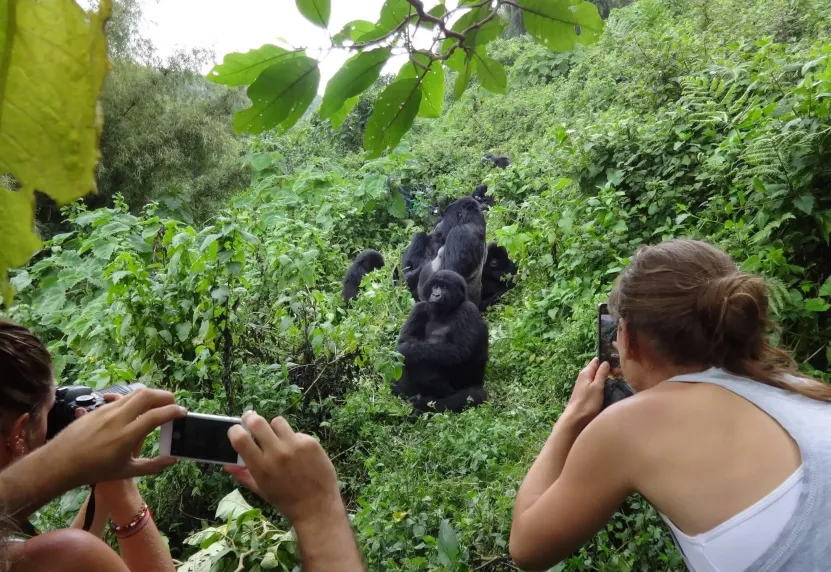
Once you locate the gorilla family, you’re allowed one magical hour to observe them from a safe distance of about 7 meters. Watch as silverbacks protect their group, mothers nurse infants, and juveniles play in the undergrowth.
The gorillas’ human-like expressions and behaviors create an emotional connection that’s hard to describe. Expect to see them foraging on vegetation, grooming each other, or even making eye contact—moments that feel profoundly personal.
Trek difficulty varies: some families roam at lower altitudes for milder hikes, while others venture higher for more strenuous outings. Weather plays a role too; rain can make trails muddy, so come prepared.
Minimum age is 15 years, and participants must be free of illnesses to avoid transmitting diseases to the gorillas. What to expect during the encounter? Pure awe.
Many visitors report it as life-changing, highlighting the importance of gorilla conservation. If you’re combining this with other Volcanoes National Park activities, plan for recovery time afterward—the trek can be physically demanding but utterly rewarding.
For those seeking a premium experience, gorilla habituation treks allow longer observation times with researchers, though they’re pricier and more limited. Overall, gorilla trekking embodies the essence of a Rwanda gorilla safari, blending adventure with ethical wildlife viewing.
Golden Monkey Trekking
While gorilla trekking steals the spotlight, golden monkey trekking in Rwanda is a delightful alternative or complement, offering a lighter, more playful primate experience. These endangered monkeys, with their striking golden fur and blue faces, inhabit the bamboo zones of Volcanoes National Park.
Two habituated troops— one large group of up to 100 individuals—make tracking them relatively straightforward compared to gorillas.
Permits for golden monkey trekking are more affordable and easier to obtain, with daily slots for about 64 visitors. Like gorilla treks, it starts with a morning briefing at Kinigi, followed by a hike that typically lasts 1-4 hours.
The terrain is less demanding, making it suitable for families or those wanting a shorter adventure. Golden monkeys are energetic and acrobatic, leaping between bamboo stalks and foraging on shoots, which provides endless photo opportunities.
What sets this trek apart? The monkeys’ social dynamics are fascinating—they’re curious and less shy than gorillas, often approaching closer (while maintaining safe distances).
It’s ideal for birdwatchers too, as the bamboo forest teems with avian life. Best suited for all ages (minimum 12 years), it’s a great option if gorilla permits are unavailable or if you’re looking for variety in your Volcanoes National Park activities.
Treks differ from gorillas in pace: monkeys move quickly, so expect some chasing through the undergrowth. Duration is about an hour with the troop, enough time to observe their antics.
For families, this is often highlighted as a “fun” activity, less intense but equally memorable. If you’re on a budget or short on time, golden monkey trekking delivers high value, showcasing another facet of the park’s biodiversity.
Volcano Hiking Experiences
For adventure seekers, Volcanoes National Park hiking trails provide breathtaking challenges amid stunning scenery. The Virunga Volcanoes offer a range of hikes, from day trips to multi-day expeditions, catering to various fitness levels.
Mount Bisoke Hike
Mount Bisoke, straddling the Rwanda-DRC border, is a popular one-day hike leading to a stunning crater lake at 3,711 meters. The trek starts at Kinigi and takes 4-6 hours round trip, covering about 10 kilometers with a 1,000-meter elevation gain. It’s moderate to challenging, involving muddy paths, dense vegetation, and steep sections—perfect for those with some hiking experience.
Along the way, you’ll pass through bamboo forests teeming with wildlife, possibly spotting duikers or birds. The summit reward? A pristine crater lake surrounded by mist-shrouded peaks. Descend carefully, as the return can be slippery. This hike ranks high for its scenic payoff and is often combined with other activities for a full day of exploration.
Mount Karisimbi Hike
For the ultimate test, tackle Mount Karisimbi, Rwanda’s highest volcano at 4,507 meters. This multi-day hike (usually 2 days) is for experienced hikers only, involving overnight camping at high altitude.
Day one ascends to a bivouac site at 3,600 meters, with the summit push on day two. Expect cold temperatures, rocky terrain, and potential altitude sickness.
The views from the top encompass the entire Virunga chain, lakes, and distant horizons. It’s less crowded, offering a sense of solitude. Guides and porters are mandatory, and preparation includes acclimatization. This hike appeals to mountaineers seeking to conquer one of Africa’s iconic peaks.
Other volcanoes like Muhabura or Sabyinyo offer additional options, each with unique features like border crossings or panoramic vistas.
Dian Fossey Tomb & Karisoke Research Center Hike
Delve into conservation history with the Dian Fossey Tomb hike, a poignant journey to the grave of the legendary primatologist. This moderate 2-3 hour trek leads to the former Karisoke Research Center site, where Fossey conducted her groundbreaking gorilla studies from 1967 until her murder in 1985.
The path winds through forest, passing gorilla gravesites and remnants of her camp. At the tomb, inscribed with “Nyiramachabelli” (her Rwandan name meaning “the woman who lives alone on the mountain”), you’ll learn about her anti-poaching efforts and legacy. It’s educational and meaningful, highlighting how her work saved gorillas from extinction.
Difficulty is medium, with some steep parts, but it’s accessible for most. This hike appeals to those interested in wildlife conservation, offering context to gorilla trekking. It’s a reflective experience, underscoring the human element in the park’s story.
Nature Walks & Bird Watching
For a gentler pace, nature walks and bird watching in Volcanoes National Park reveal the area’s subtler charms. Guided forest trails meander through diverse habitats, showcasing endemic plants like giant lobelias and orchids. These walks are ideal for non-trekkers or as a relaxing add-on.
With over 200 bird species, including Albertine Rift endemics like the Rwenzori turaco and handsome francolin, the park is a birder’s paradise. Spot colorful sunbirds, weavers, and raptors during early morning outings. Trails around the park headquarters or near lakes offer prime viewing spots.
Cultural Experiences Around Volcanoes National Park
Enrich your trip with cultural experiences near Volcanoes National Park, where tourism supports local communities. The Iby’Iwacu Cultural Village (also known as Gorilla Guardians Village) offers insights into Rwandan traditions. Participate in traditional dances, learn basket weaving, or try archery—activities that foster cross-cultural understanding.
Founded by former poachers turned conservationists, the village demonstrates how ecotourism reduces poaching. Visitors can join banana beer brewing sessions or hear stories from elders. It’s a short drive from the park, making it easy to combine with treks.
Other options include visiting nearby markets in Musanze or exploring Buhanga Eco-Park, a sacred forest tied to Rwandan folklore. These experiences add depth, showing how communities benefit from park conservation.
Best Time to Visit Volcanoes National Park
Timing your visit to Volcanoes National Park maximizes enjoyment. The dry seasons—June to September and December to February—are ideal for trekking, with clearer trails and less rain. June-August sees peak crowds, so book early. Temperatures range from 10-20°C (50-68°F), cooler at higher elevations.
Rainy seasons (March-May, October-November) bring lush scenery but muddier paths and potential trek delays. However, fewer visitors mean a more intimate experience, and gorilla sightings remain consistent year-round. Avoid exact dates; focus on weather patterns. For golden monkey trekking or hikes, dry months reduce slip risks.
What to Pack for Activities in Volcanoes National Park
Packing smart ensures comfort during things to do in Volcanoes National Park. Essentials include:
- Sturdy hiking boots with good grip for muddy trails.
- Rain jacket or poncho—weather changes quickly.
- Gardening gloves to handle stinging nettles.
- Long-sleeved shirts and pants for insect protection.
- Daypack for water, snacks, and camera.
- Binoculars for birding or distant wildlife.
- Sunscreen, hat, and insect repellent.
- Reusable water bottle to stay hydrated.
- Medications for altitude or allergies.
Layer clothing for variable temperatures, and consider gaiters for wet hikes. A walking stick (provided or rentable) aids stability.
Where to Stay Near Volcanoes National Park
Accommodations near Volcanoes National Park cater to all budgets, with proximity to Kinigi enhancing convenience.
Luxury options like Bisate Lodge or Sabyinyo Silverback Lodge offer eco-friendly villas with volcano views, gourmet dining, and spa services. Mid-range choices, such as Mountain Gorilla View Lodge, provide comfortable rooms and guided activities. Budget travelers can opt for guesthouses in Musanze, like Kinigi Guest House, with basic amenities and easy park access.
Many lodges include transfers and trek support, boosting your overall experience.
How to Get to Volcanoes National Park
Reaching Volcanoes National Park is straightforward. Fly into Kigali International Airport, then drive northwest for 2-3 hours (about 110 km) on well-maintained roads. Self-drive is possible, but guided transfers are recommended for safety and local insights.
Public buses from Kigali to Musanze take longer but are affordable. From Musanze, taxis or lodge shuttles reach Kinigi. Road conditions are good, though winding in mountainous areas. For international visitors, tour operators handle logistics seamlessly.
Sample Itinerary (1–3 Days)
Maximize your time with this sample itinerary:
Day 1: Arrive in Musanze, settle into your lodge, and visit Iby’Iwacu Cultural Village for dances and crafts. Evening relaxation with volcano views.
Day 2: Gorilla trekking—early start for briefing, trek, and encounter. Afternoon recovery or short nature walk.
Day 3: Golden monkey trekking or Mount Bisoke hike. Depart or extend with bird watching.
Adjust based on interests; add days for more hikes.
FAQs About Things to Do in Volcanoes National Park
What is the best activity in Volcanoes National Park?
Gorilla trekking tops the list for its unique wildlife interaction.
How difficult is gorilla trekking?
It varies from moderate to challenging, depending on terrain and gorilla location.
Can children visit Volcanoes National Park?
Yes, but minimum ages apply: 15 for gorillas, 12 for monkeys.
How many days do you need?
2-3 days for key activities; more for hikes.
Is Volcanoes National Park safe?
Yes, with guided tours and low crime; health precautions advised.
What permits are needed?
Gorilla and monkey permits; book ahead.
Are there other animals besides gorillas?
Yes, including monkeys, birds, and occasional elephants.
Final Thoughts – Things to Do in Volcanoes National Park
In summary, things to do in Volcanoes National Park range from thrilling gorilla encounters to serene cultural immersions, making it a must-visit for adventurers and nature lovers.
This Rwandan gem not only offers unforgettable experiences but also contributes to global conservation. Plan your visit today—whether for a Rwanda gorilla safari or a hiking escape—and discover why it’s one of Africa’s premier destinations.