

Nairobi Travel Guide: Things to Do in Nairobi, Attractions, & Places to Visit
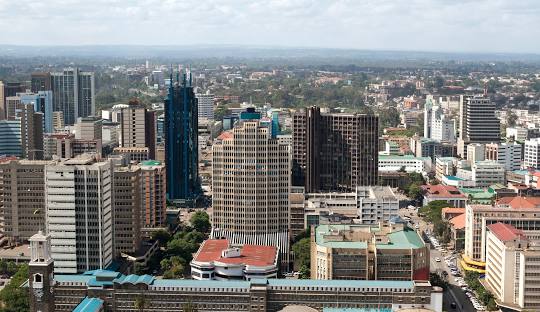
Nairobi, the capital city of Kenya, is a vibrant hub for wildlife, culture, nightlife, business, and tourism. As the largest city in East Africa with a metropolitan population of approximately 5.767 million in 2025, Nairobi blends urban energy with natural wonders, making it a must-visit destination for adventurers and culture enthusiasts alike.
Often nicknamed the “Green City in the Sun,” Nairobi is best known for being the only capital in the world that hosts a national park within its boundaries, offering unparalleled access to wildlife safaris right on the city’s doorstep.
Whether you’re seeking thrilling things to do in Nairobi, exploring top Nairobi attractions, or planning places to visit in Nairobi, this comprehensive Nairobi travel guide will help you make the most of your trip. From game drives to cultural immersions, Nairobi promises an unforgettable experience for travelers of all kinds.
Top Attractions in Nairobi
Nairobi boasts an array of attractions that cater to nature lovers, history buffs, and families. These sites not only highlight the city’s unique blend of urban and wild elements but also rank highly in searches for Nairobi attractions and places to visit in Nairobi. Here’s a detailed list of the top must-see spots:
- Nairobi National Park: Located just 7 kilometers from the city center, this 117-square-kilometer park is a wildlife haven where you can spot lions, rhinos, giraffes, and over 400 bird species. It’s perfect for half-day game drives, offering a safari experience without leaving the city. Entrance fees are around $43 for non-residents, and it’s open from 6 AM to 6 PM. The park’s proximity to skyscrapers creates a surreal contrast, making it one of the most unique Nairobi attractions.
- David Sheldrick Wildlife Trust: This conservation center focuses on orphaned elephants and rhinos. Visitors can watch baby elephants during their feeding time (11 AM to noon daily) and learn about anti-poaching efforts. Admission is about $15, with proceeds supporting wildlife rehabilitation. It’s an emotional and educational experience, emphasizing Kenya’s commitment to conservation.
- Giraffe Centre: Run by the African Fund for Endangered Wildlife, this center allows you to feed and interact with endangered Rothschild’s giraffes from an elevated platform. It’s ideal for photography and family outings, with entry at $15 for adults. The center also educates on giraffe conservation, adding depth to your visit.
- Karen Blixen Museum: Housed in the former home of the “Out of Africa” author, this museum showcases colonial-era artifacts, furniture, and gardens. Tours highlight Blixen’s life and Kenyan history. Entry is $12, and it’s open daily from 9:30 AM to 6 PM.
- Nairobi Safari Walk: Adjacent to Nairobi National Park, this elevated boardwalk offers close-up views of wildlife like lions and cheetahs in a controlled environment. It’s family-friendly, with educational exhibits on ecosystems. Admission is $22 for non-residents.
- Karura Forest: A 1,000-hectare urban forest reserve, perfect for hiking, biking, and picnics. Trails lead to waterfalls and caves, with entry at $6. It’s a green oasis for escaping city hustle.
- The Nairobi National Museum: This institution covers Kenya’s art, culture, and natural history with exhibits on fossils, tribal artifacts, and contemporary art. Don’t miss the snake park. Entry is $12.
- Bomas of Kenya: Experience traditional dances, music, and villages representing Kenya’s 42 tribes. Daily performances start at 2:30 PM, with entry at $10.
- Uhuru Park & Central Park: These adjacent parks offer boating, picnics, and city views. They’re great for relaxation and photography, especially during events.
- Kenyatta International Convention Centre (KICC): Climb to the rooftop for 360-degree panoramas of Nairobi. Entry to the helipad is $5, providing stunning urban vistas.
These attractions draw millions annually, boosting Nairobi’s appeal as a top tourist spot.
Best Neighborhoods to Explore
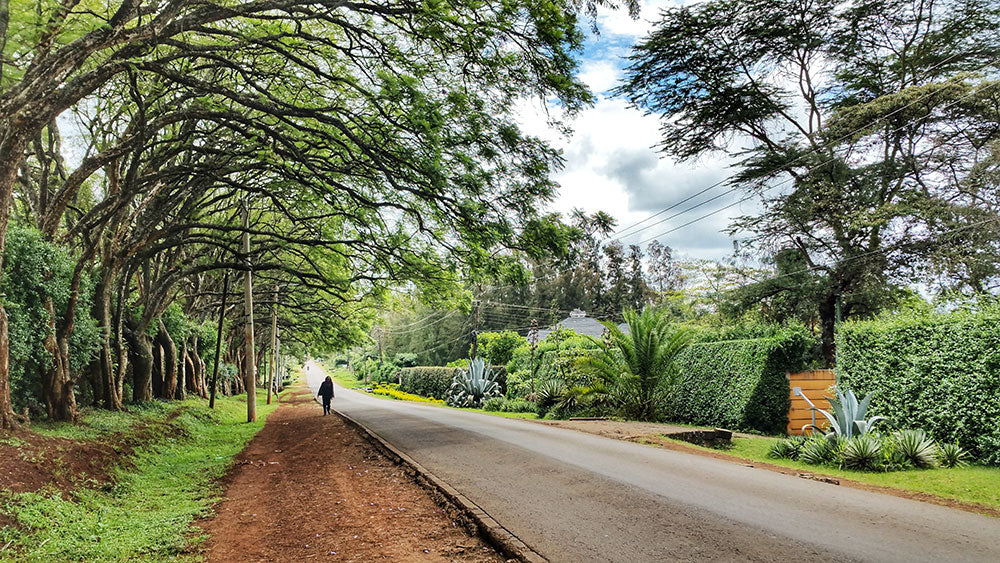
Nairobi’s neighborhoods offer diverse experiences, from upscale suburbs to bustling urban centers. Key areas include Karen, Westlands, Gigiri, Lavington, Lang’ata, and the Central Business District (CBD). When choosing where to stay or explore, consider security, shopping, dining, and tourist-friendliness.
- Karen: Named after Karen Blixen, this leafy suburb is safe and upscale, ideal for tourists. It features high-end shopping at The Hub mall, fine dining with international cuisine, and proximity to attractions like the Giraffe Centre. Security is high with gated communities.
- Westlands: Known for vibrant nightlife and business, it’s tourist-friendly with malls like Sarit Centre for shopping and eateries serving global fare. Security is good, but avoid walking alone at night.
- Gigiri: Home to the UN headquarters, it’s secure and diplomatic, with upscale shopping at Village Market and dining options from Italian to Japanese. Perfect for business travelers.
- Lavington: A residential area with boutique shops and cafes, it’s safe and relaxed, great for families. Dining highlights include local Kenyan dishes.
- Lang’ata: Near Nairobi National Park, it’s affordable and secure for tourists, with shopping at Galleria Mall and eateries specializing in nyama choma (grilled meat).
- CBD: The heart of commerce, it’s bustling with markets and street food but requires caution due to pickpocketing. Best for daytime shopping and historical sites.
These neighborhoods enhance Nairobi’s topical authority in travel guides, using keywords like best neighborhoods in Nairobi.
Things to Do in Nairobi
Beyond attractions, Nairobi offers endless activities. This section on things to do in Nairobi covers wildlife viewing, cultural experiences, shopping at Maasai Market, nightlife in Westlands, dining (nyama choma, Swahili cuisine), coffee tours, and art galleries.
Start with wildlife viewing in Nairobi National Park or the Safari Walk for game drives and birdwatching. Cultural experiences abound at Bomas of Kenya or the National Museum, where you can learn about tribal heritage.
Shopping enthusiasts should hit Maasai Market for handmade beads, textiles, and souvenirs—bargain hard! It’s open Tuesdays in Westlands.
Nightlife thrives in Westlands with clubs like K1 Klub House for dancing and live music.
Dining highlights include nyama choma at Carnivore Restaurant or Swahili seafood in the CBD. Coffee tours at estates like Kiambethu Farm reveal Kenya’s renowned beans.
Art lovers can visit galleries in Karen or craft markets in Village Market for contemporary pieces.
These things to do in Nairobi ensure a dynamic itinerary.
Day Trips From Nairobi
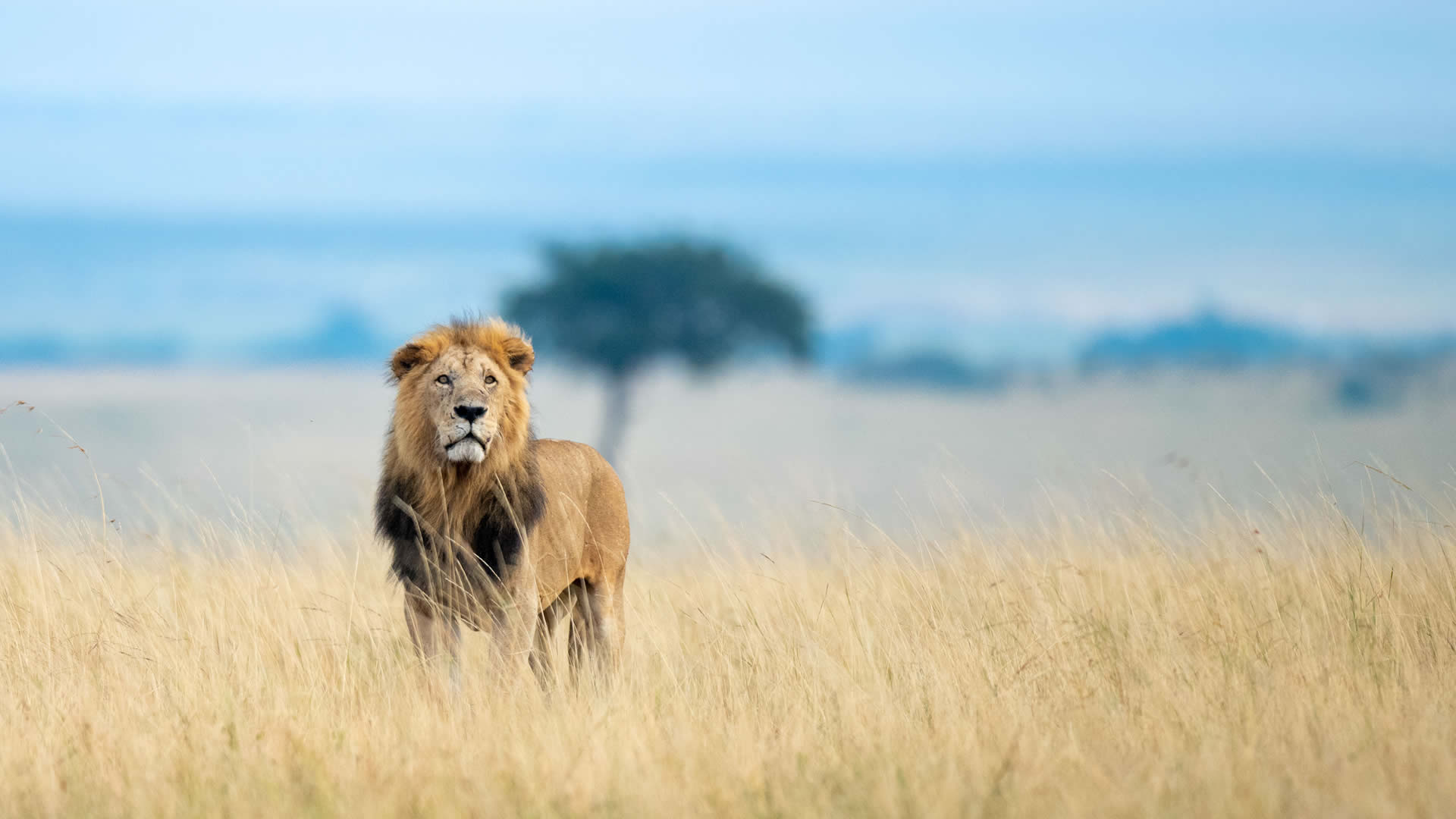
Extend your adventure with day trips from Nairobi, popular for SEO terms like Nairobi day trips.
- Nairobi to Amboseli: A 4-hour drive south, see elephants against Mount Kilimanjaro. Game drives cost $100–$200.
- Nairobi to Lake Naivasha: 2 hours northwest, boat safaris spot hippos and birds. Entry $10, plus boat $20.
- Nairobi to Hell’s Gate: Nearby Naivasha, hike gorges and see geothermal sites. Bike rentals $5, entry $26.
- Nairobi to Ol Pejeta: 3 hours north, visit rhinos and chimpanzees at this conservancy. Tours $50+.
- Nairobi to Mount Longonot: 1.5 hours away, hike this dormant volcano for crater views. Entry $26.
These trips showcase Kenya’s diverse landscapes.
Best Time to Visit Nairobi
The best time to visit Nairobi is during dry seasons: June–October and January–February. These periods offer mild weather (70–80°F) ideal for wildlife viewing and sightseeing, with low rain. June–October coincides with the Great Migration nearby, enhancing safaris. January–February brings fewer crowds and clear skies. Avoid rainy seasons (March–May, November–December) for fewer disruptions. Keyword: best time to visit Nairobi.
Nairobi Weather Overview
Nairobi’s equatorial highland climate is mild year-round, with averages of 70–80°F. Hottest in March (high 80°F), coolest June–August (low 50s at night). Rainy seasons: long rains March–May (heavy showers), short rains October–December (milder). Dry periods are sunny with low humidity. Pack layers for evenings, rain gear for wet months, sunscreen, and light clothing. This climate info aids planning.
Where to Stay in Nairobi
Accommodations suit all budgets, with keywords like best hotels in Nairobi and where to stay in Nairobi.
- Luxury: Villa Rosa Kempinski (Westlands, $300+/night) offers spa and fine dining; Hemingways Nairobi (Karen, $400+) features colonial elegance.
- Mid-range: Tamarind Tree Hotel (Lang’ata, $150–$250) near the park; Sarova Panafric (CBD, $120–$200) with pools.
- Budget: Wildebeest Eco Camp (Lang’ata, $50–$100) for glamping; hostels like Milimani Backpackers ($20–$50).
Business travelers prefer Westlands or Upper Hill for convenience.
Transportation & How to Get Around
Navigating Nairobi is straightforward. The Nairobi Expressway speeds up airport transfers ($2 toll). Public options include BRT buses and matatus (minibuses, $0.50–$1). Taxis via Uber, Bolt, or Little Cab are safe ($5–$10 rides). Self-drive rentals start at $50/day, but guided tours are recommended for traffic. The SGR train connects to Mombasa ($10–$30). Jomo Kenyatta International Airport (NBO) handles flights to Nairobi from global hubs.
Nairobi Safety Tips
Nairobi requires vigilance, but with precautions, it’s manageable. Safest neighborhoods: Karen, Gigiri. Avoid Eastleigh and Kibera. Use licensed taxis, beware scams like fake guides. Don’t walk alone at night, secure valuables, use ATMs in malls.
Is it safe to travel to Nairobi right now? As of December 2025, exercise increased caution due to crime and terrorism risks, but tourist areas are generally secure with common sense. Follow advisories from sources like the US State Department.
Cost of Traveling in Nairobi
Budgeting enhances your trip. Average daily costs: $50–$100 for budget travelers, $150–$300 mid-range, $400+ luxury. Hotels: $20–$400/night. Food: street eats $2–$5, restaurants $10–$20. Transport: $1–$10/day. Attractions: $10–$50 each. A week for one: ~$472, including flights to Nairobi starting at $158 round-trip from some destinations.
Culture & Local Life
Nairobi’s culture reflects Kenya’s diversity. Languages: Swahili and English. Population: ~5.767 million metro. Local cuisine features nyama choma, ugali (maize porridge), and chapati.
Markets like City Market offer fresh produce, while Village Market and Two Rivers Mall provide modern shopping. Festivals celebrate music and art, blending tribal traditions with urban vibes.
Shopping & Souvenirs
Shop for Maasai beads, handmade crafts, Kenyan jewelry, art, and leather at Maasai Market or Kazuri Beads Factory. Village Market has upscale souvenirs. Bargain for deals, with prices from $5–$50.
Nairobi Nightlife
Westlands pulses with clubs like Black Gold for Afrobeat, cocktail bars at Alchemist, and live music at Brew Bistro. Expect vibrant scenes from 10 PM onward, with cover charges $5–$10.
FAQs about Nairobi
What is Nairobi best known for? Nairobi is best known for its national park within city limits, wildlife safaris, and as the “Green City in the Sun.”
Is it safe to travel to Nairobi right now? As of December 2025, it’s reasonably safe with precautions against crime and terrorism; stick to tourist areas.
Is Nairobi a visa-free country? Kenya (including Nairobi) requires an Electronic Travel Authorization (eTA) for most visitors since 2024; it’s not fully visa-free but replaces traditional visas. Apply online for $30–$50, valid up to 90 days.
Flights to Nairobi? Direct flights arrive at Jomo Kenyatta International Airport from Europe, US, and Africa via airlines like Kenya Airways and Ethiopian. Round-trips start at $158 from select cities.
Things to do in Nairobi? Wildlife safaris, cultural shows, shopping, dining, and nightlife—detailed above.
Nairobi population? Approximately 5.767 million in the metro area as of 2025.
Is Nairobi safe to visit? Yes, with awareness; follow safety tips.
What is Nairobi known for? Wildlife, culture, and urban safaris.
How many days do you need in Nairobi? 3–5 days for highlights, more for day trips.
What is the best area to stay in Nairobi? Westlands for nightlife, Karen for luxury.