
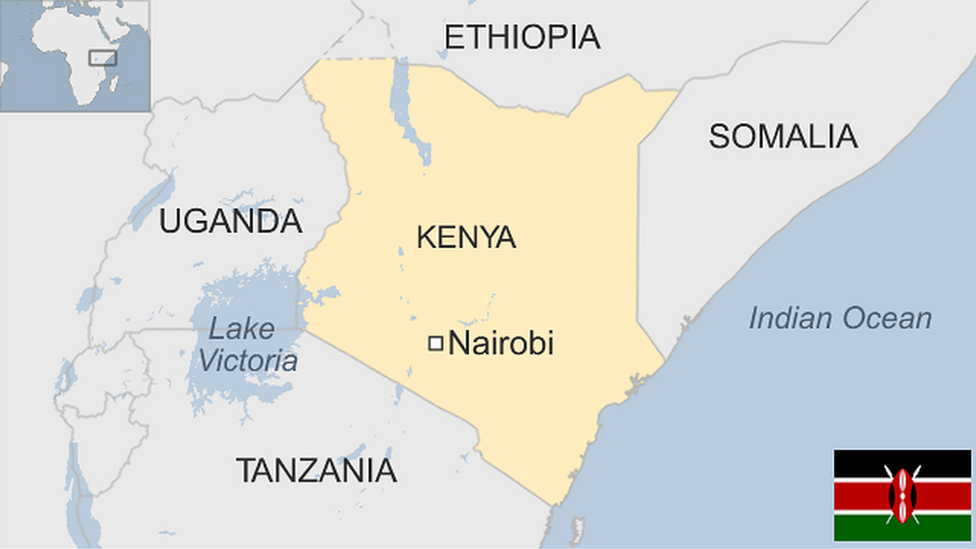
Is Kenya a Rich or Poor Country? Economy, Wealth & Poverty Explained
Kenya is neither extremely rich nor desperately poor in absolute terms. It is classified as a lower-middle-income developing country by the World Bank, with a growing economy that shows promise but also faces significant challenges like income inequality and poverty. As of 2025, Kenya’s GDP per capita stands at approximately $2,550, placing it in a transitional phase between low-income and more prosperous nations.
This classification reflects Kenya’s position in the global economy. The World Bank categorizes countries based on gross national income (GNI) per capita. Low-income countries have a GNI per capita of $1,145 or less, lower-middle-income ranges from $1,146 to $4,515, upper-middle from $4,516 to $14,005, and high-income above that.
Kenya falls squarely in the lower-middle-income bracket, with its GNI per capita around $2,070 in recent estimates, adjusted for purchasing power parity (PPP).
This means Kenya has moved beyond the poorest classifications but still lags behind wealthier African nations like South Africa.
Understanding this requires looking at Kenya’s economy holistically. It’s a mixed bag: a hub of innovation in East Africa, yet grappling with structural issues.
Kenya’s Economy at a Glance
To grasp whether Kenya is rich or poor, let’s start with key data. Here’s a snapshot of Kenya’s economic indicators as of 2025:
|
Indicator |
Kenya Value |
|
GDP (nominal) |
$136 billion |
|
GDP per capita |
$2,550 |
|
Population |
57.5 million |
|
Main economic sectors |
Agriculture (29%), Services (54%), Manufacturing (17%) |
|
Currency |
Kenyan Shilling (KES) |
These figures come from reliable sources like the International Monetary Fund (IMF) and World Bank. Kenya’s nominal GDP ranks it as the 62nd largest economy globally, but when adjusted for PPP, it climbs to 59th, reflecting the lower cost of living. The population has grown steadily, from about 53 million in 2020 to 57.5 million in 2025, driven by a young demographic.
Agriculture remains a backbone, employing over 40% of the workforce and contributing significantly to exports like tea, coffee, and horticulture. Services, including tourism, finance, and telecommunications, dominate, while manufacturing is expanding in areas like textiles and food processing. This diversification helps buffer against shocks, but vulnerabilities persist.

Reasons Why Some People Say Kenya Is “Rich”
Kenya’s economy explained often highlights its strengths, leading many to view it as relatively rich within Africa. As the largest economy in East Africa, Kenya boasts a GDP that outpaces neighbors like Uganda and Tanzania.
Its services sector is a standout, with banking giants like Equity Bank and telecom leader Safaricom driving innovation. M-Pesa, the mobile money platform, revolutionized financial inclusion and is now a global model.
Tourism adds to Kenya’s wealth perception. Iconic attractions like the Maasai Mara and coastal beaches draw millions annually, generating billions in revenue.
In 2024, tourism contributed about 10% to GDP, with projections for growth in 2025. Natural resources, including geothermal energy and minerals, further bolster this view. Kenya is a leader in renewable energy, with over 90% of electricity from green sources.
The “Silicon Savannah” nickname refers to Nairobi’s tech hub, home to startups and international firms like Google and Microsoft. Infrastructure investments, such as the Standard Gauge Railway and expanded ports, enhance connectivity.
These factors explain why Kenya’s economic growth has averaged 5% annually over the past decade, outpacing many peers. For urban professionals in Nairobi, life can feel prosperous, with modern amenities and a burgeoning middle class.
Reasons Why Some People Say Kenya Is “Poor”
Despite these positives, poverty in Kenya remains a stark reality, leading to perceptions of the country as poor. The national poverty rate hovers around 39%, meaning nearly 22 million people live below the poverty line of about $2.15 per day (international measure).
This is exacerbated by high unemployment, especially among youth, at over 7% officially but much higher in reality due to underemployment.
The cost of living in Kenya has risen, with inflation averaging 6-7% in recent years, driven by food and fuel prices. Public debt stands at about 70% of GDP, limiting government spending on social services. Climate change impacts agriculture, causing droughts that affect food security for millions.
Income inequality is another key factor. Rural areas, where 70% of the population lives, lag behind urban centers. Many rely on subsistence farming, with limited access to education and healthcare. Corruption and political instability have also hindered progress, diverting resources from development.
Wealth Inequality in Kenya
Income inequality in Kenya is pronounced, with a Gini coefficient of around 38 in 2022, indicating moderate to high disparity. This measures how wealth is distributed: 0 is perfect equality, 100 is total inequality. Kenya’s score places it among the more unequal African nations.
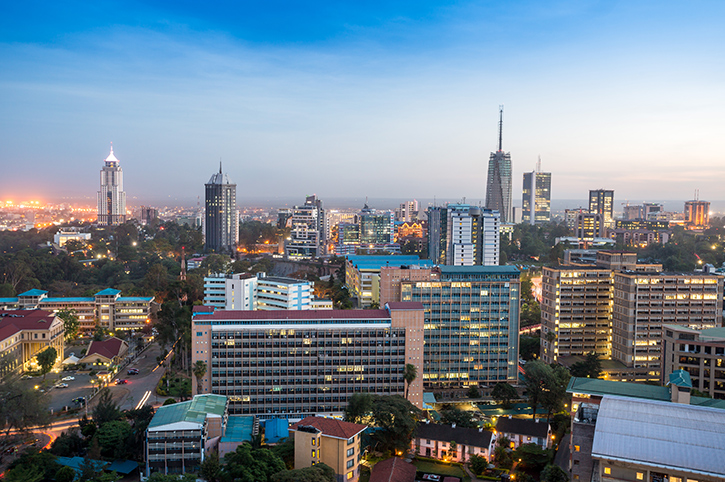
The urban-rural divide is stark. Nairobi, with its skyscrapers and luxury malls, contrasts sharply with rural villages lacking basic infrastructure. The middle class is growing—estimated at 20-30% of the population—but the informal economy employs over 80% of workers, offering low wages and no security.
In regions like the arid north, poverty rates exceed 60%, while in Nairobi, it’s below 20%. This inequality fuels social tensions and limits overall growth. Policies like the Bottom-Up Economic Transformation Agenda aim to address this, but implementation challenges persist.
Kenya Compared to Other African Countries
To contextualize Kenya’s wealth vs poverty, comparisons help. Kenya’s GDP per capita of $2,550 is higher than Uganda’s ($1,115) and Tanzania’s (around $1,400), making it a regional leader. However, it pales against South Africa’s $6,830, which benefits from minerals and industrialization.
Kenya vs Uganda: Uganda’s economy is smaller, with agriculture dominating more heavily. Kenya’s tech and services edge gives it higher growth potential.
Kenya vs Tanzania: Similar in size, but Tanzania’s natural gas reserves could boost it ahead. Kenya leads in financial services.
Kenya vs South Africa: South Africa is upper-middle-income, with better infrastructure, but faces higher unemployment (over 30%).
These comparisons show Kenya as a middle performer in Africa, not the richest but far from the poorest like South Sudan ($954).
Is Kenya Getting Richer or Poorer?
Kenya’s economic growth trends are positive. In 2025, GDP growth is projected at 4.9%, driven by services and agriculture recovery. Infrastructure investments, like the Lamu Port-South Sudan-Ethiopia Transport corridor, promise more trade.
The youth population—over 75% under 35—offers a demographic dividend if harnessed through education and jobs. However, risks include high debt, inflation, and climate vulnerabilities. Projections suggest growth could reach 5.6% in 2026 if reforms continue.
Overall, Kenya is getting richer gradually, but poverty reduction lags, requiring targeted policies.
Kenya as a Developing Country: The Bigger Picture
Is Kenya a developing country? Yes, but “developing” doesn’t equate to poor. It signifies potential for growth in a mixed economy blending market and state elements. Kenya’s long-term potential lies in its human capital, strategic location, and resources.
Challenges like inequality must be addressed, but successes in mobile tech and renewables show promise. Globally, Kenya ranks 143rd in the Human Development Index, indicating room for improvement but progress from past decades.
FAQ Section
Is Kenya considered a rich country?
No, Kenya is not considered rich; it’s a lower-middle-income developing country with strengths in services and tech but ongoing poverty issues.
Is Kenya poor compared to other African countries?
Compared to many, no—it’s wealthier than Uganda or Tanzania but poorer than South Africa. Its GDP per capita is mid-range for Africa.
What percentage of Kenyans live in poverty?
Around 39% live below the national poverty line, with higher rates in rural areas.
Is Kenya a developed or developing country?
Kenya is a developing country, transitioning toward middle-income status.
Is Kenya’s economy growing?
Yes, with 4.9% growth in 2025, driven by services and infrastructure.
Conclusion
In summary, Kenya is a growing lower-middle-income country with a mixed economy that combines strengths in innovation and resources with real challenges like poverty and inequality.
It’s not extremely rich or poor but holds strong potential for future prosperity if issues are addressed. This neutral view underscores Kenya’s dynamic position in Africa.