Gorilla Safari in Rwanda: Volcanoes NP Trekking & Permits
Gorilla safari in Rwanda provide an unparalleled opportunity to witness endangered mountain gorillas in their natural habitat, offering a premium and intimate adventure that’s world-renowned for its luxury and conservation focus.
Nestled in the misty forests of Volcanoes National Park, these experiences allow travelers to trek through lush bamboo groves and come face-to-face with gentle giants. Rwanda’s gorilla safaris stand out due to their accessibility from the capital city of Kigali, high-end accommodations, and a strong emphasis on sustainable tourism.
Whether you’re a wildlife enthusiast, adventure seeker, or luxury traveler, a Rwanda gorilla tour promises life-changing moments amid stunning volcanic landscapes.
At Gorilla Nests Safaris, we specialize in crafting bespoke gorilla safaris that blend thrill, comfort, and ethical practices, ensuring every detail—from permits to lodges—enhances your journey.
In this comprehensive guide, we’ll delve into everything you need to know about gorilla safari in Rwanda, including planning tips, costs, and insider advice to make your Rwanda gorilla trekking unforgettable. From securing gorilla trekking permits in Rwanda to exploring mountain gorillas in Rwanda, we’ve got you covered.
Why Choose Rwanda for Gorilla Safaris
Rwanda has earned its reputation as the premier destination for gorilla safaris, surpassing even its neighbors in terms of luxury and efficiency. One of the key advantages is the easy access: Volcanoes National Park is just a two-to-three-hour drive from Kigali International Airport, making it far more convenient than more remote locations.
This short transfer time means you can arrive in the morning and potentially start your adventure the same day, minimizing jet lag and maximizing your time with the gorillas.
Rwanda’s commitment to high-end services sets it apart. Expect world-class lodges with spa facilities, gourmet dining, and personalized guides who are experts in primatology and local culture.
The country’s strong conservation success story is another draw—thanks to initiatives like those inspired by Dian Fossey, gorilla populations have stabilized, with over 1,000 mountain gorillas now thriving across the Virunga Massif. Trekking groups are kept small (maximum eight people per group), ensuring an intimate, non-intrusive experience that prioritizes animal welfare.
Compared to other destinations, Rwanda offers a more upscale, well-managed approach. While Uganda provides a budget-friendly alternative, Rwanda’s focus on luxury and sustainability appeals to discerning travelers.
Plus, the revenue from permits directly supports community projects, anti-poaching efforts, and habitat protection, giving your safari a meaningful impact.
At Gorilla Nests Safaris, we emphasize these elements, curating trips that not only deliver awe-inspiring encounters but also contribute to long-term conservation.
Where Gorilla Safaris Take Place in Rwanda
Gorilla safaris in Rwanda primarily unfold in Volcanoes National Park, a UNESCO-recognized biodiversity hotspot in the northwest of the country.
This park spans approximately 160 square kilometers of montane rainforest, bamboo forests, and open grasslands, set against the dramatic backdrop of five dormant volcanoes: Karisimbi, Bisoke, Muhabura, Gahinga, and Sabyinyo.
Its high-altitude habitat (ranging from 2,400 to 4,500 meters) provides the perfect environment for mountain gorillas, who thrive on the abundant vegetation.
Volcanoes National Park is home to 13 habituated gorilla families available for trekking, each consisting of 10 to 30 individuals led by a dominant silverback gorilla. Popular families include the Susa Group (one of the largest, with over 30 members) and the Amahoro Group (known for their calm demeanor). Trekkers are assigned to a family based on fitness levels and preferences, ensuring a tailored experience.
Beyond gorillas, the park offers bonus activities like golden monkey trekking. These playful primates, with their striking golden fur, inhabit the bamboo zones and provide a lighter, less strenuous alternative or complement to gorilla encounters.
Hiking Mount Bisoke or visiting the Dian Fossey grave site adds cultural and historical depth. Gorilla Nests Safaris recommends combining these for a fuller immersion in the park’s ecosystem.
Gorilla Trekking Experience in Rwanda (Step-by-Step)
Embarking on a gorilla trekking experience in Rwanda is a meticulously organized adventure that blends excitement with respect for nature. Here’s a step-by-step breakdown to prepare you.
- Pre-Trek Preparation: Your day starts early at the Kinigi Park Headquarters in Musanze (formerly Ruhengeri). Arrive by 7:00 AM for registration and a briefing from experienced rangers. They’ll cover safety rules, gorilla behavior, and what to expect. You’ll be assigned to one of the habituated gorilla families based on your group’s fitness—easier treks for families closer to the trailhead, more challenging ones for those deeper in the forest.
- The Trek Begins: Accompanied by armed rangers, porters (optional but recommended for carrying gear), and trackers, you set off into the dense forest. Treks can last from 1 to 6 hours, depending on the gorillas’ location—they move daily in search of food. The terrain varies from muddy paths and steep slopes to thick undergrowth, so sturdy hiking boots are essential. Along the way, rangers share insights on flora, fauna, and gorilla tracking techniques.
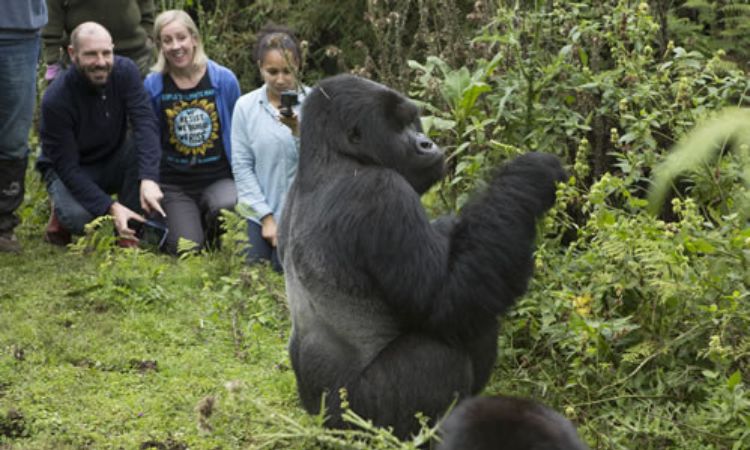
- The Encounter: Once the gorillas are located (trackers start early to find fresh signs like nests or dung), you’ll approach quietly. Spend one magical hour observing them at a safe distance (minimum 7 meters). Watch silverbacks guard their family, juveniles play, and mothers nurse infants. It’s raw, emotional, and profoundly humbling.
- Return and Reflection: After your hour, trek back to headquarters for a certificate of completion. Many visitors describe it as life-altering. Photography is allowed (no flash), but focus on the moment—rules prohibit touching or feeding.
At Gorilla Nests Safaris, we enhance this with expert guides who provide binoculars, rain ponchos, and post-trek debriefs to process the experience.
Rwanda Gorilla Permit Costs
Securing a gorilla trekking permit is the cornerstone of any Rwanda gorilla tour, and understanding the costs is crucial for budgeting. As of 2026, the standard permit price for foreign non-residents remains $1,500 per person. This fee includes park entry, ranger guides, and contributions to conservation efforts. It’s non-refundable but can be rescheduled with notice.
Why the premium price? Rwanda positions its safaris as luxury experiences, with funds supporting anti-poaching, community development (10% of revenue shared locally), and veterinary care. Compared to Uganda’s $800 permit, Rwanda’s is pricier but offers superior infrastructure and exclusivity.
Booking: Permits are limited (about 104 daily) and sell out months in advance, especially in peak seasons. We at Gorilla Nests Safaris handle bookings through the Rwanda Development Board (RDB), ensuring availability.
Cancellations: Full refund if canceled 91+ days prior; 50% within 46-90 days; no refund within 45 days. For discounted options, East African residents pay $200, and promotional low-season rates (November-May) may apply for longer stays, dropping to $1,050 if combined with other parks.
Best Time for Gorilla Safaris in Rwanda
Timing your gorilla safari in Rwanda can significantly enhance your experience. The best months are during the dry seasons: June to September and December to February.
These periods offer clearer trails, less mud, and better photography conditions with sunny skies and mild temperatures (15-25°C). Wildlife viewing is optimal as animals congregate around water sources.
Dry season pros: Lower chance of rain delays, easier trekking, and vibrant green landscapes post-rain. However, it’s peak time, so permits book fast, and crowds (though small) are higher. Accommodation prices peak too.
Wet seasons (March-May and October-November) bring heavier rains, making paths slippery but offering discounts and fewer visitors. Gorilla sightings remain excellent year-round, as they don’t migrate. For photography, dry months provide better light; wet seasons yield lush, misty atmospheres for dramatic shots.
Gorilla Nests Safaris advises June-August for families or first-timers, and shoulder months (May or October) for budget-conscious adventurers seeking solitude.
Rwanda Gorilla Safari Packages
At Gorilla Nests Safaris, we offer high-converting packages designed to suit every traveler’s needs, from quick escapes to immersive journeys. All include permits, expert guides, transfers, and sustainable practices. Prices are per person, based on double occupancy, and exclude international flights. We customize for groups, solos, or families.
1-Day Gorilla Safari from Kigali
Perfect for time-strapped visitors. Drive from Kigali, trek, and return same day.
- Budget Package: Basic transport, shared group. $2,200 (includes permit, lunch).
- Midrange Package: Comfortable 4×4, private guide. $2,500.
- Luxury Package: VIP transfers, premium gear. $3,500.
2-3 Day Rwanda Gorilla Trekking Tours
Ideal for a balanced experience with downtime.
- Budget: Simple lodge stay, one trek. $2,500-$3,000 for 3 days.
- Midrange: Mid-level lodge, trek + golden monkeys. $3,500-$4,500.
- Luxury: High-end lodge, two treks. $6,000-$8,000.
Luxury Fly-In Safaris
Helicopter from Kigali for ultimate convenience.
- Budget: N/A (fly-ins start midrange).
- Midrange: Fly-in, one trek, mid-lodge. $4,000.
- Luxury: Private chopper, multiple treks, spa. $10,000+.
Gorilla Trekking + Golden Monkeys
Combine primates for variety.
- Budget: 3 days, shared. $2,800.
- Midrange: Private, 4 days. $4,200.
- Luxury: 5 days, exclusive. $7,500.
Book now with Gorilla Nests Safaris for seamless planning and exclusive perks like priority permits.
Accommodation Near Volcanoes National Park
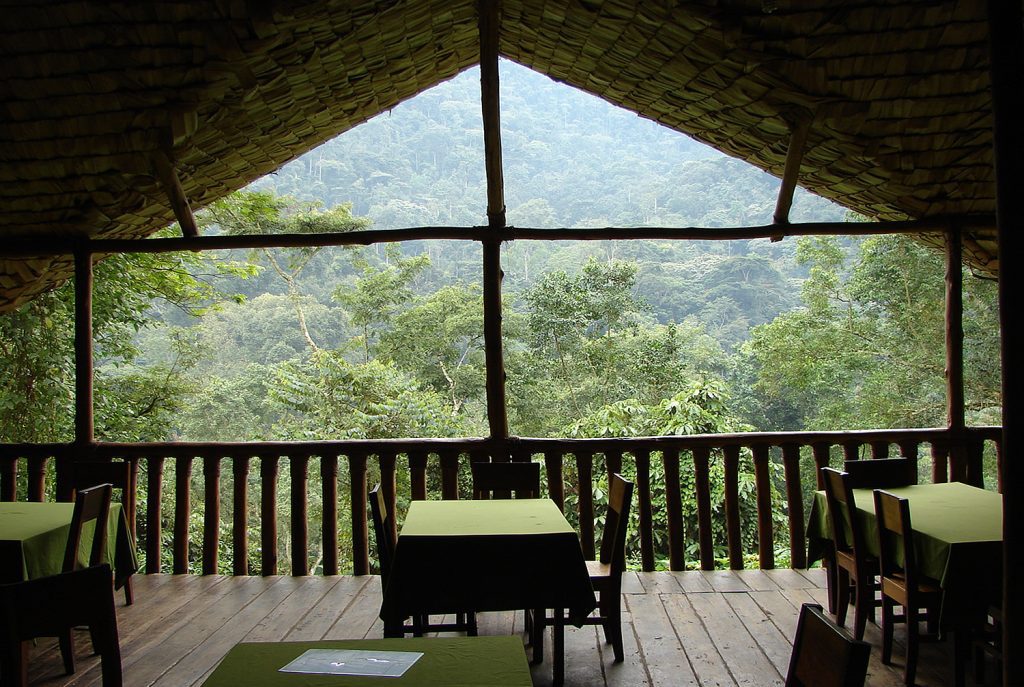
Choosing the right lodge enhances your gorilla safari. Options range from luxury to budget, all emphasizing sustainability and proximity to Kinigi (trekking start point, 10-30 minutes away).
Luxury Lodges
Indulge in opulence with stunning views.
- One&Only Gorilla’s Nest: Nestled in eucalyptus groves, this resort offers treehouse-style suites, infinity pools, and spa treatments like Rwandan coffee scrubs. Sustainability includes community partnerships and gorilla conservation support. Rates: $2,000+ per night.
- Bisate Lodge: Eco-luxury with thatched villas, forest immersion, and reforestation programs. Perfect for post-trek relaxation.
Mid-Range Lodges
Comfort without extravagance.
- Le Bambou Gorilla Lodge: Cozy chalets, gardens, and local cuisine. $200-400/night.
- Da Vinci Gorilla Lodge: Modern amenities, volcano views. Family-friendly.
Budget Options
Affordable and functional.
- Kinigi Guest House: Basic rooms, communal dining. $50-100/night.
- La Palme Hotel: Clean, near park entrance. Ideal for backpackers.
Gorilla Nests Safaris partners with these for tailored stays, focusing on comfort and eco-friendliness.
What to Pack for a Gorilla Safari in Rwanda
Packing smart ensures a smooth trek. Essentials include:
- Footwear: Waterproof hiking boots with good grip for muddy trails.
- Clothing: Lightweight, quick-dry layers; rain jacket or poncho (rains can hit anytime); long pants and sleeves to protect against nettles; gloves for gripping vines.
- Accessories: Backpack, hat, sunscreen, insect repellent; binoculars and camera with zoom lens (no drones); reusable water bottle.
- Health Items: Personal medications, hand sanitizer; porters can carry heavy items for $10-20.
- Extras: Walking stick (provided or bring), energy snacks.
For photography: Extra batteries, as charging might be limited in remote lodges. Gorilla Nests Safaris provides packing checklists and gear rentals.
Gorilla Trekking Rules & Regulations
Adhering to rules ensures safety and conservation. Key guidelines:
- Age Limit: Minimum 15 years; no upper limit if fit.
- Health: No trekking if ill (e.g., cold, flu) to avoid transmitting to gorillas; COVID protocols may apply.
- Distance: Maintain 7 meters from gorillas; no touching.
- Group Size: Max 8 visitors per family, 1 hour observation.
- Behavior: Speak quietly, no eating/smoking near gorillas; bury human waste.
Violations can lead to fines or bans. Rangers enforce strictly for everyone’s benefit.
Rwanda Gorilla Conservation Efforts
Rwanda’s conservation legacy, inspired by Dian Fossey’s work since the 1960s, has turned the tide for mountain gorillas. The Dian Fossey Gorilla Fund monitors health, conducts research, and combats poaching with over 100 trackers daily.
Permit revenues fund community initiatives: Schools, healthcare, and eco-tourism jobs reduce poaching incentives. Anti-poaching patrols use drones and K-9 units, while veterinary teams treat injuries. Rwanda shares 10% of tourism income with locals, fostering support.
Success: Gorilla numbers rose from 250 in the 1980s to over 1,000 today. Gorilla Nests Safaris contributes by donating per booking and promoting ethical tourism.
Combine Gorilla Safaris with Other Rwanda Experiences
Extend your trip for a holistic Rwanda adventure:
- Kigali City Tour: Explore vibrant markets, art scenes, and the Genocide Memorial for historical context.
- Nyungwe National Park: Chimpanzee trekking in ancient rainforests, canopy walks.
- Akagera National Park: Big Five safaris with lions, elephants in savannas.
- Lake Kivu: Relax on beaches, boat trips, or cycling.
Gorilla Nests Safaris crafts multi-park itineraries for seamless transitions.
Uganda vs Rwanda Gorilla Safaris (Comparison)
Deciding between Uganda and Rwanda? Here’s a breakdown:
- Cost: Rwanda permits $1,500 vs Uganda’s $800; overall, Rwanda tours are 20-50% pricier but include luxury perks.
- Trek Difficulty: Rwanda’s shorter, less strenuous (1-4 hours average); Uganda’s Bwindi can be tougher (2-7 hours).
- Luxury vs Adventure: Rwanda leans luxury with high-end lodges; Uganda offers rugged, budget options.
- Accessibility: Rwanda’s closer to airports; Uganda requires longer drives.
- Gorilla Families: Similar sizes, but Rwanda has more habituated groups (13 vs Uganda’s 20+), easier availability.
Rwanda suits luxury seekers; Uganda for value-driven adventurers.
FAQs about Gorilla Safaris in Rwanda
How much is a gorilla safari in Rwanda?
A basic 3-day safari starts at $2,500 (budget), up to $10,000+ for luxury, including permits ($1,500).
Is gorilla trekking in Rwanda safe?
Yes, with trained rangers and strict protocols; no incidents in decades. Physical fitness is key.
How close do you get to gorillas?
Minimum 7 meters, but they may approach closer naturally.
Is Rwanda better than Uganda for gorilla trekking?
Rwanda offers luxury and ease; Uganda is cheaper and more adventurous. Depends on preferences.
Can children trek gorillas?
No, minimum age is 15 for safety and health reasons.
Call to Action
Ready to embark on the adventure of a lifetime? Contact Gorilla Nests Safaris today for expert permit handling, custom itineraries, local guides, and seamless logistics. Book now and secure your spot—permits are limited!