

Nairobi National Park Entrance Fee 2026: Full Price Guide for Non-Residents, Residents & Citizens
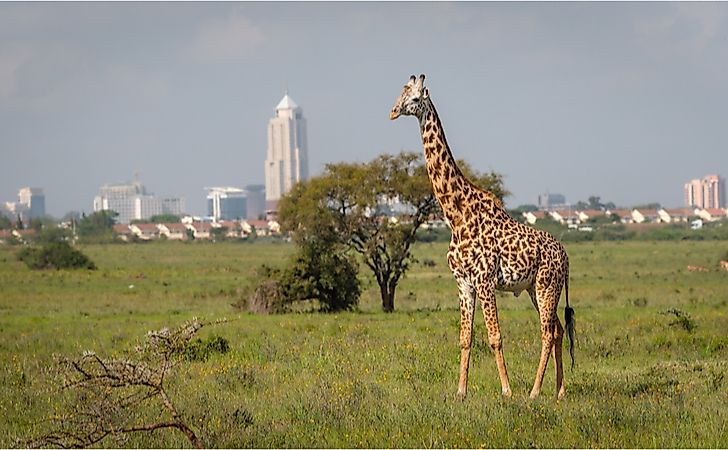
Nairobi National Park entrance fees vary by visitor nationality, age, and vehicle type, ensuring fair access to this unique urban wildlife haven where lions roam against a city skyline backdrop.
Whether you’re a first-time visitor hoping to spot the Big Five or a local organizing a family outing, understanding these costs is essential to budgeting your trip.
Fees are set by KWS and can change, so always confirm with official sources before you travel — this page was last verified against the current 2026 KWS conservation fee schedule.
About Nairobi National Park
Established in 1946 as Kenya’s first national park, Nairobi National Park spans 117 square kilometers and offers an unmatched blend of wilderness and urban proximity, just a short drive from Nairobi’s city center. It’s home to over 100 mammal species, including endangered black rhinos, and more than 400 bird varieties — making it one of the most rewarding Kenya wildlife animals destinations for a short visit. Entrance fees directly fund conservation efforts protecting this biodiversity hotspot against growing urbanization pressure.
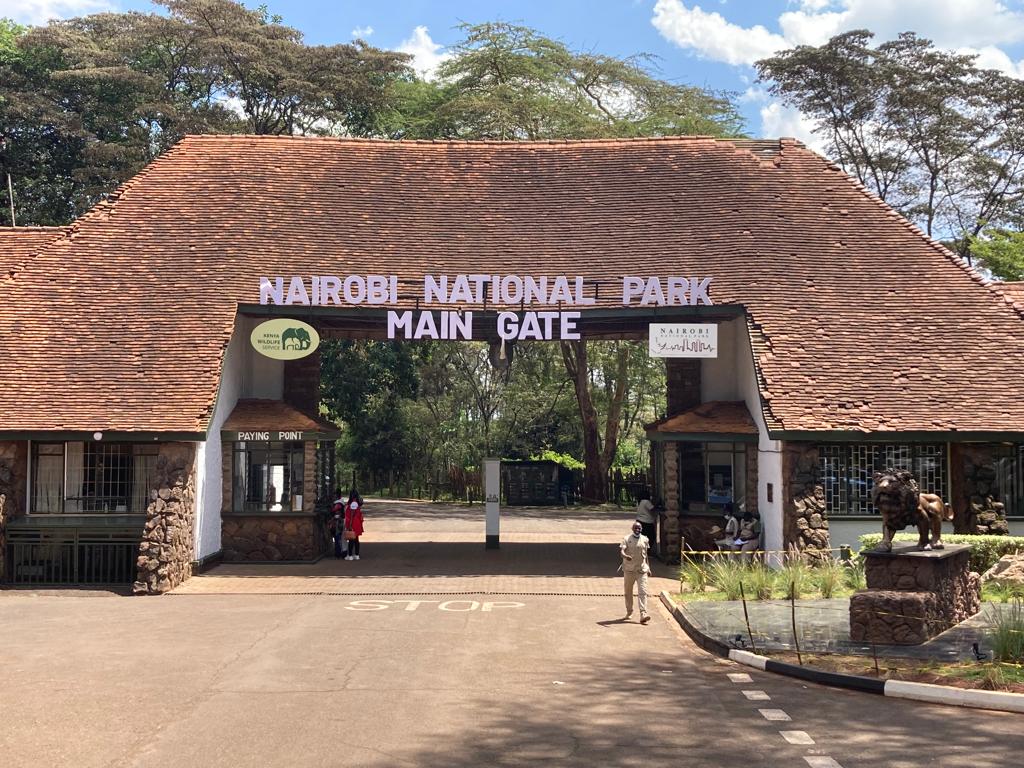
Current Nairobi National Park Entrance Fee for 2026
According to the latest KWS conservation fee schedule, Nairobi National Park now applies a flat, year-round rate by visitor category rather than the old seasonal high/low pricing structure. Fees are charged in either Kenyan Shillings (KES) or US Dollars (USD) depending on residency status:
| Visitor Category | Entrance Fee | Notes |
|---|---|---|
| East African Citizen (Adult) | KES 1,000 | Covers Kenya, Uganda, Tanzania, Rwanda, Burundi, and South Sudan citizens with valid ID |
| East African Citizen (Child/Student) | KES 500 | Ages 3–17, or students with a valid school ID |
| Kenya Resident (Adult) | KES 1,350 | Non-EAC residents with a valid work permit or resident card |
| Kenya Resident (Child/Student) | KES 675 | As above, for children and students |
| Non-Resident (Adult) | USD 80 | International tourists from outside Africa |
| Non-Resident (Child/Student) | USD 40 | International children and students |
| African Citizen (Adult) | USD 40 | Citizens of African countries outside the EAC |
| African Citizen (Child/Student) | USD 20 | As above |
These are per-person daily rates for standard game drive entry. The combined Nairobi Package — pairing the park with the Nairobi Animal Orphanage and Nairobi Safari Walk — costs more: KES 1,300 for East African adults and USD 105 for non-resident adults, among other tiers.
Nairobi National Park Vehicle Entry Fees
Vehicle fees are separate and mandatory for anyone entering with a car, since the park is explored primarily via self-drive or guided game drive:
| Vehicle Type | Fee (KES) |
|---|---|
| Under 6 seats (sedan/small SUV) | KES 600 |
| 6–12 seats (minivan) | KES 1,500 |
| 13–24 seats (small bus) | KES 3,000 |
| 25–44 seats (medium bus) | KES 4,500 |
| 45+ seats (large coach) | KES 5,000 |
Motorcycles are generally not permitted inside Nairobi National Park for safety reasons. Group tours may also incur picnic fees (around KES 100 for East African citizens, USD 10 for others) or event site rental charges starting at KES 20,000.
These rates reflect a significant jump from the pre-2025 structure — non-resident adult fees rose sharply as KWS moved to bolster conservation funding amid rising operational costs — so always budget for extras like a guided ranger tour (roughly KES 2,000–4,000 per group) or a night game drive (around USD 50 per person).
What’s Included in Your Entrance Fee
Paying the Nairobi National Park entrance fee buys more than simple entry — it grants unrestricted access to over 80 kilometers of game drive tracks where you can self-navigate or join a guided tour to spot lions, cheetahs, giraffes, zebras, and the park’s celebrated black rhino population in its dedicated Rhino Sanctuary.
Picnic sites are scattered throughout, along with walking trails like the Ivory Burning Site, which commemorates Kenya’s anti-poaching history, and birdwatching hotspots such as the Hippo Pools, home to over 500 resident and migratory bird species.
Your payment funds ranger patrols, habitat restoration, and community programs that reduce human–wildlife conflict. There’s no time limit on your visit during operating hours (6:00 AM–6:00 PM daily), and compared with remote reserves like the Masai Mara safari tours circuit — where fees and logistics run considerably higher — Nairobi National Park remains one of the most affordable wildlife experiences in East Africa.
Nairobi National Park Ticket Categories Explained
- East African Citizens – the most affordable tier, requiring a national ID, passport, or birth certificate from an EAC member state.
- Kenya Residents – for expatriates or non-EAC Africans living in Kenya with valid residency documents.
- Non-Residents / International Visitors – the standard category for tourists from outside Africa, charged in USD.
- African Citizens – a dedicated tier for visitors from other African nations, priced at half the non-resident rate.
- Children, Students, and Seniors – children under 3 enter free, ages 3–17 pay reduced rates, and students up to 23 with valid ID qualify for child pricing.
- Vehicles and Motorcycles – priced by seating capacity to account for road wear and environmental impact.
Long-tail searches like “Nairobi National Park fee for East African residents” typically land here, since this breakdown clarifies exactly which category applies to you. Frequent visitors can also consider an annual pass (around KES 45,000 for adults) covering unlimited entries across the year.
How to Pay Your Nairobi National Park Entrance Fee
Payment is straightforward in 2026. At the gates — including the Main Gate off Langata Road — card payments and M-Pesa are widely accepted; note that cash is generally not accepted under the current KWS payment policy. For advance planning, use the KWS eCitizen portal to book and pay online, receiving a digital QR code for quick entry and avoiding queues during peak periods.
Travel agents and safari operators often bundle the entrance fee directly into a package, handling payment on your behalf — ideal if you’re booking a guided Kenya safari package rather than a self-drive visit. Always confirm with your operator whether park fees are included to avoid double-paying.
Best Time to Visit Nairobi National Park
Timing your visit maximizes both wildlife sightings and value for your entrance fee. The dry seasons — January to February and June to October — are prime, as animals congregate around waterholes for easier viewing, and July to October can bring wildebeest and zebra herds spilling over from the wider migration circuit.
Wet seasons (March–May, November–December) offer lush scenery and thinner crowds, though muddy roads make a 4×4 advisable. For a full month-by-month breakdown across the country, see our guide to the best month to do a safari in Kenya.
Early mornings (6–9 AM) offer the best light for photography and the most active predators, while evenings deliver golden-hour views of the Nairobi skyline behind grazing wildlife.
Since the park now uses flat, year-round pricing, seasonality won’t change your entrance fee — but it will change how much wildlife you see and how busy the park feels.
Tips to Save on Your Nairobi National Park Visit
- Book with a local operator – Kenyan-based companies often negotiate group rates or bundle the entrance fee into a package, sometimes 10–20% cheaper than arranging everything yourself.
- Group up – share vehicle costs, since a full minivan splits the KES 1,500 vehicle fee efficiently across passengers.
- Travel in the low season – fewer tourists can mean better deals on accommodation and tours, even though park fees stay flat.
- Consider an annual pass – frequent visitors benefit most from the unlimited-entry option.
- Combine attractions – the Nairobi Package covers multiple sites in one visit, ideal for a full-day outing.
- Use family and student rates – leverage reduced child pricing and free entry for under-3s, and bring your own picnic to cut food costs.
These tips are exactly what searches for “budget safari Nairobi” are looking for — practical ways to see more of the park without overspending.
Where to Stay Near Nairobi National Park
Your safari day often starts and ends near the city, so choosing the right base matters. Budget travelers can browse our list of affordable hotels in Nairobi, while those wanting a more indulgent stay before or after a game drive should look at our roundup of 5-star hotels in Nairobi.
Many visitors also combine a Nairobi National Park morning game drive with an afternoon exploring the city’s other Nairobi tourist attractions before flying onward to the Maasai Mara or Amboseli.
Nairobi National Park Fee FAQ
What is the entrance fee for Nairobi National Park for international visitors? Non-residents pay USD 80 per adult and USD 40 per child daily, plus a separate vehicle fee starting at KES 600.
Are children charged to enter Nairobi National Park? Yes, children aged 3–17 pay half the adult rate for their category; children under 3 enter free with adult supervision.
Do tour packages include the entrance fee? Most do, but always confirm with your operator to avoid any surprises at the gate.
Can I pay the Nairobi National Park entrance fee online? Yes, through the official KWS eCitizen portal, which issues a digital QR code for entry.
Are vehicle fees separate from personal entrance fees? Yes — vehicle charges are additional and based on seating capacity, paid on top of each visitor’s individual entrance fee.
Ready to Experience Nairobi National Park?
Nairobi National Park offers an unmatched safari experience right on the edge of the city — affordable, accessible, and genuinely awe-inspiring, whether you’re flying in through Jomo Kenyatta International Airport for a quick stopover safari or building it into a longer family safari in Kenya.
Don’t miss this chance to connect with nature on your own terms — Gorilla Nests Safaris can build a private, all-inclusive itinerary around Nairobi National Park, complete with entrance fees, guided game drives, and airport transfers handled for you.
For travelers looking to stretch their trip further, ask us about pairing it with a cheap private safari in Kenya extension into the Mara or Amboseli.
Contact Gorilla Nests Safaris today and let our expert guides turn your Nairobi safari into the first unforgettable chapter of your Kenyan story.