

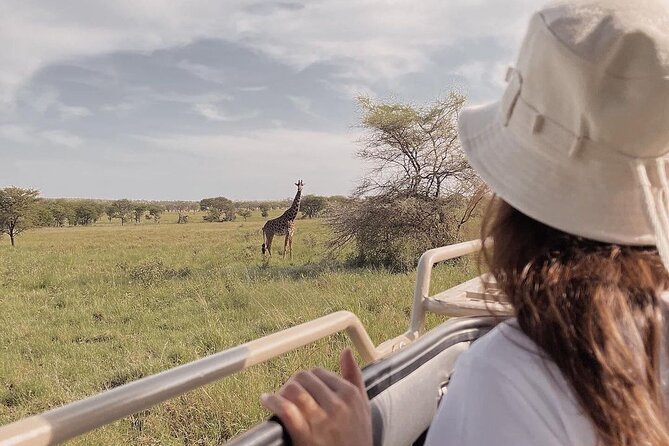
Top 10 National Parks in Kenya and Their Locations – Complete Travel Guide
National Parks in Kenya: Discover the top 10 national parks in Kenya and their locations, featuring must-visit wildlife reserves, famous animals, maps, travel tips, and the best time to visit each park.
Kenya is renowned worldwide as a premier destination for wildlife safaris and natural wonders, drawing millions of adventurers each year to its top national parks in Kenya.
From the vast savannahs teeming with the Big Five to rugged mountains, alkaline lakes, and coastal forests, the diversity of landscapes in Kenya national parks and locations offers something for every traveler.
Whether you’re seeking the thrill of the Great Migration or serene birdwatching spots, this complete travel guide will equip you with essential details on park locations, key attractions, wildlife highlights, and practical tips.
By exploring these best parks in Kenya, you’ll discover unforgettable Kenya safari parks and wildlife parks in Kenya that promise life-changing experiences. Let’s dive into the heart of Kenya safari destinations and plan your adventure.
Below are the best 10 national parks in kenya and their locations;
1. Maasai Mara National Reserve
The Maasai Mara National Reserve stands as one of the most iconic top national parks in Kenya, captivating visitors with its endless plains and dramatic wildlife spectacles. Located in Narok County, southwestern Kenya, near the border with Tanzania, this reserve spans about 1,510 square kilometers and is easily accessible from Nairobi via a short flight or a scenic drive of around 5-6 hours.
Famous for the Great Migration, where millions of wildebeest, zebras, and gazelles cross the Mara River in a perilous journey, the Maasai Mara is a must-visit for safari enthusiasts.
This annual event, often called the “World Cup of Wildlife,” draws predators like lions and crocodiles, creating intense scenes of survival. Beyond the migration, the park’s rolling grasslands and acacia-dotted landscapes provide year-round opportunities for hot air balloon rides, cultural visits to Maasai villages, and photography safaris.
Key wildlife in the Maasai Mara includes the Big Five—lions, leopards, elephants, buffalos, and rhinos—along with cheetahs, hyenas, giraffes, and over 470 bird species such as vultures and eagles.
The reserve’s lion prides are particularly abundant, offering some of the best big cat sightings in Africa. For bird lovers, migratory species add to the vibrant avian diversity.
The best time to visit is July to October, when the Great Migration peaks, vegetation is sparse for easier spotting, and weather is dry with temperatures around 25-30°C (77-86°F). During this period, expect clear skies and minimal rain, though crowds can be higher.
Off-peak months like January to March offer quieter experiences with newborn animals and lush green scenery after short rains.
Visitors often describe the Maasai Mara as a place where nature’s raw power unfolds before your eyes. Imagine waking to the roar of lions at dawn or witnessing a cheetah sprint across the plains—these moments make it one of the premier Kenya safari destinations. If you’re planning a trip, consider combining it with nearby conservancies for extended game drives and exclusive access.
2. Amboseli National Park
Nestled in Kajiado County, southern Kenya, close to the Tanzanian border, Amboseli National Park covers 392 square kilometers and is famed for its stunning backdrop of Mount Kilimanjaro, Africa’s highest peak.
Accessible by a 4-hour drive from Nairobi or a quick 45-minute flight, this park is a gem among Kenya national parks and locations for its unique blend of wetlands and arid plains.
Famous for its large elephant herds, often seen against the snow-capped Kilimanjaro, Amboseli offers postcard-perfect views that have inspired countless photographers and filmmakers.
The park’s Observation Hill provides panoramic vistas, while swamps like Enkongo Narok attract diverse wildlife. It’s also a haven for cultural experiences, with nearby Maasai communities sharing traditions through dances and crafts.
Key wildlife features massive tusked elephants, lions, cheetahs, giraffes, zebras, and wildebeest. Birdlife is exceptional, with over 400 species including pelicans, kingfishers, and flamingos in the seasonal lakes. The park’s dust-covered elephants, known as “red elephants,” add a distinctive touch to safaris.
The best time to visit is June to October and December to March, during dry seasons when animals congregate around water sources, and Kilimanjaro’s views are clearest. Temperatures range from 20-30°C (68-86°F), with low humidity making it comfortable for game drives.
Amboseli’s allure lies in its contrasts—from dusty savannahs to lush marshes—creating a dynamic ecosystem. Travelers rave about sunset game drives where elephants silhouette against the mountain, making it an essential stop on any list of best parks in Kenya. For a deeper dive, opt for guided walking safaris to explore the terrain up close.
3. Tsavo East National Park
Tsavo East National Park, located in southeastern Kenya near the coast in Taita-Taveta County, is one of the largest wildlife parks in Kenya at 13,747 square kilometers. It’s reachable by a 4-5 hour drive from Nairobi or Mombasa, or flights to nearby airstrips, making it a convenient addition to coastal itineraries.
Famous for its “red elephants” coated in iron-rich soil and the legendary man-eating lions from colonial history, Tsavo East boasts vast, untamed wilderness with features like the Galana River, Yatta Plateau (the world’s longest lava flow), and Mudanda Rock waterfall. It’s ideal for those seeking a less crowded safari experience compared to more popular Kenya safari parks.
Key wildlife includes elephants, lions, giraffes, zebras, crocodiles, and rare species like the hirola antelope. Over 500 bird species, such as ostriches and hornbills, thrive here. The park’s arid landscape enhances sightings around waterholes.
The best time to visit is June to October and January to February, when dry weather concentrates animals and roads are navigable. Expect warm days around 28-32°C (82-90°F) with cool evenings.
Tsavo East’s expansive horizons and dramatic red earth create an otherworldly feel, perfect for adventurous souls. Many visitors combine it with Tsavo West for a comprehensive tour, highlighting why it’s among the top national parks in Kenya for raw, authentic wildlife encounters.
4. Tsavo West National Park
Adjacent to Tsavo East in Taita-Taveta County, Tsavo West National Park spans 9,065 square kilometers and offers more varied terrain, including hills, lakes, and springs. Access is similar, with drives from Nairobi or Mombasa taking 4-6 hours, or charter flights.
Famous for Mzima Springs, a crystal-clear oasis fed by underground rivers from Mount Kilimanjaro, and the Shetani Lava Flows, Tsavo West provides a mix of volcanic landscapes and lush oases. The Ngulia Rhino Sanctuary protects endangered black rhinos, adding to its conservation appeal.
Key wildlife mirrors Tsavo East but includes leopards, buffalos, and hippos at the springs. Bird enthusiasts will spot over 600 species, including migratory birds.
The best time to visit aligns with Tsavo East: June to October and January to February, for optimal viewing and mild weather at 25-30°C (77-86°F).
Tsavo West’s diversity—from red dust to green springs—makes it a standout among wildlife parks in Kenya. It’s perfect for birdwatching hikes or underwater viewing at Mzima, where you can observe hippos and fish through glass panels.
5. Lake Nakuru National Park
Situated in Nakuru County within the Great Rift Valley, Lake Nakuru National Park encompasses 188 square kilometers around the soda lake. It’s a 2-3 hour drive from Nairobi, ideal for day trips or short safaris.
Famous for its flamingo flocks that turn the lake pink, the park also features acacia woodlands and rocky escarpments like Baboon Cliff. It’s a UNESCO World Heritage Site for its biodiversity and rhino conservation efforts.
Key wildlife includes black and white rhinos, lions, Rothschild’s giraffes, waterbucks, and over 450 bird species, with flamingos as the star attraction.
The best time to visit is June to February, avoiding heavy rains, with peak flamingo viewing from July to October at 20-28°C (68-82°F).
Lake Nakuru’s vibrant colors and accessible trails make it a favorite Kenya safari destination for families and birders, offering close-up rhino encounters in a compact setting.
6. Samburu National Reserve
In northern Kenya’s Samburu County, this 165-square-kilometer reserve lies along the Ewaso Ng’iro River, accessible by a 5-6 hour drive or 1-hour flight from Nairobi.
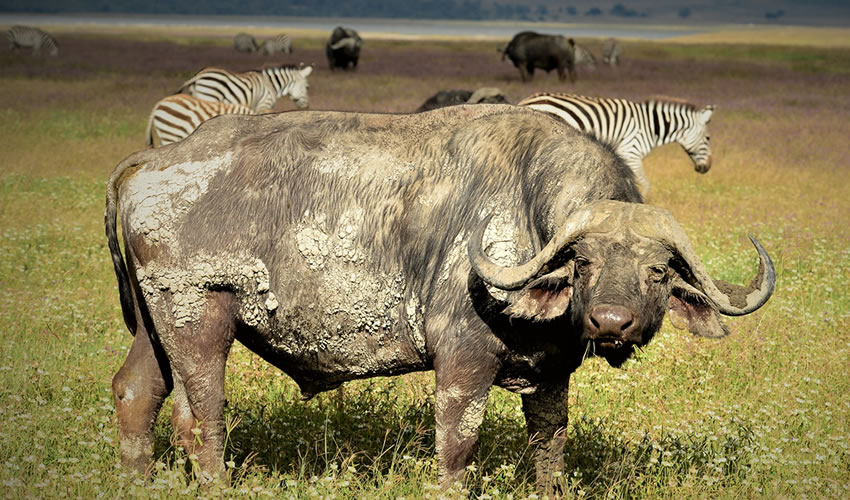
Famous for the “Samburu Special Five”—Grevy’s zebra, reticulated giraffe, Somali ostrich, Beisa oryx, and gerenuk—the reserve offers unique arid-zone wildlife not seen in southern parks.
Key wildlife also includes elephants, lions, cheetahs, and over 350 bird species like vultures and kingfishers.
The best time to visit is June to September and January to February, when dry conditions draw animals to the river at 25-35°C (77-95°F).
Samburu’s remote feel and cultural ties to the Samburu people enhance its appeal as one of the best parks in Kenya for off-the-beaten-path adventures.
7. Aberdare National Park
Located in central Kenya’s Nyeri and Nyandarua Counties, Aberdare spans 766 square kilometers of moorlands and forests. It’s a 3-4 hour drive from Nairobi.
Famous for its waterfalls, bamboo forests, and misty mountains, the park inspired the “Happy Valley” era and offers trout fishing in rivers.
Key wildlife: Elephants, black rhinos, leopards, buffalos, and rare bongos, plus over 250 bird species.
Best time: June to October, for dry trails and wildlife at 15-25°C (59-77°F).
Aberdare’s high-altitude mystique sets it apart among top national parks in Kenya, ideal for hiking and serene nature escapes.
8. Mount Kenya National Park
Encircling Africa’s second-highest mountain in central Kenya, this 715-square-kilometer park is a UNESCO site, reachable by 3-hour drive from Nairobi.
Famous for climbing routes, unique afro-alpine flora, and glacial lakes, it’s a haven for mountaineers and nature lovers.
Key wildlife: Elephants, buffalos, monkeys, and endemic birds like the Mount Kenya swift.
Best time: December to February and July to September, for clear weather at varying altitudes (cold at peaks).
As a top Kenya safari park for adventure, Mount Kenya blends wildlife with epic hikes.
9. Nairobi National Park
Uniquely within Nairobi city limits, this 117-square-kilometer park is just 7 km from the CBD, accessible by short drive.
Famous for urban-wildlife juxtaposition, with skyscrapers behind giraffes, it’s perfect for quick safaris.
Key wildlife: Lions, rhinos, giraffes, zebras, and over 400 birds.
Best time: June to October, dry for viewing at 20-28°C (68-82°F).
Nairobi NP’s convenience makes it an entry point to wildlife parks in Kenya.
10. Hell’s Gate National Park
In Naivasha, Rift Valley, this 68-square-kilometer park is a 2-hour drive from Nairobi.
Famous for gorges, hot springs, and inspiration for “The Lion King,” it allows biking and hiking amid cliffs.
Key wildlife: Giraffes, zebras, buffalos, and raptors like vultures.
Best time: June to October and January to February, for activities at 20-30°C (68-86°F).
Hell’s Gate’s geothermal wonders make it a thrilling Kenya safari destination.
Kenya National Parks Locations Map

Best Time to Visit National Parks in Kenya
The best time to visit Kenya national parks overall is during the dry seasons: June to October and January to February. In these periods, wildlife gathers at water sources, roads are dry, and temperatures are comfortable (20-30°C/68-86°F). For the Great Migration in Maasai Mara, aim for July to October.
Wet seasons (March-May, November-December) bring lush scenery and fewer crowds but can make trails muddy. Birding peaks in wet months with migratory species.
Wildlife You Can See in Kenya’s National Parks
Kenya’s national parks boast the Big Five: lions, elephants, leopards, buffalos, and rhinos. Endemic species include Grevy’s zebra in Samburu and Rothschild’s giraffe in Lake Nakuru. Birdlife exceeds 1,100 species, from flamingos to eagles. Other highlights: cheetahs, hippos, crocodiles, and rare antelopes.
How to Visit Kenya National Parks
Access varies: Fly to airstrips in Maasai Mara or drive from Nairobi to closer parks like Lake Nakuru. Guided safaris offer expert insights; self-drive is possible in some like Nairobi NP. Park entry fees range $50-100 for non-residents (e.g., Maasai Mara $80 high season). Book through reputable operators for safety and permits.
FAQs about National Parks in Kenya
Which is the best national park in Kenya? Maasai Mara tops the list for its migration and Big Five sightings.
Where is Maasai Mara located? In Narok County, southwestern Kenya.
How many national parks are in Kenya? There are 23 managed by Kenya Wildlife Service.
Are Kenya national parks safe to visit? Yes, with guided tours and rule adherence; wildlife encounters are managed professionally.
Discover the top 10 national parks in Kenya and their locations, key wildlife, best time to visit, and travel tips for planning an unforgettable Kenya safari.
In conclusion, Kenya’s national parks offer unparalleled adventures that blend thrill, beauty, and conservation. Whether chasing the migration or hiking volcanic gorges, these destinations create memories for a lifetime.
Ready to embark? Join us at Gorilla Nests Safaris for expertly curated tours that extend to Kenya’s wonders—book now and let the wild call you home.