10 Day Kenya & Tanzania Migration Safari: Masai Mara & Serengeti River Crossings Adventure
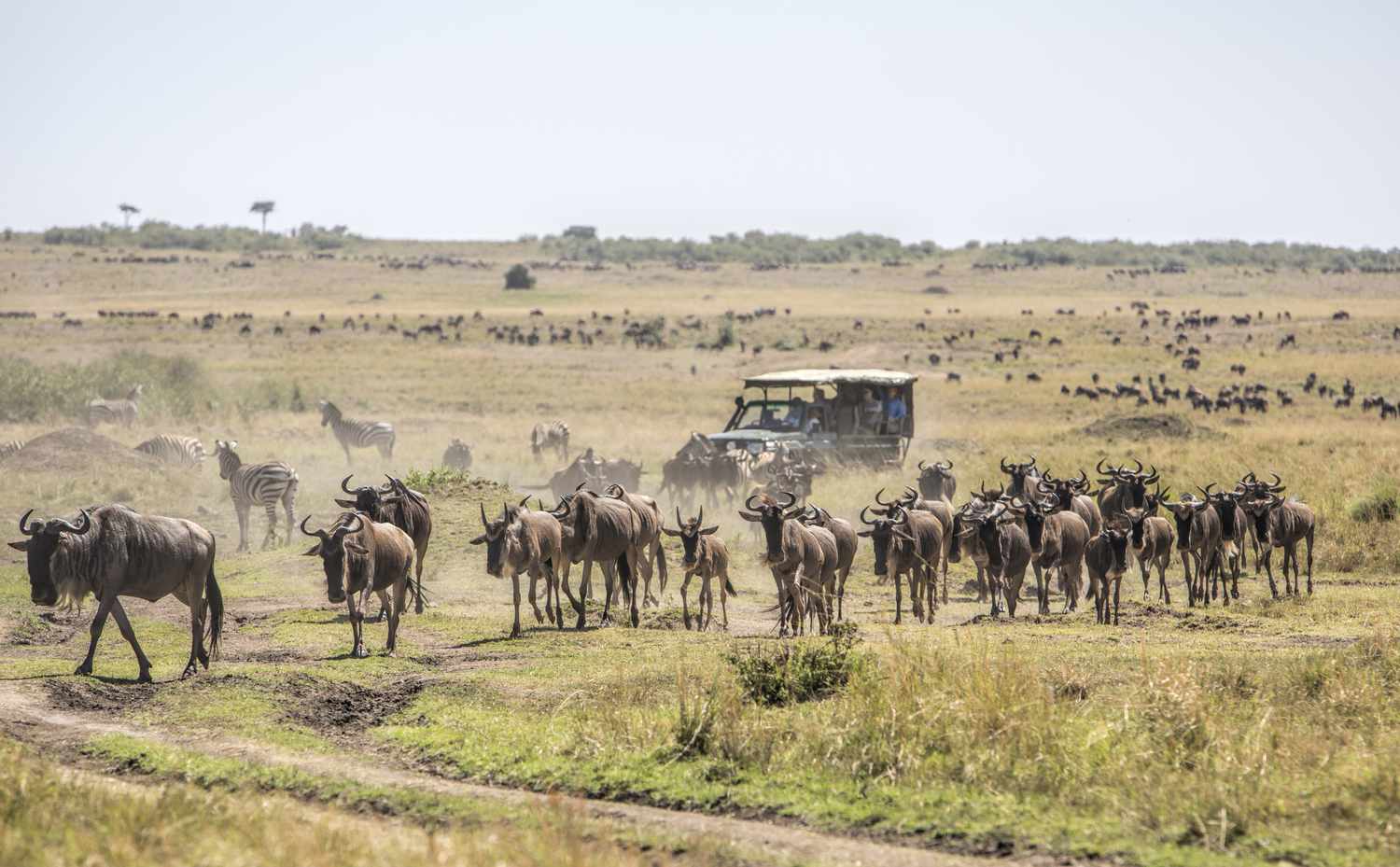
10 Day Kenya & Tanzania Migration Safari: Embark on the ultimate 10 day Great Migration safari, crossing borders between Kenya and Tanzania to witness one of nature’s most spectacular events—the Great Wildebeest Migration.
This Kenya Tanzania safari itinerary combines the dramatic river crossings of the Masai Mara National Reserve with the endless plains of Serengeti National Park and the wildlife-rich Ngorongoro Crater.
Spot the Big Five, experience thrilling predator action, and enjoy a cross-border safari adventure with luxury or mid-range options.
Ideal for wildlife enthusiasts, this Serengeti and Maasai Mara safari highlights the wildebeest migration tour, including migration river crossing safaris and Masai Mara Serengeti safari packages.
Best months to travel align with peak migration seasons for unforgettable sightings. Updated for 2026, this guide covers everything from detailed itineraries to preparation tips.
10 Day Kenya & Tanzania Migration Safari Brief Itinerary
This 10 day Great Migration safari starts in Nairobi, Kenya, and ends in Arusha, Tanzania, covering key migration hotspots. It’s designed for mid-range to luxury travelers, with private 4×4 vehicles and expert guides.
- Day 1: Arrival in Nairobi.
- Day 2-4: Masai Mara – Game drives and Mara River crossings.
- Day 5: Transfer to Serengeti via Isebania border.
- Day 6-8: Serengeti – Migration herds and predator sightings.
- Day 9: Ngorongoro Crater exploration.
- Day 10: Departure from Arusha.
Total distance: Approximately 800-1000 km, with fly-in options to reduce travel time.
10 Day Kenya & Tanzania Migration Safari: Detailed Day-by-Day Itinerary
Dive into the heart of this wildebeest migration tour with a comprehensive breakdown. This Masai Mara Serengeti safari package emphasizes game drives, cultural encounters, and migration viewing, tailored for 2026.
Day 1: Arrival in Nairobi, Kenya
Touch down at Jomo Kenyatta International Airport (NBO). A private transfer whisks you to a comfortable hotel in Nairobi, Kenya’s vibrant capital.
Settle in, perhaps visiting the Giraffe Centre for an up-close encounter with endangered Rothschild giraffes or exploring the Karen Blixen Museum for a taste of colonial history.
Evening briefing with your guide on the upcoming Kenya Tanzania safari itinerary. Overnight in mid-range or luxury accommodation like Hemingways Nairobi, offering modern amenities amid lush gardens. This rest day prepares you for the adventure ahead.
Day 2-4: Masai Mara National Reserve – Migration Viewing and River Crossings
Fly or drive (about 5-6 hours) to Maasai Mara National Reserve, a 1,510 sq km haven of rolling grasslands. These days focus on full-day game drives in a pop-up roof 4×4 Land Cruiser, tracking massive wildebeest herds during peak migration.
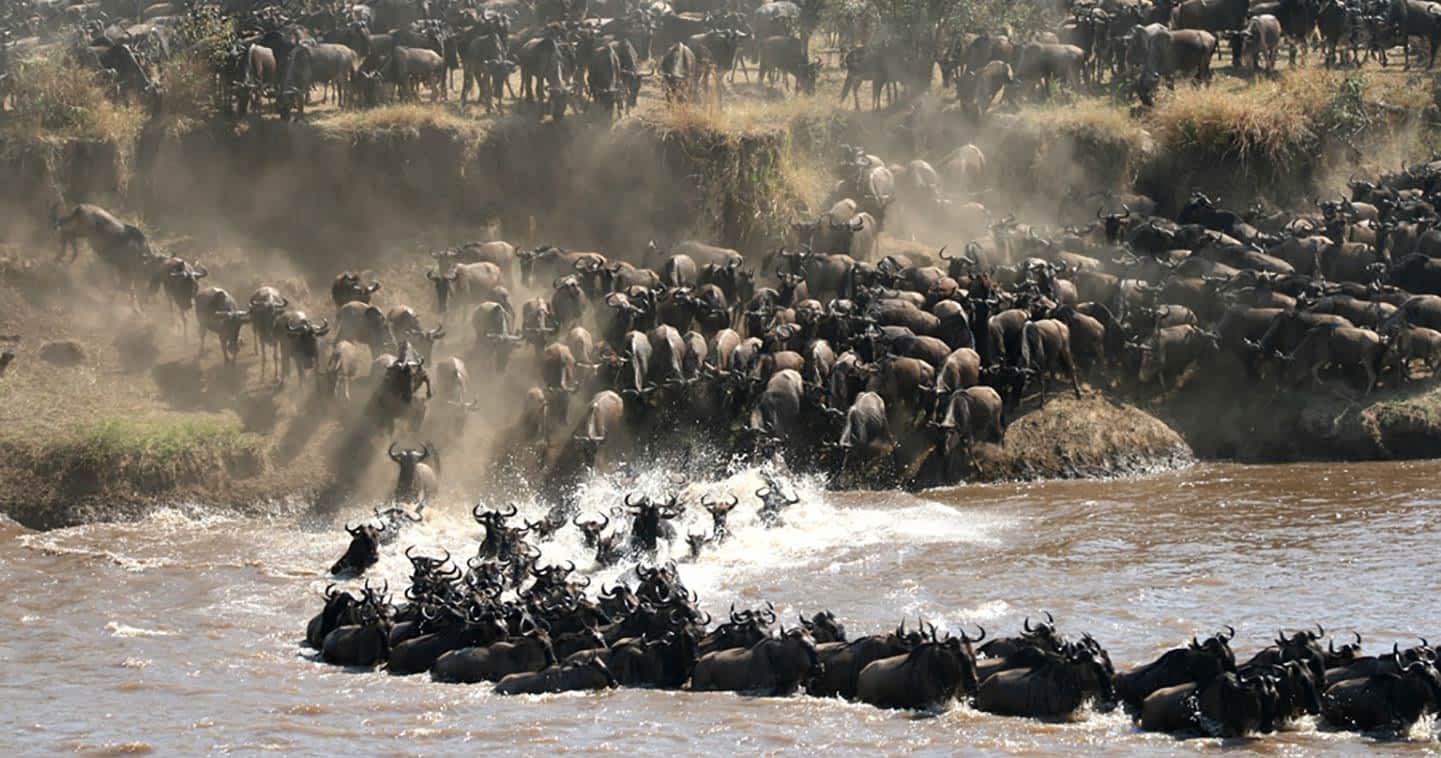
In July-October, witness heart-pounding Mara River crossings—wildebeest plunging into crocodile-infested waters, creating chaos and survival drama. Spot Big Five (lions, leopards, elephants, buffaloes, rhinos), cheetahs on hunts, and big cats feasting.
Optional hot air balloon safari at dawn for aerial views of the herds. Evenings include sundowners and Maasai cultural visits. Stay in luxury tented camps like Mara Serena Safari Lodge or mobile camps positioned near the action, with en-suite facilities and starlit dinners.
Game drives reveal over 95 mammal species and 570 birds, making this the pinnacle of your migration river crossing safari.
Day 5: Transfer to Serengeti National Park, Tanzania (Border Crossing)
After a morning game drive in the Mara, transfer to Tanzania via the Isebania border (about 4-5 hours drive). En route, enjoy picnic lunches and scenic views. Cross into Serengeti National Park, a UNESCO site spanning 14,763 sq km.
Afternoon game drive introduces you to the “endless plains,” where migration herds might be spotted depending on the season. In Northern Serengeti during peak months, prepare for more river action. Overnight in central or northern camps like Serengeti Pioneer Camp, blending luxury with wilderness immersion.
Day 6-8: Serengeti National Park – Herds, Predators, and Endless Plains
Immerse in Serengeti’s core. Game drives in Central or Northern Serengeti (season-dependent) track vast migration herds—columns of wildebeest stretching to the horizon.
Witness predator-prey dynamics: lions ambushing, hyenas scavenging, and leopards in acacia trees. During calving season, see newborns and hunts; in crossing months, Grumeti or Mara River spectacles. Explore kopjes (rocky outcrops) for unique sightings like rock hyraxes.
Optional walking safaris or balloon rides enhance the experience. Accommodations in mobile luxury tents follow the herds, offering private verandas and bush dinners. Serengeti’s biodiversity includes 70 large mammals and 500 birds, ensuring non-stop thrills on this Serengeti and Maasai Mara safari.
Day 9: Ngorongoro Crater Safari
Drive to Ngorongoro Conservation Area (about 3 hours). Descend into the 600m-deep Ngorongoro Crater, the world’s largest intact caldera (260 sq km). Full-day exploration reveals dense wildlife: black rhinos, flamingos on soda lakes, elephants, and lion prides.
Picnic amid hippo pools and ancient forests. This “Garden of Eden” hosts over 25,000 animals year-round, complementing the migration focus.
Day 10: Departure from Arusha, Tanzania
Morning transfer to Arusha (2-3 hours) or Kilimanjaro International Airport (JRO). Optional coffee plantation tour or shopping for souvenirs. Depart with memories of your 10 day Kenya & Tanzania Migration Safari.
This detailed itinerary, inspired by top operators, ensures maximum wildlife exposure. Fly-in upgrades reduce border hassles.
End of the 10 Day Kenya & Tanzania Migration Safari
10 Day Kenya & Tanzania Migration Safari Tour Inclusions and Exclusions
Inclusions:
- Accommodation (9 nights mid-range/luxury).
- All meals (breakfast, lunch, dinner; picnic lunches).
- Park fees (Masai Mara $80-200/day, Serengeti $60-100/day, Ngorongoro $60-100).
- Game drives in private 4×4 Land Cruiser with pop-up roof and professional guide.
- Transfers (airport, border).
- Bottled water, basic insurance.
Exclusions:
- International flights.
- Visas, travel insurance.
- Tips ($10-20/day/guide).
- Optional activities (balloon safari $500-600/person).
- Alcoholic drinks, personal expenses.
- COVID tests if required.
Best Time to Travel for the Great Migration
The best time for a 10 day Kenya & Tanzania Migration Safari depends on what aspect of the Great Wildebeest Migration you want to experience.
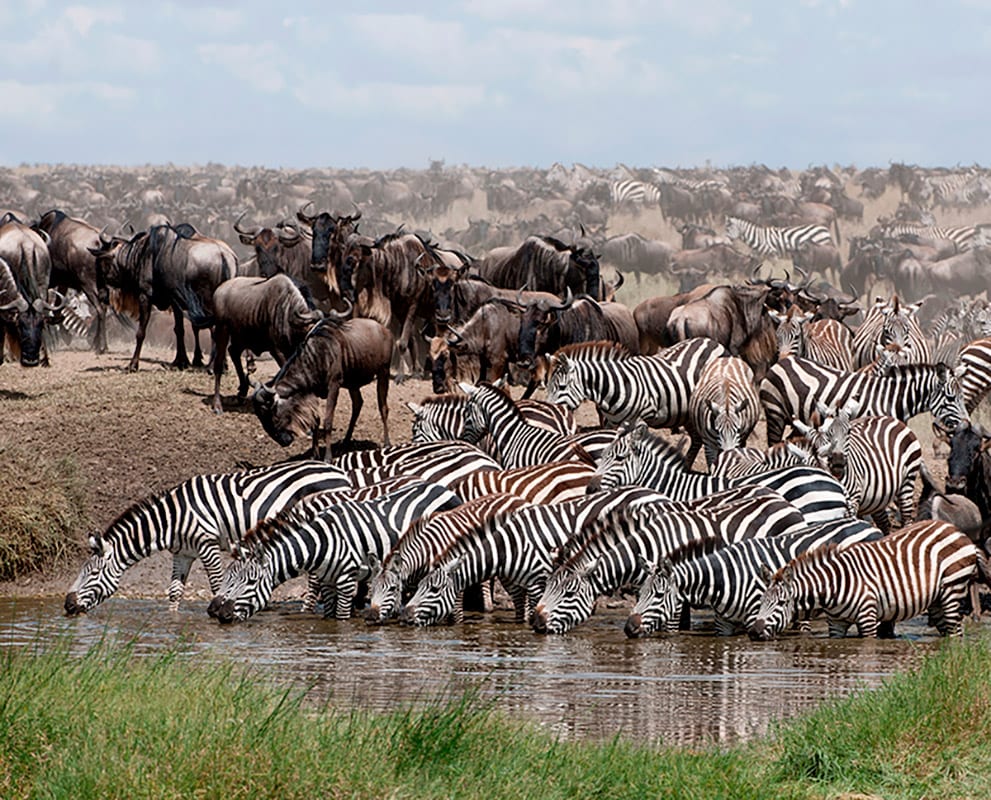
This year-round spectacle involves over 1.5 million wildebeest, zebras, and gazelles moving in a circular pattern across the Serengeti-Mara ecosystem, driven by rainfall and fresh grazing.
For 2026, patterns are expected to follow historical trends, though climate variations can influence exact timings. Here’s a detailed migration calendar explanation:
- January to March (Calving Season in Southern Serengeti): The herds gather in Tanzania’s Southern Serengeti and Ndutu Plains for calving. Around 500,000 calves are born, attracting predators like lions and hyenas. This is ideal for witnessing newborn wildlife and intense hunts, with fewer crowds and greener landscapes. Best for budget travelers as prices dip.
- April to June (Northern Movement through Central and Western Serengeti): As rains end, herds move north toward the Western Corridor. Expect Grumeti River crossings in June, with lush scenery and excellent birdwatching. This “green season” offers lower rates and fewer tourists, but roads may be muddy.
- July to October (Peak River Crossings in Northern Serengeti and Masai Mara): The highlight for most—dramatic Mara River crossings in Kenya’s Masai Mara and Northern Serengeti. Herds face crocodiles and steep banks in a frenzy of survival. August-September sees the most action, with high wildlife density. Book early as this is peak season with premium prices.
- November to December (Return South): Short rains bring herds back to Eastern and Southern Serengeti. Quieter safaris with good value, as migration slows and landscapes refresh.
For this 10-day itinerary, July-October is recommended for river crossings, but December-March suits calving fans. Always check real-time updates, as 2026 weather could shift herds slightly.
What to Expect on Your Migration Safari
Expect an adrenaline-fueled adventure blending raw nature with comfort. Daily game drives (6-8 hours) in open 4×4 vehicles offer close encounters with wildlife—wildebeest stampedes, lion kills, and elephant herds. Weather varies: dry and dusty in peak season, rainy in green months.
Cultural interactions with Maasai tribes provide insights into local life. Meals are hearty, with bush breakfasts and gourmet dinners. Nights bring animal sounds under starry skies.
Challenges include bumpy roads and early starts, but rewards are unparalleled—witnessing the migration’s scale is life-changing. For 2026, expect stable patterns but prepare for unpredictability.
How to Be Well Prepared
Preparation ensures a smooth 10 day Great Migration safari. Health-wise, get yellow fever vaccination (required for Tanzania from Kenya) and malaria prophylaxis. Consult a doctor for anti-malarials like Malarone. Fitness: Light walking is involved; no extreme exertion.
Visas: e-Visas for both countries (Kenya $50, Tanzania $50-100). Currency: USD for tips, local shillings for small purchases. Book 6-12 months ahead for peak season. Choose licensed operators with experienced guides for safety.
Pack binoculars and cameras with zoom lenses. Mental prep: Embrace the wild—sightings aren’t guaranteed, but the ecosystem delivers.
Packing List to Consider
Pack light (15-20kg soft bags for small planes). Essentials:
- Clothing: Neutral colors (khaki, beige)—long pants, shirts for sun/insects; warm layers for cool mornings/evenings; hat, scarf, rain jacket.
- Footwear: Sturdy walking shoes, sandals for camp.
- Health/Toiletries: Sunscreen (SPF 50+), insect repellent (DEET), personal meds, hand sanitizer, wet wipes.
- Gear: Binoculars (8×42), camera with extra batteries/memory, power bank, adapter (Type G/D plugs).
- Documents: Passport, visas, insurance, printed itinerary.
- Misc: Reusable water bottle, snacks, journal, cash ($200-300 for tips/souvenirs).
Avoid bright colors or camo. For luxury, camps provide basics.
Accommodation Options
Tailor your experience with these options:
- Luxury Tented Camps: Eco-friendly with king beds, en-suites, private decks. Examples: Asilia’s Namiri Plains in Serengeti or Governors’ Camp in Mara. Prices: $800-1500/night. Ideal for immersion with elegance.
tripadvisor.com
- Mid-Range Lodges: Comfortable rooms with pools, Wi-Fi. Like Mara Serena or Serengeti Sopa Lodge. $300-600/night. Balanced value.
- Private Safari Options: Exclusive vehicles/camps for families/groups. Add-ons like mobile tents following herds.
Mobile camps in Serengeti adjust to migration for prime views.
Why Combine Kenya & Tanzania?
Combining Kenya and Tanzania offers full migration coverage: Mara’s intimate river crossings complement Serengeti’s vast herds. Diverse landscapes—from Mara’s grasslands to Ngorongoro’s crater—boost wildlife density. Cross-border experience adds adventure, with more Big Five chances. It’s efficient for 10 days, maximizing value.
FAQs: 10 Day Kenya & Tanzania Migration Safari
Is 10 days enough for Kenya and Tanzania safari?
Yes, 10 days covers key highlights like Masai Mara, Serengeti, and Ngorongoro, providing a balanced migration experience without rushing. It allows 3-4 days per major park for immersive game viewing.
Which is better for migration: Mara or Serengeti?
Both excel—Mara for dramatic river crossings (July-Oct), Serengeti for vast herds year-round. Combining them gives the complete picture.
When are river crossings most likely?
July-October, peaking August-September in Northern Serengeti/Mara. Timings vary; guides track herds daily.
Do I need a visa for both countries?
Yes, e-Visas: Kenya ($50, online), Tanzania ($50-100, online or on arrival). Yellow fever certificate required.
How many days should I spend in Serengeti?
3-4 days minimum for migration viewing, allowing time for different sectors and activities.
No responses yet