Kenya Wildlife Animals: Top Guide to Kenya Safari Animals
Kenya wildlife animals: Kenya stands as one of Africa’s premier safari destinations, offering an unmatched spectacle of Kenya wildlife animals across vast savannas, lush wetlands, and dramatic landscapes.
With over 80 national parks and reserves protecting incredible biodiversity, visitors encounter animals in Kenya that define the classic African safari experience.
From the iconic Big Five to the thunderous Great Migration, Kenya safari animals deliver unforgettable encounters year-round.
The country’s wildlife diversity is staggering—home to more than 100 mammal species, countless reptiles, and over 1,100 bird species.
Whether you dream of spotting a lion pride on the prowl or watching elephants silhouetted against Mount Kilimanjaro, Kenya delivers.
The world-famous Maasai Mara National Reserve serves as the beating heart of Kenya’s safari scene, where predators and prey create nature’s greatest show.
Kenya wildlife animals Include;
The Big Five Animals in Kenya
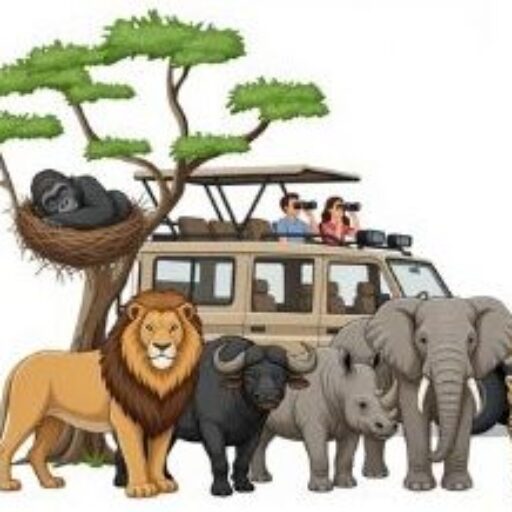
Travelers searching for Kenya wildlife animals almost always prioritize the legendary Big Five. These majestic creatures—African Lion, African Elephant, African Leopard, African Buffalo, and Black Rhinoceros—once defined dangerous game hunting and now power Kenya’s conservation tourism.
Lions in Kenya
The African Lion reigns as the undisputed king of the savanna. In Kenya, lions thrive in open grasslands and acacia woodlands. The Maasai Mara National Reserve hosts one of Africa’s densest lion populations, with prides often exceeding 20 members.
Visitors frequently witness dramatic hunts at dawn or hear their iconic roars echoing across the plains after sunset. Kenya’s lions face threats from habitat loss, yet strong protection in reserves keeps numbers stable. A typical adult male weighs up to 250 kg and lives 10–14 years in the wild.
Elephants in Kenya
No Kenya safari animals list feels complete without the African Elephant. Amboseli National Park is world-renowned for its massive elephant herds that roam freely against the snow-capped backdrop of Mount Kilimanjaro. These gentle giants form tight-knit family groups led by matriarchs.
Kenya’s elephants communicate through low-frequency rumbles that travel kilometers. Mature bulls can weigh 6,000 kg and live up to 70 years. Conservation success stories in Kenya have helped populations rebound after past poaching crises.
Leopards in Kenya
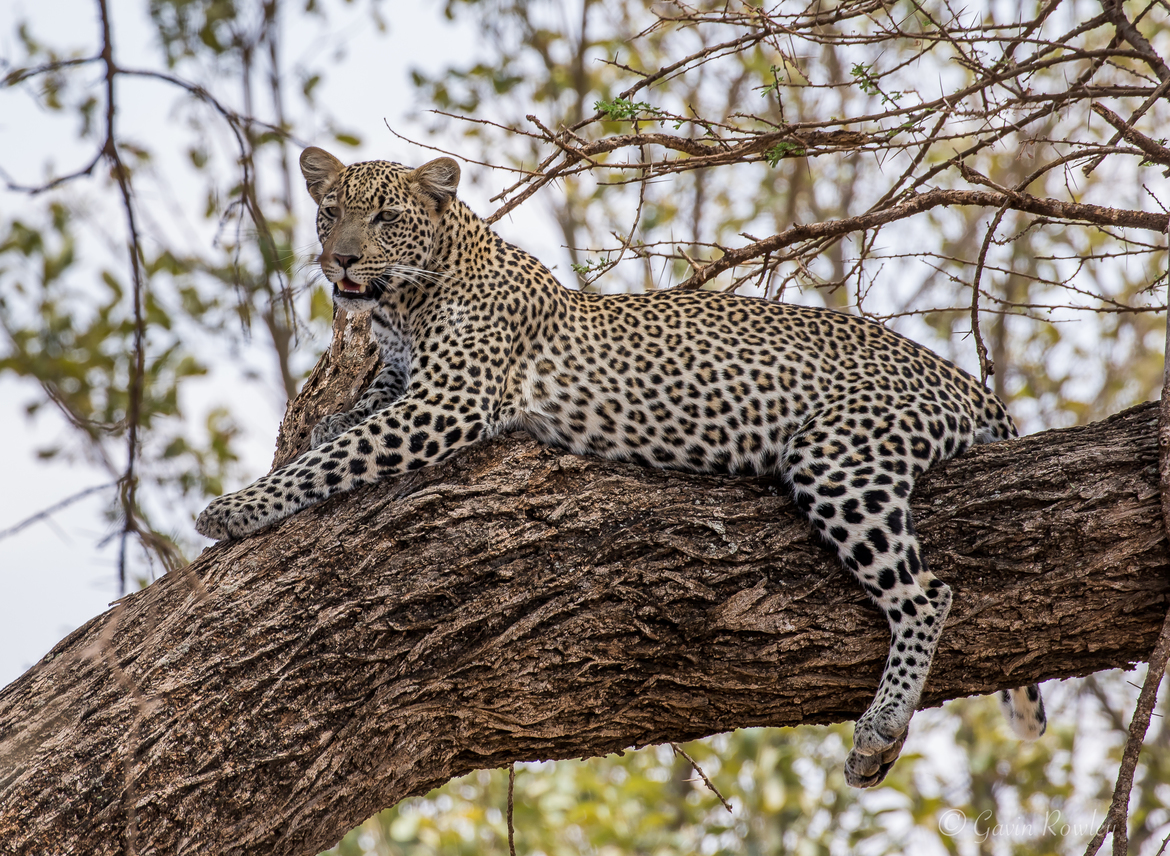
The elusive African Leopard is the ultimate prize for wildlife photographers. These solitary cats prefer dense bush and rocky outcrops, making sightings thrilling. In the Maasai Mara and Laikipia Plateau, leopards are regularly spotted draped over acacia branches or stalking prey at night. Their spotted coats provide perfect camouflage.
Leopards are powerful climbers and can haul prey three times their weight into trees. Kenya’s leopards remain one of the most sought-after Kenya wildlife animals.
Buffalo in Kenya
The African Buffalo, often called “Black Death” for its unpredictable nature, travels in massive herds across Kenya’s grasslands. The Maasai Mara and Tsavo National Parks offer excellent buffalo viewing.
These 800 kg beasts move in synchronized groups for protection and graze on tough grasses. Old “dagga boys” (lone bulls) are especially dangerous and often seen wallowing in mud.
Black Rhinoceros in Kenya
The critically endangered Black Rhinoceros represents one of Kenya’s greatest conservation triumphs. Smaller than white rhinos and equipped with a hooked upper lip for browsing, these solitary animals are best spotted in Lake Nakuru National Park and Lewa Conservancy.
Kenya’s rhino sanctuaries have successfully increased numbers through intensive monitoring and anti-poaching efforts.
Other Famous Wildlife Animals in Kenya
Beyond the Big Five, Kenya safari animals include many crowd favorites that appear on almost every game drive.
Cheetahs in Kenya
The world’s fastest land animal reaches speeds over 100 km/h in short bursts. Kenya’s open plains in the Mara and Laikipia provide ideal hunting grounds. Cheetahs hunt during daylight, targeting gazelles and impala. Their slender build and distinctive tear marks make them instantly recognizable.
Masai Giraffe in Kenya
The tallest land mammal graces Kenya’s savannas with elegant grace. Masai giraffes, with their jagged brown patches, are common in the Maasai Mara. They browse acacia leaves using 45 cm tongues and can reach heights of 5.5 meters.
Plains Zebra in Kenya
These striped horses travel in large herds across Kenya’s grasslands. Their unique stripe patterns act like fingerprints. Zebras often mix with wildebeest for mutual predator protection.
Hippopotamus in Kenya
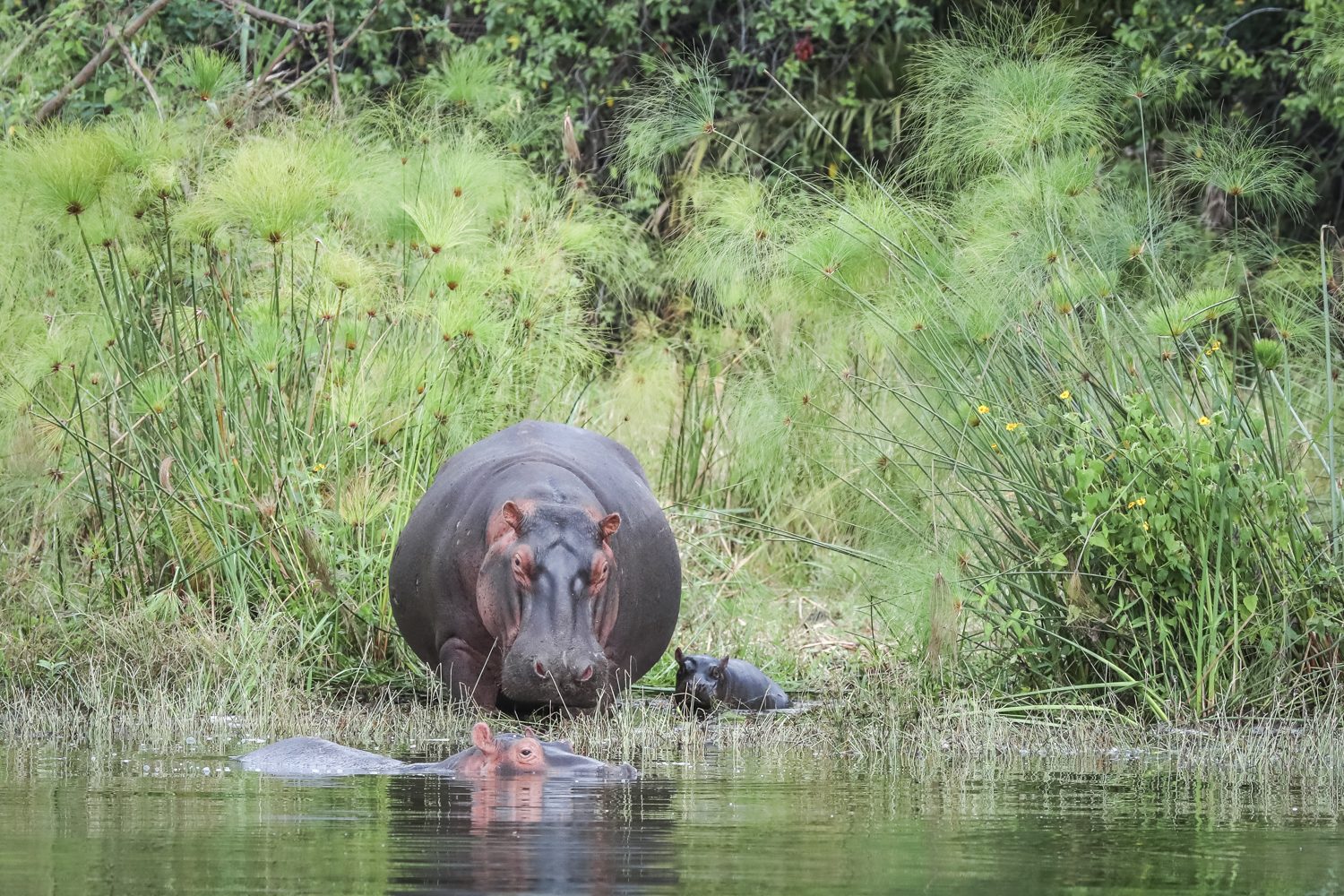
Hippopotamuses dominate Kenya’s rivers and lakes, especially in the Mara River. These semi-aquatic giants weigh up to 1,500 kg and emerge at night to graze. River crossings during migration become especially dangerous when hippos are present.
Spotted Hyena in Kenya
Often misunderstood, spotted hyenas are skilled hunters and scavengers. Their eerie “laugh” echoes across the Maasai Mara at night. Clans of up to 80 individuals maintain complex social hierarchies.
Best National Parks to See Wildlife in Kenya
Kenya offers world-class national parks, each with unique highlights for animals in Kenya.
Maasai Mara National Reserve
Kenya’s most famous reserve delivers Big Five sightings daily and hosts the Great Migration. The short-grass plains support huge herds and predator action.
Amboseli National Park
Famous for its elephant herds and dramatic views of Mount Kilimanjaro, Amboseli offers some of the best photographic opportunities in Kenya.
Tsavo National Park
One of Africa’s largest parks (Tsavo East and West combined), Tsavo features red elephants, diverse landscapes, and excellent rhino and lion sightings.
Lake Nakuru National Park
This soda lake sanctuary protects black and white rhinos and hosts millions of flamingos. It is a birdwatcher’s paradise.
The Great Migration in Kenya
The Great Wildebeest Migration is the planet’s largest mammal movement. Over 1.5 million blue wildebeest, accompanied by 200,000 zebras and gazelles, travel between Tanzania’s Serengeti and Kenya’s Maasai Mara.
The July–October crossing of the Mara River creates heart-stopping drama as crocodiles and lions wait in ambush. Watching thousands of wildebeest plunge into the crocodile-infested waters is one of the greatest wildlife experiences on Earth.
Rare Animals in Kenya
Grevy’s Zebra: The largest and most endangered zebra species has narrow stripes and large ears. Kenya protects the last significant populations in northern reserves.
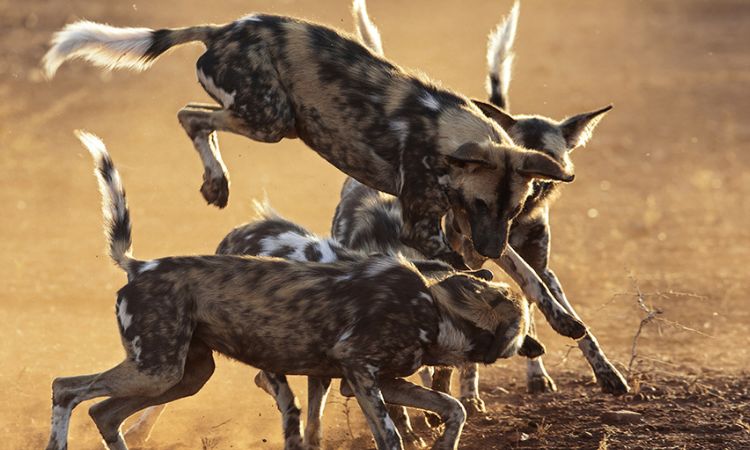
African Wild Dog: These highly social painted dogs are among Africa’s most endangered carnivores. Small packs survive in Laikipia and northern Kenya.
Reticulated Giraffe: Distinguished by their intricate net-like patterns, reticulated giraffes are found mainly in northern Kenya. Conservation programs actively protect this subspecies.
Best Time to See Wildlife in Kenya
The dry season (June–October) offers the best Kenya safari animals viewing because animals concentrate around water sources. July–October coincides with the Great Migration peak, delivering spectacular river crossings in the Mara. January–March provides excellent birding and fewer crowds. Avoid the long rains (April–May) when many roads become impassable.
Kenya’s Birdlife
Kenya boasts over 1,100 bird species—more than any other African country. Iconic species include the African Fish Eagle, whose piercing cry echoes across lakes, and the colorful Lilac-breasted Roller.
The Secretarybird, a long-legged snake hunter, strides across the grasslands. Lake Nakuru and Lake Bogoria host flamingo spectacles that turn shores pink.
Wildlife Conservation in Kenya
The Kenya Wildlife Service (KWS) leads protection efforts, managing parks and anti-poaching units. Community conservancies like Lewa and Ol Pejeta empower local people while safeguarding wildlife.
Tourism revenue directly funds conservation, creating a sustainable model that benefits both Kenya wildlife animals and surrounding communities.
Sample Kenya Safari Experience
Day 1 – Nairobi
Arrive in Kenya’s capital and visit Nairobi National Park for a quick introduction to animals in Kenya.
Day 2–4 – Maasai Mara safari
Fly or drive to the Mara for full-day game drives. Morning and afternoon excursions maximize sightings of lions, elephants, and migration action.
Day 5–6 – Amboseli National Park
Enjoy elephant herds against Kilimanjaro before returning to Nairobi.
This classic 6-day itinerary delivers an unforgettable Kenya wildlife safari.
FAQs about Kenya Wildlife Animals
What animals live in Kenya?
Kenya hosts the Big Five plus cheetahs, giraffes, zebras, hippos, hyenas, and over 1,100 bird species.
What is the Big Five in Kenya?
African Lion, African Elephant, African Leopard, African Buffalo, and Black Rhinoceros.
Where can you see lions in Kenya?
The Maasai Mara National Reserve offers the highest concentration of lions.
What is the best park to see wildlife in Kenya?
The Maasai Mara tops most lists for variety and density of Kenya safari animals.
When is the best time for a Kenya safari?
June to October for dry conditions and the Great Migration.
Top 25 Animals You Can See on a Kenya Safari
- African Lion
- African Elephant
- African Leopard
- African Buffalo
- Black Rhinoceros
- Cheetah
- Masai Giraffe
- Plains Zebra
- Blue Wildebeest
- Hippopotamus
- Spotted Hyena
- African Wild Dog
- Reticulated Giraffe
- Grevy’s Zebra
- Impala
- Thomson’s Gazelle
- Topi
- Warthog
- Olive Baboon
- Vervet Monkey
- African Fish Eagle
- Lilac-breasted Roller
- Secretarybird
- Flamingo
- Ostrich
Kenya delivers one of the world’s most spectacular wildlife experiences. Whether you seek the drama of the Great Migration or quiet moments with black rhinos, Kenya wildlife animals will leave memories that last a lifetime. Book your Kenya safari animals adventure today and immerse yourself in Africa’s greatest wildlife show.