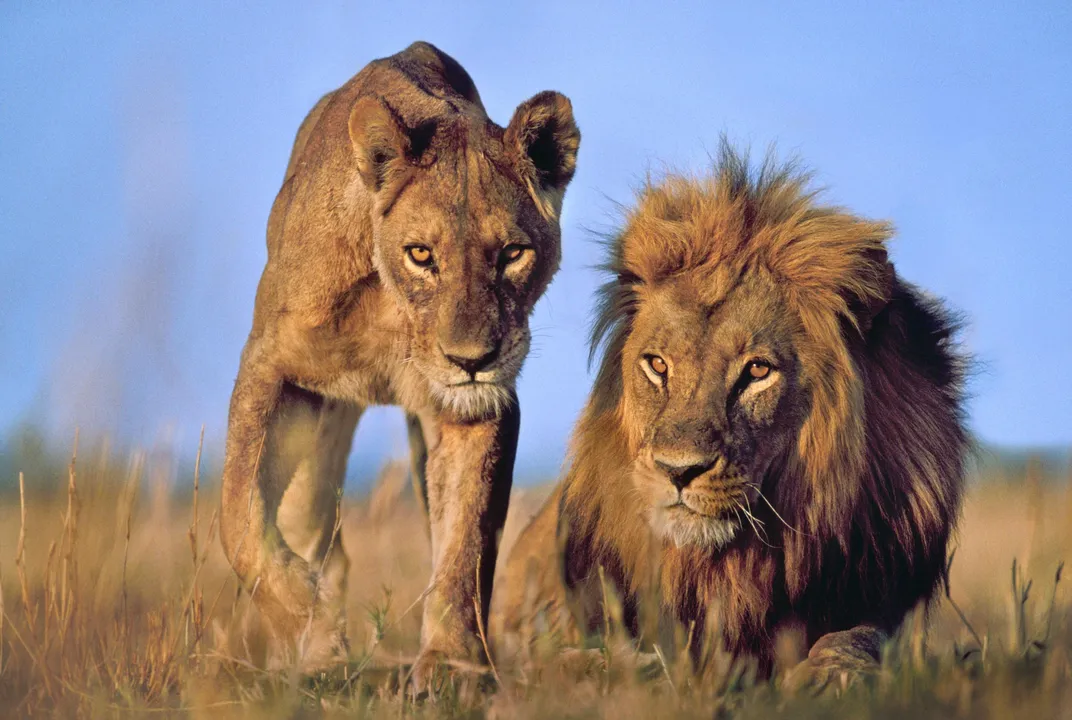
Are Lions Endangered? Population Status & Conservation Explained
Are Lions Endangered: The lion is not fully endangered globally, but it is classified as “Vulnerable”, meaning it faces a high risk of becoming endangered in the wild.
This status, determined by the International Union for Conservation of Nature (IUCN), highlights that while lions are not yet on the brink of extinction, urgent action is needed to prevent further decline.
With an estimated 23,000–25,000 lions remaining in Africa and around 891 in India, the species continues to face significant pressures across its shrinking range.
Current Conservation Status (Lion Conservation Status)
Lions (Panthera leo) are listed as Vulnerable on the IUCN Red List (last assessed in 2023, with ongoing monitoring confirming the status into 2025–2026).
This classification is based on criterion A2abcd, reflecting a suspected population reduction of around 36% over three generations (approximately 21 years) due to range contraction and ongoing threats.
Not all lion populations face the same level of risk. Some subpopulations, particularly in West Africa, are regionally classified as Critically Endangered, while others in southern Africa benefit from stronger protections and show stability or even local increases.
African lions make up the vast majority of the global population and share the overall Vulnerable status, but fragmentation means many individual groups are more threatened than the species average suggests.
Lion Population Numbers
Current estimates place the wild lion population at approximately 23,000 adult and subadult lions in Africa, with an additional 891 Asiatic lions in India (as of the 2025 census).
This total represents a sharp decline from historical numbers. Just 50 years ago, Africa alone supported well over 100,000 lions. Today, three-quarters of African lion populations are in decline, and the species occupies only about 7–8% of its historic range.
While some protected areas report stable or growing numbers, the overall trend remains downward, with experts warning that without intensified efforts, further losses are likely.
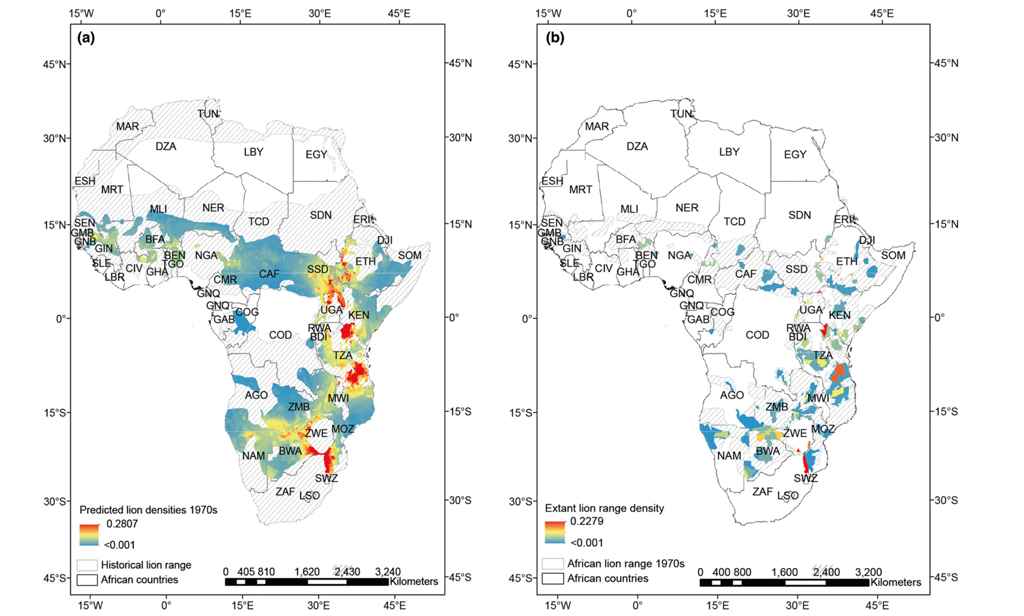
Are Lions Endangered in Different Regions?
Africa
Africa hosts the world’s primary lion population. Lions are found across sub-Saharan regions, with strongholds in East and southern Africa. However, many areas are experiencing rapid declines due to habitat pressures and human activity.
Are African lions endangered? They are classified as Vulnerable globally, but certain regional populations (e.g., West Africa) meet criteria for Endangered or Critically Endangered status.
Asia
The Asiatic lion (Panthera leo persica) survives only in India, primarily around Gir National Park and surrounding areas in Gujarat. The 2025 census recorded 891 individuals—a 32% increase since 2020—showing successful conservation in this isolated population.
Why Lions Are at Risk (Threats to Lions)
Several interconnected threats drive the decline:
- Habitat loss: Agricultural expansion, infrastructure development, and human settlements have reduced available savannah and woodland by over 90% since the 1950s.
- Human-wildlife conflict: As lions roam outside protected areas, livestock predation leads to retaliatory killings by communities.
- Poaching: Lions are targeted for body parts used in traditional medicine or trophies, while snares set for bushmeat also kill them incidentally.
- Decline in prey: Overhunting of zebras, wildebeest, and other herbivores reduces food availability, forcing lions into riskier areas.
These factors combine to create a challenging environment for long-term survival.
How Lion Numbers Have Changed Over Time
Historically, lions ranged across much of Africa, the Middle East, and even parts of Europe and Asia. By the early 20th century, their range had already contracted dramatically.
The most severe losses have occurred in recent decades: a 75% decline in African lion numbers over 50 years in some assessments, with range shrinkage of 36% in just the last 21 years.
While the population is not increasing overall, targeted conservation has led to local successes—such as reintroductions in Mozambique, Rwanda, and Chad, and the growth of India’s Asiatic lions.
Conservation Efforts
Dedicated initiatives are making a difference. Protected national parks form the backbone of lion conservation, with anti-poaching patrols and community-based programs reducing conflict.
Organizations like the World Wildlife Fund (WWF) support habitat restoration, prey monitoring, and education campaigns that empower local communities to coexist with lions.
International funding, scientific research via the African Lion Database, and transboundary agreements also play vital roles. In India, strict protection in and around Gir has allowed the population to rebound.
Are Lions Becoming Extinct?
Lions are not extinct and are not going extinct in 2026. The species remains classified as Vulnerable rather than Endangered or Critically Endangered on a global scale.
However, if current threats continue unchecked, some experts have warned of possible local extinctions or even a trajectory toward extinction by 2050 in the worst-case scenarios. Conservation success stories prove that with sustained effort, this outcome can be avoided.
Where Lions Are Protected
Key strongholds include:
- Serengeti National Park (Tanzania) and Maasai Mara National Reserve (Kenya) – vital East African ecosystems supporting thousands of lions.
- Gir National Park and surrounding reserves (India) – the sole home of Asiatic lions.
- Other notable areas: Kruger National Park (South Africa), Etosha National Park (Namibia), and emerging reintroduction sites like Akagera (Rwanda).
These protected zones provide safe havens where lions can thrive when properly managed.
Role of Tourism in Conservation
Safari tourism plays a crucial economic role in lion conservation. Revenue from wildlife viewing funds park operations, anti-poaching units, and community development projects.
At Gorilla Nests Safaris, responsible safari tours in prime lion habitats directly support these efforts, ensuring that local communities benefit from protecting rather than harming lions.
How Can We Save Lions from Extinction?
Effective strategies include expanding protected areas, strengthening anti-poaching laws, restoring prey populations, and promoting human-lion coexistence through compensation schemes and education.
Supporting reputable conservation NGOs, choosing ethical tourism operators, and advocating for stronger wildlife policies all make a difference.
Is the lion population increasing? In specific pockets like India and well-managed African reserves, yes—but globally, the trend requires immediate scaled-up action.
FAQs – Are lions endangered
Are lions endangered or vulnerable?
Lions are classified as Vulnerable by the IUCN—not fully endangered globally, but facing a high risk of becoming so if threats persist.
How many lions are left in the wild?
Approximately 23,000–25,000 in Africa and 891 in India, for a global total of roughly 24,000.
Why are lions becoming endangered?
Habitat loss, human-wildlife conflict, poaching, and declining prey are the primary drivers.
Where do most lions live?
The vast majority live in Africa, with East and southern Africa holding the largest populations. The only wild Asiatic lions are in Gujarat, India.
Are lions protected?
Yes—lions receive legal protection in national parks and reserves, though enforcement varies by country. International trade is regulated under CITES.
Will lions be extinct by 2050?
Not if conservation efforts succeed. While some older projections warned of this risk without action, current data shows that targeted protection can stabilize and grow populations.
Are African lions endangered?
African lions share the global Vulnerable status, with some regional populations more severely threatened.
By focusing on science-based conservation, community involvement, and sustainable tourism, we can ensure that future generations continue to hear the roar of the lion across Africa’s savannahs and India’s forests.
At Gorilla Nests Safaris, we’re committed to this mission—join us on a safari and become part of the solution. Contact Us Today to secure your spot!
No responses yet